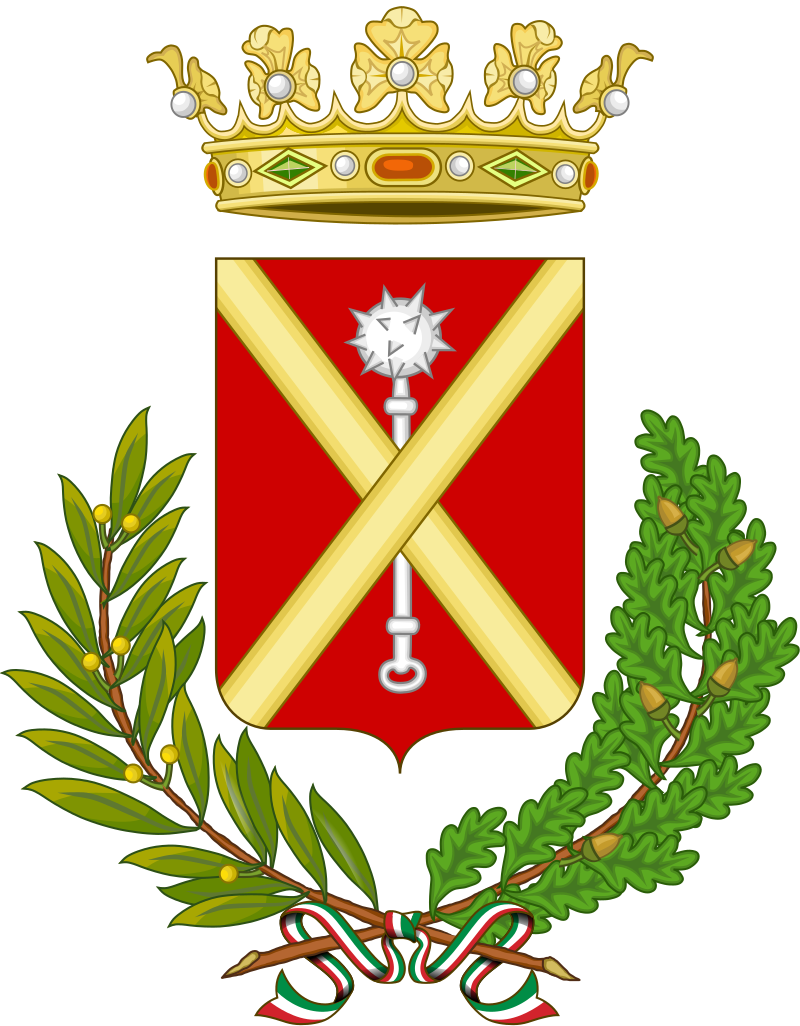
Located in the heart of the magnificent Tuscan region, where the turquoise waters of the Tyrrhenian Sea meet the green mass of the Apuan Alps, the city of Massa is a hidden gem of Italy. This medieval city, the capital of the province of Massa-Carrara, is located in the northwest of Tuscany, between the Frigido valley and the Navicelli canal. Despite being overshadowed by the tourist popularity of nearby cities like Florence and Pisa, Massa has a unique charm, thanks to its rich historical past and fascinating architecture. Of ancient origin, the first evidence of human presence in Massa dates back to the Paleolithic era, but it was in the Middle Ages that the city began to consolidate its importance. This prevalence is still evident in the cobbled streets and historic buildings that still characterize the city. Massa enjoys a privileged geographical position, surrounded by a mountain range rich in marble quarries, known worldwide for its precious quality. The city is famous for the production and export of Carrara marble, a symbol of Italian craftsmanship appreciated worldwide. The climate of Massa is typically Mediterranean, characterized by hot summers and mild winters, ideal for enjoying the natural beauty that surrounds it in every season. Its sandy coasts, lapped by crystal-clear waters, blend well with the inland areas, rich in lush vegetation and breathtaking landscapes. However, Massa is not only a place of natural beauty. It boasts a historically and culturally valuable heritage. Its historic center, with narrow and picturesque streets, reveals the city's centuries-old past. The architectural structures, including palaces, churches, and monuments, pay homage to its long history, bearing witness to the different periods of domination, from the Romans to the Medici. The symbol of the city is undoubtedly the Rocca Malaspina, an imposing castle that dominates the view with its impressive presence. Built over the centuries, this castle offers a magnificent view of the city and the sea, and is a clear example of Massa's historical wealth. In the heart of the city, there is also the Cathedral of Massa, dedicated to St. Peter and St. Francis, a building of great religious and cultural importance, which houses valuable works of art. But life in Massa is not just about history and culture. This charming Tuscan city offers a high quality of life. There are events, markets, and popular festivals that enliven the streets and squares of the center, where you can taste traditional dishes and local wines. Living in Massa means immersing yourself in a warm and welcoming atmosphere, where the charm of the past blends with the vibrant rhythm of contemporary life. A city that combines the tranquility of a small town with the dynamism of a metropolis, offering an authentic experience of Italian life. With its undeniable beauty and extraordinary historical and cultural richness, Massa is a city worth discovering.
No membership group specified.
In the fascinating Tuscan municipality of Massa, in the province of Massa-Carrara, the vitality and commitment of local businesses are the expression of the soul and energy of the territory. Governed by a strong economy, this place is home to many companies, large and small, which make up the industrial, artisanal, and tourist development network of the city. With a solid industrial base, Massa boasts a rich and varied entrepreneurial fabric, ranging from the historic Carrara marble extraction industry to metalworking and chemical production. Many companies are dedicated to the extraction, processing, and marketing of white marble, famous worldwide, and it is thanks to them that a good portion of the local economy revolves around the stone industry. The marble extracted in this area is of excellent quality and is exported worldwide for the creation of works of art, buildings, and monuments. There are also numerous companies in the metalworking sector. From automotive to electronic equipment production, the city hosts a significant diversity of manufacturers, the result of the local economy's evolution towards high-tech sectors. A distinctive element is the production of luxury boats, which finds a reference point in the Marina di Massa port for the construction of yachts and superyachts. The agri-food sector is also very lively, with several companies dedicated to agriculture and the production of typical products. The territory of Massa is fertile and generous, many excellent food and wine products derive from here: olive oil, wine, caciotta cheese, honey, mushrooms. Small and medium-sized agricultural enterprises and wineries work with passion and dedication to create quality products, respectful of the environment and carriers of that food and wine tradition that makes Tuscan cuisine great. The tourism sector is also very active in Massa. Despite being mainly known for its marble quarries, the city also offers numerous natural and historical beauties, with hotels, restaurants, and tourist activities working tirelessly to offer visitors unique and unforgettable experiences. A significant number of small businesses are dedicated to hospitality, offering accommodation and catering services, ranging from luxury hotels to the most welcoming and characteristic bed & breakfasts. The strengths of local businesses are versatility and the ability to adapt to market changes, without forgetting the cultural heritage and richness of the territory. It is indeed the combination of tradition and innovation that makes Massa's economy vibrant and competitive. In conclusion, Massa can be defined as a city that looks to the future without forgetting its roots. Its economy is a perfect balance of ancient and modern, where traditional extraction activities coexist with modern manufacturing and the innovative tourism sector. Local businesses embody the dynamism and workforce of this Tuscan territory, contributing to its prosperity and growth.
Massa, with the ISTAT code 45010, is characterized by a population mainly composed of Italian residents, totaling 66,992 individuals, with a slight female predominance over males. Within this gender distribution, the total foreign population is around 4,720 individuals, with slightly more than half being male. The territorial expanse of the municipality is 93.8248 square kilometers, making the area not excessively densely populated considering the total number of inhabitants. In terms of housing, about three-quarters of the total 40,802 dwellings are occupied, while the remaining part was vacant by the end of 2021. The coastal location and the variety of the natural environment, ranging from the coastal mountain to the densely populated urban area, contribute to making Massa an attractive place for tourists and visitors. From a tourist point of view, Massa offers a wide range of accommodation options, with a majority of campsites and tourist villages providing a total of 19,254 beds, followed by a significant presence of 3-star hotels and tourist residences. Other accommodation options include youth hostels and holiday homes, whose presence, although lower than other types of facilities, helps diversify the tourism offer of the area. In total, Massa has 26,246 beds in the hospitality sector. The accessibility of the area is good, with a train station reachable in about 7 minutes, highway access in just 10 minutes, an airport 40 minutes away, and a passenger service port 32 minutes away. This means that investors can easily reach Massa and evaluate opportunities for themselves. In terms of cultural heritage, there is only one museum, which in 2020 recorded a total of 100 visitors. Although this figure may seem low, it rather indicates a potential area for development and improvement to increase the attractiveness of the area. From an economic point of view, the presence of an agricultural region called the "Coastal Mountain of Massa" indicates the possible existence of agricultural activities and local typical products that could be enhanced and marketed. In summary, the territory of the Municipality of Massa offers multiple investment opportunities, mainly in the tourism and hospitality sector, but also in real estate, cultural, and agricultural sectors. The accessibility and variety of natural environments represent an important added value for a potential investor. However, further field investigations are needed to assess in detail the actual opportunities offered by the area.
Massa is a Tuscan municipality rich in charm and history, hidden between the ruggedness of the Apuan Alps and the sweetness of the Apuan Riviera. This geographical location makes it a privileged place, allowing to combine interest in the naturalistic aspect with the historical and cultural one. The beating heart of the municipality is Piazza degli Aranci, whose rectangular shape is made even more suggestive by the presence of orange trees. On the north side of the square, stands the Ducal Palace, a Renaissance residence that once housed the Cybo Malaspina family. There are also medieval testimonies such as Malaspina Castle, perched on the hill overlooking the city, from whose summit you can enjoy a breathtaking panorama. Religious devotion is very strong in Massa, just think of the patron saint, San Leonardo, to whom the important sanctuary located next to the castle is dedicated. Furthermore, every first Sunday of September, a procession in honor of the Saint is organized, winding through the streets of the historic center accompanied by the traditional city band. The city can boast a considerable heritage of religious buildings, among which stand out the Cathedral of Santo Stefano, the largest church in the municipality boasting works of considerable value, and the Church of Madonna degli Uliveti, dating back to the fourteenth century and fascinating for its simple yet well-preserved structure over time. Also worth mentioning is the Church of San Sebastiano, an ancient church in the historic center, particularly evocative during Christmas celebrations. In addition to the artistic and architectural richness, Massa preserves ancient local traditions that are passed down from generation to generation. Among these, certainly deserve a mention the numerous festivals and popular celebrations that take place in the municipality throughout the year. In summer, for example, the traditional "Sagra della Zuppa" takes place, a culinary event where participants can taste the famous soup of legumes and cereals accompanied by music and typical dances. In autumn, instead, the "Festa dell'Uva e del Vino" is dedicated to the wine products of the area. Not to be forgotten is the elegant Guglielmi Theater, dedicated to the local composer Luigi Guglielmi, where high-quality lyrical performances and theatrical shows are often staged. The weekly market, held every Wednesday and Saturday morning, is an unmissable opportunity to get in touch with local products and traditions; among the stalls, in fact, you can find typical products, local craftsmanship, and culinary delights. For history and art enthusiasts, a visit to the Diocesan Museum, which houses valuable sacred artworks, and to the Museum of Stele Statues, a cultural oasis that preserves evidence of the prehistoric civilization of the region, cannot be missed. Massa, a Tuscan municipality rich in history and natural beauty, presents itself as an ideal destination for travelers looking for slow and sustainable tourism, capable of stimulating the mind and relaxing the spirit.
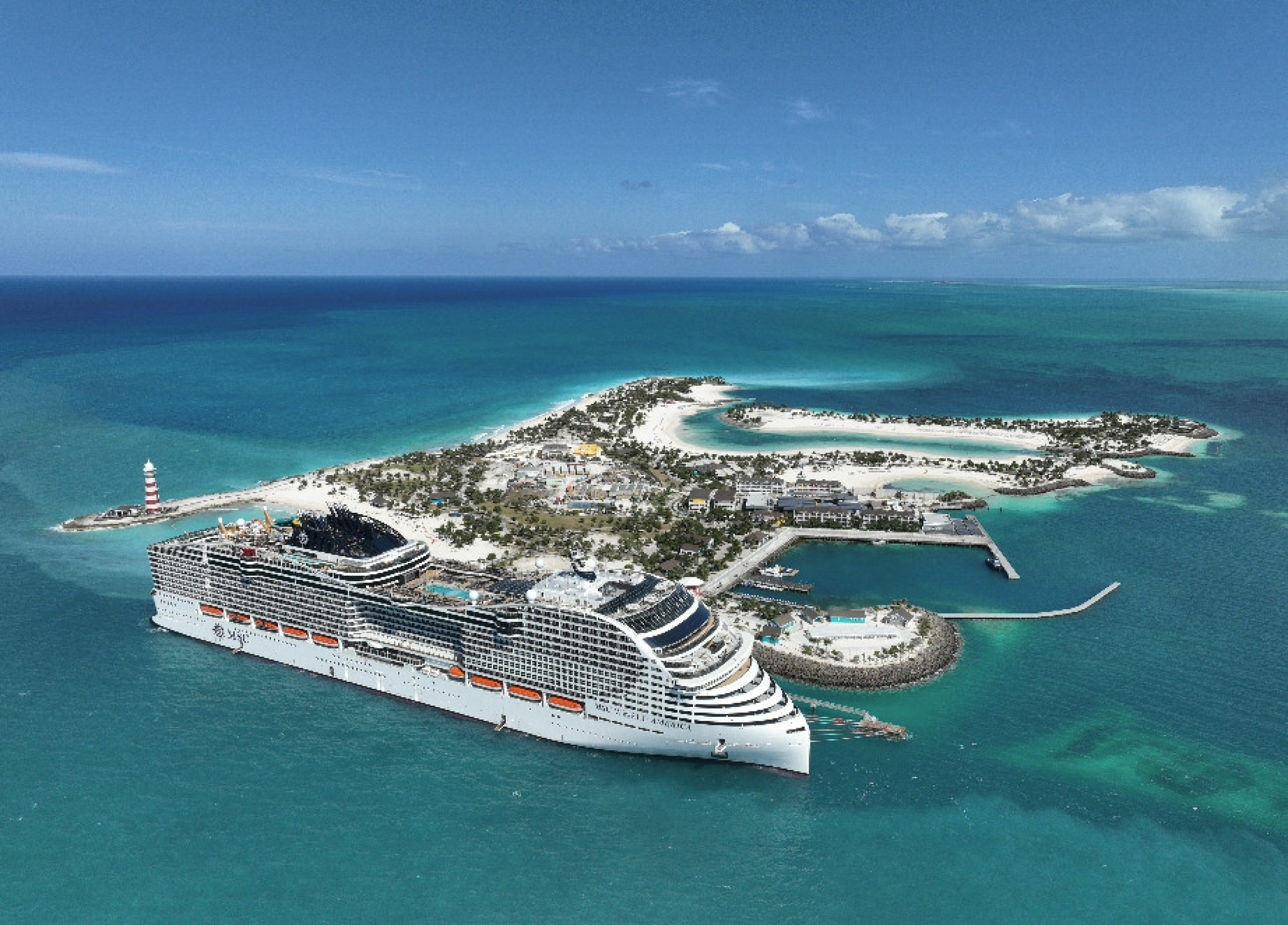 Massa (MSC): cresce voglia di vacanza sul mare, traina il Mediterraneo01 ottobre 2026
 Federalberghi Bardonecchia, Massa è il nuovo presidente12 gennaio 2026
 Italia centrale per MSC, Massa: porti importanti al Sud, Napoli al top15 marzo 2024
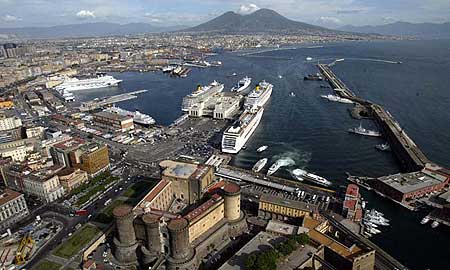 Msc punta su Napoli: Poesia e Fantasia faranno scali per tutta l’estate22 marzo 2016
 ‘Boss in Incognito’: oggi il protagonista è Leonardo Massa di Msc18 gennaio 2016
 Msc: nel 2018 crociere saranno 30% del business delle adv12 giugno 2015
 Msc presenta il catalogo valido fino a maggio 201718 febbraio 2015