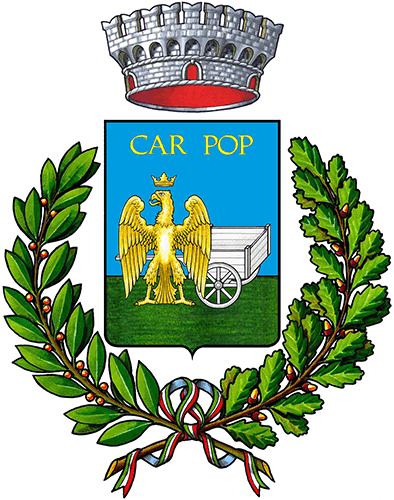
Careggine is a charming municipality in Tuscany, precisely located in the province of Lucca. The town is nestled among the natural beauties of the famous Garfagnana, with a vibrant heart at 882 meters above sea level that expresses the ancient charm of the Tuscan territory. The municipality covers a total area of just over 16 square kilometers, resulting in a hidden gem among the wonderful landscapes of the Apuan Alps range. The number of inhabitants, which in 2020 amounts to just over 500 residents, reflects the essence of Careggine as a small mountain village capable of preserving an extraordinary tranquility over time. Over the centuries, Careggine has managed to maintain its rural vocation intact, thanks to the traditional activities that have shaped its history and identity. Agriculture and livestock have always been the main sources of income for its residents, as well as marble extraction in the adjacent areas. A peculiarity of Careggine lies in its artificial lake, known as Lake Vagli. Created in 1953 for hydroelectric purposes, this body of water fascinates not only for its functionality, but also for its mysterious legend. It is said that beneath its waters lies an ancient village, completely submerged when the lake is filled. This fantastic myth fuels the interest of visitors, who find in Lake Vagli an irresistible destination for a journey to discover the wonders forgotten in ancient times. Careggine can boast a long history, with its origins dating back to the time of the Apuan Ligurians. It was an important mining center until the Middle Ages and played a strategic role in the power dynamics between Lucca and Modena. One of its most famous figures was the abbot and scientist Stefano Lorenzini, who lived in the 17th century and distinguished himself for his studies in the field of marine biology. Through the centuries, the Tuscan municipality has managed to preserve and enhance the authenticity of its medieval architecture, its splendid historic buildings are a grand example of the medieval period. Among its ancient streets, one breathes an atmosphere of times gone by, a silence interrupted only by the wind caressing the walls of the houses and the shouts of children playing in the squares. Careggine is immersed in unspoiled nature, among chestnut and fir forests, apple orchards and olive groves, where the wildlife, composed of deer, foxes, and hawks, lives undisturbed. The hilly terrain lends itself to various outdoor activities such as hiking, trekking, and birdwatching, while during winter the nearby snow-capped peaks of the Apuan Alps become a paradise for winter sports enthusiasts. Despite its small size, Careggine has managed to preserve a rich gastronomic tradition, inspired by typical Tuscan cuisine and enriched by the fruits of the land and surrounding forests. One can savor dishes based on porcini mushrooms, truffles, chestnuts, and delicious cured meats, paired with excellent quality local wines. In summary, Careggine enchants with its historical, artistic, and natural heritage and represents a perfect fusion of the antiquity of the village and the unspoiled nature that surrounds it, making it an ideal destination for those seeking peace, tranquility, and authenticity.
No membership group specified.
Careggine, located in a sublime corner of Tuscany, is more than just a mere place name in Italian geography. It is the home of prolific and vibrant local businesses that provide the lifeblood of economic vitality to this tranquil Tuscan village. Let yourself be captivated by the unique blend of tradition and innovation embodied in Careggine's local enterprises. First and foremost, gastronomy-related activities are starting to make their presence felt. Whether it's restaurants serving dishes from traditional Tuscan cuisine, enogastronomic initiatives producing fine wines and high-quality olive oils, or bakeries keeping alive the ancient craft of bread-making, the atmosphere of Careggine is immersed in scents and flavors. Another important source of vitality for local businesses is represented by the unique industry in Careggine - marble extraction. Since the days of the ancient Romans, Careggine has been known for the production of high-quality white marble. Today, the marble quarries support a thriving industry ranging from extraction companies to marble processing and sculpting businesses. It is worth visiting the local artisan workshops to admire the marble masters at work. Agriculture is another fundamental driver of Careggine's local economy. The area's farms are involved in the production of wheat, fruits, vegetables, and even the delicate and fragrant white truffle, specialties typical of these lands. Some farms focus on producing high-quality dairy products, especially goat cheeses, faithfully observing production traditions passed down through generations. Careggine is also a stronghold for the tourism industry, welcoming a significant number of visitors annually attracted by the natural beauty of Tuscany. Hotels, agritourisms, and B&Bs provide a range of options for tourists, from basic accommodations to luxury offerings. The hospitality sector is also reflected in the presence of various travel agencies that help visitors discover the lesser-known and more authentic side of Careggine. Last but not least, the local craftsmanship sector, which includes master ceramists, woodcarvers, and artistic blacksmiths, plays a significant role in the country's economy, contributing greatly to the preservation and enhancement of the rich cultural heritage of this part of Tuscany. Ultimately, Careggine's local businesses are a shining example of how a sense of community preserves and values traditions while also stimulating innovation. They offer a set of unforgettable experiences, telling a living story, a journey through the flavors, smells, sounds, and textures of the Tuscan landscape. The local businesses of Careggine, in the true spirit of Tuscany, are a celebration of simplicity, quality, and continuity.
The analysis of the territorial context of the Municipality of Careggine, with ISTAT code 46008, offers an interesting view for potential investments. With a total population of 503 inhabitants, almost evenly divided between males and females and with a small foreign component of 18 individuals, Careggine is characterized as a small-sized community. Its surface area of 24.081 sq km is predominantly mountainous, with an altitude of at least 600 meters affecting over 80% of the territory, particularly the altimetric range between 900 and 1199 meters being the most common. This geographical feature offers investment opportunities in mountain tourism-related activities, such as charming accommodations, shelters, hiking activities, and green tourism. The local real estate market, with a total of 709 registered dwellings in 2021, seems to have a significant supply of unoccupied properties (459), which could make real estate investment appealing, both for the renovation and resale of accommodations, and for the development of accommodation facilities. In the tourism sector, the provision of accommodation facilities currently consists of 3 hotels with a total of 70 beds and 4 non-hotel structures including agritourisms and rental accommodations with a total of 42 beds. The lack of facilities of a higher category than three stars, despite the presence of spaces ready for hospitality, shows a significant investment opportunity in the high-level hospitality sector. Careggine is not characterized by a wide cultural offer, as indicated by the lack of data on museum institutions; in fact, the demand for cultural tourism could be exploited to invest in the sector, perhaps enhancing local traditions and the natural environment of Western Garfagnana, the agricultural region where the Municipality is located. Regarding accessibility, Careggine is approximately an hour away from railway stations, highway access, and ports with passenger service, while the nearest airport is 94 minutes away. Although representing a limitation for fast travel, the relatively isolated position of the Municipality could prove to be a strength for those investors interested in designing tourist experiences immersed in nature and the quiet pace of life of a mountain reality. In summary, although the population is not large and accessibility is not the best, Careggine offers interesting investment opportunities, especially in the real estate, tourism, and hotel sectors, enhancing the mountain landscape, the tranquility of the place, and the demand for a vacation away from the hustle and bustle of big cities.
Careggine is a charming Tuscan municipality, immersed in the picturesque Apennine landscape, rich in historical and cultural attractions that captivate its visitors. From every corner of this town, breathtaking views of the Tuscan hills can be admired, immersed in an atmosphere of serenity and harmony with nature. The patron saint of Careggine is San Rocco; the main church, the Pieve di San Rocco, is dedicated to him, a Romanesque building dating back to the 11th century. The structure derives great charm from its simplicity: its essential lines and the sandstone with which it was built give the building a timeless charm and represent an example of Tuscan Romanesque architecture. Inside, you can also admire a fresco depicting the Madonna with Child, dating back to the 14th century, of remarkable artistic-cultural interest. Another noteworthy church is that of San Pietro, located in a small hamlet of the municipality. This church also features Romanesque architectural features, but is enriched by a Gothic bell tower that dominates the structure. The building is preceded by a small cemetery, located at the back of a large grassy field. As for monuments, Careggine can boast several historical and architectural testimonies. Among these stands out the Medici Tower, a medieval fortress also known as the Castle of Careggine, a perfect observatory to enjoy a panoramic view of the town and the entire valley. The historic center of the town, with its narrow cobbled streets and stone houses, is a jewel of typical Tuscan rural architecture, preserving its original medieval appearance. However, Careggine is not only a place to admire historical sights, but also knows how to revive its traditions through events and festivals. The most famous is the "Fiera di San Rocco", a fair held every year in August, in honor of the patron saint. The inhabitants of the town and visitors come together in a festive atmosphere, where popular culture mixes with religious devotion, enriched by local gastronomy with typical Tuscan dishes and a parade in period costume. Another significant event is the "Chestnut Festival", held in autumn. During the event, stands are set up where you can buy and taste chestnuts collected in the surrounding woods and products based on this tasty fruit, such as sweets or liqueurs. In short, Careggine manages to offer visitors a mix of history, culture, and gastronomy, popular traditions and nature, all set in an idyllic landscape, among the green Tuscan hills and the clear waters of Lake Vagli.