Located in northern Tuscany, at the foot of the Apuan Alps and overlooking the Tyrrhenian Sea, stands the enchanting town of Pietrasanta. This splendid location, rich in history and culture, boasts a privileged geographical position that has been the backdrop for numerous significant events over the centuries. The city, named after an ancient local bishop, Pietro Santo, is distinguished by its impressive beauty, which has captured the attention of many authors and artists over the centuries, who have found inspiration for their works there. Pietrasanta is a must-visit destination for those who love the beauty of both nature and art, thanks to its position between the mountains and the coast that offers breathtaking views. Composed of a charming historic center with a perfect mix of ancient walls, churches, and Renaissance palaces, Pietrasanta has preserved much of its original charm. In the small historic center, you can find narrow stone-paved streets leading to picturesque squares, surrounded by buildings of significant historical significance. Walking through these streets is like taking a step back in time. Pietrasanta is also a city with a great artistic tradition; in the past, it was a hotbed of ideas and talents that contributed to the flourishing of the Italian Renaissance. Today, it remains a place where art is alive, offering opportunities for artists and art enthusiasts who wish to explore, learn, or simply admire talented works. The marble from the nearby Apuan Alps has always been an important component of the city. This material, for its intrinsic beauty and ease of working, has been extracted and shaped for centuries by local artists, contributing to the creation of valuable artistic expressions. All these features have made Pietrasanta a unique place, where natural beauty and human creativity blend perfectly. This has led the city to be designated a "City of Art" by the Tuscany Region, a recognition that underlines the significant role it has had and continues to have in the Italian artistic and cultural landscape. In addition to its fascinating history and rich artistic tradition, Pietrasanta is also a place where you can enjoy exquisite Tuscan cuisine. The city offers numerous trattorias and restaurants where you can taste typical Tuscan dishes, accompanied by excellent quality local wines. But the true charm of Pietrasanta lies in its people, their traditions, and the typical Italian lifestyle. It is a place that welcomes visitors with open arms and invites them to immerse themselves in the local culture. So, if you have the opportunity to visit this pearl of Tuscany, do not hesitate. You will be welcomed by a city that, with its hidden treasures both natural and cultural, will never cease to amaze you.
No membership group specified.
The wonderful municipality of Pietrasanta, a jewel nestled in the region of Tuscany, stands out not only for its rich historical and artistic heritage, but also for the extraordinary vitality of its local businesses. These represent a fundamental framework of the socio-economic fabric of the area, contributing to keeping alive a tradition of craftsmanship and work culture that has its roots in centuries of history. The artisan workshops are a resource of primary importance for Pietrasanta. Here, ancient crafts that have managed to withstand the passage of time are perpetuated, being passed down from generation to generation and maintaining their charm unchanged. Among these, those linked to the art of marble processing stand out, whose heritage of skills and knowledge has been recognized by UNESCO as intangible cultural heritage of humanity. Similarly, the wineries and vineyards in the Pietrasanta area play a leading role. These businesses represent the excellence of the Tuscan winemaking tradition, producing high-quality wines appreciated worldwide. It is worth noting that the Pietrasanta area is dedicated to the production of various wine varieties, including the prized Vermentino. Continuing the description of Pietrasanta's entrepreneurial landscape, one cannot fail to mention the presence of renowned activities related to the food sector. In fact, the area is dotted with numerous agritourisms, restaurants, pastry shops, and bakeries that offer a wide range of typical Tuscan food and wine delicacies, including extra virgin olive oil, unsalted bread, and cured meats. Another significant component of the local economy is represented by small and medium-sized enterprises operating in the manufacturing industry. These are companies active in various fields, from plastics to construction materials, from iron processing to ceramics production, contributing to the economic growth of the municipality and the creation of jobs. Pietrasanta is also known for its numerous artisan fashion and design workshops, producing unique and distinctive clothing, accessories, and furnishings. These small businesses are a symbol of the high quality of Made in Italy and excellence in design and craftsmanship. Finally, a significant role in the local economy is also played by services. In the municipality of Pietrasanta, numerous companies provide professional services, such as legal, business consulting, architecture, or design firms, offering support and assistance to other businesses and contributing to the process of development and innovation of the local economic fabric. In conclusion, the local businesses of Pietrasanta contribute to shaping the face of a lively and dynamic territory. Determined to enhance their roots and traditions, these businesses embody the authentic soul of the Tuscan municipality, projecting it towards the future with a spirit of innovation and openness to the world.
Pietrasanta is a territory of 42.2685 square kilometers, located in the northern part of Tuscany, in a region nicknamed "la Versilia". With a total of 22,788 inhabitants, almost evenly divided between males (10,751) and females (12,037), the municipality stands out for its coastal nature and intermediate population density. The foreign population in the area is 1,381 individuals, which may indicate openness and cultural diversity. Real estate data shows that there are 10,264 occupied dwellings compared to 7,932 unoccupied ones, out of a total of 18,196 houses, offering many opportunities for real estate investment, both for purchase and for rent. The main driving force of Pietrasanta's economy seems to be tourism. The hotel sector is well developed, with a total of 98 hotels, predominantly three-star (3,391 beds) and four-star (367 beds). Other accommodation facilities include 23 hotel residences (1,272 beds), 96 commercially managed rental accommodations (685 beds), 3 agritourisms (30 beds), and 4 bed & breakfasts (26 beds), bringing the total number of accommodation facilities to 204, with 6,565 beds. This implies a good flow of visitors throughout the year and provides space for further investments in this sector, especially in expanding non-hotel activities. Pietrasanta also has a remarkable cultural heritage. The municipality has 4 museum institutions, which in 2020 attracted a total of 21,887 visitors. This indicates potential for the expansion of cultural and tourist programs aimed at capitalizing on the interest in the art and history of the area. In terms of accessibility, Pietrasanta is well connected to the most important transport infrastructures. The train station is 18 minutes away, while travel times to the nearest highway access and airports are 6 and 32 minutes respectively. The municipality also has access to coastal areas, making it an ideal place for those looking to invest in beach tourism. Geographically, much of Pietrasanta's territory (86.56%) is below 299 meters above sea level, while the remaining 13.43% is between 300 and 899 meters in altitude. This configuration could allow for the development of nature-related and outdoor activities. Taking into account these statistics and the data provided, Pietrasanta emerges as a territory rich in potential for investors, with a strong focus on the tourism, hospitality, real estate, and cultural sectors.
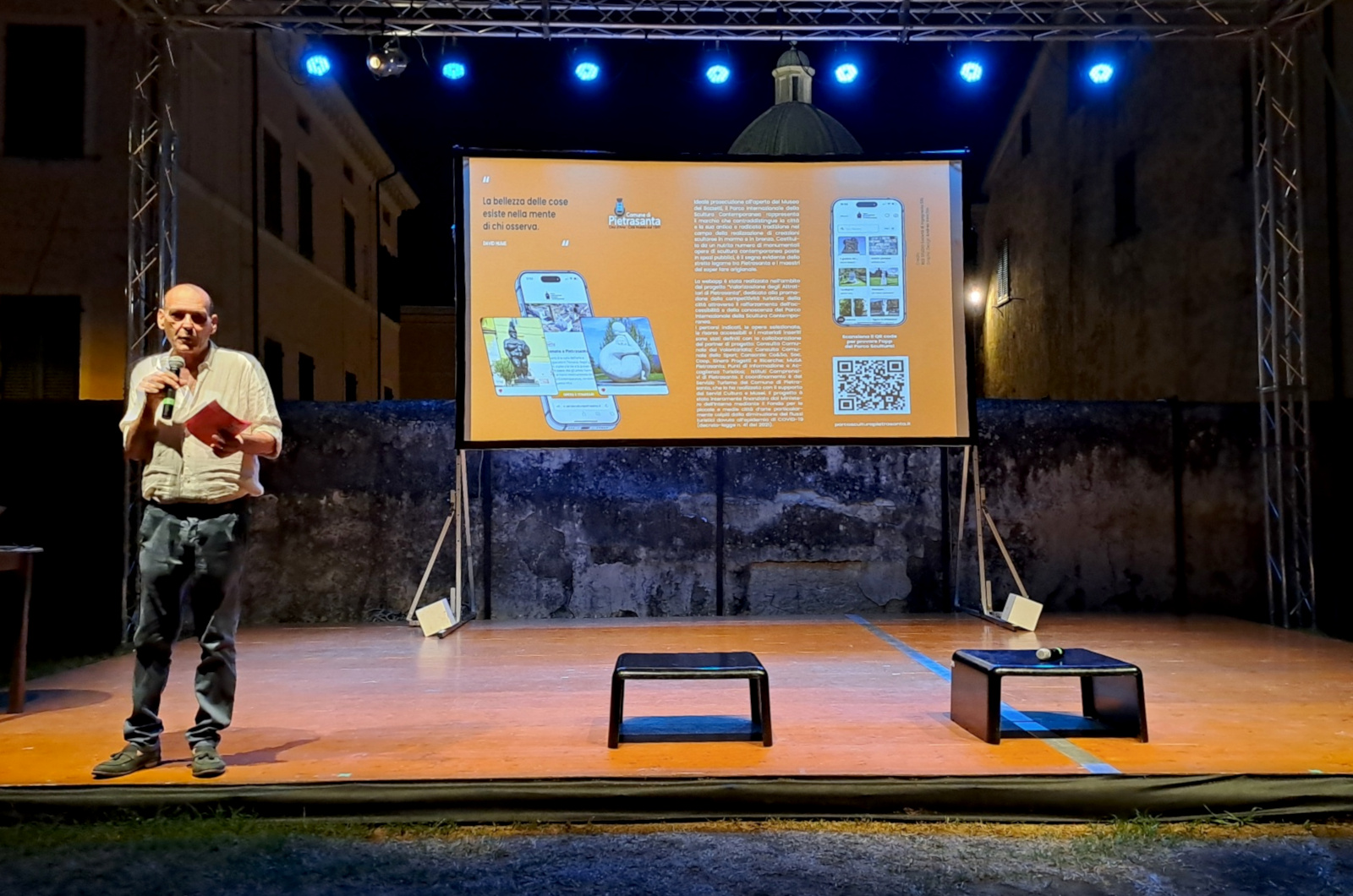
Pietrasanta, a small town in the heart of Tuscany, is a true treasure trove of artistic and religious culture. This place offers a multitude of fascinating attractions that never fail to attract tourists from all corners of the world. The Amphitheater of Piazza del Duomo is one of the most representative places in Pietrasanta. Here, every summer, various cultural and musical events are hosted, including the prestigious Versiliana Festival, dedicated to dance, theater, and music. Framing this splendid square is the magnificent Cathedral of San Martino, one of the oldest churches in the town. Characterized by a delicate white marble facade, the church houses precious works of art, including the bas-relief "Deposition in the Sepulcher," created by Michelangelo Buonarroti himself. However, San Martino is not the only saint venerated in the area. In fact, the patron saint of Pietrasanta is San Biagio, venerated in a church dedicated to him, and whose cult reaches its peak every February 3, when the traditional Feast of San Biagio is held. During this event, a procession dedicated to the saint takes place and the traditional "colombine" are distributed, sweet dove-shaped pastries symbolizing peace and prosperity. The religious culture of Pietrasanta can be further explored through a visit to the Church of Sant'Agostino and the connected convent, now home to the Museum of Maquettes. This museum houses a unique collection of maquettes (initial models of sculptures), allowing visitors to appreciate the artistic creation process. Another prominent building in Pietrasanta is Palazzo Moroni, home to the Town Hall, which houses the Mayor's office and various municipal offices. This building, erected in the 16th century, features a beautiful facade enriched with valuable stone decorations. Contemporary art also plays an important role in Pietrasanta, thanks to the presence of the Modern and Contemporary Art Gallery, an exhibition center showcasing works by internationally renowned artists. Pietrasanta is also renowned for its popular events. In addition to the aforementioned Feast of San Biagio, there is the Fish and Sea Festival, which takes place every year in July, and the Medieval Festival, an event that takes the entire city back in time with historical reenactments, costume processions, and outdoor banquets. Pietrasanta is a town that offers a perfect blend of history, art, and popular traditions. A place where every corner tells a piece of the past and where art is experienced in full, among sculptures in the alleys, artisan workshops, and cultural events.