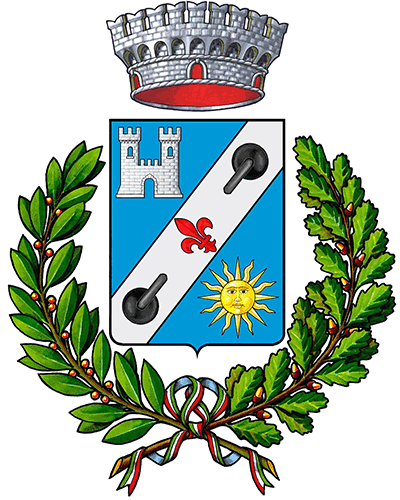
Stazzema is a charming municipality nestled in the heart of the Apuan Alps, in the Tuscany region of Italy. Located on the western slope of the mountain range, it enjoys an immense natural richness, with a multitude of forests, meadows, and wonderful views. The origin of Stazzema dates back to the Etruscan and Roman era; its history, traditions, and monuments make it a place full of timeless charm. The municipal territory covers an area of 102 square kilometers and, according to the most recent data, has just under 3000 inhabitants. Despite its relatively small size, Stazzema boasts an impressive mosaic of 17 hamlets scattered throughout its territory. The most important hamlet is Pietrasanta, a cultural reference for its rich history and fascinating monuments. Other hamlets include Arni, Levigliani, Pruno, Pomezzana, Farnocchia, and Cardoso just to name a few. The climate of Stazzema can be defined as maritime, characterized by mild winters and moderate summers, with temperatures rarely exceeding 30 degrees Celsius. Precipitation is evenly distributed throughout the year with a slight predominance in autumn and spring, making the landscape always lush green. One of the key events in the history of Stazzema is the Massacre of Sant'Anna, which took place on August 12, 1944. This tragic episode deeply marked the local community and the collective memory of Italy, prompting the municipal authorities to dedicate a museum to the memory of the victims. Stazzema is also famous for its events and celebrations, including the feast of San Bartolomeo, the patron saint of the village, which takes place every year on August 24. This celebration is an opportunity for the community to come together and have fun, but it also serves to keep local traditions alive. From an administrative point of view, Stazzema is part of the province of Lucca and the Union of the Municipalities of the Apuan Alps. Its economy is mainly based on agriculture, livestock, and tourism, thanks to the beauty of its landscapes and the richness of its history. Every corner of Stazzema and its villages preserves a piece of Italian history, representing a perfect balance between the beauty of nature and cultural heritage. Although its history has sometimes been marked by episodes of pain, such as the Massacre of Sant'Anna, Stazzema today offers an example of rebirth and commitment to preserving memory. Grazing in the lush green meadows, exploring ancient forests, admiring historical architecture, and breathing the pure air of the Apuan Alps are just some of the experiences that make a visit to Stazzema so unique and unforgettable. Immersing oneself in its past, living the vibrant present, and dreaming of the future, all of this is possible in this municipality that, despite seeming small, has much to offer.
No membership group specified.
Stazzema, freely inspired by the treasures of information available online, houses a variety of local businesses that contribute to its charm and economy. At the heart of this lively local economic activity we find the production and sale of typical Tuscan products, which encapsulate the history and traditions of the area. An example is the local agricultural companies, which often integrate their production with agritourism activities. These offer guests the opportunity to enjoy the natural beauty of the area, while tasting the genuine and organic products resulting from work in the fields. The world of wine is well represented in the municipality of Stazzema, with wineries and wine companies producing quality labels adhering to the principles of modern oenology, but never losing sight of tradition. Wine tourism is present and well developed in the area, offering visitors the opportunity to explore vineyards, taste wines directly in the cellars, and even participate in the grape harvest during harvest periods. Another important sector concerns beekeeping. The presence of vast pastures and rich spontaneous flora in the territory of Stazzema allows for the production of aromatic and tasty honey, much appreciated by consumers. Local beekeeping companies, in addition to honey production, often deal with the breeding of queen bees and derived products, such as beeswax candles or propolis. In the tourism sector, the municipality of Stazzema can count on a rich and varied offer: hotels, bed & breakfasts, holiday homes, and campsites are scattered throughout the territory, offering solutions for every type of tourist. There are numerous facilities that offer targeted services, such as guided excursions or outdoor yoga sessions, to allow guests a unique and unforgettable travel experience. Local cuisine and gastronomy represent another pillar of Stazzema's economy. The venues are many and varied, ranging from inevitable Tuscan trattorias, where traditional dishes take center stage, to gourmet restaurants that reinterpret the local cuisine in a modern key. There are also bakeries and pastry shops, where you can taste the sweet and savory delicacies of the ancient Tuscan baking tradition. Finally, even local craftsmanship contributes to the economic dynamism of the country. Ceramists, carpenters, or blacksmiths work with passion and dedication, building unique objects that reflect the culture and aesthetics of the area. In summary, the local businesses of Stazzema represent an intricate mosaic, made up of ancient traditions and innovation, hard work in the fields, and bold entrepreneurial initiatives. A crucible of activities that contributes to the brilliance of a territory that has so much to offer both to those who live there and to those who visit. The municipality of Stazzema is a place where the local economy and sense of community intertwine, creating a deeply rooted life experience in the territory.
Located in the province of Lucca, Stazzema is a typically mountainous Tuscan municipality. With a population of about 2903 inhabitants, including 1464 men and 1439 women, it has a territorial size of about 80.64 square kilometers and hosts a proportionally small, but significant percentage of foreigners, around 164 individuals in total. These data may underline a society that is strongly integrated, open, and inclusive, capable of offering an interesting welcoming environment for potential investors in areas such as healthcare, education, commerce, and real estate. The residential capacity of Stazzema is high, with 3532 housing units registered as of December 2021, of which 1351 are occupied and 2181 are unoccupied. Given these numbers, the real estate sector appears particularly interesting for investors in light of the large number of unused dwellings. Accessibility to Stazzema is ensured by various transportation options, with railway stations, highway access, and airports reachable in 25, 17, and 45 minutes respectively. Stazzema also offers a unique geographical and morphological landscape, with a pleasant combination of altitudes ranging from the sea borders to almost 1500 meters. These features could stimulate investments in tourism and outdoor activities. Although Stazzema does not have hotels with a high number of stars, it offers a total of 20 accommodation facilities with 258 beds. These include agritourisms, youth hostels, alpine shelters, and commercially managed rental accommodations, suggesting that there are good opportunities to expand the offer of alternative and eco-friendly tourism in the municipality. The presence of cultural institutions such as museums, highlighted by two museum institutes that attracted 33422 visitors in 2020, emphasizes a substantial cultural heritage that can be leveraged to create added value in the tourism sector, as well as in the real estate and commercial sectors. Stazzema, despite being a sparsely populated and non-coastal municipality, presents a territory rich in potential and offers various investment opportunities. The relative proximity to crucial infrastructures, even airports and ports reachable in less than an hour's travel, along with the rich cultural heritage and attractive tourism offer, make Stazzema a place with numerous possibilities for economic and commercial development.
The municipality of Stazzema, located in the heart of Tuscany, is a harmonious blend of natural and historical beauty. Enclosed between the peaks of the Apuan Alps, this picturesque village offers visitors an experience that combines fascinating natural paths and important historical landmarks. One of the main points of interest in Stazzema is the ancient village of Cardoso, of medieval origin, which encloses a treasure trove of history and culture. Its narrow and winding streets, characteristic of ancient medieval cities, lead to the Pieve di San Bartolomeo, a building of great architectural and historical importance. Dating back to 998 AD, the church stands out for its massive structures and the gabled facade, imbued with an aura of solemnity and reverence. Another church not to be missed is that of Sant'Anna, located in the hamlet of Sant'Anna di Stazzema. This church is famous not only for its spiritual importance, but also for its historical role: it became a symbol of resistance during the Second World War, when, unfortunately, it was the scene of a tragic massacre. Today, the church is a place of memory and a monument to the resistance, while behind it is the Historical Museum of the Resistance, where testimonies and objects related to that historical period are preserved. In addition to its historical richness, Stazzema is also a true paradise for nature lovers. Mount Matanna, with its 1318 meters in height, is ideal for excursions and walks. From its peak, visitors can enjoy a spectacular panoramic view, ranging from the Tuscan Maremma to the Tyrrhenian Sea. Equally fascinating is Mount Forato, known for the suggestive natural opening that characterizes its summit. This "hole" in the mountain, seen from some angles, seems to perfectly frame the sun at sunset, creating a dreamlike natural spectacle. The cultural and folkloric aspect also plays a role in Stazzema. In July, the feast of the patron saint, San Bartolomeo, is celebrated with a series of events involving the whole village, including religious processions, food and wine festivals, and folkloric performances. Among the other attractions stands out the Pocket Watch, a fascinating mosaic made with local stones, located in Pruno. It is a peculiar abstract work by a local artist that, according to some, represents a pocket watch. In conclusion, Stazzema is a small masterpiece nestled in Tuscany, a deep and immersive experience among history, nature, and culture. The extraordinary beauty of its countryside, combined with the power of its history and the liveliness of its traditions, makes it an unmissable destination for anyone visiting the region.