
Viareggio, an Italian municipality gloriously located in the enchanting region of Tuscany, stands out as an urban agglomeration rich in natural beauty and historical culture. This jewel on the coast of the Tyrrhenian Sea in the province of Lucca is known for being a lively center of beach activities, wonderfully embracing a modern coastal lifestyle with an atmosphere typical of ancient Italian villages. The name Viareggio, derived from "Via Regia," a road that connected the city to the interior during the Middle Ages, encapsulates the ancient strategic importance of the place for Tuscany. The history of Viareggio intertwines with important events and cultural revolutions dating back to Roman times. The city hosted a reference port for Roman ships and later, during the Middle Ages, was a prosperous commercial center. Despite its ancient roots, Viareggio has undergone significant transformation over the centuries. Originally an 11th-century walled city with a small port, it developed into an industrial city in the 19th century, taking advantage of the nearby forest resources of the Apennines. This development allowed Viareggio to become a world-famous seaside destination, with wide sandy beaches that attract tourists from all over the world. Viareggio is located in an interesting geographical area. To the west, it overlooks the Tyrrhenian Sea with wide sandy beaches, ideal for beach activities. To the east, the city is surrounded by lush forests and picturesque hills that offer countless opportunities for walks and excursions. The city is also bathed by the Burlamacca River, which adds another dimension to its diverse geography. The city is famous for its rich cultural and traditional heritage. Viareggio is known worldwide for its spectacular Carnival, which has been held every year since 1873. The Viareggio Carnival boasts a centuries-old tradition in creating huge papier-mâché allegorical floats that parade through the city streets in a festive atmosphere. The Viareggio social environment is as fascinating as the city itself, as it has produced a number of eminent figures in the arts and literature, including the Nobel Prize winner for literature Giosuè Carducci and the renowned writer Mario Tobino. Viareggio still preserves the antiquity of the past while embracing modernity. The historic buildings in the city center, reflecting the Liberty style of the early 20th century, coexist with modern structures. The port area, which was once the heart of the city's commercial and industrial life, is now a lively recreational district. Overall, the city of Viareggio offers a fascinating fusion of stunning natural beauty, a rich historical and cultural heritage, lively festivities, and a vibrant social scene. It is a complete Tuscan gem, with something to offer to all those fortunate enough to visit.
No membership group specified.
Viareggio, a jewel of Tuscany, is a renowned coastal resort not only for its natural and historical beauties, but also for its lively local economy. The businesses in the Viareggio area represent a heterogeneous mosaic that combines tradition and innovation, uniquely characterizing the city's productive context. In this area, the shipbuilding sector is notable, one of the main voices of the local economy. Viareggio boasts a centuries-old shipbuilding tradition, made up of artisan skills, technological requalification, and adaptation to the needs of the global market. There are numerous shipyards along the canals of the port area that contribute to the production of prestigious boats, known not only in Italy, but worldwide. But Viareggio's economic contribution does not stop at shipbuilding. Memorable is, for example, the tourism industry. This is indeed one of the major sources of income for the Viareggio economy, thanks to a lively offer of accommodation facilities, restaurants, shops, and tourist services. The city offers a wide variety of tourist experiences, from scenic beauties, to food and wine routes, to cultural events, attracting visitors from all over the world. Local craftsmanship is another sector where Viareggio shows its splendor. The area is known for excellence in works that require great manual skill and precision, such as iron and wood processing. In particular, the craftsmanship related to the production of masks and allegorical floats for the famous Viareggio Carnival, one of the most important and characteristic events of the city, highlights the undeniable skill and creativity of local master craftsmen. And we cannot forget the lively commercial sector. Of particular importance is the city market, a place where tradition meets modernity. Here, locally made typical products are sold, masterfully crafted by Viareggio businesses. This is an important reference point for residents, as well as for the numerous tourists visiting the city. The agri-food sector is crucial, producing high-quality products recognized worldwide. The culture of good food and good wine is deeply rooted in the Viareggio area and represents one of its strengths. DOC wines, extra virgin olive oil, dairy products, fresh fish, and vegetables are just some of the excellences offered by local businesses. Finally, the services sector cannot be overlooked, a dynamic and continuously expanding sector that includes various areas, such as finance, consulting, business services, and real estate. Each sector contributes to making Viareggio's economy dynamic and diversified, capable of adapting to changes and evolving over time. Local businesses play a fundamental role in the city's economy, contributing to its growth and development through their activities.
The following report is an integrated assessment of the territory of the Municipality of Viareggio, characterized by an ISTAT code 46033. This territory, located in the agricultural region called the Versilia Plain, covers an area of 32.7261 sq km, with a perimeter of almost 30 km, and stands out for its particular geographical position as a coastal municipality and being located in an area with intermediate population density. From a demographic point of view, Viareggio has a total of 60,755 inhabitants as of December 2023, divided between 29,108 males and 31,647 females. The foreign community is represented by a total of 5,130 individuals. These data suggest a balanced demographic structure and indicate a need for a diversified range of services to meet the needs of a heterogeneous and multicultural population. The analysis of the housing supply shows a total of 38,806 dwellings, of which 28,179 are occupied and 10,627 are unoccupied. This could open up interesting investment opportunities in the real estate sector, both in terms of purchasing properties for residential or commercial purposes, and for the revitalization of development projects and renovation of existing buildings. Viareggio also offers a valid tourist and accommodation sector. The total accommodation capacity consists of 190 establishments, including hotels, tourist residences, campsites, holiday villages, rental properties, agritourism, holiday homes, and bed & breakfasts. The total number of available beds is 15,448, a significant amount that could be further enhanced. Data on accommodation facilities suggest a predominance of mid-range hotels (3 and 2 stars), indicating a potential need to invest in the high-end hotel market by enhancing 4-star hotels and introducing luxury facilities. In 2020, the Municipality of Viareggio recorded 25,814 visitors to its 5 museums and related institutions, demonstrating the cultural interest of the area. Investments in the cultural sector, both in terms of promoting existing facilities and developing new initiatives, could therefore have a positive return. Finally, in terms of infrastructure, accessibility to Viareggio is quite good. The average distance from railway stations is 6 minutes, while it takes an average of 12 minutes to access the highway network. Access to passenger ports is also facilitated, with an average distance of 38 minutes, while the nearest airport is 29 minutes away. These data, in addition to highlighting the excellent geographical position of the Municipality, also indicate the good design of transport infrastructure and could have a positive effect on future investments. In summary, the analysis of statistical data highlights an overall positive picture for the territory of Viareggio, which represents an attractive place for investments, particularly in the real estate, tourism, and cultural sectors. However, it will be important to continue to carefully monitor demographic, economic, and social dynamics to identify any new emerging opportunities or challenges.
Viareggio, a jewel on Tuscany's Etruscan Coast, is famous not only for its sun-kissed sandy beaches, but also for a wealth of cultural, historical, natural, religious, and social attractions. A must-see for visitors is the seafront promenade, a wide, tree-lined street overlooking the deep blue Tyrrhenian Sea, where art blends with Art Nouveau architecture in a unique embrace of style and elegance. Here you'll find the famous Caffè Margherita, a historic haunt of artists and intellectuals, and the celebrated Terrazza della Repubblica, which offers spectacular sea views. As a seaside town, Viareggio is renowned for its religious devotion to the patron saints of sailors. The cult of Saint Anthony of Padua, the patron saint of Viareggio, is deeply felt and solemnly celebrated during the patronal feast in June. The statue of the saint, preserved in the Church of Sant'Antonio di Padova, also dedicated to him, is carried in procession through the city streets in a festive celebration of faith and tradition. The Church of San Paolino, on the other hand, stands out for its extraordinary architectural beauty. This neo-Gothic-style religious building is embellished with Carrara marble details that create unique plays of light with the stained-glass windows, making the church a fascinating and evocative place. But Viareggio is not just history and tradition; it's also fun and celebration. The city is world-famous for its Carnival, one of Italy's oldest and most beloved celebrations, which annually brightens the city streets with allegorical floats, masks, and music. During the summer months, the Puccini Festival offers a rich calendar of operatic events in the evocative setting of the Grand Duke Leopold's open-air theater in nearby Torre del Lago. But it doesn't end there. A love of nature and outdoor activities finds expression in the city's numerous parks and pine forests, such as the Parco della Pineta di Ponente, the Darsena, and the Migliarino San Rossore Natural Park, ideal places for immersive walks amidst the greenery. The city is also home to Villa Puccini, where the great composer lived and worked, now a museum open to the public, preserving manuscripts, musical instruments, and the artist's personal belongings. Finally, Viareggio's maritime tradition cannot be overlooked, with its port and shipyards, where some of the world's most luxurious yachts, symbols of Italian craftsmanship, are splendidly built. Food and wine also play a prominent role, with fresh seafood dishes such as bavetta alla viareggina and the typical Tuscan extra virgin olive oil. Viareggio, therefore, is this and much more, encompassing history, culture, nature, and entertainment, a city that manages to amaze and excite in every facet.
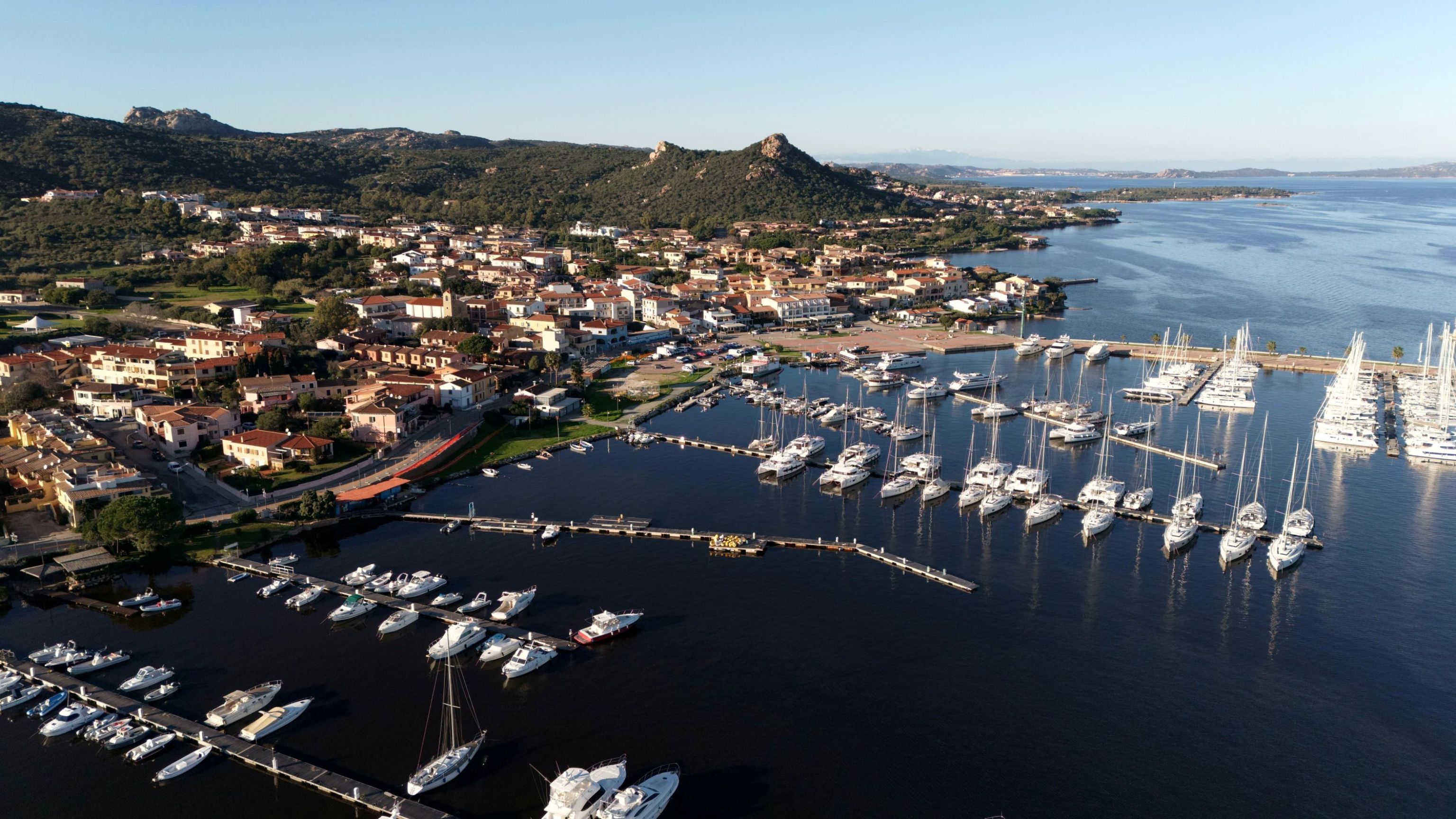 Sarà Arzachena ad ospitare il network G20 Spiagge06 maggio 2026
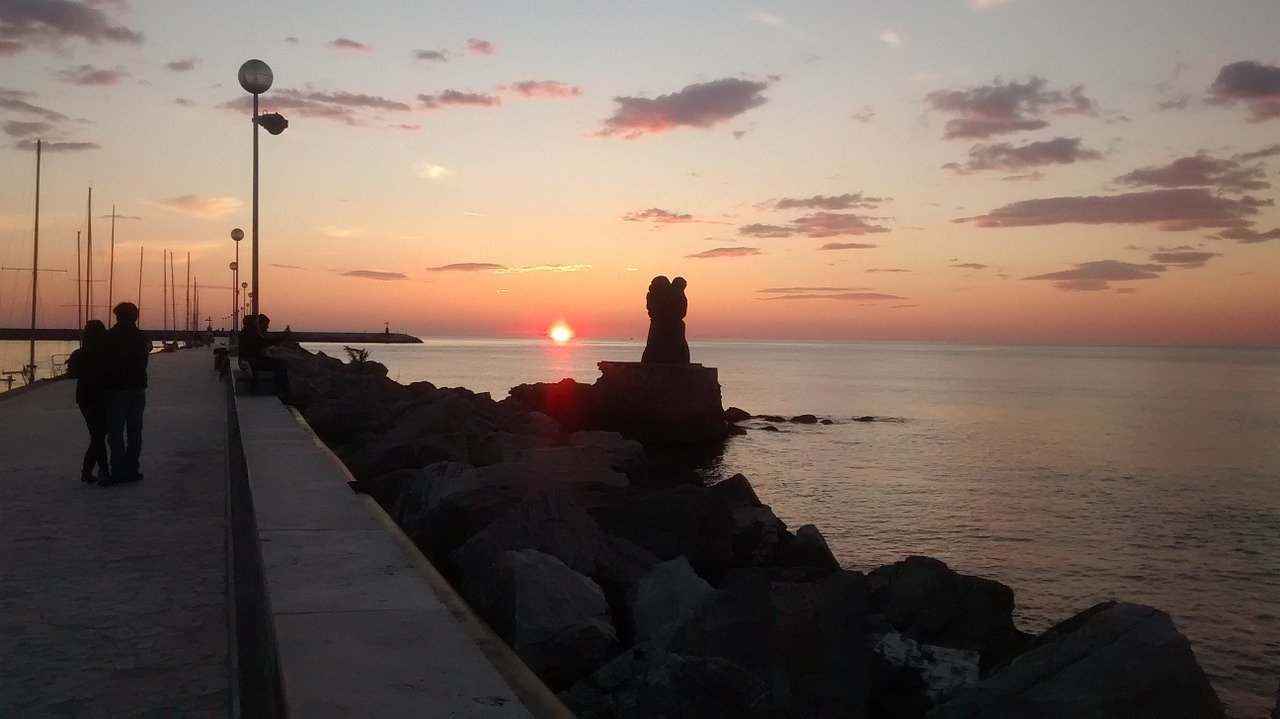 Viareggio, al via lavori all’approdo turistico per 5,3 mln16 dicembre 2025
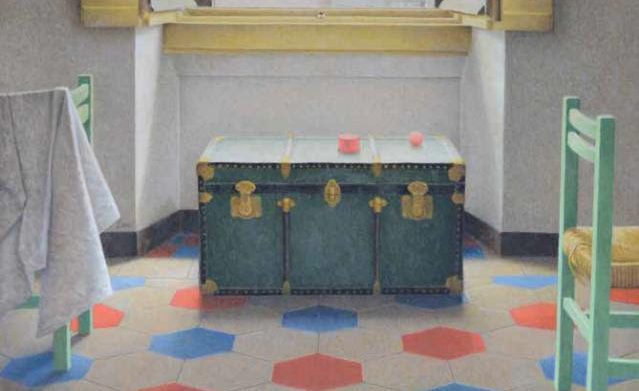 Viareggio celebra Luino: in mostra ‘Il pensiero dipinto’27 ottobre 2025
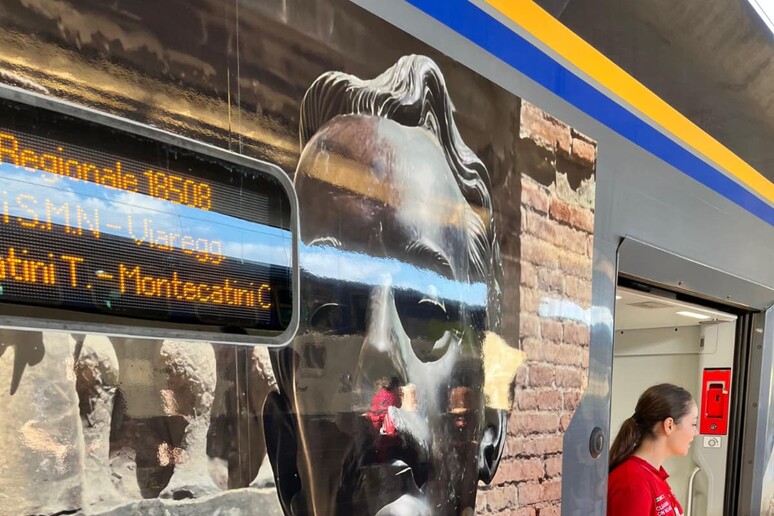 Viaggio inaugurale per il treno dedicato a Giacomo Puccini25 settembre 2025
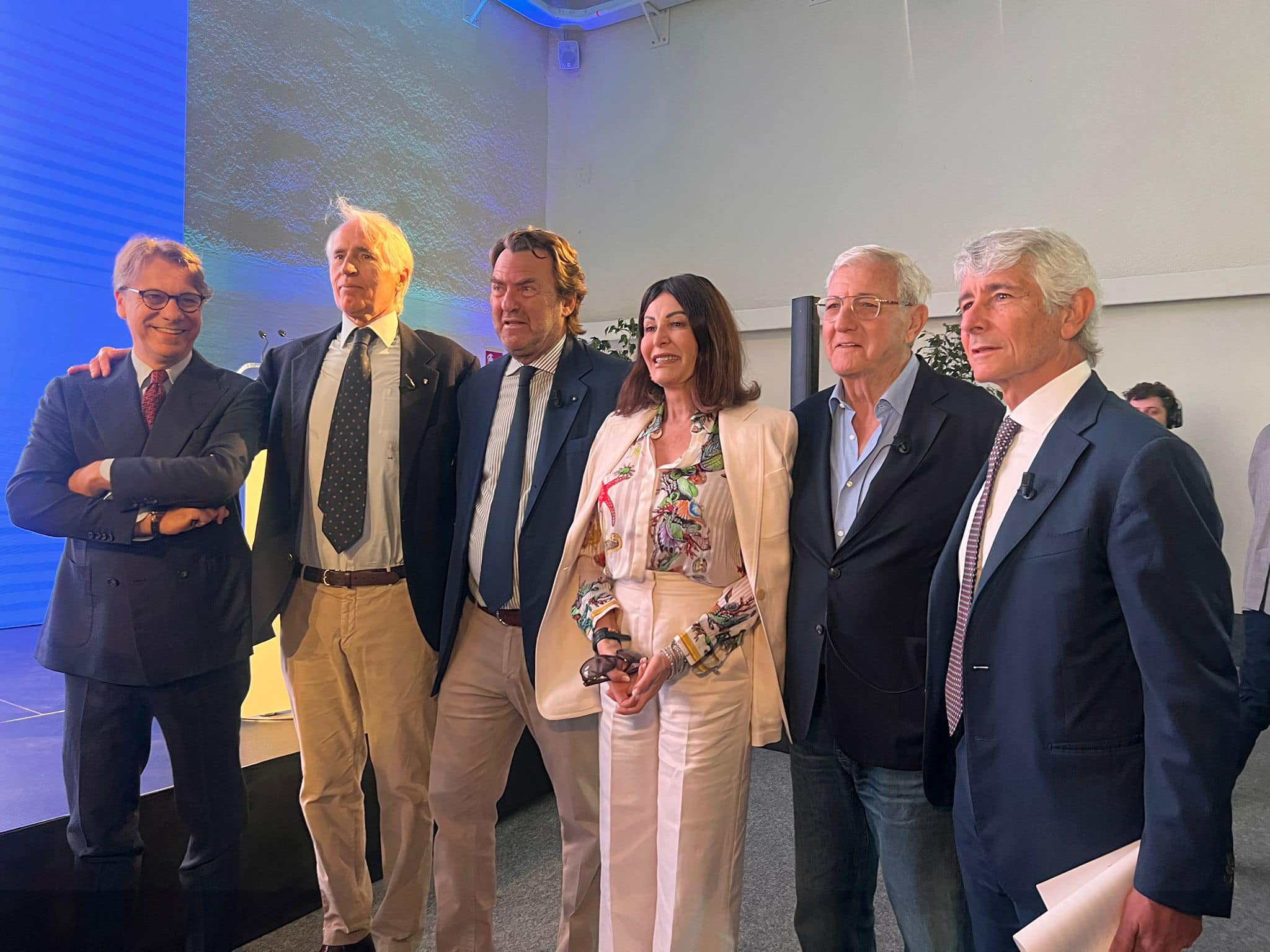 A Viareggio 74a Assemblea Federalberghi, Bocca: grandi eventi assist per turismo13 maggio 2024
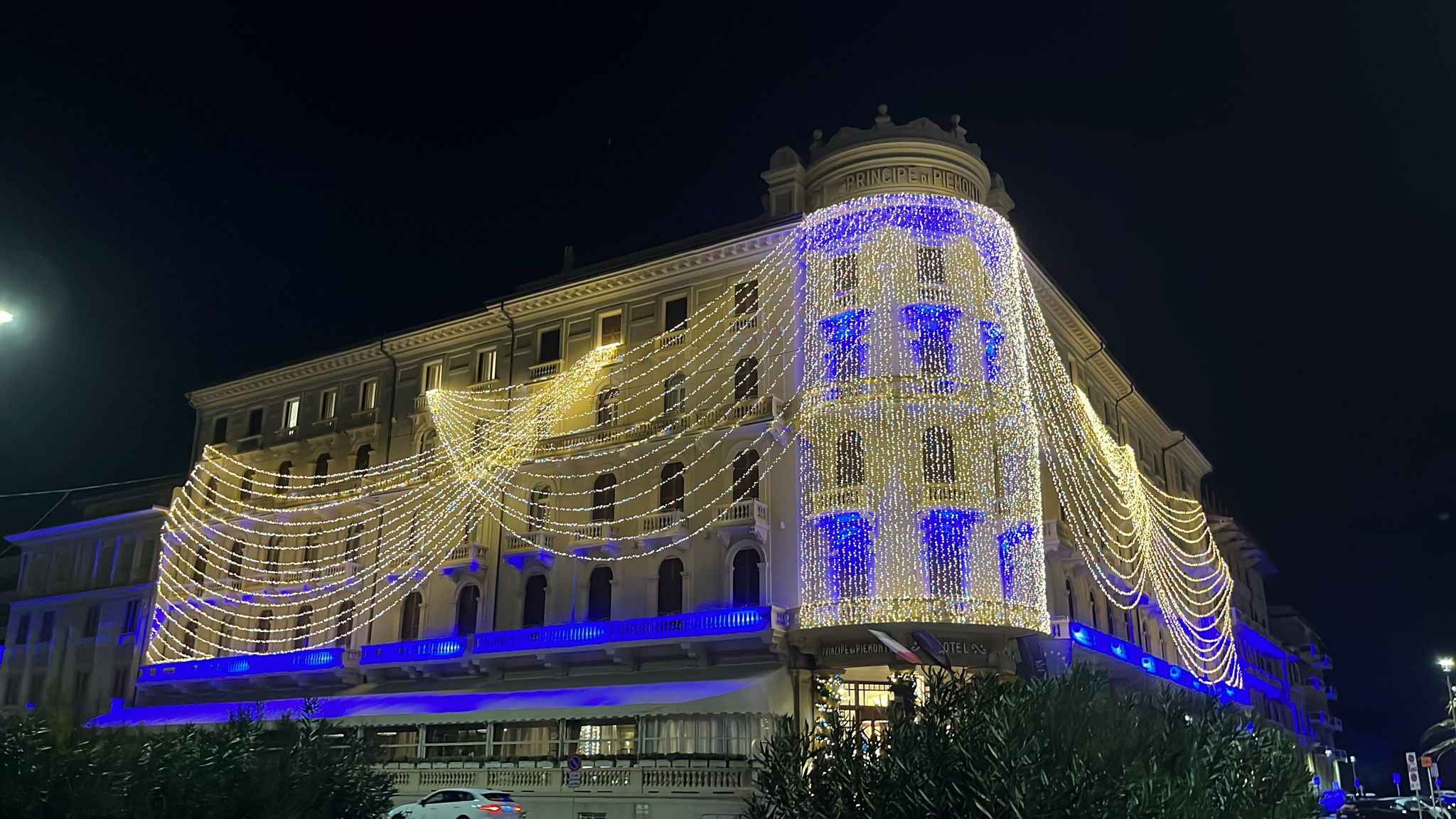 +18% per il 2023 del Grand Hotel Principe di Piemonte, e ora si aspetta il Natale05 dicembre 2023
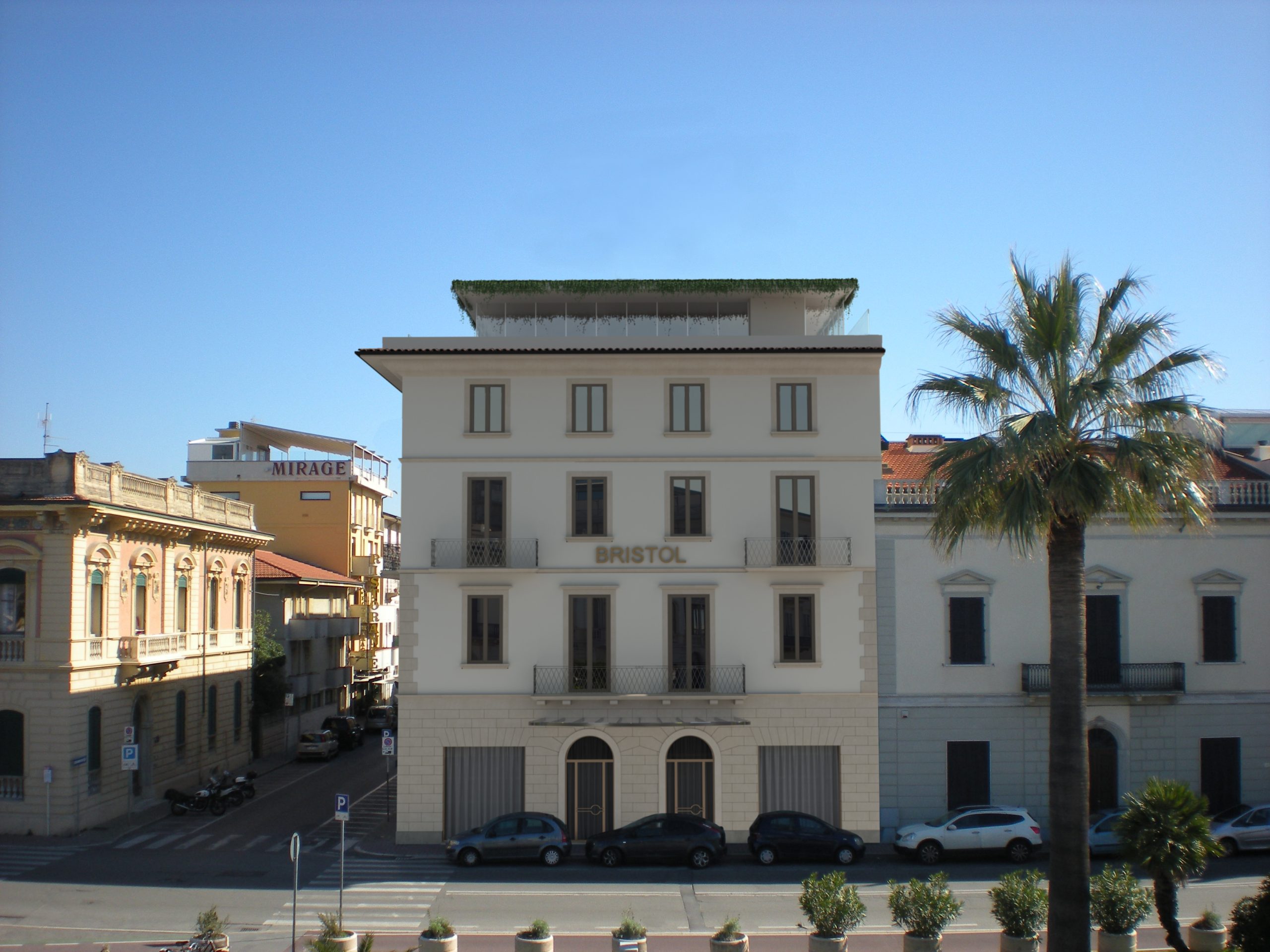 Gruppo Bulgarella investe 11 milioni per rinnovare due strutture a Viareggio18 ottobre 2023
 ‘Glamour per una notte’, il TO incontra gli adv a Viareggio30 marzo 2023
 A Viareggio taxi, balneari e ristoratori fanno fronte comune contro le multinazionali10 gennaio 2022
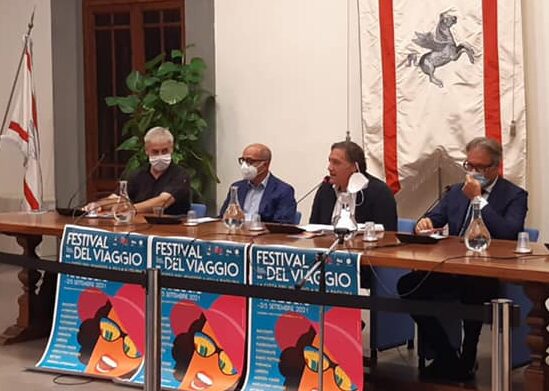 Festival del viaggio ai nastri di partenza a Viareggio31 agosto 2021