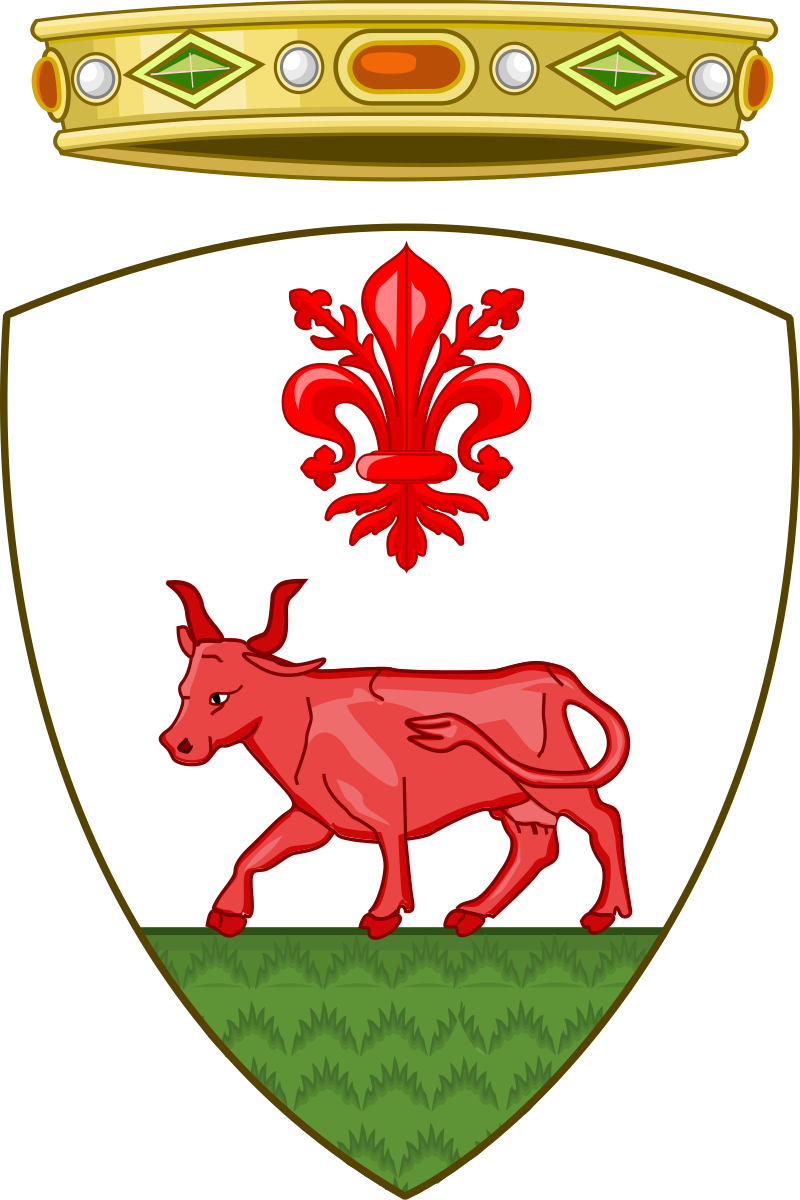
Located in the green heart of Tuscany, on the slopes of the beautiful hills of Valdinievole, lies the enchanting municipality of Buggiano, a place that shines with history and culture reflected in the winding streets and thousand-year-old houses. With its 8702 inhabitants, spread over an area of about 24.7 square kilometers, this prospective municipality maintains intact the classic elements in typical Tuscan style and stands out from other territories for its unique character and authentic vibe. Buggiano is so rich in history that every corner speaks of signs of the past. Founded in Roman times, it has passed through the eras of feudalism, medieval communes, regional dominions, and national states, thus rightfully entering the list of the most fascinating villages in Italy. The villages that make up Buggiano are ten in total, each with its own distinctive personality. Among these, Buggiano Castello is undoubtedly the jewel in the crown, located on the hills and offering a panoramic view of the surroundings. Here, cobbled streets wind through imposing historic buildings and splendid villas, some dating back to the medieval period. The historic center is marked by the rhythm of numerous churches, inherited from the Renaissance era, providing an extraordinarily picturesque setting. As a municipality, Buggiano has a long tradition of autonomy and self-government. Despite being subject over the centuries to numerous dominions, including those of Lucca, Florence, and the French Empire, it has always regained its independence. One of the reasons for the municipality's independence is its economy, centered around agriculture, particularly the cultivation of olive trees and the production of excellent quality olive oil. At the same time, its privileged location has allowed its inhabitants to enjoy the riches of the land and the opportunity to easily trade with neighboring regions, such as Valdinievole. Buggiano is not only a place rich in history and culture, but also a very lively municipality. Cultural events and festivities take place throughout the year, offering its residents and visitors many opportunities to immerse themselves in the Tuscan way of life. Among the events, one can mention the celebrations for the patron saint festival of San Lorenzo, a great opportunity to experience the festive atmosphere of the place. One of the most distinctive features of Buggiano is undoubtedly its people: hospitable and warm individuals, proud of their roots and always ready to enthusiastically welcome visitors from all over the world. In conclusion, Buggiano is a place worth discovering. A journey here is an opportunity to immerse oneself in an authentic Tuscan experience, among historical and natural beauties, exquisite local dishes, and a loving community that makes everyone feel at home. Whether you are looking for a quiet retreat to relax or a base from which to explore the wonders of Tuscany, Buggiano is an option that will not disappoint you.
No membership group specified.
The Tuscan town of Buggiano hides a lively entrepreneurial fabric, despite its modest size. Located in a strategic position, this small medieval village situated between the Valdinievole and the Montecatini Hill, sees the presence of several local companies that contribute to its economy. One of the most important sectors for the economy of the municipality is certainly agriculture. The privileged geographical position, the mild climate, and the rich fertile lands of Buggiano favor the production of quality varieties, achieved thanks to the hard work of local farmers. In the countryside of Buggiano, it is possible to find olive groves that produce high-quality extra virgin olive oil, cultivated with traditional techniques that respect the environment and the natural cycle of the plants. In addition to oil, the municipality's lands are ideal for wine cultivation, with numerous wineries producing prestigious wines, appreciated both in Italy and abroad. Another sector that contributes to the economic vitality of the municipality of Buggiano is craftsmanship. The artisan tradition of Buggiano is characterized by the high quality of products and attention to detail. The art of ceramics, for example, has very ancient roots and still today can boast a series of workshops dedicated to the production of pottery, jewelry, and decorations. These workshops represent the beating heart of the local tradition, places where artisans are engaged every day in creating unique and exclusive works. Always linked to the world of craftsmanship, but with very different characteristics, is the field of furniture. Buggiano is home to several carpentry and custom furniture companies. These businesses, led by woodworking masters, stand out for the production of high-quality furniture and furnishings, made entirely by hand with traditional techniques. There is certainly no shortage of activities related to the world of services, from tourist accommodation to catering. Here, Tuscan hospitality manifests itself in all its warm authenticity. From small and welcoming inns to agritourisms immersed in nature, Buggiano offers a range of services that promote conscious and quality tourism. The municipality's catering is a perfect blend of tradition and innovation. The numerous local trattorias, often run by families, serve typical dishes of the Tuscan tradition, made with fresh and seasonal ingredients, often directly from the surrounding lands. Finally, Buggiano boasts a strong presence in the light industry sector, with companies active in the field of metalworking and packaging production. With this fascinating variety of economic activities, Buggiano is an example of how a small but lively municipality can contribute to the wealth and diversity of a region's economy, while at the same time keeping alive the values of tradition and craftsmanship.
Buggiano, a diverse municipality located in the beautiful Tuscan region, presents itself as a fertile ground for investment opportunities. With an ISTAT code of 47003, the community is home to 8725 residents, slightly skewed towards the female gender - 4209 men compared to 4516 women - a potentially interesting data point for investors in the retail and service sectors. The large surface area of the municipality, which extends for over 16 square kilometers, offers ample space for development. Among the 4567 dwellings, 3782 are occupied while 785 are available, indicating a stable real estate market and the possibility of expansion in residential and commercial areas. There is a significant foreign component in the population, totaling 786 individuals, highlighting a diverse and inclusive socio-cultural environment. The limited presence of hotel facilities could represent an interesting growth space in the tourism sector. Currently, there are only two hotel-type structures, one of which is a tourist residence, with a total of 28 available beds. In addition, there are 16 non-hotel businesses, including agritourism and rental accommodations managed as entrepreneurial ventures, totaling 179 beds. An investment aimed at developing the hospitality sector could represent a significant economic growth opportunity, especially considering that Buggiano lacks campsites or bed & breakfasts. Accessibility to the community is ensured by a good transportation infrastructure, with railway stations and highway access at distances of approximately 37 and 8 minutes respectively. Airports and ports are slightly further away, at 41 and 50 minutes respectively, making Buggiano easily accessible by both land and air. The location of the municipality, characterized by hills and the Nievole valley, offers a picturesque landscape and the opportunity to attract hiking and green tourism enthusiasts. Despite the center's altitude being only 41 meters and not being a coastal municipality, most of the territory is located in the 0-299 meter altitude range, which could offer interesting spaces for real estate investments. The economy of the municipality, part of an area with intermediate population density, could benefit from investments focused on the development of small and medium-sized enterprises, especially in the tourism and cultural sectors. However, given the lack of data on museums and cultural institutions, it is believed that this sector could still be explored and enhanced. In conclusion, Buggiano offers a series of interesting investment opportunities, although there are areas that require further development. Investors may find value in promoting the economic growth of the territory through initiatives in the tourism, real estate, and entrepreneurial innovation sectors.
Buggiano, a picturesque Tuscan town, possesses an intoxicating charm born of centuries of history, culture, and traditions. This small village, nestled among the rolling hills of Tuscany, still retains much of its authentic medieval charm, which blends with the enchanting natural landscape surrounding it. Listening to the passing of the hours here is like calming the soul's restlessness amidst art, history, sacredness, and flavor. The town's patron saint is San Lorenzo, to whom Buggiano's main church is dedicated. The Church of San Lorenzo is a jewel of sacred art, endowed with priceless architectural beauty. It is especially famous for housing the precious 16th-century wooden choir, a marvelous, majestically carved Renaissance work. Another noteworthy church is the Church of San Giovanni Battista, located in the district of Buggiano Castello. This charming church, dating back to the 11th century, houses precious frescoes depicting episodes from the life of the Saint, as well as a striking stone bell tower. The church's charm also lies in its magnificent rose window, which overlooks the main entrance. Buggiano's artistic heritage is further enriched by secular buildings such as the Palazzo Pretorio, a symbol of ancient civic power; the Palazzo del Municipio, a 17th-century building whose elegant lines capture the gaze of those in the square; and Villa Bellavista, which nobly connects past and present, nestled in the majestic beauty of the Tuscan hills. However, Buggiano's attractions extend beyond its monuments and churches. This vitality also spills over into the popular traditions and festivities that mark the rhythm of life in the town. Of particular importance is the Feast of San Lorenzo, celebrated annually on August 10th, during which a variety of religious and secular events take place, including a spectacular fireworks display that lights up the sky at dusk. And how could we forget the culinary delights this corner of Tuscany has to offer? Among the many festivals held throughout the year, the "Sagra della Panzanella" stands out, celebrating this ancient Tuscan recipe and the excellent local wine. Here, in addition to tasting the classic Panzanella, you can savor other traditional dishes that pay homage to local recipes. Ultimately, Buggiano is a microcosm that manages to encapsulate so much in so little, like a rosebud opening to the sun. A place that conjures images of frescoes in cloisters, ancient stones immersed in greenery, authentic flavors, and a profound sense of belonging and tradition. So, when are you planning to visit this corner of Tuscan paradise?