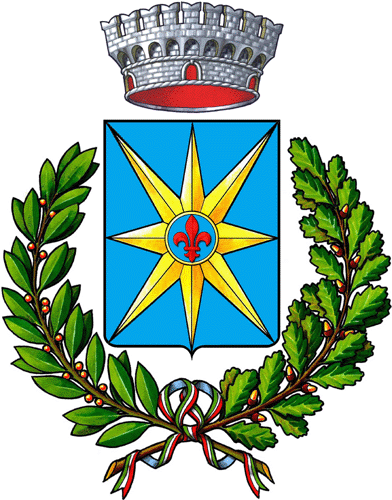
Nestled in the heart of Tuscany, the picturesque town of Larciano, located in the province of Pistoia, offers a balanced combination of history, culture, and nature, making it an authentic hidden gem among the charming Tuscan hills. Larciano covers an area of about 27 square kilometers, a short distance from the renowned cities of Florence and Pisa. Immersed in a rural landscape of incomparable beauty, Larciano offers an authentic glimpse of Tuscany, away from the hustle and bustle of the more well-known tourist destinations. The population of the town, which is around 6,000 inhabitants, is distributed between the town center and the more peripheral areas, the hamlets, in a harmonious fusion of tradition and modernity. The origin of the name Larciano is shrouded in mystery. Some claim that it dates back to Roman times and refers to the presence of a wealthy patrician named Lartius. Another theory mentions a type of wood, arziale, which was widespread in the area in antiquity, from which the name may have derived. History tells that Larciano has ancient origins, being inhabited since prehistoric times. There are testimonies from the Roman era, and in the Middle Ages it became an important feudal center, with the construction of an imposing castle, which testifies to the historical and strategic importance of the area. Larciano is famous for its wealth of natural resources. The landscape is characterized by rolling hills, covered with olive groves and vineyards, with valleys where fresh streams flow. Part of the municipal territory is made up of the Padule di Fucecchio Nature Reserve, the largest internal marsh in Italy, certainly a prominent place for nature and birdwatching enthusiasts. The climate of Larciano is typically Mediterranean, with mild winters and hot but ventilated summers, thanks to the proximity of the Tuscan-Emilian Apennines. Its favorable position makes it an ideal destination for those seeking rejuvenating rest in the tranquility of the countryside, without giving up the possibility of cultural trips to neighboring locations. Larciano is also known for its gastronomic specialties, a perfect expression of Tuscan cuisine. Extra virgin olive oil, Chianti wine, cereals, fresh vegetables, and cured meats are some of the typical products of the area, enhanced by age-old recipes passed down from generation to generation. But it is its rich history and deep sense of community that make Larciano a special place. The locals, with their warm welcome and their passion for tradition, are the backbone of this town, and their dedication to the preservation of cultural and natural heritage is evident in every aspect of daily life. In summary, Larciano is a place where history, culture, and nature intertwine in a harmonious blend, making every visit an unforgettable experience. A destination of absolute value for those who wish to immerse themselves in the authentic heart of Tuscany.
No membership group specified.
In the heart of Tuscany lies Larciano, a small municipality that shines with a brilliant entrepreneurial spirit. The economic activities in Larciano are a vibrant mix of traditional roots and innovative novelties, characterized by both small family businesses and larger, established industrial realities as well as multiple services. A prominent role is given to agriculture, which maintains its close connection with the land, giving birth to a multifaceted range of local products. The most important activities are related to viticulture and olive growing, which take place in the fertile hilly landscapes diligently mowed by the wind. The skilled hands of farmers bring to life high-quality wines and olive oils, products proudly known and appreciated throughout the region. There are also many farms that specialize in the production of fruits and vegetables and in breeding. People devotedly engaged in the art of agriculture provide fresh products daily, contributing to the health and prosperity of the community and fueling the production of exquisite local dishes that give a distinctive flavor to Tuscan cuisine. In addition to agriculture, Larciano boasts a highly developed and eclectic industrial sector, with companies active in various fields. From the metalworking sector to furniture, clothing, and sports articles, local factories provide employment to a good part of the population. Among the main players in Larciano's industrial landscape, some excellent companies stand out: a prestigious reality is that of the textile sector, with long-standing companies producing high-quality clothing, exported to many countries around the world. In parallel, the furniture industry boasts true excellence with companies that combine skilled craftsmanship with innovative design. The metalworking industry also deserves a special mention: from small mechanical workshops to companies specialized in the production of machinery and high-precision components, these companies make a significant contribution to the local economy, combining high-level technical skills with a constant commitment to research and innovation. The services sector, finally, is another important pillar of Larciano's economy. From education to healthcare, through trade and catering, local services are essential to guarantee the quality of life of the population and to support the development of businesses and commercial activities. In conclusion, it is evident that Larciano is a municipality distinguished by its economic dynamism. The variety of its entrepreneurial offer, combined with the presence of a diversified and solid productive fabric, constitutes a valid engine of growth and development. Larciano is therefore an example of how small communities can have a significant impact on local prosperity, demonstrating a strong capacity for innovation and entrepreneurial spirit.
The Municipality of Larciano, identified by the ISTAT Code 47006, is located in the hills of the Ombrone Pistoiese in the homonymous agricultural region coded as 4703. With a territorial area of 24.96 square kilometers, this territory belongs to the degree of urbanization of areas with intermediate population density. The total population of Larciano is estimated at 628 inhabitants in 2023, with a slight imbalance in favor of females representing 51.11% of the total, compared to males at 48.89%. It is important to emphasize the presence of a significant foreign community, consisting of 542 individuals, of which 299 are females and 243 are males, representing approximately 86.29% of the total population. It can be deduced, therefore, that Larciano is a welcoming place open to integration. In terms of housing, Larciano records a total of 3,285 dwellings, of which 2,537 are occupied and 748 remain unoccupied. These could be important indicators for investors in the real estate sector, potentially directing investment opportunities towards the redevelopment of the existing housing stock or the development of new housing projects to accommodate the population increase. The evaluation of Larciano's tourist offer is interesting. The municipality has only one hotel establishment, with a total of 69 beds, 33 rooms, and 33 bathrooms. However, it has 14 non-hotel establishments including 2 rental accommodations managed as businesses and 12 agritourisms, offering a total of 249 beds. Furthermore, there are 2 museum institutions that recorded 2,168 visitors in 2020. These data may indicate potential for Larciano in the field of cultural tourism and rural tourism, focusing on its local specificities and promoting authenticity and sustainability. As for accessibility, Larciano is well connected at the infrastructural level. It is 17 minutes away from highways and 48 minutes away from active passenger railway stations. Airports can be reached in about 53 minutes, while passenger ports are 60 minutes away. This relative proximity to major transport hubs can make it a strategic location for commercial development or other activities that require good access to transportation. In summary, Larciano may present various investment opportunities in the real estate, tourism, and cultural fields, relying on a relatively stable population, a considerable number of foreigners, a variable housing offer, and a significant number of non-hotel accommodation establishments. Potential challenges may include the large number of unoccupied houses and the lack of a diversified hotel offer. Finally, its geographical location and good infrastructural connections can open up further opportunities and attract potential investors.
In the heart of Tuscany, among the rolling hills of the Bruna Valley, lies Larciano: an artistic, historical, and natural oasis captivating with its blend of colors, scents, and flavors. This town, perfectly nestled like a jewel amidst lush vineyards and olive groves, offers visitors a journey back in time through monuments, churches, and unique events. The first place to visit is undoubtedly the ancient Larciano Castle, once an important medieval fortress defending the territories of the Archdiocese of Lucca. The building's sturdy walls express all the power and grandeur of its time, and the elegant tower offers breathtaking views of the surrounding Tuscan landscapes. Inside, a museum exhibits a wealth of artifacts that narrate the history, culture, and ancient traditions of the area, allowing visitors to fully immerse themselves in the atmosphere of the past. Among Larciano's religious sites, the Pieve di San Silvestro stands out, a true 12th-century Romanesque jewel that exudes a sacred and mysterious aura. This ancient structure enchants with its simple beauty and its history tied to the town's patron saint, San Silvestro, to whom the patronage and traditional annual festival are also dedicated. Every year on December 31st, the community of Larciano gathers in honor of San Silvestro, celebrating a popular festival rich in rituals, music, and local flavors. A true hub of Tuscan folk culture, it draws tourists from around the world to discover the ancient traditions of this land. Among the area's churches, the Church of Santa Maria Assunta also deserves mention, characterized by a refined architectural style and a relaxing, welcoming atmosphere that makes it perfect for moments of reflection and prayer. And how could we not mention the "Le Vie del Vino" event, held annually in Larciano? A festival celebrating wine, the undisputed protagonist of the local culture and economy. This exciting event guarantees a weekend dedicated to discovering Tuscany's fine wines, with tastings, live entertainment, and educational sessions to learn the secrets of winemaking. But Larciano offers more than just history and culture; the town is nestled in the magnificent San Donnino Park, an urban park where you can relax and stroll among centuries-old trees, flowerbeds, and tranquil lakes. A corner of paradise where you can enjoy the beauty of nature in the heart of Tuscany. In short, Larciano is a town that expresses the essence of Tuscany in all its splendor. With charming churches, festivals celebrating good food and wine, and cultural events enriched by the beauty of a pristine natural landscape, Larciano is an unmissable destination for anyone who loves culture, history, and natural beauty. A journey that will leave your heart filled with unforgettable memories.