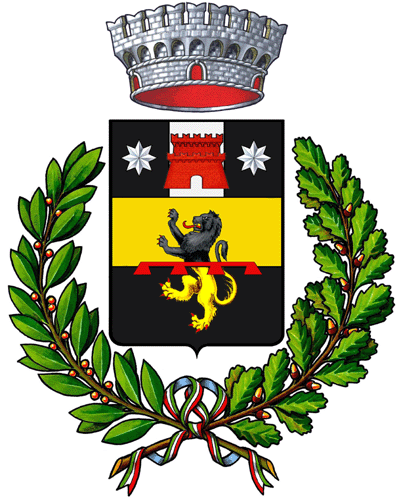
Immersed among the green hills of Tuscany, Pelago is a Florentine municipality with a charm waiting to be discovered. Located at the eastern end of the province of Florence, the municipal territory of Pelago covers an area of about 54 square kilometers. It is a place where nature, history, and culture blend together, offering the visitor unique emotions. Pelago has a history that dates back to the Etruscan age, as evidenced by various archaeological finds. During the Middle Ages, the territory of Pelago saw the growth of monasteries and castles, some traces of which can still be admired today. Over the centuries, the area has seen the flourishing of various activities, from olive cultivation to wine production, through wool processing, confirming the rural vocation of this area of Tuscany. The territory of Pelago is characterized by a wide variety of landscapes, ranging from lush hills of vineyards and olive trees to the Apennine mountains. Wherever you look, the panorama is dominated by the green of nature and the roofs of small villages scattered throughout the area. Each season adds new shades to the landscape, making Pelago a constantly evocative place. The capital of the municipality develops around the main square, where the church of Santa Maria stands out. The stone houses, cobbled streets, and characteristic alleys create an atmosphere of times past, inviting the visitor to be enveloped by the tranquility of the place. There are also dining options where you can taste the flavors of Tuscan cuisine, its delicacies, and its fine wines. Pelago also offers pleasant opportunities for hiking and nature walks enthusiasts. Numerous trails wind through woods and hills, offering breathtaking panoramic views. Some of these paths follow ancient communication routes, used over the centuries for trade and transportation, testifying to the various phases of the history of this territory. As for the economy of the municipality, Pelago still maintains a strong agricultural imprint today, with an important production of olive oil and wine. However, there are also activities related to the service sector, especially those related to tourism. In fact, despite its small size, Pelago is able to offer visitors numerous services, making their stay pleasant and comfortable. Despite its proximity to the lively city of Florence, Pelago maintains a peaceful and relaxed atmosphere. It is the ideal place for those looking for a destination far from the chaos of big cities, but rich in history, culture, and natural beauty. Its strategic location makes it an ideal starting point for exploring the wonders of Tuscany, including art cities, medieval villages, and breathtaking landscapes. Spending time in Pelago means immersing oneself in an atmosphere of serenity and beauty, where traces of the past blend with daily life. From here, the visitor can set off to discover a territory rich in charm and history, without giving up the pleasure of a vacation dedicated to relaxation and contact with nature.
No membership group specified.
Pelago, a charming Tuscan municipality located near the Florentine hills, is famous for the historicity of its local businesses and the unique economic activities that take place there. These realities, linked to traditions, agriculture, and the culture of the territory, constitute the beating heart of the city's economic activity and help to keep alive the unique atmosphere of this village nestled among the green Tuscan valleys. First and foremost, a large part of Pelago's economic activity is focused on agriculture, particularly olive growing and viticulture. There are numerous olive orchards and vineyards that dot the countryside surrounding the municipality, producing extra virgin olive oils and high-quality wines loved by consumers not only in Italy but also abroad. The olive oil and wines of Pelago derive from ancient recipes and production techniques passed down from generation to generation, ensuring genuine products with an authentic flavor. Among the prominent local businesses, one cannot fail to mention the artisanal activities. Pelago is known for its tradition of high-quality craftsmanship, characterized by the production of unique handmade objects that reflect the charm and uniqueness of the municipality. Popular items include ceramics, handcrafted wooden furniture, leather goods, and textiles, made using traditional methods that ensure the uniqueness of each piece. Pelago is not only about agriculture and craftsmanship but also industry. The local industrial sector is mainly represented by small and medium-sized enterprises operating in various sectors including mechanical, food, clothing, and construction. Although smaller compared to the large industrial realities found in the main cities of Tuscany, these enterprises are at the forefront of innovation and production capacity, utilizing modern and efficient technologies. Another significant economic activity in Pelago is the service sector, which includes businesses engaged in various fields such as education, healthcare, tourism, hospitality, catering, and retail. In particular, the tourism services offer a wide range of options and are well-organized, allowing visitors to discover the beauty and peculiarities of Pelago through specialized guides and quality accommodation facilities. Lastly, the presence of various commercial establishments selling both food and non-food products cannot go unnoticed. These local shops, often run by families who have been residing in the municipality for generations, help to maintain the social fabric of the town and promote local culture and traditions. In conclusion, the local businesses of Pelago are one of the defining elements of this Tuscan municipality, representing an example of how tradition and innovation can coexist in perfect balance, contributing to the preservation of culture and the economic development of the territory.
The territorial context for the Municipality of Pelago, coded by ISTAT with the number 48032, highlights a resident population of 7,841 inhabitants in 2023, evenly divided between males and females. This makes Pelago a territory of modest size, but one that offers a balanced social fabric. It is also worth noting the presence of a significant number of foreigners, 742 in total, which could underline a local economy open to internationalization. The territorial surface, amounting to 54.5604 sq km, outlines a territory of medium size. However, the specificity of Pelago lies in its morphology: the municipality is in fact located in the Vallombrosa Mountain, characterized by an average altitude of 309 meters, with a prevalence of altitudes between 300 and 900 meters. This makes the territory particularly attractive for outdoor activities, tourism, and leisure in general. Regarding housing, the number of dwellings as of December 31, 2021 was 4,568 units, of which 3,338 were occupied and 1,230 were unoccupied. This could indicate a certain liveliness in the real estate market, with potential investment opportunities. However, it is in the tourism sector that an important gap needs to be filled. Despite the presence of 31 non-hotel establishments, providing a total of 577 beds, there is a complete lack of hotel and similar accommodation facilities. This could identify a particularly interesting development opportunity for investors, especially considering the potential linked to the surrounding natural environment and the possibility of creating integrated tourist offers. Culture is also a sector where the Municipality of Pelago presents opportunities: the presence of museums and cultural institutions represents a resource to be enhanced, although no data on the number of visitors are provided. The infrastructure is fairly developed, with the nearest train station 40 minutes away, access to the highway 24 minutes away, and the airport 58 minutes away. This indicates a certain ease of accessibility to the municipality, a key element for investors interested in developing commercial or tourist activities. In conclusion, the Municipality of Pelago, despite some shortcomings in the tourism-hotel sector, offers several investment opportunities. The richness of the natural and cultural heritage, combined with good accessibility and a stable resident population, makes this territory an interesting context for operators from various economic sectors.
In the heart of the magical region of Tuscany, nestled in the enchanting landscape of the hills, you will find the fascinating town of Pelago, a gem of Italian history and culture. A journey to Pelago is a journey back in time, a living testimony of the past with its centuries-old monuments and places of worship. Perched on a hill, where the view embraces the entire valley, stands the Castle of Pelago, a magnificently preserved fortress dating back to the 9th-10th century. The churches of Pelago are among the most fascinating attractions, each with its own historical and artistic peculiarities. For example, the Church of San Clemente in Romena stands out for its original trilobed apse, inspired by the Pisan Romanesque style, and is a place of strong spirituality. It is here that the Patron Saint, San Clemente, is celebrated on November 23rd, with a solemn procession and masses in his honor. Another unmissable church in the area is the Church of Santa Maria in Pitiana, magnificent for its decorated portal and for the altarpiece, one of the most representative works of seventeenth-century Tuscan painting. The Church of the Assumption in Consuma is famous for preserving a wonderful polyptych by Bicci di Lorenzo, a magnificent example of fifteenth-century Florentine art. Pelago also proudly relies on entertainment and local cuisine. During the beautiful season, the picturesque streets of the village come alive with Pelago On The Road, an event that celebrates street art, where visitors can listen to music, watch dance performances, and enjoy local craftsmanship. For wine lovers, the event not to be missed is the Grape and Wine Festival, a tribute to the historical and cultural importance of wine in the Pelago region. Here, you have the opportunity to taste wine directly from local producers, listening to anecdotes and curiosities about grape processing and wine production. Finally, the Saracen Joust, set in the medieval period, is another highly anticipated popular festival. During this celebration, the historic center of Pelago turns into a competition field, with knights in armor competing in a series of horseback races. Pelago offers a cultural experience of remarkable depth. Among the monuments that tell the story, the spirituality that is breathed in the churches, the centuries-old traditions celebrated in local festivals, and the enogastronomy linked to the territory, you will find yourself immersed in an authentic journey through time, rich in charm and beauty.