Immersed in the painted landscape of the Tuscan hills, covered with olive groves and vineyards, lies the picturesque town of Vinci. Located in the heart of this renowned Italian region, Vinci is a sparkling gem hidden between Florence and Pisa, boasting rolling panoramas, a rich history, and a strong cultural heritage. Vinci is famously known as the birthplace of the Renaissance genius Leonardo da Vinci. This combination of history and art, set against an unparalleled natural backdrop, gives Vinci a unique and unmistakable charm. Despite its immense historical wealth, the town retains the intimacy of a small village, with a population of just under 15,000 inhabitants. In the dizzying context of contemporary urbanization, Vinci largely preserves its ancient medieval boundaries. Even today, the terrain has allowed the city to maintain its original 14th-century structure, when it was surrounded by walls and had an elongated shape. The historical importance of Vinci dates back to the Etruscan era, later becoming the stage for the power struggle between the mighty cities of Florence and Pisa, eventually becoming Florentine territory during the Middle Ages. The land around Vinci is classically Tuscan, with gentle hills stretching as far as the eye can see. This fertile land is the economic soul of the city, rich in vineyards and olive groves that provide juicy, high-quality fruits. Wine and olive oil production have always characterized the socio-economic life of the village, thanks to its generous nature that yields high-quality grapes and olives, from which internationally renowned wines and oils are produced. Archaeological elements testify to the ancient bond between the inhabitants of Vinci and the surrounding land. Historical evidence and ruins found over time reflect the entrepreneurial spirit and dedication of the people of Vinci, strong and hardworking individuals, inextricably linked to their land. Vinci is notably animated by traditional festivals, celebrating both the historical heritage and the fruits of the earth. These twelve events, held throughout the year, attract a significant number of tourists, making Vinci a lively center of culture and sharing. The strength of Vinci lies in its perfect balance between modernity and tradition. While committed to keeping its history alive through the preservation of cultural and historical heritage, the city has made significant progress in terms of modern services and infrastructure. This fantastic city has managed to maintain a perfect blend of past and present, keeping alive the authenticity and charm that characterize it. Whether it's its rich historical heritage, breathtaking landscape, or Leonardo's legacy, Vinci is a living demonstration of Italy's timeless and unchanging beauty. The traveler, visiting Vinci, is enveloped in a unique, fascinating, and captivating atmosphere, almost as if they could feel the tired and proud breath of past centuries. Visit Vinci, and discover the magic of Tuscany.
No membership group specified.
The small village of Vinci, nestled in the Tuscan hills, is internationally known as the birthplace of Leonardo - the quintessential Renaissance genius. But what perhaps not everyone knows is that in addition to its illustrious past, Vinci is a lively and dynamic place, with an extraordinary network of local businesses. The wealth of Vinci's businesses is rooted in the artisanal and agricultural tradition of the Tuscan land. Local companies stand out for their adherence to the values of 'made in Italy', placing particular emphasis on the quality of products, attention to detail, and above all, love for the territory. In the industrial landscape of Vinci, companies specialized in the production of wine and oil stand out, keeping alive the ancient practice of agriculture. The vineyards and olive groves stretch as far as the eye can see on the gentle slopes of the surrounding hills, guaranteeing excellent raw materials for the production of wines and oils with an authentic flavor. There are also companies specialized in the production of cured meats and cheeses, following traditional methods to create genuine and tasty products. Another important element in Vinci's entrepreneurial fabric is craftsmanship. Local workshops boast skills and techniques passed down from generation to generation. Potters, carpenters, carvers, weavers: each artisan produces unique pieces, imbued with passion and the expertise that only long experience can provide. But Vinci's economic activities are not only tied to tradition. In the Florentine municipality, there is also a significant number of businesses operating in the tertiary sector. Service companies, professionals, small shops: all play an essential role in creating a livable and prosperous community. Among these, accommodation facilities stand out. Vinci welcomes a large number of tourists every year, attracted by both the historical significance of the place and the beauty of the surrounding nature. Hotels, bed & breakfasts, agritourisms: each of these places offers a warm welcome, in line with the best traditions of Tuscan hospitality. Not to be overlooked are the businesses linked to innovation and technology. While maintaining a strong connection to its past, Vinci also looks to the future, offering spaces and opportunities to innovative start-ups and companies operating in the technology sector. In summary, Vinci's local businesses represent a balanced mix of tradition and innovation, able to offer a wide range of high-quality products and services. From this point of view, the small Tuscan municipality is an example of how it is possible to combine one's roots with a future-oriented approach, making the most of the territory's resources and promoting a solid and sustainable local economy.
The municipality of Vinci, ISTAT code 48050, located between the Hills of Prato and the Middle Valdarno, offers an interesting opportunity for investors from social, economic, and demographic perspectives. The population of Vinci in 2023 amounts to 8,161 inhabitants, with a slight female prevalence. Noteworthy is the presence of a considerable foreign population, with 2,103 people, which makes the social fabric of the municipality lively and multicultural. The housing offer is robust, with 7,128 registered dwellings in 2021, of which 5,909 are occupied, indicating the possibility of interventions in the real estate sector, both for the regeneration of unoccupied properties and for the development of new residential units. Geographically, Vinci extends over an area of 54.18 sq km, predominantly (85.7%) at altitudes between 0-299 meters, and the remaining portion between 300-599 meters, making the territory accessible and attractive for a variety of activities, including agriculture, tourism, and services. The average altitude of the center is 97 meters, it is not a coastal or island municipality, and the area is not coastal. It has an intermediate population density, which can favor the development of commercial projects or the creation of services dedicated to residents. In terms of tourism and accommodation offer, Vinci presents a well-defined structure. There are a total of 55 accommodation facilities, including hotels (3), agritourisms (29), bed & breakfasts (3), and rental accommodations managed as businesses (20), with an accommodation profile ranging from 4 stars (69 beds) to 3 stars (135 beds), in addition to offering an additional 480 beds in agritourisms and 202 in business accommodations. This, together with the visitor traffic to the local museum (over 45,000 in 2020), can represent investment opportunities in the tourism and cultural sector. The presence of infrastructure and accessibility plays a fundamental role in facilitating the flow of people and goods. Vinci is reachable in about 50 minutes from a train station, in about 26 minutes from a highway access, in 47 minutes from an airport, and in 53 minutes from a port with passenger service, positioning itself in an excellent position to connect residents with regional and national transport networks. In summary, Vinci emerges as a municipality capable of offering multiple investment opportunities arising from a healthy demographic context, an attractive natural environment, a significant housing offer, an active tourism-cultural sector, and adequate logistical infrastructure. Therefore, an investor may consider Vinci for diversified projects - real estate, commercial, tourist - each of which could benefit from the unique characteristics of this community.
Nestled among the Tuscan hills, the attractions of Vinci, an Italian municipality in the province of Florence, are a fascinating mosaic of history, art, and innovation. The medieval village, which owes its fame to being the birthplace of Leonardo da Vinci, hosts a treasure trove of Tuscan architecture and culture. Inviting and vibrant, Vinci's vitality is radiated by the celebrations of the Feast of the Virgin, the festival of the patron Saint Cross. This annual event, which takes place on the second Sunday of September, is characterized by a solemn and fascinating procession that winds through the stone streets of the beautiful medieval village. The Church of Santa Croce, an imposing structure that towers over the landscape, is of particular interest during the patronal feast days. This sacred building, with its tall bell tower and exposed brick facade, is a symbol for the community. Its architectural beauty, ancient charm, and deep spirituality make it a beloved place of worship for both locals and visitors. Another place that absolutely deserves to be visited in Vinci is the ancient Church of Sant'Amato. This church is a rare example of Pisan Romanesque architecture in Florentine territory with Gothic inserts, and is considered a true gem of medieval architecture. Vinci is also renowned for its Leonardian Museum, which houses one of the most extensive and original collections dedicated to Leonardo da Vinci. Located in the center of the delightful medieval village, the museum displays models of machines, anatomical studies, and drawings by the Renaissance artist and inventor. A short walk from the museum is Leonardo's birthplace, nestled in the green hills, a place rich in charm and strong suggestion, where the genius of the great artist and scientist still seems to linger. Finally, there is the food and wine tradition. The Grape and Wine Festival, which takes place on the last Sunday of September, attracts visitors from all over the world. Tastings of fine wines, typical products, and various performances make this event a unique and unforgettable experience. And then, how can we forget the Ravioli Festival, an appointment for lovers of good food that takes place in August, during which you can taste delicious dishes from the Vincese tradition, including the famous handmade ravioli. In conclusion, discovering Vinci means immersing yourself in a perfect blend of tradition, history, culture, and good wine, all set in a hillside landscape of rare beauty, rich in vineyards and olive groves. A place that can evoke ancient images and emotions, without giving up on presenting itself as a guardian of innovation and genius, in the name of one of its most illustrious sons: Leonardo da Vinci.
 A Vinci il primo meeting europeo ‘Le Vie di Leonardo’ 12 novembre 2021
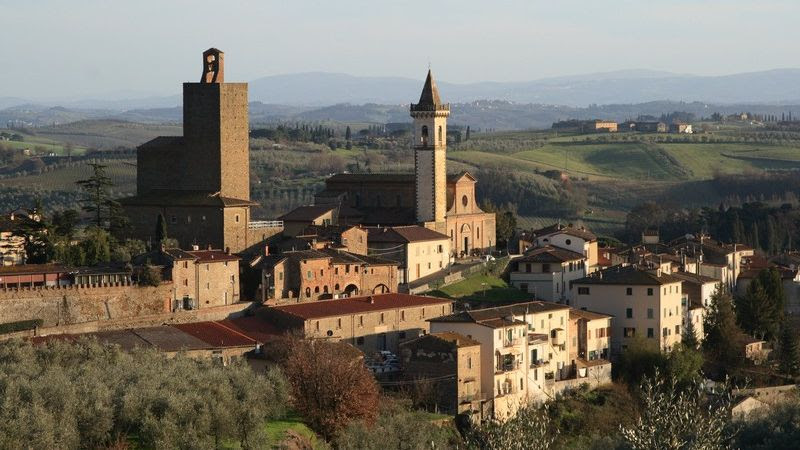 Il borgo di Vinci tra Leonardo e itinerari enogastronomici26 giugno 2019
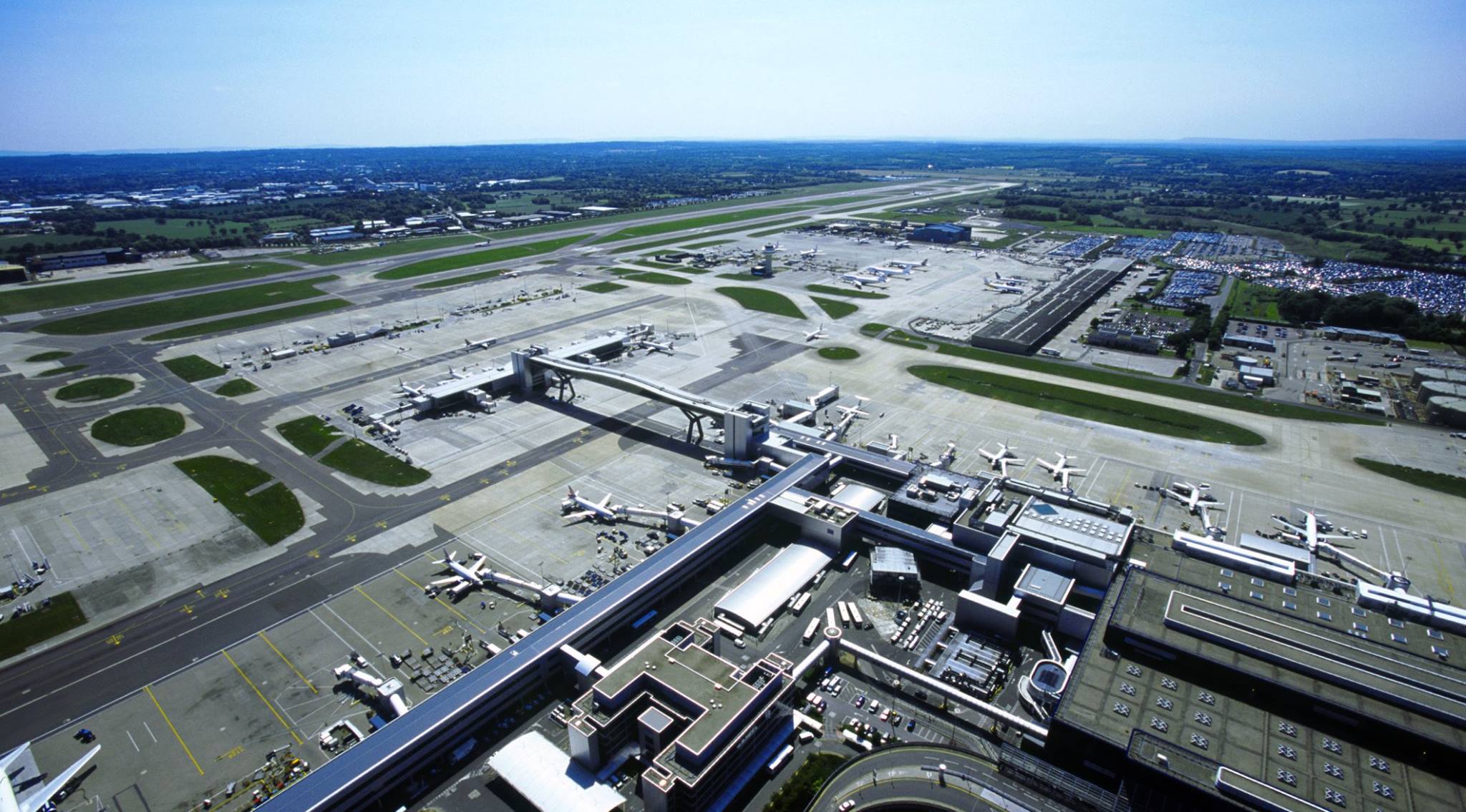 Vinci acquisice la maggioranza di Gatwick per 2,9 mld sterline27 dicembre 2018
 Torna la navetta per museo e casa natale di Leonardo da Vinci28 marzo 2018
 Alessio Vinci nuovo responsabile comunicazione di Alitalia11 gennaio 2016
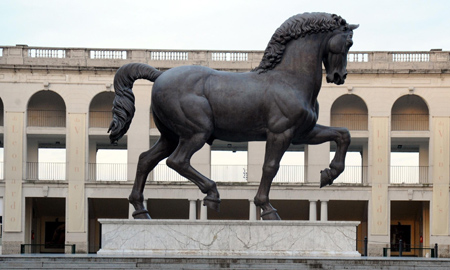 ‘Cavallo di Leonardo’ in mostra a Milano per 6 mesi30 settembre 2015