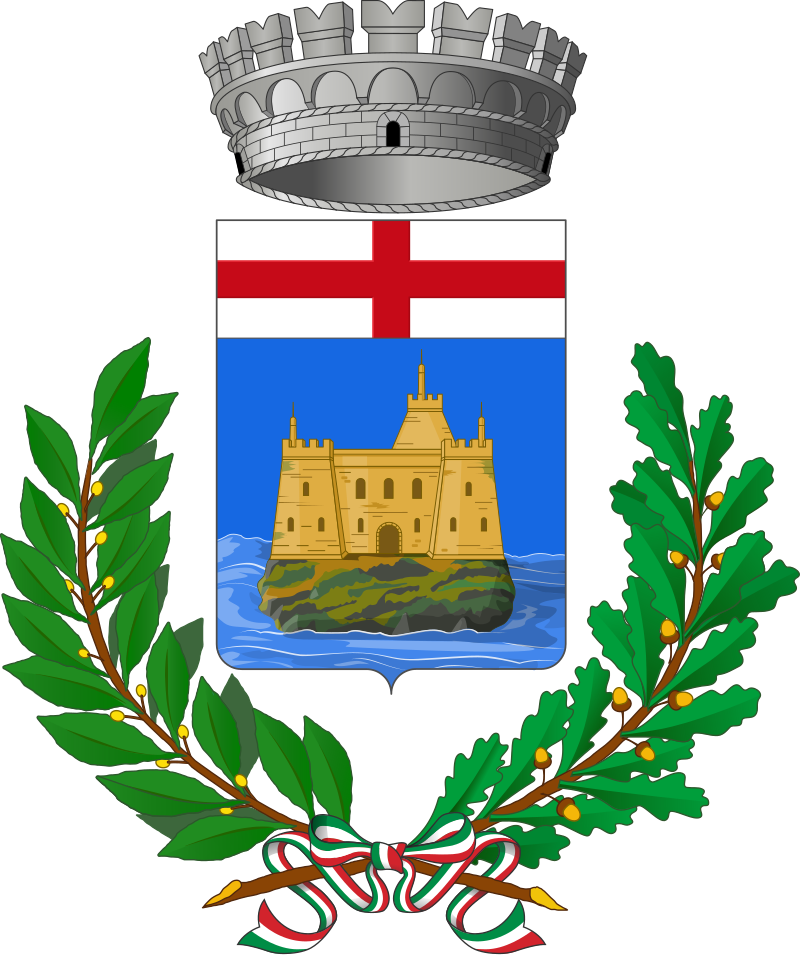
Nestled in the Tyrrhenian Sea, Capraia Island is a splendid corner of paradise belonging to the Tuscan archipelago and administratively linked to the city of Livorno. The dominant color is the cobalt blue of the sea, against which the bright tones of the Mediterranean flora and the houses built according to the ancient Tuscan tradition stand out. It should be noted that Capraia is the only island in the archipelago that is not part of the eponymous national park. Separated from the Tuscan mainland by about 60 kilometers of sea, Capraia has a varied topography that combines the gentle undulations of the hills with the ruggedness of the limestone rock. Its surface, which does not exceed 20 km², is home to a population of only 400 inhabitants. The inhabitants themselves are mainly divided between the village of the Fortezza, located on the top of the island, and the village of the Porto, which develops around the island's only road. The history of Capraia is ancient and fascinating. The first settlements date back to prehistoric times and, over the centuries, the island has witnessed the arrival of Phoenicians and Greeks, followed by Romans, Lombards, and finally the Genoese. It was the latter who left an indelible mark, shaping the architecture and urban planning of the island and giving it a characteristic medieval appearance. Every corner of Capraia tells stories of a multiethnic and multicultural past, which have made the island a place of fusion of different influences and traditions. Capraia was a penal colony from 1873 until 1986. A circular of May 3, 1873 from the Ministry of Justice established the internment on the island of Capraia and on three other islands of the Tuscan Archipelago of convicts serving life imprisonment, capital punishment or sentences exceeding five years. Subsequently, the island became an autonomous municipality, before being annexed to the Province of Livorno in 2014. Capraia Island is a true naturalistic Eden, where nature lovers can walk along paths that cross breathtaking and unspoiled landscapes. Despite its small surface area, the island is rich in astonishing biodiversity, thanks to the presence of very different habitats. The majestic cliffs overlooking the sea alternate with gentle hills dotted with vineyards and olive groves, while the heart of the island is dominated by dense holm oak groves. The Mediterranean climate, warm and dry in summer, mild and breezy in winter, contributes to creating the ideal conditions for the growth of a rich vegetation, characterized by native plants such as dwarf palms and numerous species of orchids. As for the fauna, the island is populated by a variety of birds, including rare and protected species, as well as mammals such as wild rabbits and foxes. There are also reptiles and amphibians, while the surrounding waters are inhabited by a rich variety of marine species, including dolphins and turtles. Therefore, Capraia Island is a place rich in history, culture, and nature; a verdant jewel set in the blue of the Tyrrhenian Sea, ideal for those seeking a corner of paradise where to reconnect with the natural environment.
In the heart of Tuscany, embraced by the Tyrrhenian Sea, the island of Capraia remains a small jewel rich in history, breathtaking landscapes, and a myriad of local enterprises that, with dedication and tenacity, contribute to making this corner of paradise a place to visit and return to. This idyllic territory maintains a strong agricultural and fishing vocation, with a particular economic interest in sustainable tourism, the enhancement of the natural heritage, and local craftsmanship. The agricultural sector is the productive hub of the island, thanks to the contribution of local companies that, with passion and professionalism, cultivate the land using traditional methods, producing high-quality oil, wine, and honey, just as their ancestors did centuries ago. Citrus groves, olive groves, and vineyards stretch as far as the eye can see on the hills, and the products, strictly organic, are sold directly on-site or through farmers' markets throughout Tuscany, helping to keep alive the island's culinary culture and tradition. Equally important is the fishing industry, still deeply rooted in the local reality. Small family businesses dedicate themselves with tenacity and commitment to fishing for bluefish, a protagonist of Capraia's cuisine, adopting environmentally friendly techniques and respecting marine biodiversity. The fresh fish, caught daily, is available for purchase at local markets and in the island's taverns, where local chefs use it to create ancient and tasty recipes. Local craftsmanship boasts a long and glorious history, with works ranging from ceramics to wood inlay, from wrought iron craftsmanship to leather artifacts. Small artisan workshops, heirs to knowledge and techniques passed down from generation to generation, enrich the island's economy with original and unique products, creating true collector's items highly appreciated by tourists. We can talk about sustainable tourism on Capraia Island, where pristine nature and scenic beauties are preserved and enhanced with particular attention. To this end, there are numerous companies dedicated to organizing guided excursions, both by sea and by land, offering the opportunity to discover the island in an original and environmentally friendly way. Finally, there is also a focus on hospitality, with small family-run accommodation facilities offering a warm and personalized welcome, typical of the lands of Tuscany. Bed & Breakfasts, holiday homes, and guesthouses are the heart of the island's hospitality industry, representing the epitome of Capraia's hospitality. The richness of Capraia Island's local businesses is undeniably a fundamental aspect of the territory's economy and represents an important driver of development. This small Tuscan jewel in the heart of the Tyrrhenian Sea confirms itself as a place where tradition and innovation harmoniously blend, giving life to a true paradise of colors, flavors, and scents to discover and experience. Respect for the environment, traditions, and the rhythms of nature is reflected in the island's numerous economic activities, contributing to making it a unique and valued place.
The Municipality of Capraia Isola, represented by the ISTAT code 49005, is the subject of analysis in this report. The total population is around 371 inhabitants, with a male prevalence (207 vs 164 females). Within it, we find a foreign component that is rather small, accounting for only 9% of the total. This indicates limited integration, but potentially growing, compared to the socio-demographic fabric of the municipality. Covering an area of almost 20 square kilometers, the territory is predominantly made up of areas with an altitude of less than 300 meters, contributing to the development of a coastal environment with all its potential attractions. The area is sparsely populated, indicating limited human presence but, at the same time, in line with the size of the island. Regarding housing, there is a considerably high number of unoccupied houses (400), more than double those actually inhabited (245). This could indicate both a high potential in the real estate sector and an opportunity for the development of tourism. Exploring the tourism sector, the accommodation system is varied, producing a total of 698 beds, divided between hotel and non-hotel establishments. Hotels account for 188 beds, spread across three 4 and 3-star hotels, while non-hotel establishments include campsites and tourist villages, rental accommodations, farmhouses, youth hostels, and bed & breakfasts. The latter branch proves its value by offering over 500 beds alone. There is considerable room for investment in high-level accommodation facilities, given the absence of structures classified as 5 stars. From an infrastructure perspective, the island is easily accessible by sea, as the port is only 3 minutes away. The journey from the airport or train station takes more time, with 113 and 98 minutes of transfer respectively, which could discourage tourist use of the area. New investments in transport infrastructure could therefore ensure an improvement in the island's connectivity. No data has been provided on the number of museums and visitors, but presumably the cultural and natural heritage of the island offers further attractions, stimulating a consistent tourist flow. Capraia Isola therefore reveals a socio-demographic framework characterized by low population density and a significant presence of vacant houses, which together with the varied but improvable tourism offer, suggest high potential for investors interested in the tourism, real estate, and infrastructure improvement sectors. However, it will be necessary to carefully consider the geographical and infrastructural limitations of the area when planning potential investments.
In the heart of Tuscany lies a jewel unknown to many, yet its charm has captivated the hearts of all who set foot there. We're talking about Capraia Isola, a picturesque town on the Tyrrhenian Sea, exuding an ancient charm, rich in history, nature, and splendid panoramas. Capraia Isola's attractions can be divided primarily into monuments, churches, and events. Let's begin with the monuments, which shine with timeless beauty. Among the island's emblems, the Forte di San Giorgio stands majestically, a silent guardian of the surrounding waters. This fortification, built in the 16th century, has endured the era of pirates and maritime conflicts, before becoming the bastion of culture it is today, granted to the municipal government in 1989. If you love local traditions and want to discover the flavors of this land, you can't miss the typical events held throughout the year. The most famous is undoubtedly the Sagra del Totano, which takes place in October. During this festival, the island's inhabitants celebrate the arrival of autumn and the migration of squid, a type of calamari, with a tasty banquet featuring this exquisite seafood. Another unmissable festival is the Feast of Saint Nicholas, Capraia's patron saint, celebrated between December 5th and 6th with religious services and processions. As for churches, Capraia Island holds some delightful surprises. The 17th-century Church of Saint Nicholas holds a delightful mystery: it's said that its steps are actually more than they appear, an architectural trick that brings a smile to anyone who discovers them. The ancient Sanctuary of the Madonna del Monte, meanwhile, sits atop the mountain of the same name, surrounded by a breathtaking panorama that celebrates the pristine beauty of Tuscan nature. An interesting detail concerns the name 'Capraia'. Some believe it derives from the Greek "kapraia," meaning land of goats. Others believe it refers to the caper, a plant widely distributed on the island. Some claim the name derives from the Latin "capraria," referring to the constant passage of goats across the island. Finally, those who love outdoor walks can lose themselves in the trails of the Tuscan Archipelago National Park, a leading environmental conservation site that covers the entire island. Capraia Isola is thus a small treasure trove, a place where history, nature, and culture harmoniously intertwine, creating a unique atmosphere that captivates and captivates visitors, leaving them yearning to return to discover more of this wonderful Tuscan gem. So, what are you waiting for? Add Capraia Isola to your bucket list. You won't regret it!