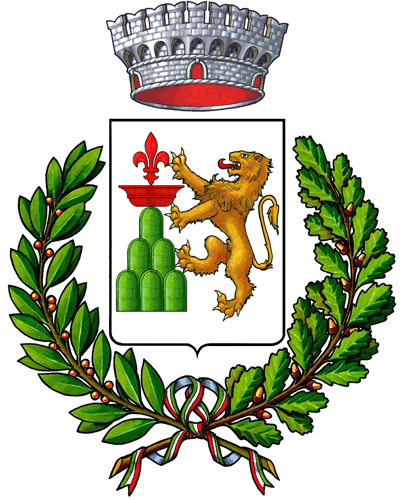
In the panoramic heart of Tuscany, southwest of Pisa, the picturesque town of Montecatini Val di Cecina stands out. This charming medieval village, home to just over a thousand inhabitants, lies along the slopes of a hill, in a splendid position overlooking the valley of the Cecina river. Rich in history and natural beauty, Montecatini Val di Cecina offers an unforgettable journey through time and the natural environment. The municipality covers an area of over 105 square kilometers, a vast space where different and fascinating landscapes alternate, from the coastal area to the hilly inland, making it an ideal place for explorers and nature lovers. Built as a fortress in the Middle Ages, this town is an unexpected historical treasure. Its narrow and winding streets, stone houses, and ancient churches date back centuries, when the village was a strategic outpost during the feudal era. During the Renaissance, Montecatini Val di Cecina experienced a period of great prosperity thanks to the presence of important copper mines, of which significant traces still remain today. The territory of Montecatini Val di Cecina is indeed known for its important mining resources, especially copper mines, which were active until the mid-20th century. Remains of the mining tradition are scattered everywhere, testifying to the community's significant connection to this activity. The municipality is also known for its delicious local products, including extra virgin olive oil, honey, and wine. The fertile land, kissed by the sun, produces high-quality fruits and vegetables used to create delicious Tuscan dishes. Life here flows slowly, respecting the rhythm of the seasons and the wisdom of nature, preserving a lively local community. The people are warm and welcoming, proud of their heritage and happy to share their stories and traditions with visitors. The municipality includes several hamlets, including Casino di Terra, famous for its accommodation facilities immersed in the tranquility of the Tuscan hills, and Buriano, characterized by valuable stone buildings that create a unique charm. Although Montecatini Val di Cecina is relatively small in terms of size, it offers an unforgettable experience for those who want to discover an authentic corner of Tuscany, full of history, natural beauty, and a strong sense of community. It is a place where art, history, and nature harmoniously intertwine, where you can set aside the hustle and bustle of modern life to immerse yourself in a world where time seems to stand still. Montecatini Val di Cecina is undoubtedly one of Tuscany's most precious gems, a place with an authentic soul where you can experience an enriching, relaxing, and stimulating travel experience. Are you ready to be captivated by its timeless charm?
No membership group specified.
In the heart of Tuscany, hidden among the green hills, lies the small but charming town of Montecatini Val di Cecina, known for the liveliness of its local businesses. Although it is a small municipality, the variety and energy of the economic activities in this place can surprise anyone. Over the centuries, Montecatini Val di Cecina has developed a strong and distinctive entrepreneurial character that contributes to keeping it alive and vibrant. Local businesses, small in size but of excellent quality, represent the economic soul of the municipality and are a source of pride for the population. For centuries, craftsmanship, agriculture, and local industry have been the pillars of the local economy. Among the businesses that deserve particular attention are the agricultural ones, mainly focused on the cultivation of wheat, olives, and vines, as well as the breeding of cattle and sheep. These activities, carried out following ancient traditional techniques, produce high-quality products, appreciated not only locally but throughout Tuscany and beyond. Also important are the presence of wineries that, thanks to the mild climate and fertile soil of the area, produce some of the best Tuscan wines. These businesses, often family-run, have allowed the oenology of the Montecatini Val di Cecina area to be known nationally and internationally. Equally significant is the contribution of artisanal businesses. Here, the art of terracotta, wood carving, and wrought iron craftsmanship lives and renews itself, thanks to the skill and creativity of local artisans. Then there is the goldsmithing, an ancient tradition passed down from generation to generation, producing jewelry and precious objects of inestimable value. A special mention goes to the historic mining industry of Montecatini Val di Cecina, which for centuries represented the main source of income for the inhabitants. Although no longer active, the copper mine has left an indelible mark on the local community. Today, the old mine has been transformed into a museum, becoming a living testimony of the industrial history of the municipality. The contribution of the tourism industry is, finally, of fundamental importance. Local businesses, from restaurants to agritourism, from tourist service companies to small bed and breakfasts, help to make Montecatini Val di Cecina known beyond its borders. In summary, in Montecatini Val di Cecina, local entrepreneurship is a mosaic of traditions, quality, and passion. Local businesses, guardians of a unique heritage of knowledge and skills, represent not only an economic resource but also a cultural treasure to be valued and protected. With their energy and vitality, they make Montecatini Val di Cecina a unique place, capable of captivating and surprising with its simplicity and authenticity.
The following report concerns a comprehensive territorial analysis of the Municipality of Montecatini Val di Cecina, with ISTAT code 50019, useful for potential investors interested in this area. Located in a predominantly hilly area (79.12% of the territory between 0-299 meters above sea level and 20.57% between 300 and 599 meters) and characterized by an average altitude of the municipal center of 416 meters, Montecatini Val di Cecina is neither coastal nor insular. The resident population in 2023 amounts to 1688 individuals, with a slight gender imbalance in favor of women (856 against 832 men). Among the inhabitants, the number of foreigners is equal to 172 units, divided between 74 males and 98 females. Regarding housing provision, there are 1597 dwellings, of which 804 are occupied and 793 are unoccupied as of December 31, 2021. As for accessibility, Montecatini Val di Cecina boasts interesting average distance times: 34 minutes from both active passenger railway stations and access to the motorway network, 59 minutes from airports, and 62 minutes from passenger ports. This factor could make the municipality particularly attractive to investors in various sectors, from tourism to commerce. Moving on to the analysis of accommodation offerings, the municipality has a decent number of hotel and non-hotel establishments. Specifically, there are 2 hotels with 224 beds and 102 rooms, while there are 51 non-hotel establishments, with a particular emphasis on agritourisms (38 with 561 beds). Therefore, the presence of a significant tourism offer can be highlighted, which could be enjoyed by enthusiasts of green and rural tourism since the area is classified as sparsely populated and falls within the "Hills between Era and Fine" according to the classification of Agricultural Regions. As for cultural heritage, the municipality hosts a museum institute, which recorded 1600 visitors in 2020. Despite the relatively low number of visitors, this still highlights a certain interest in local culture and history, which could be enhanced by appropriate investments in the tourism-cultural sector. In conclusion, the Municipality of Montecatini Val di Cecina can represent an interesting investment opportunity in various sectors. Despite some critical issues, such as low population density and a limited number of occupied dwellings, the possibilities offered by its multiple territorial assets and its cultural heritage make the territory potentially attractive. In particular, the potential in the rural and cultural tourism sector is evident, supported by the wide availability of accommodation solutions between hotel and non-hotel structures. Possible initiatives and interventions to enhance local resources should therefore be considered, respecting the environment and the resident community.
In the heart of Tuscany, amidst panoramic views and charming medieval atmospheres, stands Montecatini Val di Cecina. This small village overlooking the sea of the Etruscan Coast holds authentic treasures of art, history, and culture, making it a favorite destination for those seeking to combine relaxation and cultural enrichment during their travels. Strolling along the alleys of Montecatini Val di Cecina, one is immediately struck by the Church of Santa Maria Assunta. This medieval church envelops the visitor with its purity and simplicity, typical of the Romanesque style. Inside, one can admire important works of art such as the beautiful pulpit from the 9th century. The Church of Santa Maria Assunta is also unique due to its positioning, as it is located on the highest point of the village, offering a privileged view of the valley below. Another gem that contributes to the unique atmosphere of Montecatini Val di Cecina is the Church of Sant'Andrea, famous for its monumental bell, one of the most precious examples of Tuscan bell art. Sant'Andrea is also the patron saint of the municipality, and in his honor every year, on November 30th, a grand festival is held involving the entire local community in dances, songs, and moments of conviviality. A role of great importance for the history and identity of Montecatini Val di Cecina is played by its ancient castle. Today only the imposing perimeter walls remain, but over the centuries, this fortress has witnessed numerous events and battles. Also worth mentioning is the Palazzo Pretorio, once the seat of political power, now a silent witness to the passing of time, with its elegant loggias and richly frescoed interior. Montecatini Val di Cecina is a place where industrial past and present coexist in a single reality. An example of this combination is the Caporciano copper mine, once one of the most important in Italy and now transformed into a museum that offers the opportunity to delve into the depths of the earth and discover the secrets of mining. The village of Montecatini Val di Cecina is also animated by a series of events and festivals. Among these, the "Porcino Mushroom and Chestnut Festival" stands out, a highly anticipated autumn event where local products take center stage in outdoor banquets and gastronomic discoveries. However, the true essence of Montecatini Val di Cecina lies in its inhabitants, welcoming people proud of their traditions, ready to share the beauties and flavors of their territory with those willing to listen and savor. Montecatini Val di Cecina, with its ancient stones, its silences, and its history, is an invitation to discover a lesser-known, yet no less fascinating, Tuscany.