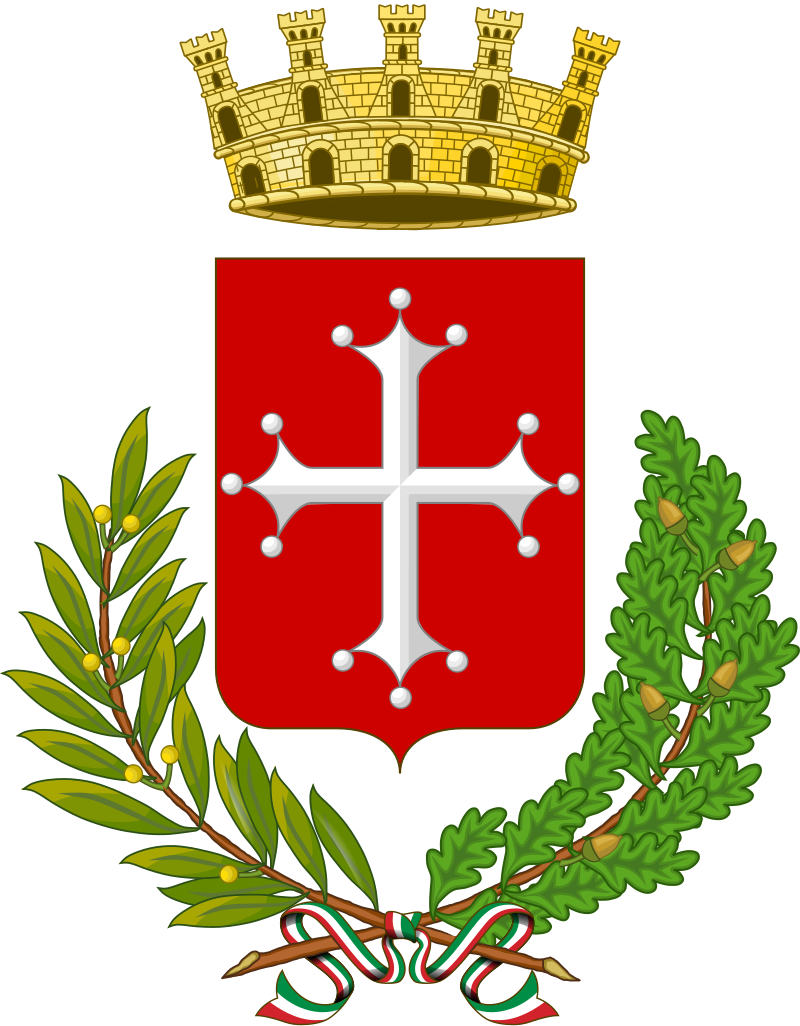
Pisa, overlooking the banks of the Arno River, is a true jewel of Tuscany. Located in the western part of the region, it is about 20 km from the Tyrrhenian coast. Its historical and cultural heritage places it at the center of a fascinating crossroads between land and sea, between past and present. The aura of Pisa is strongly linked to its glorious history. Already in the Etruscan and Roman era, the city established itself as an important commercial and port hub. However, its true flourishing occurred during the Middle Ages, when Pisa became one of the four Maritime Republics along with Venice, Genoa, and Amalfi. During this period, Pisa enjoyed great prosperity and influence, moved its troops on sea and land, countered rivals, and expanded its borders. The accumulated wealth allowed the development of an imposing architectural and artistic heritage, which still captivates visitors from around the world today. Education has always played a fundamental role in Pisa as well. The University of Pisa, established in 1343, is one of the oldest in the world and boasts illustrious professors and students such as Galileo Galilei and Antonio Pacinotti. Today, Pisa is still a prominent university center, with a dynamic student body that brings the city to life with cultural and social events. The presence of the prestigious Scuola Normale Superiore and important research institutions, in addition to the University, make Pisa a true center of excellence for education and scientific research. Pisa maintains its charm thanks to the extraordinary wealth of green spaces, which encourage walks and moments of relaxation. The most famous is the Scotto Garden, an ancient fortress transformed into a public park in the 19th century. But there is also the Botanical Garden, established in 1544, which extends over three hectares and houses a vast collection of plant species. Not to be forgotten is the Botanical Garden and Museum, one of the oldest in the world, which houses true botanical rarities. Pisa's climate is characterized by mild winters and hot, humid summers, typical of the Mediterranean climate. Its coastal location gives it a particularly favorable microclimate, with sea breezes that moderate summer temperatures. This makes Pisa a pleasant destination to visit at any time of the year. Pisa is not only a city of history and culture, but also a lively and dynamic community. Its rich culinary tradition is reflected in the many restaurants and trattorias that offer typical Pisan and Tuscan specialties. Its colorful and lively markets, such as the Mercato delle Vettovaglie, are places of meeting and exchange, where the scents of fresh ingredients mix with the unmistakable Tuscan accent. In Pisa, tradition and modernity coexist in harmony, creating a fascinating combination that gives strong emotions to anyone who visits this wonderful Tuscan city. A place that enchants with its beauty, fascinates with its history, and remains imprinted in the heart of those who take the time to discover it.
No membership group specified.
In the heart of Tuscany, not far from the gentle hills of Florence and Siena, lies Pisa, mainly known for its famous Cathedral Square, with the leaning tower. Nevertheless, in addition to its monuments, Pisa boasts a very lively economic and entrepreneurial fabric, making the municipality a place of great development and growth. Local businesses in Pisa are a varied collage of activities ranging from craftsmanship to technology, from agriculture to scientific research. Pisa has always been an incubator of ancient professions and trades that continue to flourish today thanks to the skill and passion of master craftsmen. Among these stand out manufacturers of musical instruments, restorers, goldsmiths, and pizza makers who contribute to keeping alive the cultural identity of Pisa. But Pisa is not just tradition: keeping up with the times, the territory has managed to develop a fruitful entrepreneurial fabric linked to innovation and technology. The strong technological orientation of the city is partly due to the presence of important universities and research centers, including the University of Pisa and the Scuola Normale Superiore, whose activities often interact with those of local businesses. Furthermore, Pisa is home to the Scientific and Technological Park "Tecnopolo", which brings together companies, research centers, and scientific institutions with the aim of promoting technological innovation. The other pillar of the Pisan economy is agriculture. The Pisan plain is a fertile cultivation ground, where prestigious wines, extra virgin olive oil, cereals, and vegetables are produced. Local agricultural businesses, often family-run, are an example of environmental sustainability, linked to tradition, product quality, and respect for the territory. A sector experiencing strong growth is tourism, which, although not involving the production of goods, represents a significant source of income for the local community. Tourism-related businesses, such as hotels, restaurants, bars, and travel agencies, play a fundamental role, offering essential services for the reception and well-being of visitors. In addition to all this, Pisa is also an important service center. Activities related to transportation, finance, education, health, legality, and public administration are highly developed and offer numerous services to the local population. Therefore, local businesses in Pisa represent a valid mix of tradition and innovation, art and science, culture and technology. The success of Pisan entrepreneurial activities can be attributed to the ability to combine local resources, specific skills, and artisanal knowledge with technological innovation, market research, and ecological sensitivity. Thanks to this winning combination, Pisa is a vibrant, dynamic city in continuous growth.
The purpose of this report is to provide a comprehensive overview of the municipality of Pisa, identified by the ISTAT code 50026, through the analysis of statistical, demographic, geographical, and socio-economic data. This evaluation is aimed at potential investors interested in a deep and analytical understanding of the area. With approximately 89,117 inhabitants in 2023, including 46,143 females and 42,974 males, Pisa presents an interesting balance in terms of population structure. The significant presence of foreign residents, amounting to 44,628 individuals, highlights the cosmopolitan nature of the place and suggests a strong potential for integration and internationalization. Pisa is located in a geographical area characterized by plains, with an altitude of only 4 meters and a perimeter of 62.40 kilometers. The city enjoys a strategic geographical position, being a coastal municipality with highly urbanized areas. These features make it easily accessible and attractive. In fact, the distance from the main transport infrastructures is minimal: 4 minutes to the train stations, 10 minutes to the airport, 13 minutes to access the highway network, and 25 minutes to the passenger ports. Moving on to the real estate sector, as of December 31, 2021, there were 224,199 housing units, of which 183,057 were occupied and 41,142 were unoccupied. These figures imply significant potential for development in the real estate sector, representing an interesting investment opportunity. In terms of tourism and accommodation offerings, Pisa has a total of 567 accommodation facilities, offering a total of 17,106 beds. This includes not only hotels classified in the five-star categories, but also tourist residences, campsites, tourist villages, farm stays, hostels, holiday homes, bed & breakfasts, other accommodation facilities, and commercially managed rental accommodations. Notable are the 74 hotels with 2,859 rooms and 2,968 bathrooms, campsites and tourist villages with 4,375 beds, and rental accommodations with 3,670 beds. Thanks to the cultural offerings, consisting of 19 museum institutions that attracted nearly a million visitors in 2020, Pisa is able to ensure a continuous flow of tourists and visitors, with improvements in the local economy and public perception. In summary, the analysis conducted indicates that Pisa represents a territorial context rich in potential and opportunities, favoring investments in various sectors, from culture to real estate, from tourism to commerce. At the same time, it is important to emphasize its excellent geographical and demographic characteristics, its international vocation, and its excellent accessibility. Any issues related to population density and housing availability can be addressed through targeted interventions, making Pisa an excellent choice for investors.
In the heart of Tuscany, Pisa is not a city defined by a single tower, but one of the most powerful and glorious Maritime Republics in history, a "queen of the seas" whose past of wealth, art, and power is carved into the dazzling marble of its most famous square. Its identity lies not only in its famous slope, but in the incredible harmony of one of the most beautiful squares in the world and the magic of a fiery night reflected in the waters of its river.
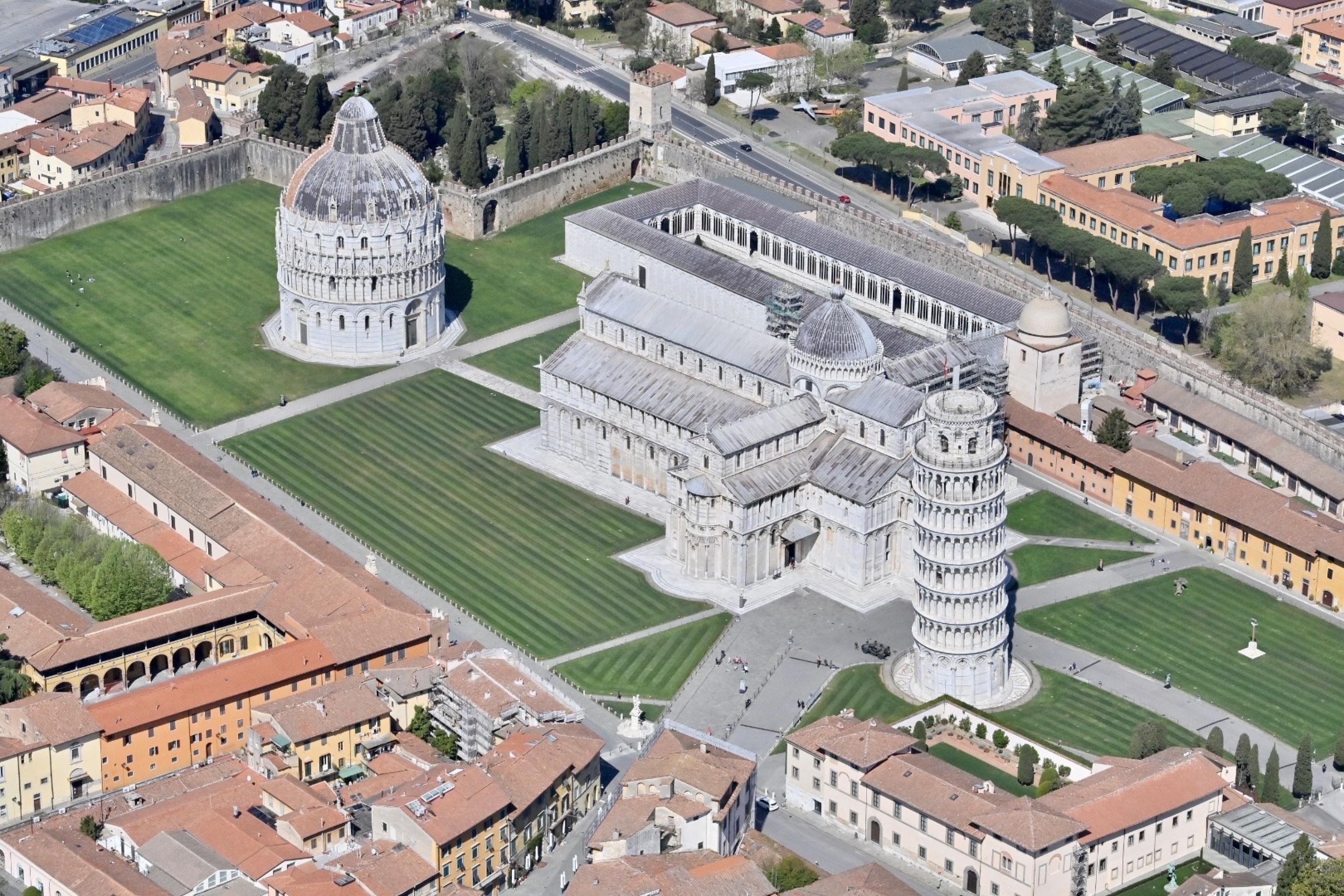
The beating heart, the immortal symbol of Pisa's grandeur, is the spectacular Piazza dei Miracoli, a carpet of grass on which stand four absolute masterpieces of Pisan Romanesque architecture. The Cathedral of Santa Maria Assunta, with its loggia-lined façade and mosaics, is the center of this universe of faith and art. Next to it, the famous Leaning Tower, its bell tower, defies gravity with a beauty that has captivated the world. Completing this marble symphony are the Baptistery, the largest in Italy, with its prodigious acoustics, and the Monumental Cemetery, a treasure trove of frescoes and history that preserves holy land brought from Jerusalem.
But the most magical and authentic soul of Pisa manifests itself on the evening of June 16th, with the "Luminara di San Ranieri." This is not a simple celebration, but a spell. As evening falls, the city turns off all artificial lights and lights up with over one hundred thousand candles, the "lampanini," which outline the palaces, churches, and bridges along the Arno, transforming the city into a river of fire. It is a spectacle of poignant beauty, unique in the world, Pisa's tribute to its patron saint, San Ranieri.
The following day, June 17th, the celebration continues along the Arno with the "Palio di San Ranieri." This is not a simple regatta, but a historic competition between the four ancient boats of the historic districts (San Martino, San Francesco, Sant'Antonio, and Santa Maria). The challenge doesn't end at the finish line: one of the rowers must climb a rope to win the blue "paliotto," symbol of victory.
Another great tradition that ignites the city is the "Gioco del Ponte," which takes place on the last Saturday of June. This is not a simple competition, but an epic battle. The magistrates of the Tramontana (north of the Arno) and Mezzogiorno (south) districts challenge each other by pushing a cart along a track in the center of the Ponte di Mezzo, in a test of brute strength preceded by an imposing and lavish historical parade in 16th-century costumes.
In conclusion, Pisa is much more than its Leaning Tower. It's an immersion in the power of a Maritime Republic, an encounter with masterpieces that have shaped the history of art, and a participation in traditions unparalleled in their magic and spectacularity. A city that lives on its river and that, at least once a year, transforms into a dream of light and fire.
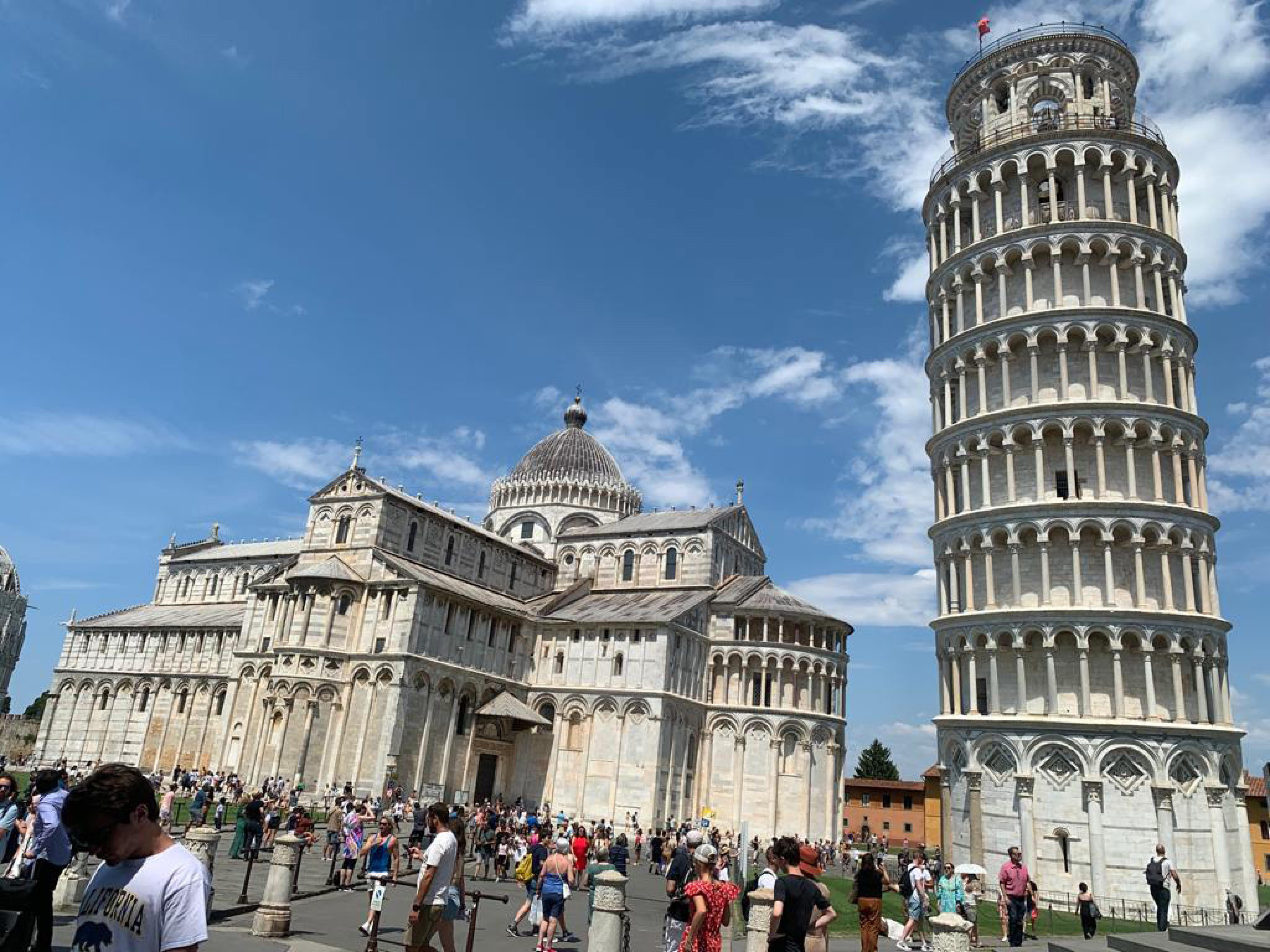 Pisa, boom di visite serali in Piazza dei Miracoli24 settembre 2026
 Nasce la ‘Pisa Card’, biglietto unico per i musei e la mobilità07 settembre 2026
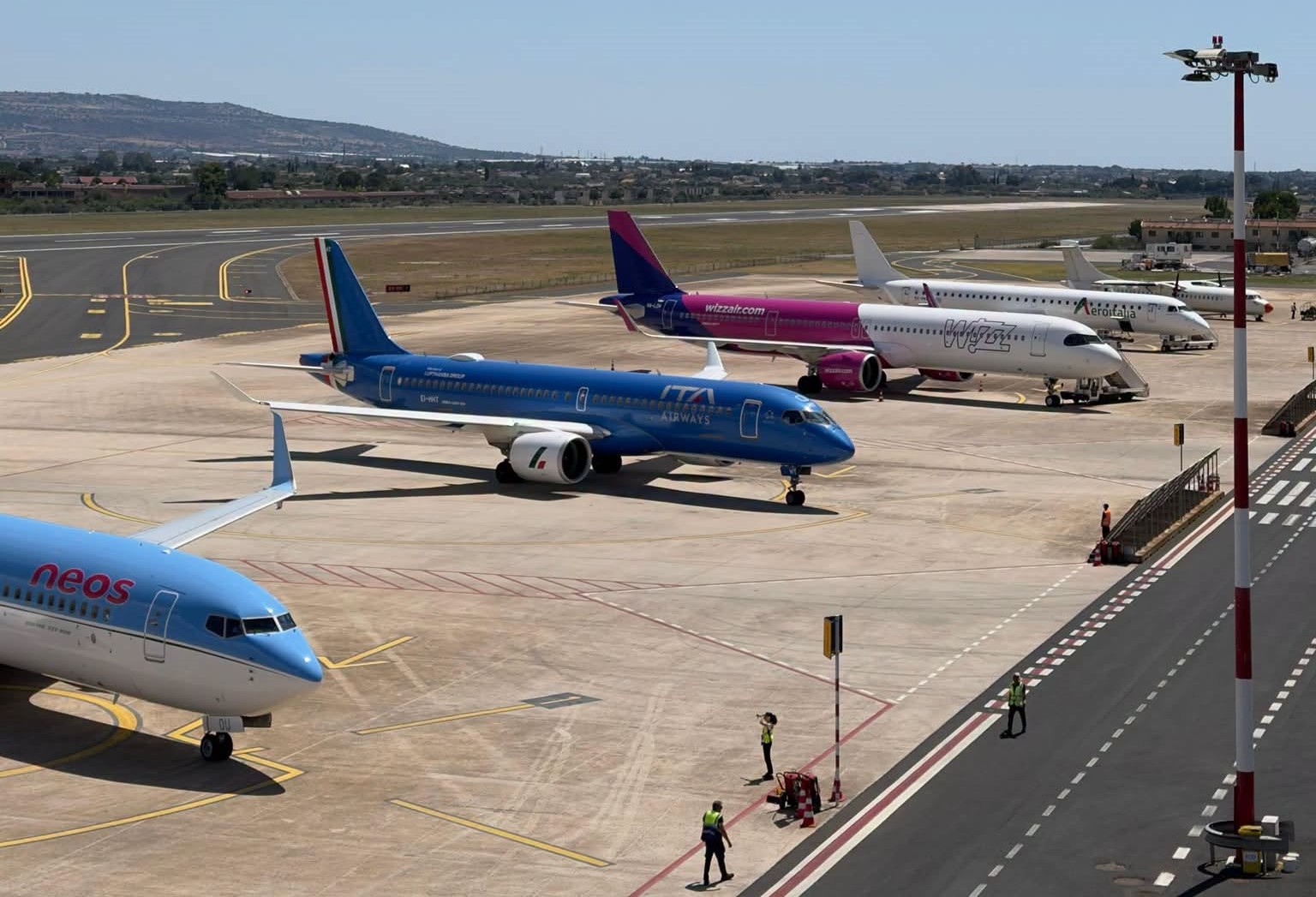 Schifani annuncia 8 nuovi voli a settimana da Comiso04 settembre 2026
 Vacanze pet-friendly: tre modi di viverla con Space Hotels05 giugno 2026
 In Toscana hotel ‘green’ ma le strutture sono vecchie28 maggio 2026
 Ryanair presenta le novità da Pisa per la Summer 202610 aprile 2026
 A Pisa arriva la polizia turistica con presidi fissi e mobili03 aprile 2026
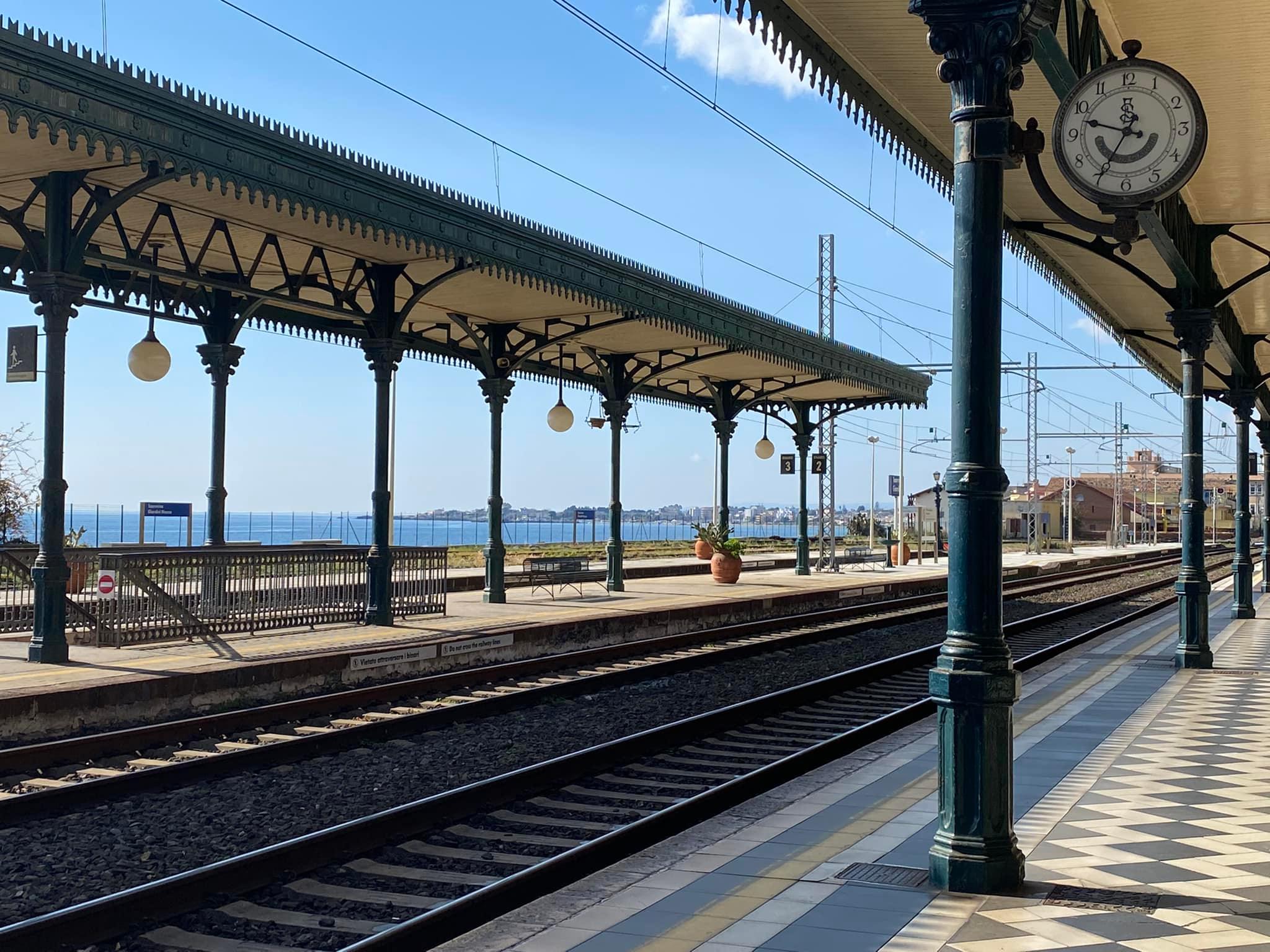 Sbarca a Taormina la campagna FS che valorizza la provincia italiana28 marzo 2026
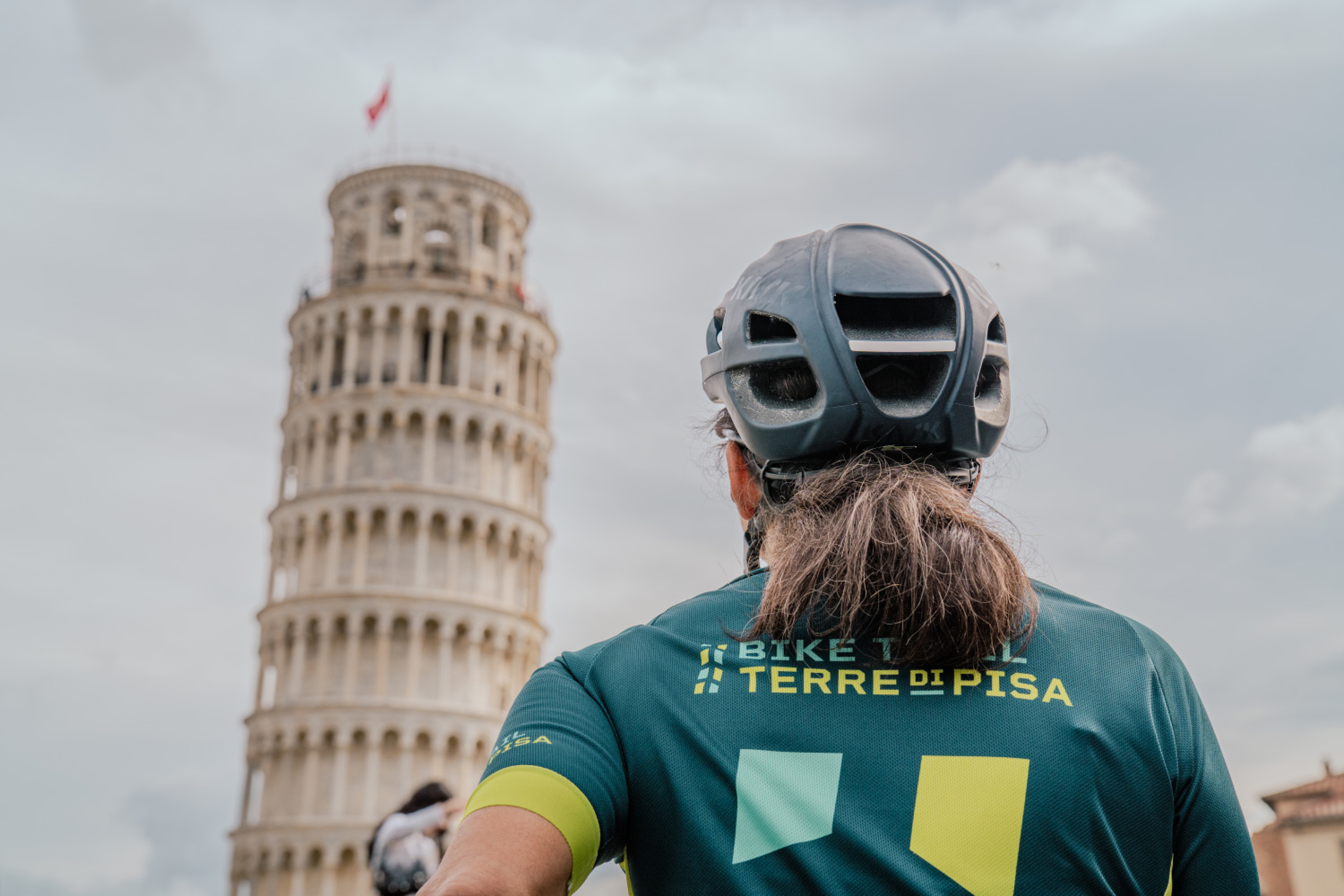 Terre di Pisa Bike Days, la tre giorni dedicata alle due ruote20 febbraio 2026
 Tutelare le città, Consiglio di Stato mette paletti all’overtourism11 febbraio 2026