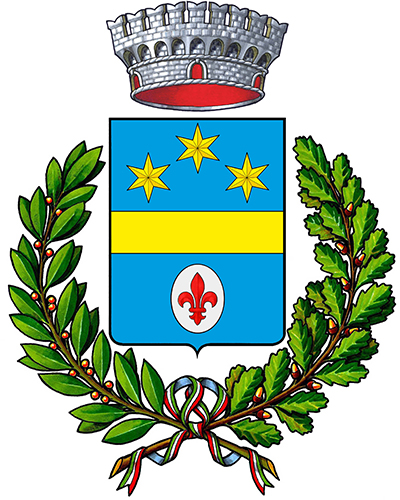
Immersed in the greenery of the Tuscan hills, the small town of Cavriglia stands out as a precious jewel in the heart of Italy. Its territory, covered by extensive forested areas, olive groves, vineyards, and cypress trees typical of the Tuscan landscape, extends to the north of the province of Arezzo, making its way through the valleys of Casentino, Valdarno, and Chianti. Cavriglia, with its approximately 7,000 inhabitants, is a welcoming place where the tranquility of nature combines with the characteristic atmosphere of small Italian villages. Its history, rooted in centuries past, began in the Iron Age and developed during the Roman era. The name Cavriglia seems to derive from the Latin "Capra", "Caprae" which means "goat", "of the goats", symbolizing the pastoral activity that was fundamental to the local economy in ancient times. This municipality is divided into different hamlets, each enriching the communal landscape with its own uniqueness. Among these, Montegonzi stands out as a hillside hamlet known for its breathtaking panoramic view of the surrounding valley. Campogialli and Starda, on the other hand, preserve their medieval roots through their architecture and winding alleyways. In Cavriglia, spirituality linked to the Christian faith is strongly present; numerous churches dot the entire territory. For example, the Pieve di San Giovanni Battista in Cavi, dating back to the 11th century, is one of the oldest relics in the municipality, while the Church of Santa Maria in Starda is an example of Tuscan Romanesque style. Despite its small size, Cavriglia is known for its cultural vitality; periodic events and initiatives such as patronal festivals, food festivals, and historical reenactments help keep ancient traditions alive. In terms of sports, Cavriglia offers various opportunities for outdoor fitness enthusiasts: hiking and cycling trails are very popular, as are horseback rides. However, the most popular sport is soccer, with a local sports club that is very active and well-followed. The economy of the municipality is mainly supported by activities related to agriculture, the wine and olive oil industry, and retail trade. However, the tourism sector is gaining ground, thanks to Cavriglia's strategic location in the heart of Tuscany, halfway between the art cities of Florence, Arezzo, and Siena, making it an excellent base for exploring the region. Cavriglia is therefore a hidden gem in the Tuscan countryside, a jewel that preserves the simplicity and authenticity of rural life while offering a rich variety of cultural, spiritual, and natural experiences. A place where time seems to stand still, giving way to the beauty and tranquility of an enchanting landscape.
No membership group specified.
Located in the green heart of Tuscany between Siena, Florence, and Arezzo, the municipality of Cavriglia represents a true gem of authenticity and productive tradition. Present in the economic and cultural fabric of Tuscany since the distant Middle Ages, Cavriglia is now known for the variety and quality of its local businesses, which mainly revolve around three main sectors: agriculture, craftsmanship, and tourism. How can we not start with the description of the agricultural sector? Cavriglia is a municipality whose organic vitality still depends heavily today on the rhythm of the seasons, the harvests, and the fruits that the land produces. The local farms are numerous and range from small family-run businesses to larger enterprises. The main production is wine, thanks to the favorable climatic conditions and soil that characterize the entire Chianti area, making its wines famous worldwide. Cavriglia is no exception, and among its vineyards stand out labels of great value. But not only wine: extra virgin olive oil, rich and fragrant, is another flagship product, as are the crops of cereals, vegetables, and fruits. Immediately alongside agriculture, craftsmanship in Cavriglia is a true heritage to be preserved and enhanced. The workshops of artisans, laboratories, and ateliers wind through the streets of the center and the hamlets, giving life to a dense network of small and medium-sized enterprises where manual production is combined with the use of innovative techniques. From the restoration of antique furniture to woodworking, from the goldsmith sector to textiles, to workshops that create beautiful ceramic and glass artifacts: craftsmanship here is synonymous with passion, creativity, and tradition. Finally, we cannot fail to mention the tourism sector, which has experienced a strong boost in Cavriglia in recent years. Tourism-related businesses range from hotels and agritourism to restaurants, from tourist guides to food and wine guides, confirming the increasingly central role that tourism plays in the local economy. Many of these entrepreneurs, respecting tradition and the environment, have renovated ancient farms and rural houses turning them into comfortable accommodation facilities, offering visitors an authentic atmosphere rich in history. But the entrepreneurial landscape of Cavriglia does not stop there. Other sectors, such as construction, logistics, and services, contribute to forming an extremely varied and resilient economic fabric. Every business in Cavriglia has a story to tell, made of deep roots, passion, and commitment. It is a story that speaks of a unique territory, where tradition is combined with innovation, ensuring a promising future for a municipality that has so much to offer to those who live there and to those who visit. Whether it's enjoying a glass of Chianti under a pergola, admiring a handmade artifact, or spending a holiday immersed in the beauty of the Tuscan landscapes, Cavriglia certainly represents an unforgettable experience.
The municipality of Cavriglia is located in the Tuscany region, Italy, and is identified with the ISTAT code 51013. As of 2023, the total population amounts to 9492 inhabitants, including 4747 males and 4745 females, living in an area of 60.86 sq km. This reveals a moderate population density that seems to offer a balance between a sense of community and the availability of natural spaces. 502 residents are foreigners, who could constitute a base for multicultural and multilingual service activities, as well as represent potential gaps and opportunities in the provision of local services. In terms of housing infrastructure, there are 5191 dwellings in the municipality, of which 4069 are occupied and 1122 are unoccupied. This share of unoccupied dwellings highlights the opportunity to develop the local real estate market, which could offer investment opportunities in apartments, houses, or other residential properties. Analyzing the local tourism offer, we note that there are two hotels with a total of 38 rooms and 73 beds. Furthermore, there are 36 non-hotel establishments including campsites, farmhouses, and a Bed & Breakfast. This indicates a rather limited hospitality landscape, which could be expanded to attract a greater number of visitors. The presence of two museums in the municipality, which welcomed 1140 visitors in 2020, underlines the existence of a cultural heritage to be enhanced through investments in the tourism sector. The town of Cavriglia is located at an altitude of 281 meters above sea level, and is defined as a sparsely populated area. Its territory is predominantly characterized by a hilly topography with 50% of the land below 299 meters above sea level and 41% between 300 and 599 meters. These geographical and morphological characteristics could fuel the agritourism sector, offering unique and charming spaces for outdoor activities. Regarding accessibility, Cavriglia is located 40 minutes away from active passenger railway stations, 15 minutes from highway access, and 57 minutes away from the nearest airport. Despite not being a coastal municipality, it has a port with passenger service 100 minutes away. This strategic location makes Cavriglia easily accessible both by land and by sea, enhancing its attractiveness for visitors and potential investors. In conclusion, the data presented indicate that Cavriglia appears to be a municipality with ideal conditions for potential investments in the real estate market and in the tourism-cultural sector. Its geographical, demographic, and infrastructural peculiarities, combined with its strategic geographical position, make it a territory full of opportunities for economic development.
Cavriglia, a small Tuscan village, offers a fascinating blend of history, culture, and enchanting landscapes. Nestled in the green Chianti hills, this town is a must-see destination for anyone visiting Tuscany. Characterized by a long history and a wealth of local traditions, Cavriglia is sure to captivate every visitor. Cavriglia is renowned for its beautiful churches, historic monuments, and local festivals and fairs. Among the main places of worship are the Parish Church of San Pancrazio and the Parish Church of San Giovanni Battista. The former, located in the Montegonzi district, dates back to the 11th century and features a typical Romanesque structure with a striking semicircular apse. The latter, located in the heart of the town, is an imposing 12th-century building that has been extensively modernized over the centuries. As evidence of Cavriglia's long history, you can visit the remains of the ancient Castello di Ripoli, once a significant fortress in the area, dating back to the late 10th century. The chapel of San Jacopo, which preserves frescoes of considerable artistic value from the 14th and 15th centuries, is still visible from this ancient fortification. An important festival in Cavriglia is the one dedicated to St. John the Baptist, the town's patron saint, held every June. On this occasion, the town comes alive with music, games, tastings of local products, and fireworks, in a joyful and festive atmosphere that engages both residents and tourists. Another unmissable event is the "Giornate Medioevali," a festival held every September that takes the town back to its medieval roots, with historical reenactments, costumed parades, and falconry displays. The rich vegetation and scenic beauty of Cavriglia are well represented by the Cavriglia Park, also known as the "Parco delle Ginestre." This green lung, one of Tuscany's largest, is home to a variety of plants and animals, making a visit a wonderful journey into nature. Within the park, you can encounter fallow deer, roe deer, wild boar, foxes, and numerous birds, including the common kestrel. In spring, the blooming brooms, with their warm yellow hues, lend a magical atmosphere to the park. In short, Cavriglia, with its mix of history, culture, folk traditions, and natural beauty, is one of Tuscany's lesser-known gems. Whether you're a history buff, a nature lover, or a foodie seeking authentic flavors, this town will offer you an unforgettable experience.