Nestled among the enchanting landscapes of the Tuscan hills, stands Cortona, an ancient village rich in history and tradition, an architectural gem nestled in the heart of the Valdichiana, near Lake Trasimeno. Surrounded by magnificently preserved Etruscan walls, Cortona is a small treasure of Italy capable of surprising and thrilling anyone who chooses to visit it. The history of Cortona is ancient and fascinating, dating back to the Etruscan period, making it one of the oldest villages in Italy. Its roots date back to the 7th century B.C., and it is considered the mother of Etruscan civilization. Its inhabitants, called "Cortonensi," are particularly proud of their Etruscan heritage. The imprint of their Etruscan past is reflected not only in the city's architecture, but also in the traditions, culture, and art that are still present and appreciated today. Cortona is characterized by narrow and winding medieval streets that lead to its main square, Piazza della Repubblica. The streets are lined with historic buildings, most of which date back to the Renaissance period. Although the city is small in terms of size, it is densely populated and has a lively and welcoming atmosphere. The city is dominated by the majestic Walls of Cortona and the Fortezza del Girifalco, an imposing military fortress that testifies to the city's warrior past. Thanks to its elevated position, it offers a spectacular panoramic view of the city and the surrounding countryside. Cortona is also known for its extraordinary cultural richness, with a remarkable artistic heritage ranging from Etruscan art to the Renaissance. Among these, the MAEC, the Museum of the Etruscan Academy and the City of Cortona, stands out, housing precious Etruscan, Roman, and medieval artifacts. From an architectural point of view, Cortona boasts an abundance of Renaissance palaces and Gothic churches. Among these, the Palazzo Comunale, located in the central Piazza della Repubblica, is a magnificent Renaissance building with a characteristic clock tower. Among the numerous churches, the Duomo, or Cathedral of Santa Maria Assunta, stands out, an imposing religious building that dominates the city from the top of its hill. Characterized by a mix of styles, from Gothic to Renaissance, the Duomo is a symbol of Cortona and a beloved place of worship for the Cortonese. Cortona, with its intact charm, rooted traditions, and ancient nobility, offers its visitors a unique experience, a dive into the past among ancient walls, cobbled streets, and unforgettable views. From the charm of its streets to the splendid panoramas, through its rich history and culture, Cortona has something to offer to everyone and remains one of the most precious treasures of Tuscany.
No membership group specified.
Nestled in the green hills of Tuscany, the municipality of Cortona boasts a strong local entrepreneurial fabric, a variety of businesses appreciated both locally and internationally. The economic activities of Cortona are representative of the typical Tuscan belonging, ranging from craftsmanship to the production of local delicacies, not to mention the important role played by viticulture and olive growing. Since the Renaissance, Cortona has hosted a rich artisan tradition with master ceramists, wrought iron, woodworkers, and goldsmiths. In particular, majolica, with its vibrant colors and intricate patterns, continues to be one of the most appreciated artistic expressions of the city. Local workshops produce a variety of objects, including decorative tiles, plates, vases, and other works of art, each of which reflects the long tradition and pride of Cortona's artistic community. For centuries, handmade gold and silver jewelry has been another distinctive hallmark of Cortona's craftsmanship. In the field of agriculture, the dominant activity in the region is undoubtedly wine production, whose local products, such as Syrah and Chardonnay, have obtained various protected designations of origin. The vineyards surrounding the city give life to high-quality wines, from full-bodied reds to fresh whites, the result of the city's unique location and mild climate. Alongside wine, olive oil is one of the main protagonists of Cortona's agri-food scene. The lush surrounding olive groves provide precious extra virgin olive oil, rich in natural antioxidants and with an unforgettable flavor. Numerous local companies continue to follow traditional harvesting and production methods, ensuring the highest quality and preserving the organoleptic characteristics of the oil. Cortona's agriculture also produces an abundance of local fruits, vegetables, and legumes, including some particularly appreciated types of beans. Not least, livestock farming provides a variety of meat delicacies, including sausages and hams. Finally, there is a thriving service sector that significantly contributes to the local economy. This includes a growing tourism sector that has been able to make the most of Cortona's historical, natural, and cultural beauties, offering a wide range of accommodations from luxurious agritourism to more intimate bed and breakfasts. In conclusion, Cortona's local businesses are a perfect example of how a community can thrive while preserving its roots and traditions. Whether it's master craftsmen producing unique works of art, wine producers or sought-after agricultural products, or managers of tourist facilities offering unforgettable experiences, Cortona's businesses are a reflection of the passion and innovation of this fascinating Tuscan city.
The municipality of Cortona, identified by the ISTAT code 51017, has a population of about 21,000 inhabitants, slightly skewed towards females. This data, considering also the significant presence of foreigners (about 10% of the population), suggests a scenario of diversity and multiculturalism, an aspect that could be interesting for investors looking to target a heterogeneous and international audience. The territory of the city, with a total area of over 342 square kilometers, is predominantly characterized by medium altitudes, with most of the land lying between 30 and 600 meters. This makes Cortona an ideal area for developing activities related to nature and wellness, such as agritourism and green tourism facilities. The housing supply consists of about 14,000 houses, of which more than a third are currently unoccupied. This could represent an excellent opportunity for real estate investors, both in the residential sales market and in the vacation rental market. In terms of tourist infrastructure, Cortona is well equipped with a good variety of accommodation facilities, mainly consisting of medium-category hotels and agritourism establishments, totaling almost 300 businesses. However, the absence of 5-star facilities suggests a potential space for the development of high-level tourism offers. Cortona's cultural offer is represented by 4 important museum institutions that, in 2020, attracted almost 30,000 visitors, confirming the sector's potential. In terms of accessibility, the center of Cortona is not coastal but is easily reachable from railway stations, highways, and even airports. The average travel time to reach these transport points varies from 17 to 49 minutes, making Cortona a fairly accessible place for tourists or professionals on the move. In summary, the demographic diversity, the vibrant tourism sector, the abundance of unoccupied properties, and the accessibility all constitute factors that make Cortona an interesting investment prospect in various sectors, including real estate, tourism, and culture. There is what it takes to thrive in business in this area, especially when considering aspects that have not yet been fully explored, such as luxury tourism or real estate investment opportunities. Commitment in these directions should further stimulate the economic and social development of the municipality of Cortona.
Nestled among the rolling Tuscan hills, the Municipality of Cortona watches over the ancient Val di Chiana with a sternly medieval spirit, imploring a sense of irrepressible awe. The town evokes its rich history through its many attractions, ranging from art to architecture, not to mention the unforgettable Tuscan cuisine. The most shining jewel in Cortona's crown is undoubtedly the Basilica of Santa Margherita, dedicated to the city's patron saint, perched on one of the town's highest points. Built as part of a Frankish artistic experiment, this place of worship dates back to 1304 and houses the remains of Saint Margaret of Cortona. The basilica, in addition to being a place of veneration, offers a panoramic view of the entire Val di Chiana that is simply breathtaking. Strolling through Cortona's labyrinth of cobbled streets is like taking a journey back in time and offers the opportunity to discover other architectural gems. Among these, the Cortona Cathedral—known as the Co-Cathedral of Santa Maria Assunta—is a marvel of Renaissance sacred architecture, enriched by exemplary works of art. Another important building is the Church of San Francesco, one of the oldest Franciscan buildings in Italy. Also of particular importance is the MAEC, the Museum of the Etruscan Academy and the City of Cortona, which offers a fascinating journey to discover the city's Etruscan origins through important archaeological finds. Art lovers, meanwhile, should not miss a visit to the Diocesan Museum, which houses works by Luca Signorelli and Fra Angelico. The Etruscan walls, which surround Cortona like an embrace, are particularly evocative, and a stroll along them is a true leap back in time. The maze of medieval streets also features noble palaces, such as the 14th-century Palazzo Comunale, which dominates Piazza della Repubblica, the beating heart of the city. Cortona is not only history and art, but also traditions and popular culture. One example is the Sagra della Bistecca (Bistecca Steak Festival), an annual event held in August where Chianina beef, typical of this region, takes center stage. Furthermore, the town of Cortona offers a rich calendar of events, including the annual Cortona Mix Festival, a music, film, book, and theater festival. Furthermore, ancient local traditions are revived every June with the historic tournament, the Archidado. The event commemorates the marriage between the Lord of Cortona and the noble lady of French origin in 1397. On this occasion, the five contrade (districts) of Cortona compete in an archery competition, attracting many visitors from around the world. In short, Cortona is truly a city that offers something for everyone: incredible views, ancient history, fascinating artwork, inspiring traditions, and mouth-watering culinary delights. A place where past and present coexist in harmonious balance, creating a magical and unforgettable atmosphere.
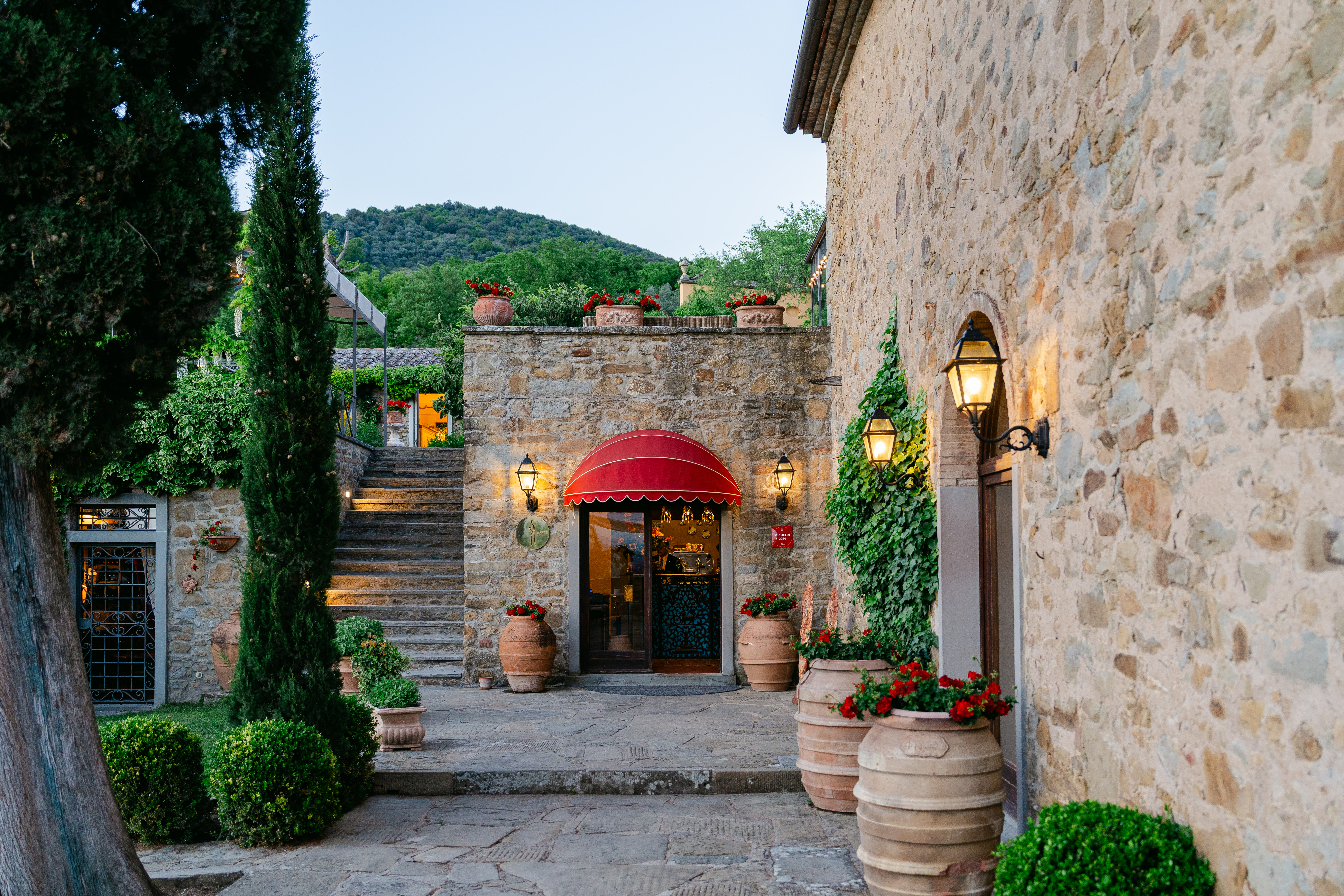 Riapre il Falconiere Relais & Spa tra suite e cucina stellata25 marzo 2026
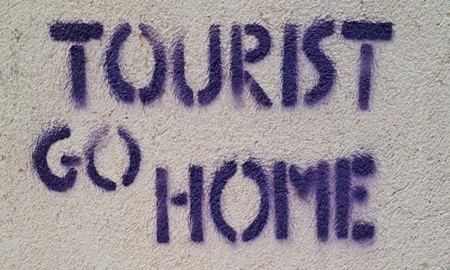 Cortona, 2 giovani a processo per scritta ‘Tourist go home’05 febbraio 2026Affitti brevi, imprenditori contro scritte ‘Tourist go Home’08 luglio 2025
 Dopo 100 anni chiude pasticceria Banchelli di Cortona, troppi costi17 ottobre 2022
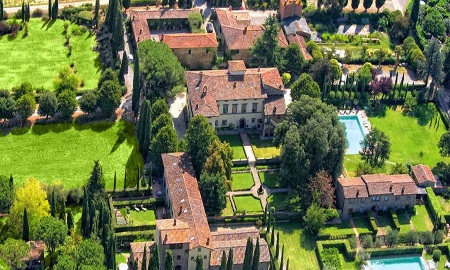 Tripadvisor: Villa di Piazzano tra i ‘Migliori Piccoli Alberghi d’Italia’13 febbraio 2017