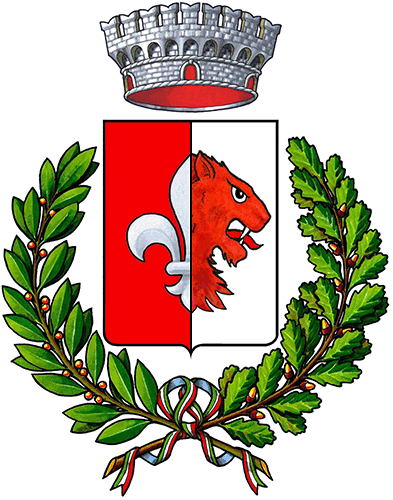
Immersed in the heart of beloved Tuscany, the Municipality of Pratovecchio Stia stands as a fascinating treasure chest, enriched with history and culture, within the renowned Casentino region. Born in 2014 from the merger of the previous municipalities of Pratovecchio and Stia, this municipality, with just under 6,000 inhabitants, offers a relaxing and peaceful living experience, in perfect harmony with the surrounding nature. The landscape of Pratovecchio Stia is a charming picture where the vibrant colors of lush vegetation blend with the intense blue of the River Arno, which finds its source here. Dense woods and forests shape the gentle hills, where human presence remains discreet, respectful of the surrounding environment. Located in the Tuscan-Emilian Apennines, the municipality covers an area of approximately 138 square kilometers. However, from here it is easy to reach some of the most famous Tuscan art cities, such as Arezzo and Florence, making Pratovecchio Stia an ideal base for those who want to discover the wonders of this region. The most fascinating aspect of Pratovecchio Stia is undoubtedly its rich past. The roots of this place date back to Roman times, but it is during the Middle Ages that it reaches its peak, becoming an important trading center, thanks to its strategic position along the River Arno. Numerous are the material witnesses of this period: castles, towers, ancient walls, and churches adorn the territory like precious jewels, hiding stories of power, faith, and simple daily life. Art and spirituality are strongly intertwined in the municipality of Pratovecchio Stia. The presence of the Camaldolese monks is fundamental, a monastic order born in this area around 1000 AD, which has strongly influenced local life, not only from a religious point of view, but also from an artistic, economic, and social perspective. Even today, the presence of abbeys and monasteries testify to the legacy of this order. Despite its medieval character, Pratovecchio Stia is anything but anchored in the past. Its hospitable and genuine inhabitants know how to welcome visitors and involve them in the life of the village. Culinary, historical, and popular traditions continue to be celebrated with great enthusiasm, involving both locals and tourists in festivities rich in colors, flavors, and sounds. Culinary delights abound on the tables of the municipality, thanks to the richness of local production. Meat, cheeses, honey, chestnuts, mushrooms, as well as the inevitable Tuscan extra virgin olive oil, are just some of the delicacies that can be tasted. Each product tells of a generous territory, of the art and passion of the men and women who cultivate it with dedication. Venturing into the territory of Pratovecchio Stia, one cannot help but notice its strong vocation for craftsmanship. Proudly maintained for centuries, the skillful craftsmanship of local artisans is expressed especially in the processing of wrought iron and wood, two materials widely available in the area. Pratovecchio Stia is an authentic and welcoming corner of Tuscany, a place where history, tradition, art, and the beauty of nature blend in a perfect symphony. A place to discover and rediscover the charm of simplicity and genuineness.
In the heart of the enchanting region of Tuscany, enriched by the greenery of the trees and vineyards that surround it, lies the municipality of Pratovecchio Stia. This charming location is a concentration of history, culture, and rural entrepreneurship, whose strength lies largely in the small and medium-sized local businesses that preserve and enhance the traditions and peculiarities of the area. One of the cornerstones of the local economy is certainly agriculture. Numerous local farms are dedicated to the production of quality products, such as olive oil and wine, respecting the slow rhythms of nature and ancient processing techniques. The local wineries offer unique delicacies, capable of surprising even the most demanding palates, the result of a skillful combination of native grape varieties and artisanal craftsmanship. An important part of the Pratovecchio economy is dedicated to the resources of the forest. In fact, the processing of wood, chestnuts, and mushrooms, coming from the immense green spaces of the Casentino, constitutes a major economic resource. The artisan workshops, in particular, have developed a savoir-faire in working with wood, creating wonderful pieces of craftsmanship. Another important aspect of the municipality's economy is the gastronomic tradition. Several restaurants and trattorias offer the opportunity to taste typical dishes, often filled with zero-kilometer products. The recipes handed down from generation to generation combine with a passion for healthy and genuine food to offer visitors unforgettable culinary experiences. In Pratovecchio Stia, animal husbandry plays a significant role. The farms in the area produce cheeses, meats, and other high-quality products, thanks to the breeding of sustainable and environmentally friendly cattle, sheep, and pigs. And for those who appreciate honey, wildflower or monofloral honeys are an almost obligatory taste experience. Furthermore, one cannot overlook the presence of companies active in the textile sector. This area is famous for the production of Casentino wool, a durable and warm fabric still produced with traditional techniques. The working tradition in Casentino wool has a long history and a reputation for excellence recognized worldwide. The vitality of the businesses in the Pratovecchio Stia area is therefore a perfect mix of historical roots and innovative capacity. The products of the area are an excellent calling card to attract tourists, offering them not only beautiful landscapes but also a direct taste of the delights of the Tuscan land. The local businesses of this fascinating Tuscan municipality, with their determination, passion, and ability to make the most of the resources that the land offers, contribute significantly to the maintenance and growth of the community. Thus, Pratovecchio Stia keeps its heritage alive, looks to the future with renewed optimism, and offers a concrete testimony of the dynamism and resilience of the local economy.
The Municipality of Pratovecchio Stia, with the ISTAT code 51041, located in the beautiful region of Tuscany, presents itself as a context of significant interest for potential investors. The population of the municipality is evenly distributed between genders, with a total of 5409 inhabitants, including 2661 men and 2748 women as of 2021. The territory covers an area of 138.226 square kilometers contributing to create a scenically beautiful landscape rich in natural attractions, historically appreciated by visitors. From a real estate market perspective, the housing supply is varied: there are 4505 dwellings, including a significant number of unoccupied houses (1997), which could represent an investment area in the construction and real estate sector. Considering the presence of 642 foreigners, it could be interesting to develop projects for real estate and social integration. The territory offers opportunities in the tourism and hospitality sector. Despite the lack of luxury hotels (5 stars), the accommodation offer is characterized by 2 hotels with a total of 91 beds, a campsite with 200 beds, 29 rental accommodations with 273 beds, 24 agritourisms with 296 beds, a youth hostel with 18 beds, and other accommodation facilities including 3 bed & breakfasts. In total, the territory offers 915 beds. Another strength of the municipality is the presence of 4 museum institutions that in 2020 welcomed 4336 visitors, a figure that confirms the attractiveness of the territory from a cultural point of view. Therefore, both the tourism-hotel sector and the cultural music sector represent important investment opportunities. In terms of accessibility infrastructure, the municipality is slightly far from the main points of mobility access: it takes about an hour to reach the nearest train station or highway access, 84 minutes to the airport, and 128 minutes to passenger ports. These data suggest that it could be useful to invest in alternative transport services or in improving existing infrastructure. In conclusion, the Municipality of Pratovecchio Stia, despite presenting some critical issues, offers many opportunities for investors. The main areas of intervention are the real estate sector, the tourism-accommodation sector, and the cultural sector. The high quality of the territorial offer and the diversification of available accommodations represent added value, which could be enhanced through targeted marketing strategies and infrastructural investments.
In the heart of Tuscany, where the Arno River is still a torrent and the forests grow ever more ancient and wild, Pratovecchio Stia is not just a village, but the capital of Casentino, a valley rich in spirituality, history, and an artisanal soul forged in fire and wool. This municipality, gateway to the Casentino Forests National Park, has a fascinating dual identity, expressed in its two historic centers.
In Pratovecchio, history becomes legend. Here, on a hill overlooking the valley, stand the majestic ruins of Romena Castle, one of the most powerful castles of the Guidi Counts. Within these walls, an exceptional exile, Dante Alighieri, found refuge, who immortalized this place forever in Canto XXX of the Inferno, recalling the torture of Master Adamo, the forger who operated here: "There is Romena, where I counterfeited the sealed alloy of the Baptist." At the foot of the castle, the Parish Church of San Pietro a Romena, with its sculpted capitals and mystical aura, is one of the purest and most important masterpieces of Romanesque architecture in Tuscany.
Stia, however, reveals a different soul, linked to work and creativity. It is the home of "Panno Casentino," an iconic and robust carded wool, recognizable by its bright colors (orange and green) and its "curly" appearance, whose history is told in the Museum of Wool Art. But the true, great celebration of this artisan vocation is the "European Biennial of Blacksmith Art." Every two years, Stia transforms into the world capital of wrought iron: the world's best blacksmiths gather here, and the town becomes an open-air forge, animated by the sound of hammers and the glow of fire, in an event of unique power and beauty.
Pratovecchio Stia's traditions are unique and have nothing to do with archery competitions. The most heartfelt and lively event is the "Palio della Lana," held in Stia in August. This is not a horse race, but a fun and fiercely contested donkey race, celebrating the village's ancient connection to the world of sheep farming and wool.
In conclusion, Pratovecchio Stia is a profound and authentic Tuscan experience. It is a journey into the pristine nature of one of Italy's most beautiful national parks, a pilgrimage to Dante's homeland, and an immersion in a world of artisanal skills that still shapes the identity of this land. A place where history, literature, nature, and savoir faire blend into an unforgettable tale.