
Splendidly nestled among the green hills of Tuscany, Siena, proud and rival of Florence for supremacy in Tuscany in the Middle Ages, is a city of ancient charm and timeless appeal, like few others in Italy and the world. Looking at Siena is like traveling back in time: its urban layout often seems timeless, dating back to the 14th century, with characteristic fan-shaped streets born from the expansion of three original urban nuclei; this unique design makes it instantly recognizable in every panoramic view. Focusing on the historic center of the elegant and proud City of the Palio, the pulsating heart of Siena, one discovers the magnificence of Piazza del Campo, the civic heart of the city, unique for the originality of its shell-shaped form. Undoubtedly one of the most famous and admirable squares in the world, Piazza del Campo is the stage, every summer, of the historic Palio horse race, an event that captivates Siena and its visitors in an almost mystical involvement, as rival contrade compete in an exciting equestrian race. Gothic architecture, the dominant style in much of the historic center, is well represented in the majestic Siena Cathedral, the Cathedral of Santa Maria Assunta, a true jewel of Italian Gothic, a triumph of white and black marble, which characterizes numerous facades of the city. Siena also offers the opportunity to immerse oneself in the study of the fine arts at the famous University of Siena, one of the oldest and most prestigious academic institutions in Italy, where students from all over the world deepen their knowledge in various fields of study. This medieval city, declared a UNESCO World Heritage Site in 1995, is enveloped in an aura of magic thanks to its towers, its labyrinthine alleys, the rich history that oozes from every corner, elements that make it a unique place in the Italian and European landscape. The color and flavor of Siena are reflected in its cuisine, renowned for centuries-old traditions that have given rise to dishes that have become famous worldwide. The inhabitants of Siena, called Senesi, are deeply proud of their city and its traditions. The importance of the contrade, subdivisions of the city originally derived from military divisions, is deeply rooted in the city's identity, becoming almost a second system of individual identification. But Siena is not only history and ancient traditions, but also an active and dynamic city in relation to contemporary issues. With its universities, research and cultural activities, it represents a reference point in the Italian landscape for education and culture. Furthermore, Siena shows a strong commitment to the environment and is known for its green policies oriented towards environmental sustainability. In conclusion, Siena is not just a city to visit, it is an experience to live, a journey through time, a dive into the past that does not forget the present. Its unique appearance, its rooted traditions, the wonderful architecture, and the rich culinary culture make Siena one of the most extraordinary places in Italy and the world. A visit to Siena means entering a fascinating world, unchanged over the centuries, but at the same time vital and interactive.
No membership group specified.
Siena, a noble town in Tuscany, is not only known for its artistic and historical beauty, but also for the vitality of its local businesses. A diverse and energetic entrepreneurial fabric that sees several companies active in various categories, from tourism to gastronomy, from wine production to technology. In particular, local agriculture is top-notch, with companies dedicated to the production of fine wines and extra virgin olive oil, rightly appreciated on an international scale. The Sienese hills indeed offer a fertile and nutrient-rich soil, where grape varieties such as Sangiovese and the native Colorino develop optimally, giving life to prestigious wines such as Chianti Classico, Brunello di Montalcino, and Nobile di Montepulciano. Along with viticulture, Tuscan extra virgin olive oil benefits from an ideal climate and land for the growth of olives. The quality of the oil produced with these fruits is exceptional and stands out for its unique aroma and delicate taste. Perfect for enhancing the flavors of Mediterranean cuisine, it is an essential element on the tables of gourmets. Another prominent sector is certainly the production and processing of food products. Numerous local companies proudly carry on the Sienese culinary tradition, offering the world specialties such as panforte, ricciarelli, and pici, to name just a few. Not only Tuscan dishes, but also artisanal ice cream and high-quality pastry. In addition to gastronomy, Siena is home to some important companies in the technology and financial services sector. Here is located the Institute for Art and Restoration of Palazzo Spinelli, one of the most prestigious institutions worldwide in the field of art restoration, while in the banking sector resides the historic Banca Monte dei Paschi di Siena, one of the oldest banks still in operation. The hotel and tourism sector in Siena, being a world-famous tourist city, is very developed. There are many hotels, restaurants, and tourist services ranging from guided tours to bicycle rental services. The offer is wide and varied and contributes to making Siena an attractive destination for visitors from all over the world. Recently, the renewable energy sector is also attracting growing interest, with several companies engaged in the production and distribution of energy from clean and sustainable sources. In conclusion, Siena is a city that, while maintaining its roots and traditions, looks to the future with a lively entrepreneurial spirit. Local businesses are a heritage to be preserved and enhanced, as they represent a key element of the Sienese and Tuscan economy, as well as testimonies of unparalleled innovation and creativity.
The territory under analysis focuses on the municipality of Siena, a center of historical and cultural importance located in the heart of Tuscany. This fascinating city, with ISTAT code 52032, covers a total area of 3820.82 sq km and is inhabited by 52833 people, with a significant portion of 30660 foreigners. There is a slight imbalance in gender distribution, with a prevalence of females (28204) compared to males (24629). Siena is famous for its rich tourist offer. The accommodation structure includes a total of 44 hotels offering 3824 beds, divided among 1, 2, 3, and 4-star facilities. The 4-star segment deserves a special mention, with 682 beds, confirming itself as the most significant category. In addition to hotel accommodation, the city has numerous extra-hotel accommodation alternatives, such as holiday homes, bed & breakfasts, youth hostels, commercially managed rental accommodations, and agritourisms. The latter, in particular, represent a prime investment opportunity, given their growing popularity among tourists looking for an alternative holiday immersed in nature. In total, both hotel and extra-hotel accommodation establishments offer 8189 beds to visitors. As a cradle of art, history, and cultural heritage, Siena has 33 museum institutions, which in 2020 attracted an impressive number of visitors: 1240501. This data confirms the significant potential for investments in the tourism and cultural sector. In its morphological characteristics, Siena is located within the 'HILLS OF SIENA' Agricultural Region, at an altitude of 322 meters. 75.3% of the territory is located at an altitude below 300 meters, while the remaining 24.6% ranges between 300 and 599 meters. This geographical position offers a unique tourist experience, characterized by hilly landscapes that open up to breathtaking views. In terms of infrastructure, Siena is not a coastal or island municipality, and does not have coastal areas. However, it offers reasonable access to railway stations (48 minutes), highway access (35 minutes), and airports (63 minutes), making the city easily accessible for tourists and visitors. Accessibility is also a key factor for investors, suggesting the presence of a broad and diversified potential market. Based on these data, we believe that Siena presents interesting investment opportunities, especially in the tourism and real estate sectors. The rich accommodation offer, together with the wide range of cultural attractions, makes the city a top destination for national and international visitors. At the same time, the existence of a significant number of unoccupied dwellings (43575) suggests the presence of potential investments in the real estate sector. Finally, the presence of a stable and growing resident population also offers opportunities in the healthcare and commercial sectors, with close ties to the demographic distribution and socio-economic characteristics of the population.
Nestled in the rolling hills of Tuscany, Siena is not just a city, but a perfectly preserved medieval dream, a Gothic jewel that has stood still at the height of its glory. This masterpiece, a UNESCO World Heritage Site, is famous worldwide for its incredible beauty and its beating heart, a tradition that is the very soul of the city: the Palio.
The nerve center of Siena, one of the most beautiful and unique squares in the world, is Piazza del Campo. With its unique shell shape and red brick paving, the square is the stage for city life and its most important events. Overlooking it are the majestic Palazzo Pubblico, a masterpiece of Gothic architecture, and the towering Torre del Mangia, which, at 87 meters, offers breathtaking views of the city and the surrounding countryside. Inside the Palazzo Pubblico, the Civic Museum houses priceless treasures, including the fresco cycle "Good and Bad Government" by Ambrogio Lorenzetti, one of the most important political allegories of the Middle Ages.
A few steps from the square stands another miracle of art and faith: the Duomo of Santa Maria Assunta. This cathedral is one of the most outstanding examples of the Romanesque-Gothic style in Italy, with its dazzling façade and breathtaking interior. Its floor, a cycle of 56 marble inlays created by great Sienese artists, is a unique work of art. Inside, the Piccolomini Library, frescoed by Pinturicchio, and the pulpit by Nicola Pisano are just some of the wonders to discover.
But Siena's deepest and most passionate soul is revealed twice a year, on July 2nd and August 16th, when Piazza del Campo is transformed for the Palio. This is no simple horse race, but a popular celebration, a medieval joust in which the city's seventeen contrade (districts) compete in a wild bareback horse race. The Palio is a captivating event, preceded by a historical costume parade and experienced with unparalleled passion and a sense of belonging, an experience that captivates and moves everyone who witnesses it.
In conclusion, Siena is a pure concentration of culture, history, and tradition. The city's devotion is directed to the Virgin Mary, its protector, and not to San Bernardo Tolomei, while its patron saint is Sant'Ansanus. Every corner of Siena is a living testimony to its glorious history as a proud and powerful republic, a gift the city generously offers its visitors, leaving an indelible mark on the hearts of those who discover it.
 Castel Monastero, chef stellati al ristorante Contrada30 luglio 2026
 6 nuovi punti dove ritirare il Testimonium lungo la Via Francigena01 giugno 2026
 Hotel senza wi-fi e borghi senza auto: il turismo “scomodo” per staccare davvero09 maggio 2026
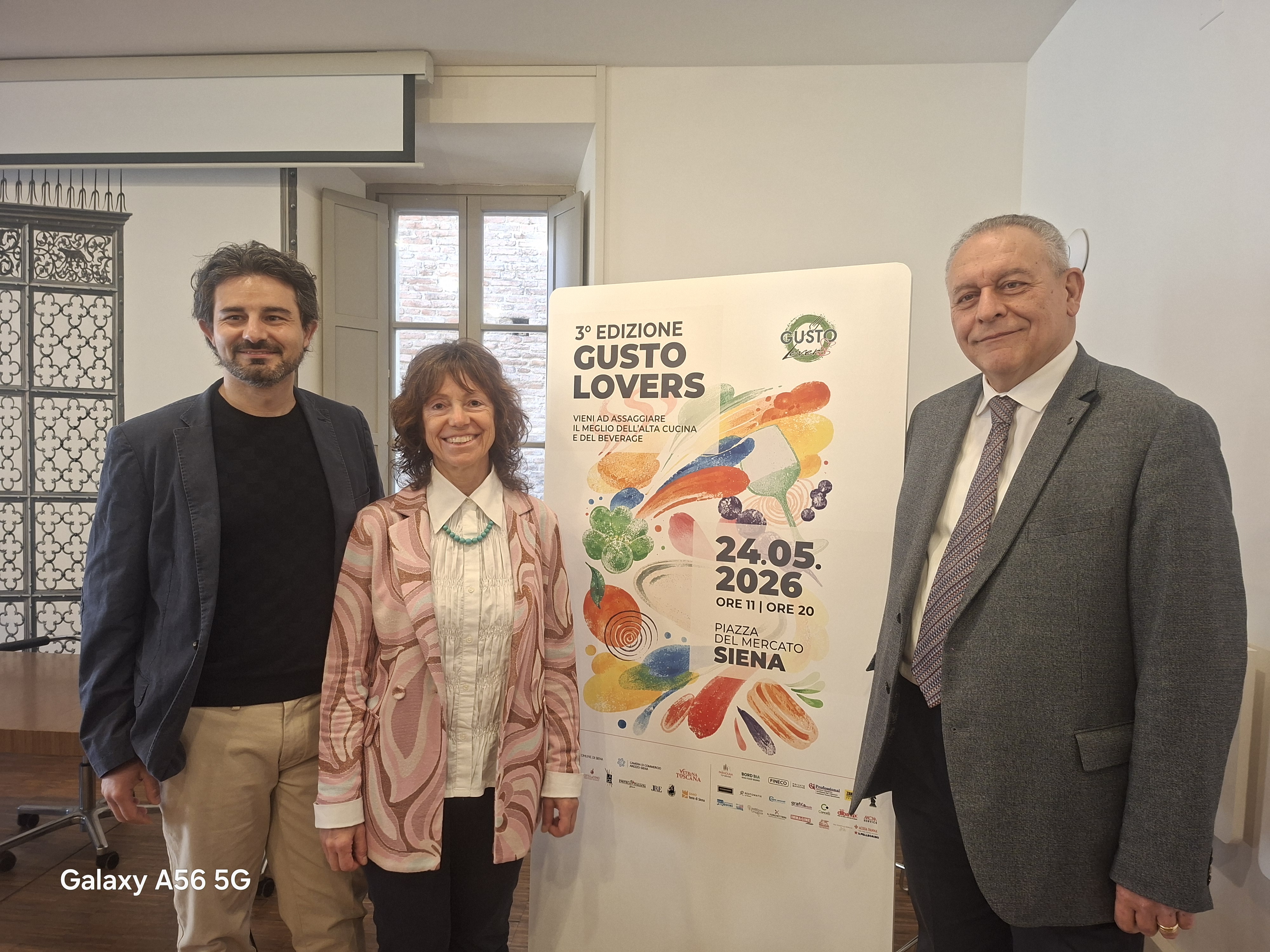 Gusto Lovers debutta in piazza del Mercato il 24 maggio06 maggio 2026
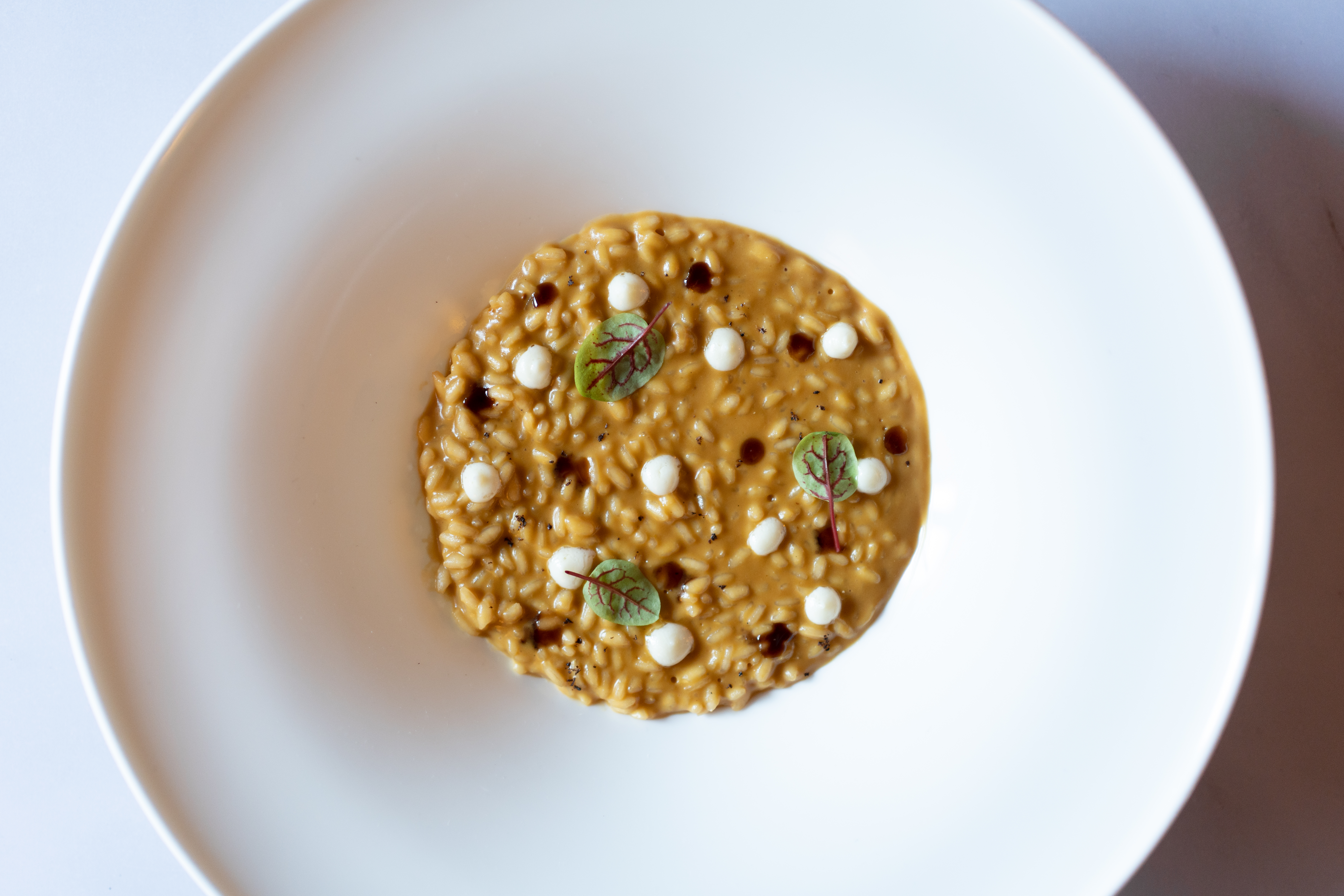 Con l’arrivo della primavera riapre Castel Monastero01 aprile 2026
 Affitti brevi, b&b e case vacanze a rischio chiusura con nuova legge22 dicembre 2025
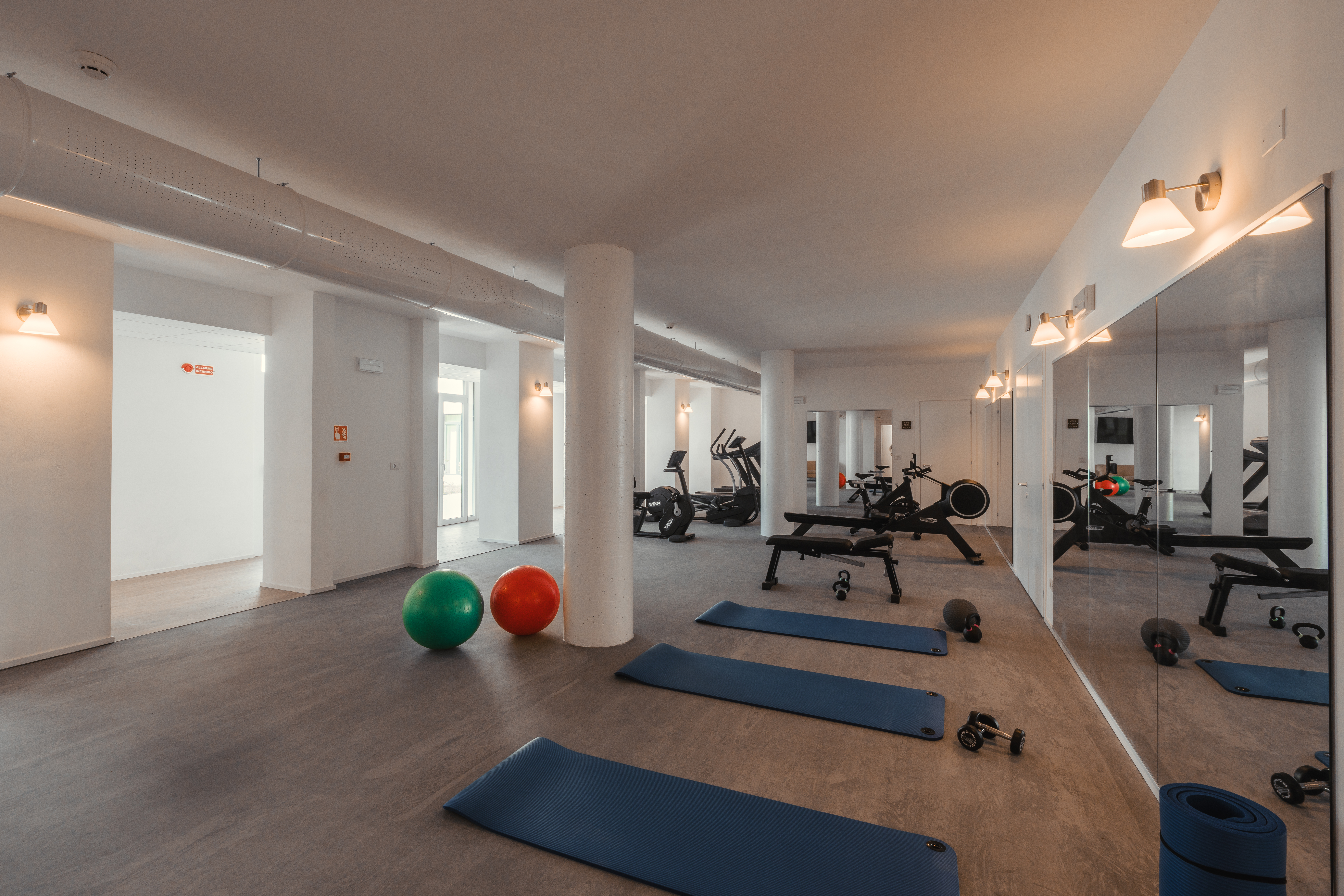 Turismo longevity, Guild Living punta sull’Italia15 dicembre 2025
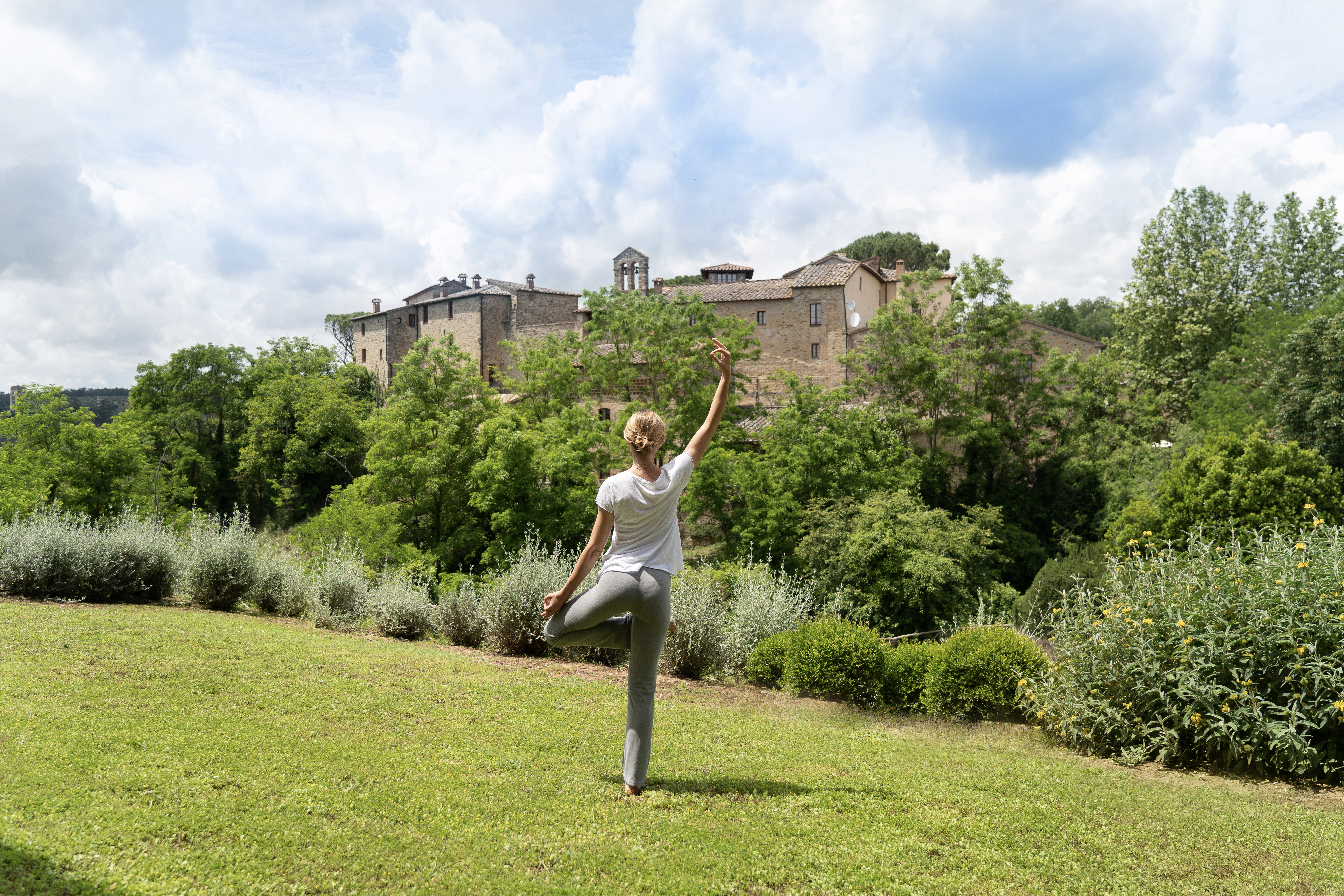 Castel Monastero: sogno di un’estate tutta Toscana17 giugno 2025
 Eventi, hotel e attività per viaggiare in compagnia dei pet29 aprile 2025A Siena nasce tavolo di lavoro sulla sostenibilità30 agosto 2024