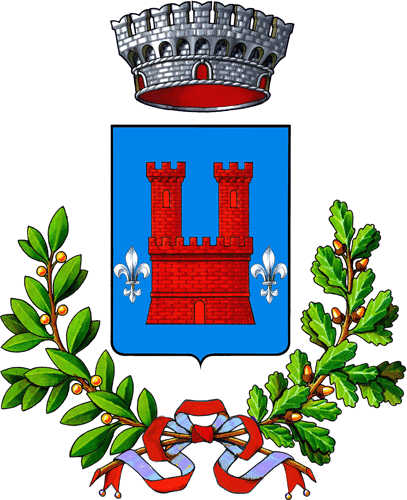
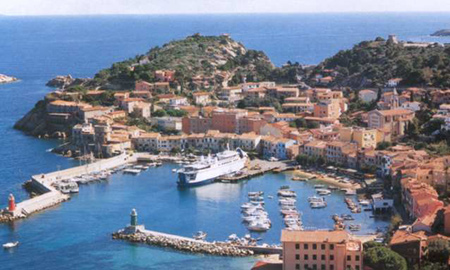
Giglio Island is a charming and picturesque Tuscan municipality that is located on a namesake island in the Tyrrhenian Sea. Situated on the western coast of Italy, this corner of paradise is renowned for its natural beauty, crystal-clear waters, and rich history. The territory of Giglio Island covers approximately 21 square kilometers, with a varied landscape that offers majestic cliffs, sandy beaches, and lush vegetation, creating an atmosphere of tranquility and serenity. The municipality, which has just over a thousand inhabitants, possesses a timeless charm, partly due to its intact authenticity. In fact, the island has been inhabited since the Bronze Age, maintaining over the centuries an unmistakable cultural and historical identity, with evidence from the Etruscan and Roman periods. Giglio Island is divided into three main settlements: Giglio Porto, Giglio Castello, and Giglio Campese. Giglio Porto, formerly known as Pagus Allium, is the only real port of the island and is a lively hub of activity, with bars, small shops, and restaurants. It is also the first sight that welcomes visitors when they arrive by sea. Giglio Castello, with its medieval architecture and narrow cobblestone streets, is located in the center of the island, about 400 meters above sea level. Protected by fortified walls, Giglio Castello is known for its picturesque houses and charming alleyways, evoking a sense of nostalgic romanticism. Finally, Giglio Campese, located on the western coast of the island, is renowned for its wide sandy beach and its Genoese tower, which stands majestic against the horizon. Giglio Island has a typically Mediterranean climate, with hot summers and mild winters. Its location makes it a perfect destination for scuba diving and snorkeling, thanks to its clear waters and the presence of a rich and varied marine fauna. This natural side of the island offers an incredible variety of landscapes that range from shallow waters to deep sea, providing an ideal habitat for numerous species, including dolphins, whales, and countless species of fish. In addition to its natural beauty, Giglio Island has a rich and fascinating history. During the Etruscan period, the island was an important commercial center and later became a strategic point during the Roman era, due to its strategic position in the Tyrrhenian Sea. In conclusion, Giglio Island is a hidden gem of Tuscany, a place where time seems to have stopped, where unspoiled nature blends with the fascinating history and culture of the island, making it a place of relaxation, adventure, and discovery. It is an ideal destination for a holiday of tranquility, but with the possibility of brightening the days with outdoor activities, from discovering the local fauna and flora to exploring its rich historical and cultural sites.
No membership group specified.
The Island of Giglio, located in the Tuscan Archipelago, is a place full of charm, characterized by the harmonious combination of enchanting natural beauty and local productive activities. The local businesses thriving on this island are the pride of Tuscan tradition and an example of how the community manages to keep its ancient artisanal, agricultural, and commercial traditions alive, while respecting the peculiarities and delicate balance of the surrounding environment. The economy of the Island of Giglio is strongly linked to agriculture, fishing, and craftsmanship, sectors that are vital for the survival of the island community. There are also tourism-related activities, which have been gaining popularity in recent years thanks to the increasing popularity of the island as a travel destination. Among the agricultural activities, viticulture stands out. The island is famous for the production of fine wines, in particular the renowned Ansonaco. This wine, known for its unique characteristics and persistent taste, is produced according to ancient traditional methods. Visits to local wineries are therefore a unique opportunity to learn about the production techniques of this precious nectar that expresses the viticultural soul of the island. In addition to viticulture, olive growing also plays a predominant role. The hills of the island are dotted with small olive groves that produce a robust and intense extra virgin olive oil, highly appreciated by connoisseurs. Another highlight of the island's economy is fishing. The island's geographical position, the richness of the marine seabed, and the long tradition of local fishermen make the Island of Giglio one of the most renowned places for lobster fishing. The local fishing industry is mainly based on lobster fishing, but also includes the fishing of many other marine species that are then sold in the island's restaurants, where you can taste the fresh catch of the day. Finally, one cannot forget about craftsmanship, a true symbol of Made in Italy. On the island, there is a flourishing activity of producing artistic ceramics, jewelry, and wrought iron. The art of basket weaving, passed down from generation to generation, also finds one of its best exponents here. Each of these productive sectors contributes not only to supporting the local economy, but also to preserving and enhancing the traditions and knowledge of the Island of Giglio. Attention to the environment and the preservation of natural resources, love for one's laborious craft, and genuine hospitality are the ingredients that make this island a unique place. Seen from this point of view, the local businesses of Giglio are not just production facilities, but true bastions of a culture and a millennia-old history that deserve to be known and appreciated.
The Municipality of Isola del Giglio, registered with the ISTAT code 53012, is a territorial entity located in the heart of the Tyrrhenian Sea, characterized by a series of socio-economic and demographic conditions distinguished by some salient elements. The municipality has a total population of 1,294 inhabitants, of which 688 are males and 606 are females. It is interesting to note the presence of a significant foreign community, composed of 148 individuals, which adds an additional dimension of diversity to the structure of the local population. Geographically, Isola del Giglio extends over an area of almost 24 square kilometers, with a fairly compact and concentrated territorial shape. In terms of housing facilities, the total number of dwellings as of December 31, 2021 was 2,740 units, of which 788 were occupied and 1,952 were unoccupied. This data should be considered from the perspective of potential investment, especially in sectors such as real estate and tourism, which could benefit from the availability of such a large number of unoccupied dwellings. Analyzing the tourism sector, there is a significant presence of establishments of different categories. Overall, the island hosts 12 hotels, offering 575 beds, 279 rooms, and 293 bathrooms. Additionally, the municipal territory boasts a large number of non-hotel accommodations (101 in total including hostels, commercially managed rental houses, bed and breakfasts, and other lodging facilities). This indicates a potentially profitable accommodation offer for investors interested in the tourism sector. Isola del Giglio also possesses a significant cultural heritage, as evidenced by the presence of the municipal museum institute, which recorded 2,161 visitors in 2020. Despite the difficulties encountered during the year due to the pandemic, the museum maintained a flow of tourists that highlights the potential of the island's tourism-cultural sector. From a morphological point of view, the island has variable altimetry, with 83% of the territory not exceeding 300 meters in altitude and the remaining 17% positioned between 300 and 600 meters. This aspect, combined with its categorization as a coastal and island municipality, confirms the strong connection of Isola del Giglio with the sea and nature, a potential attraction for sustainable tourism and eco-friendly activities. In terms of accessibility, the municipality is relatively close to railway stations, airports, and highway access points, while maintaining unbeatable proximity to ports with passenger service. Overall, Isola del Giglio appears to be a promising territory in multiple aspects, offering multiple investment opportunities in real estate, tourism, and culture, thanks to its unique combination of demographic, geographic, and socio-economic characteristics.
Giglio Island, jewel-like from the heart of Tuscany and set to sparkle in the turquoise waters of the Tyrrhenian Sea, offers a spectacular array of captivating natural landscapes and historical monuments. This stunning Mediterranean island, partially protected by a marine area called the Tuscan Archipelago, seamlessly blends natural beauty with a rich history, making it a fascinating attraction for tourists from around the world. One of the island's most captivating sites is undoubtedly Giglio Castello, a magnificently preserved medieval structure that stands proudly on the island, surrounded by massive fortified walls. Its intricate streets are a labyrinth of historical charm, while vantage points offer breathtaking views of the entire island and the surrounding sea. Within the castle walls, you can discover the Church of San Pietro Apostolo, a splendid 15th-century church housing stunning frescoes and an interesting freestanding bell tower. To the north of the island, you'll find the village of Giglio Porto, a picturesque spot with pastel-colored houses reflected in the azure waters. The small port is dotted with a variety of bars, restaurants, and shops, and also offers boat rentals to explore the beautiful surrounding coastline. Religious life on the island is deeply rooted, and one of its most heartfelt celebrations is the feast of the patron saint, San Mamiliano, which falls on September 15th. The people of Giglio Island commemorate the saint with a grand procession of decorated boats, followed by a village festival featuring tastings of local dishes and musical events. Another religious festival is dedicated to San Rocco, on August 16th, celebrated with an evocative candlelit procession. One of the island's hidden beauties is the charming village of Giglio Campese, nestled in a cove on the western side of the island. At the center of this captivating spot is the Torre del Campese, an extraordinary watchtower built in the 17th century. It stands proudly on the islet of Rocca and offers panoramic views of the entire area. Inland, Giglio Island offers the opportunity to immerse yourself in nature, venturing along trails through a lush Mediterranean scrub landscape, amidst unforgettable scents and colors. Among the most famous is the path leading to the summit of Poggio della Pagana, the highest point on the island, from which you can admire a breathtaking view of the entire Tuscan archipelago. On the opposite side of the island are the ruins of the Villa of Domizi Enobarbi, a magnificent example of Roman architecture, overlooking the sea in a location of rare beauty. Finally, Giglio Island is famous for its Sagra del Totano, an annual event dedicated to the typical local dish, stuffed squid. This culinary festival, held in October, attracts tourists and island residents for an unforgettable experience of food and entertainment. Giglio Island, with its unparalleled combination of natural beauty, historical heritage, and vibrant local culture, represents an unparalleled destination for those seeking an authentic and diverse experience in Tuscany.
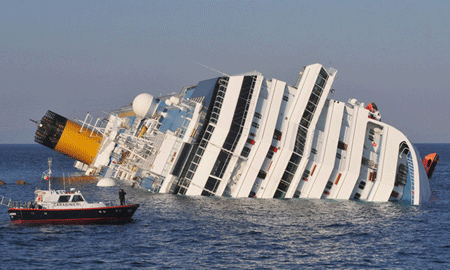 14 anni dopo in memoria delle vittime della Concordia12 gennaio 2026
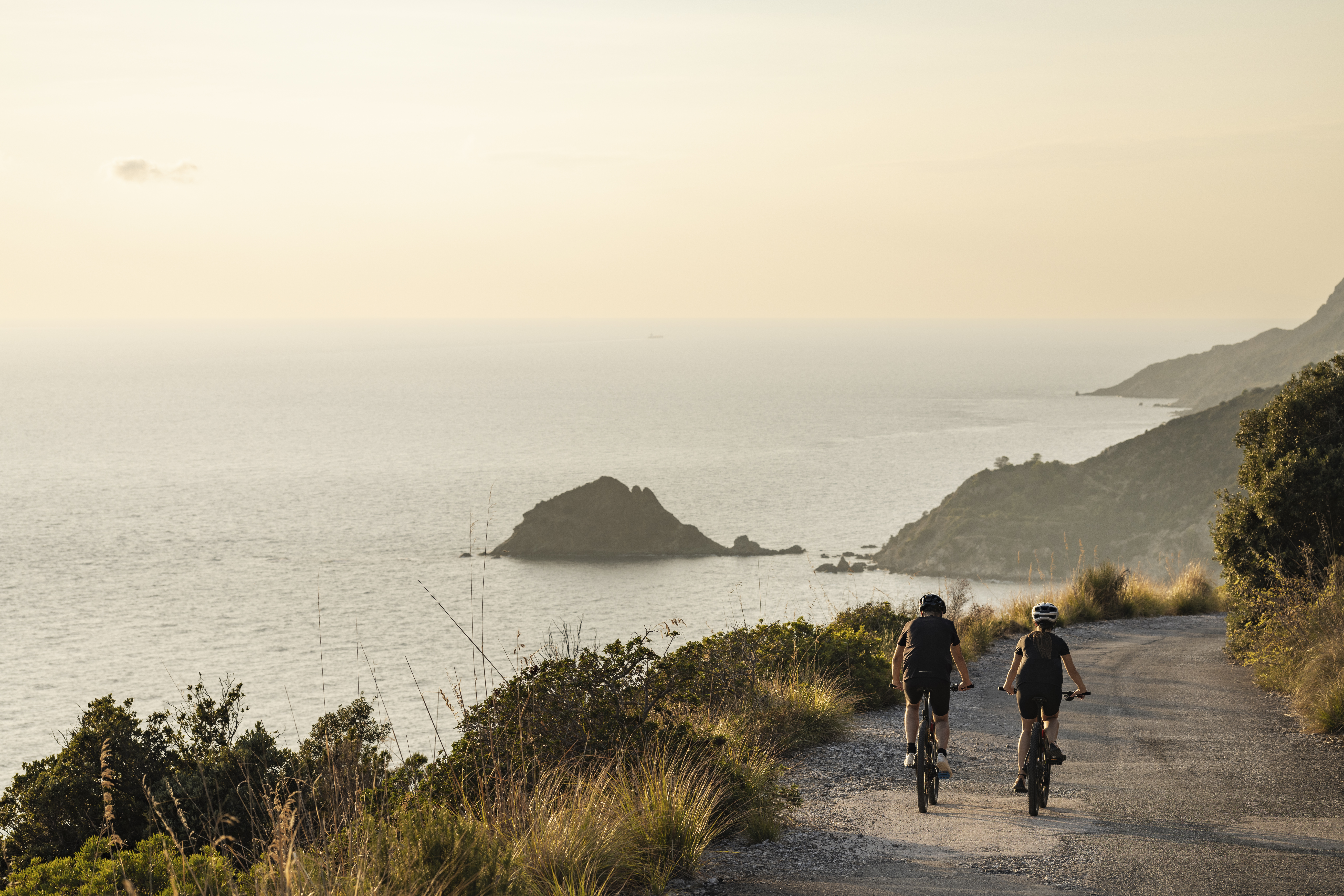 LA ROQQA: il fascino lento di una fuga toscana03 ottobre 2025
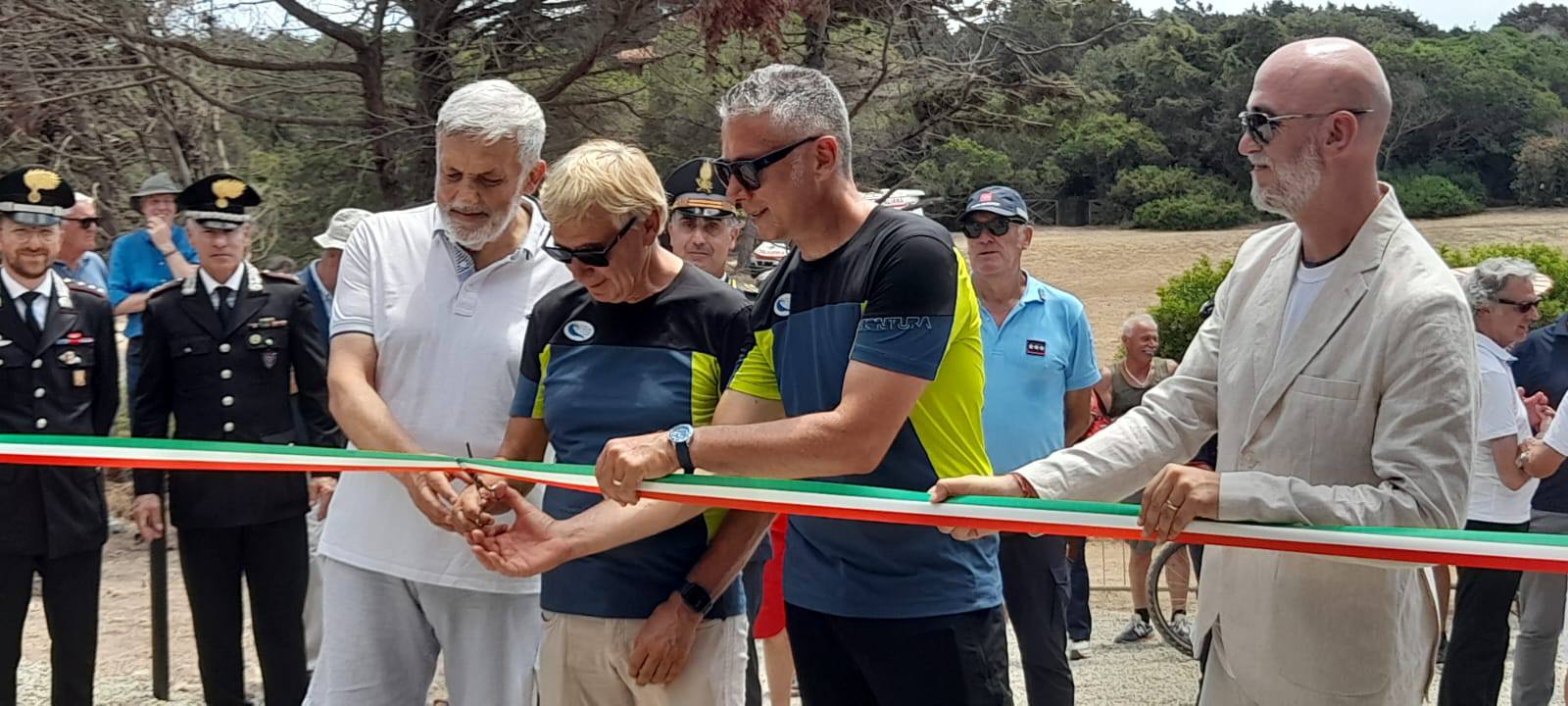 Isola di Giannutri, inaugurato Centro Servizi Parco Nazionale26 giugno 2025
 Dopo 12 anni una nave da crociera torna approdare al Giglio06 giugno 2023
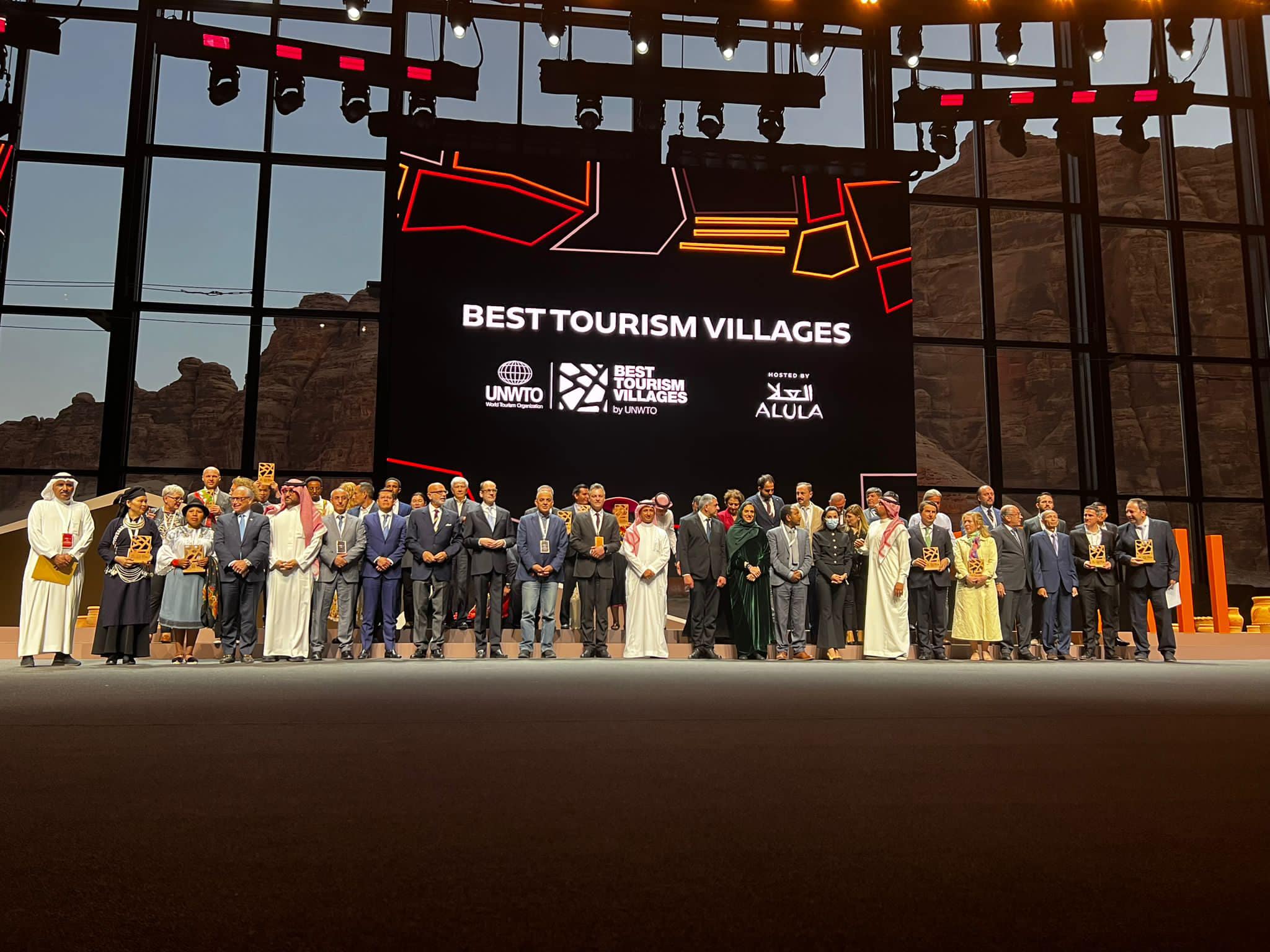 L’Italia autentica premiata dall’Unwto in Arabia Saudita13 marzo 2023
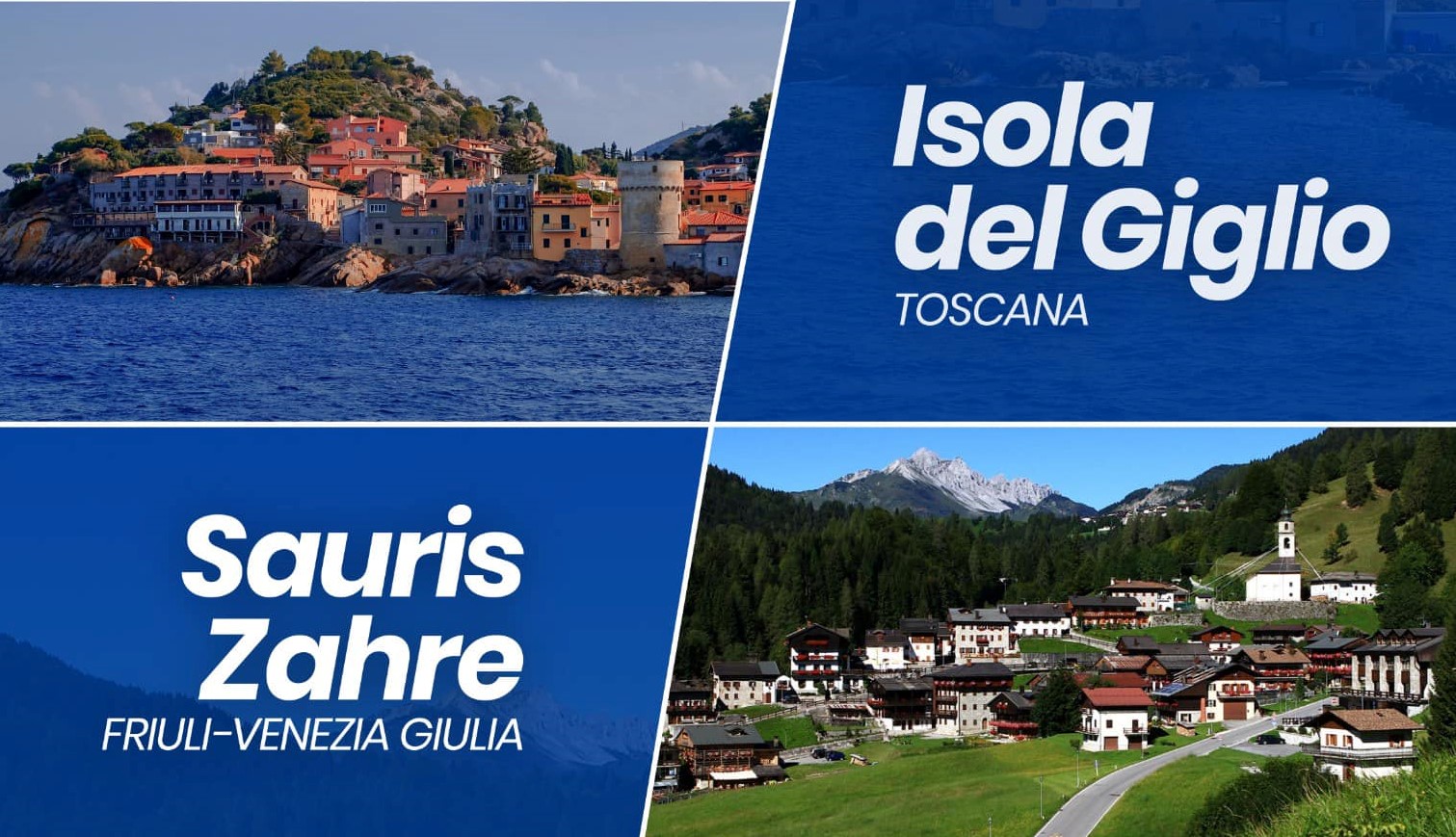 Unwto incorona Sauris e Isola del Giglio tra Best Tourism Villages 202221 dicembre 2022
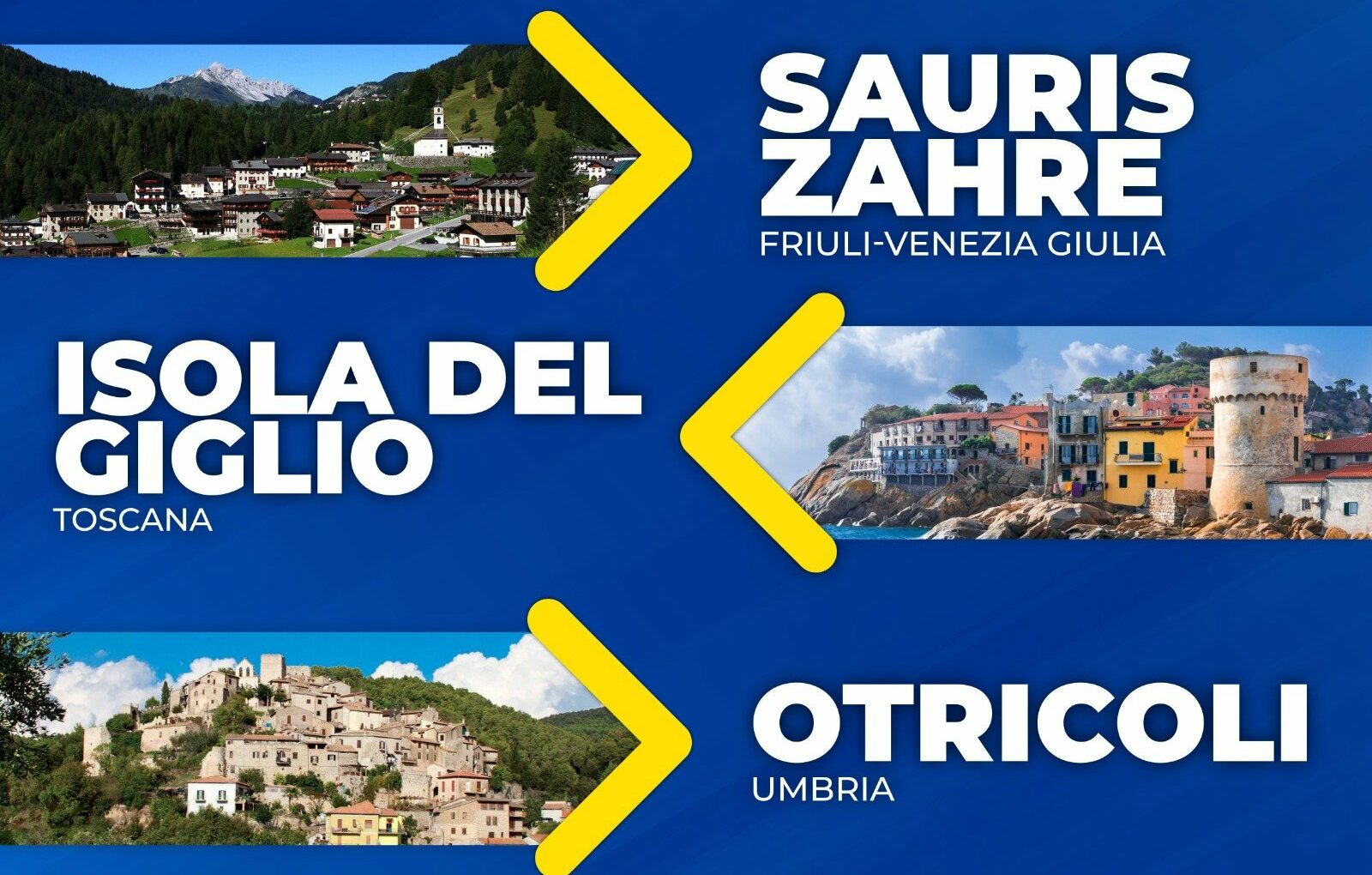 Best Tourism Villages, ecco i tre borghi candidati dall’Italia05 luglio 2022