Nestled along Sicily's northern coast, Cinisi lies between the rugged profile of Capo Rama and the clear waters of the Tyrrhenian Sea, about thirty kilometers from Palermo. The municipal territory extends along a strip that connects sea and countryside: golden beaches like Magaggiari alternate with citrus groves, vineyards, and olive groves that climb the slopes of Pizzo Corvo hill. This blend of coastal and rural landscape has, since ancient times, favored the settlement of populations who lived from fishing, agriculture, and maritime trade; even today, the variety of colors and scents speaks of a profound connection with the land and the sea.
The first traces of organized life date back to the Elymian-Phoenician era, but it was Arab rule that left a tangible mark on irrigation systems and specialized crops. After the expulsion of the last Saracens, the fiefdom passed to Norman nobles and then to the powerful baronial families of the modern era, who built coastal towers, fortified farmhouses, and the Capo Rama tuna fishery to defend and exploit the coastline. In the 18th century, with the expansion of the La Grua-Talamanca family's baglio, the town took on an urban layout that, despite 19th-century additions and modern residential neighborhoods, still retains straight streets, small white limestone squares, and glimpses of internal courtyards brimming with citrus and prickly pear trees.
Behind the bright façades of its single-story houses, Cinisi preserves a rich historical and cultural heritage. The small church attached to the Palazzo dei Benedettini houses Baroque stuccoes and votive paintings; the Mother Church, dedicated to Santa Fara, boasts a remarkable 17th-century crucifix. The streets of the city center are alive with the memory of Peppino Impastato, a journalist and activist murdered by the Mafia in 1978. His birthplace hosts a multimedia exhibition that chronicles his fight for legality and freedom of speech. Every year in May, residents remember him with conferences, exhibitions, and a symbolic march along the street that now bears his name.
The calendar of events also features the Carnival, famous for its allegorical floats that parade down Corso Umberto amid confetti and music, and the Feast of San Giuliano, with seaside processions that unite the sacred and the profane. In summer, long outdoor evenings are filled with craft markets, folk music concerts, and tastings of blue fish, seafood couscous, and ricotta cassatelle—specialties that blend Arab, Norman, and peasant influences. The economy, once centered on tuna fisheries, watermills, and jasmine cultivation for the perfume industry, today diversifies into seaside tourism, agritourism, small family-run wineries, and the Falcone e Borsellino airport, which falls partly within the municipality.
Nature lovers find refuge in the Capo Rama Nature Reserve, a limestone promontory dotted with Mediterranean scrub, flowering garrigue, and a 16th-century tower dominating the horizon. Scenic trails lead to picturesque coves and vantage points perfect for admiring peregrine falcons, herring gulls, and spectacular sunsets over the Gulf of Castellammare. Thus, between history and landscape, civic memory and vibrant traditions, Cinisi reveals itself as a Sicilian microcosm: a place where daily life still retains the slow pace of coastal villages, yet vibrates with ancient and modern passions that make every visit an authentic encounter with the soul of the island.
In the Cinisi area, local businesses are the economic and social heart of the municipality, combining family histories, tradition, and innovation. Agriculture remains a cornerstone: family-run businesses cultivate citrus fruits, vineyards, and olive groves on the surrounding hills, focusing on quality artisanal products. The extra virgin olive oil and wine produced in these areas demonstrate a connection to the landscape, leveraging time-honored methods but with a modern focus on sustainability.
The fishing industry, with fishermen working along the coast, guarantees fresh fish that supplies markets, restaurants, and local cooperatives. It is a direct economy, tied to the sea, which keeps alive ancient rituals of filleting, preparation, and delivery of the catch, helping to sustain the area's gastronomic identity.
Alongside these sectors, small artisan businesses stand out: ceramics workshops, carpentry workshops, and metal workshops create furnishing accessories, restorations, and custom-made objects, often inspired by island tradition. These workshops, though small, emphasize handmade craftsmanship and the revival of local techniques, creating unique pieces that combine aesthetics and functionality.
In the hospitality sector, family-run agritourisms, holiday homes, and B&Bs welcome visitors seeking authentic experiences. Nestled among olive groves or overlooking the sea, these establishments offer not only accommodations but also experiences related to traditional cuisine, olive harvesting, or walks through citrus groves, offering a stay rich in flavors and traditions.
The local service sector also plays a significant role: grocery stores, hardware stores, and digital craft businesses meet the community's daily needs, ensuring closeness and personal relationships with customers. Artisanal bakeries and pastry shops produce fresh bread and traditional desserts, while pizzerias and cafes offer hot dishes, often based on seasonal produce and local fish.
All these businesses, despite their modest scale, form the backbone of Cinisi's economy: they fuel the social fabric with employment, pass on traditional knowledge, and enhance the local area, making Cinisi a small Sicilian laboratory where history, creativity, and enterprise coexist and thrive.
The Cinisi area, with a population of approximately 11,948 in 2023, covers an area of 33.1606 square kilometers. The gender distribution shows a slight predominance of women over men, with 6,081 females and 5,867 males. The presence of foreigners is limited, with a total of 314 individuals.
Regarding housing, as of December 31, 2021, there were 4,832 occupied and 3,112 unoccupied homes, for a total of 7,944 units. Accommodation facilities are primarily 4-star, with 262 beds and the same number of rooms. However, there are also a few bed and breakfasts, for a total of 17 establishments and 84 beds.
From a tourism perspective, Cinisi offers few non-hotel accommodation options, with only 27 establishments and 874 beds in total. The presence of only one museum with 500 visitors in 2020 suggests potential for development in the cultural sector.
The area's geographic characteristics, with a prevalence of altitudes between 0 and 299 meters, offer opportunities for the development of activities related to nature tourism and hiking. However, the limited presence of luxury accommodations could pose a challenge to attracting a more discerning clientele.
Overall, Cinisi presents itself as an area with untapped tourism potential, which could benefit from targeted investments in the hotel and cultural sectors. The presence of a stable population and existing housing structures represents a strong point in attracting new investors interested in developing the area's resources.
Cinisi enchants visitors with an intriguing blend of natural beauty, history, and cultural vibrancy. The tourist hub unfolds along its coastline, where Magaggiari Beach offers wide sandy stretches and crystal-clear waters, perfect for families, water sports, or simply sunbathing. Continuing west, the Capo Rama Reserve stands like a natural balcony overlooking the Tyrrhenian Sea: here, paths along the cliffs and hidden coves lead to the historic coastal tower, an ideal vantage point for admiring fiery sunsets and spotting seabirds. The wild environment, punctuated by Mediterranean scents, invites rejuvenating walks and immersions in the tranquil landscape.
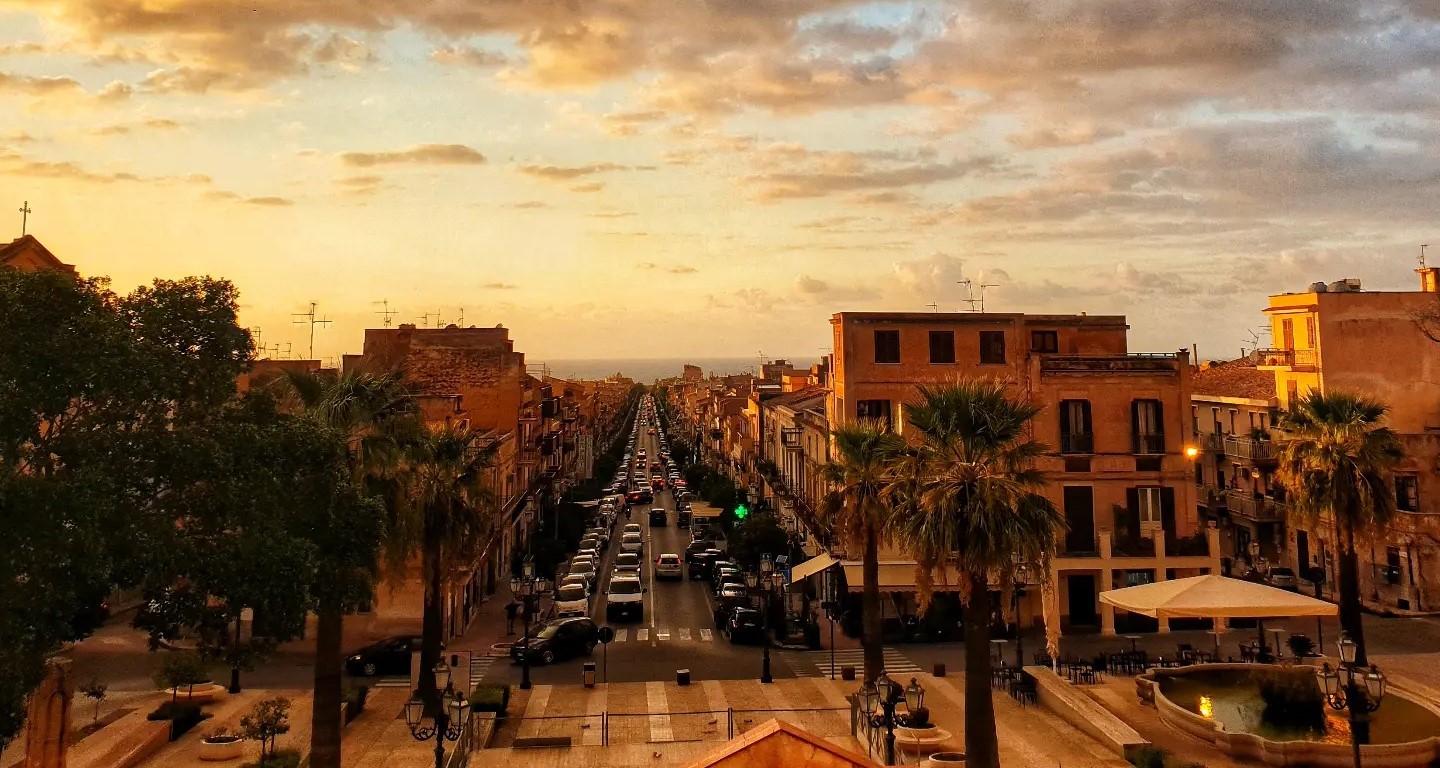
In the town center, the journey to discover local roots passes through wide, quiet streets, dotted with sunny squares lined with palm trees and citrus groves. The Mother Church of Santa Fara, with its simple structure enriched with period interior details, represents a fascinating stop between art and spirituality. Nearby, the birthplace of Peppino Impastato is a place of remembrance and reflection: here, one can sense the civic courage that has profoundly shaped Italian history and which the town passionately celebrates every year.
In spring and summer, Cinisi comes alive with popular events: the popular Carnival, famous for its parade of allegorical floats, transforms the streets into an explosion of color, music, and festivities. Meanwhile, maritime festivals, such as the processions in honor of San Giuliano, blend sacredness and spectacle with decorated boats and evocative water passages. Artisan markets and food festivals enliven summer evenings, offering opportunities to sample local specialties such as fish couscous, sweet cassatelle, and traditional seafood dishes.
For nature lovers, the hills surrounding the town offer scenic routes through vineyards and olive groves, dotted with agritourisms and family-run wineries where you can taste wines, olive oils, and local produce. Cycling or walking through these rural landscapes allows you to appreciate Sicily in an authentic way, away from the tourist crowds. In short, Cinisi presents itself as a versatile destination: sea, nature, historical memory, and traditions blend harmoniously to offer authentic and meaningful experiences to every visitor.
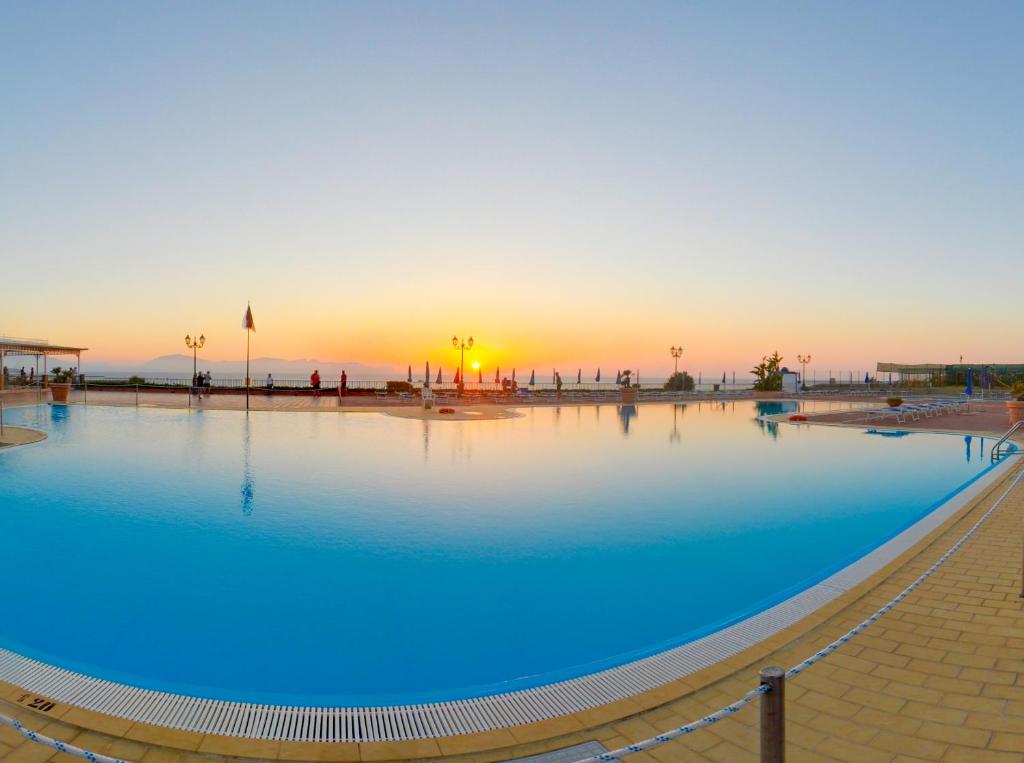 Alpitour acquisisce il Florio Park Hotel: riapertura nel 202619 dicembre 2025
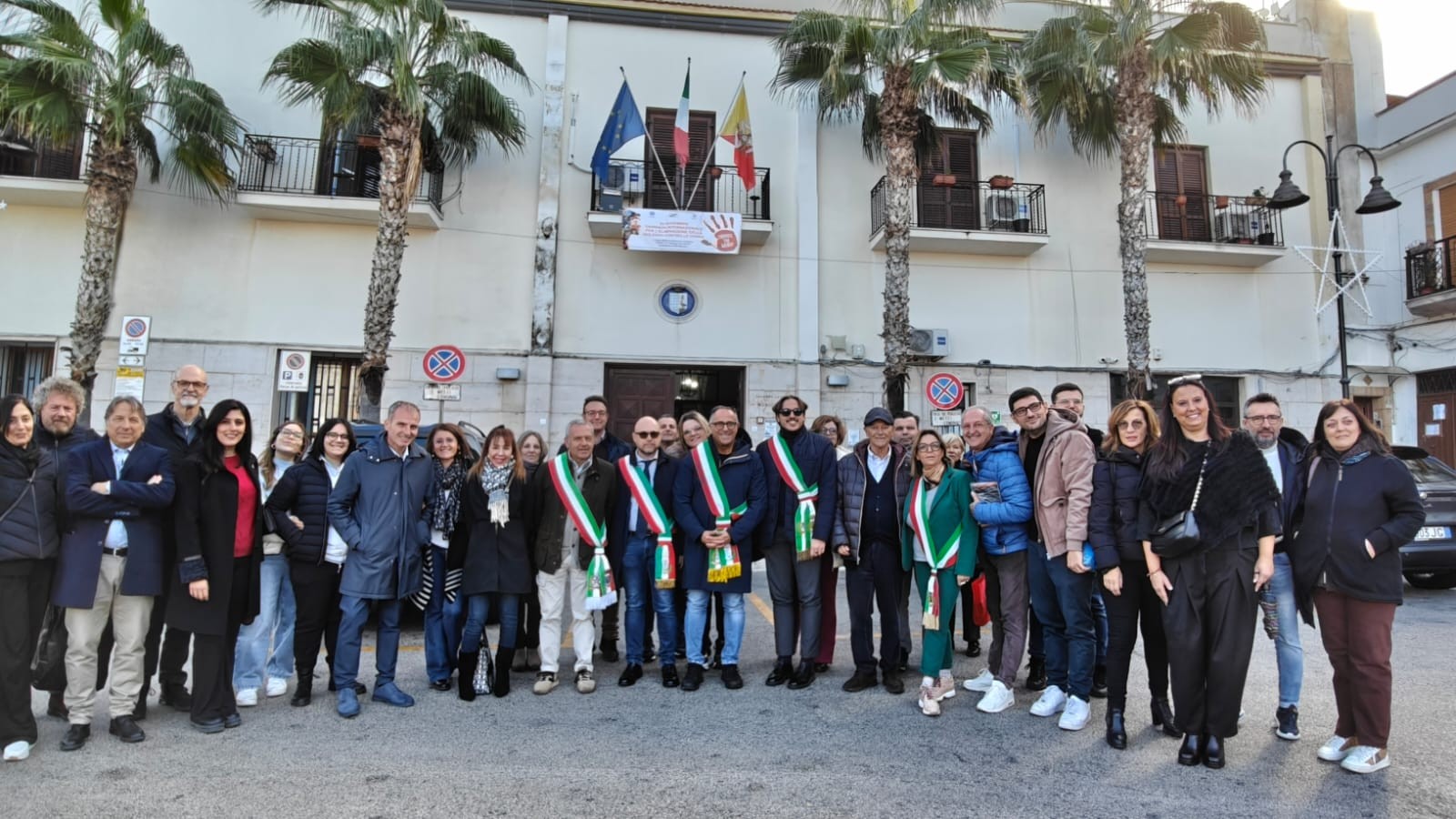 Terrasini sigla gemellaggio con il lago di Bolsena01 dicembre 2025
 A Cinisi sbarca ‘Prima Onda Fest’26 settembre 2025
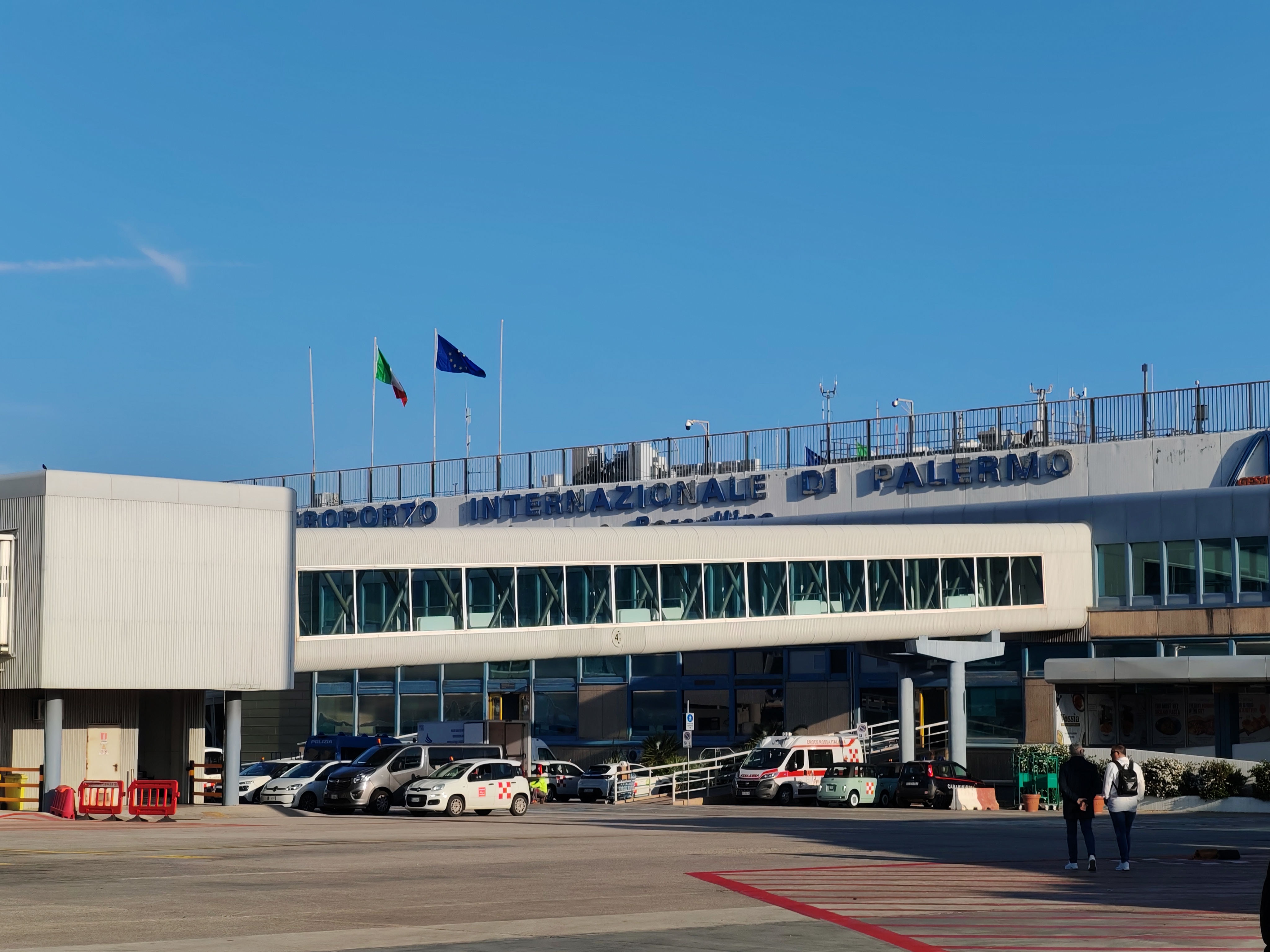 Dopo Catania anche Palermo punta a privatizzare lo scalo29 agosto 2025
 Una rete extralberghiera ed esperienze autentiche per far ripartire la Sicilia27 agosto 2025
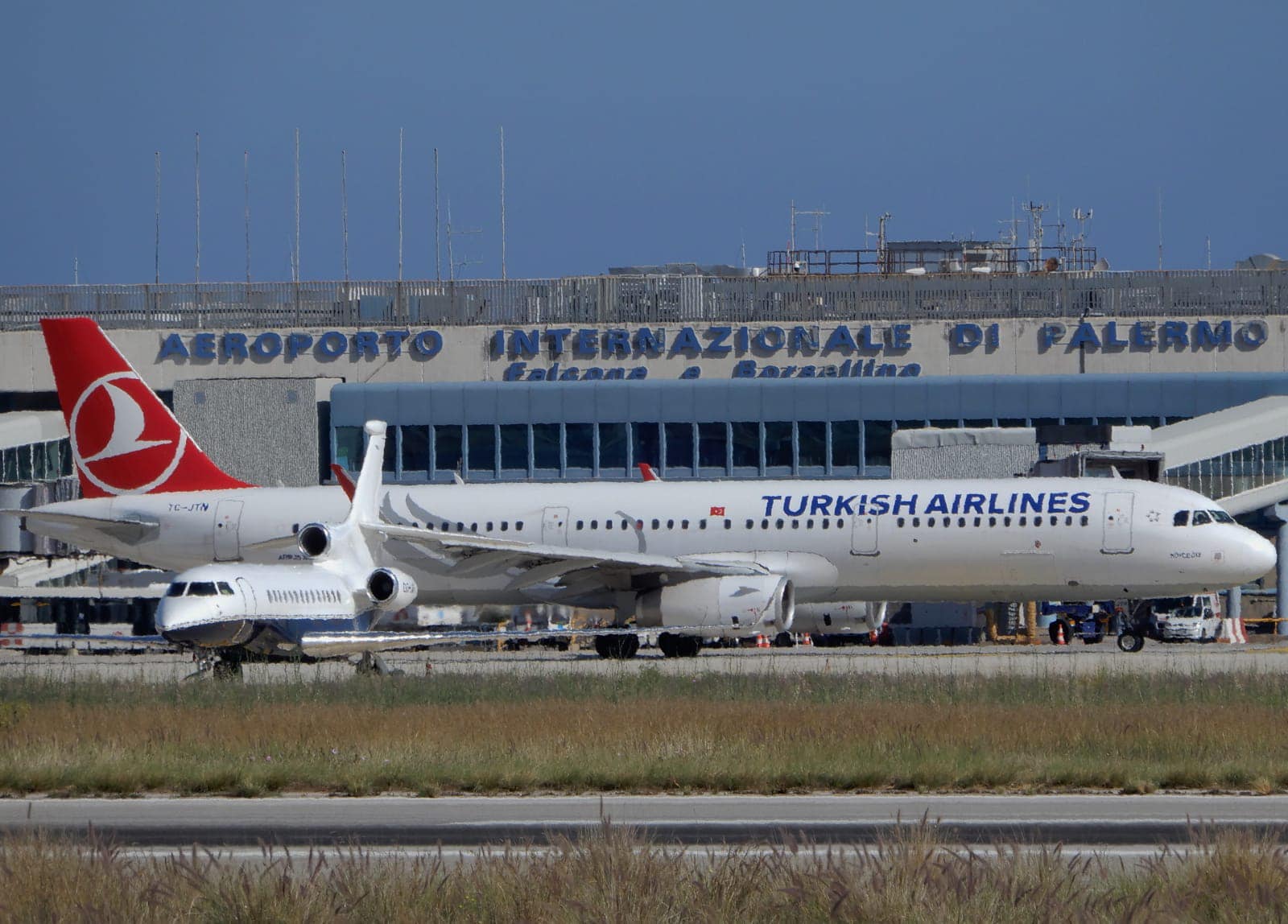 Diritti d’imbarco su aerei, 750 mila euro a Comune Cinisi01 agosto 2025
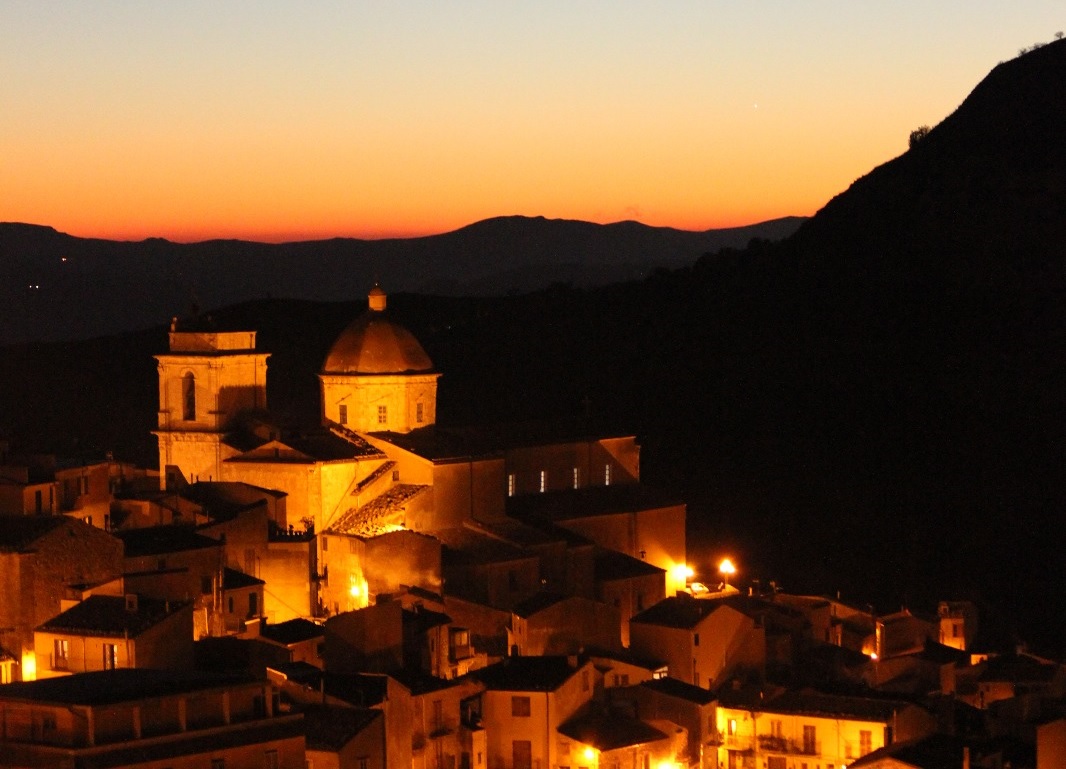 Al via Le Notti di BCsicilia: 50 eventi per valorizzare il territorio22 luglio 2025
 Nasce a Cinisi la Pro Loco Next Gen14 aprile 2025
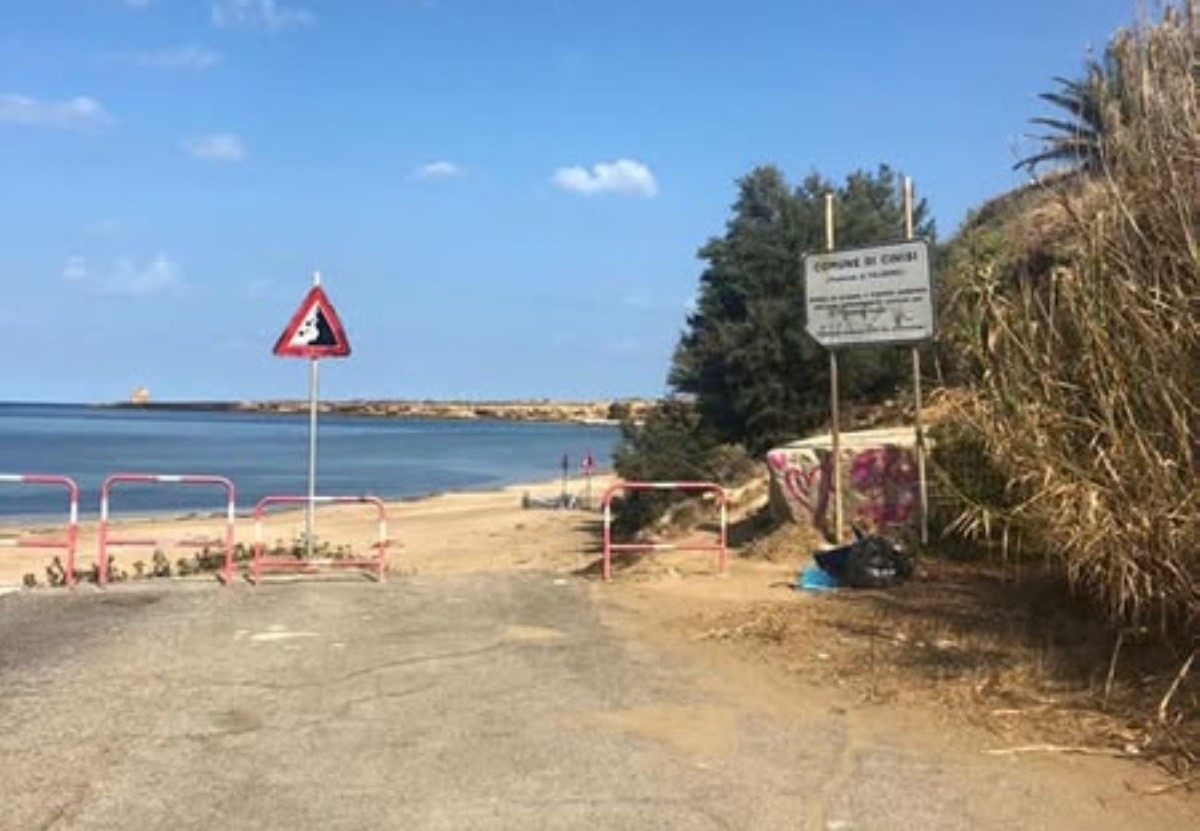 Al via lavori a Magaggiari. Schifani: veloci per garantire stagione15 febbraio 2025
 A Cinisi incontro su digitalizzazione e innovazione nel turismo10 gennaio 2025