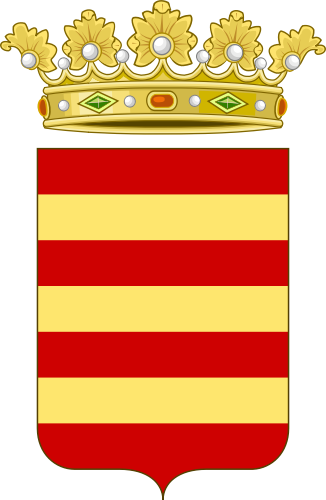
Lercara Friddi, a municipality in the Metropolitan City of Palermo, is steeped in a complex and fascinating history, making it one of the most important towns in inland Sicily. Although its territory boasts traces of settlement since prehistoric times, its modern identity is inextricably linked to the sulfur saga.
The current village was officially founded in 1595 by the noble Scammacca family, but it was in the 19th century that Lercara experienced its heyday, becoming the "capital" of the Palermo sulfur basin. Intense mining attracted capital, entrepreneurs, and labor, giving rise to a vibrant and cosmopolitan social fabric, earning it the nickname "Little Palermo." This glorious and dramatic past is still visible in the elegant Art Nouveau villas built by mine managers and in the industrial archaeology that dot the surrounding landscape. The history of Lercara Friddi is also intertwined with that of two 20th-century Italian-American icons: the famous mafia boss Lucky Luciano was born here, and Frank Sinatra's father left from here to seek his fortune in America.
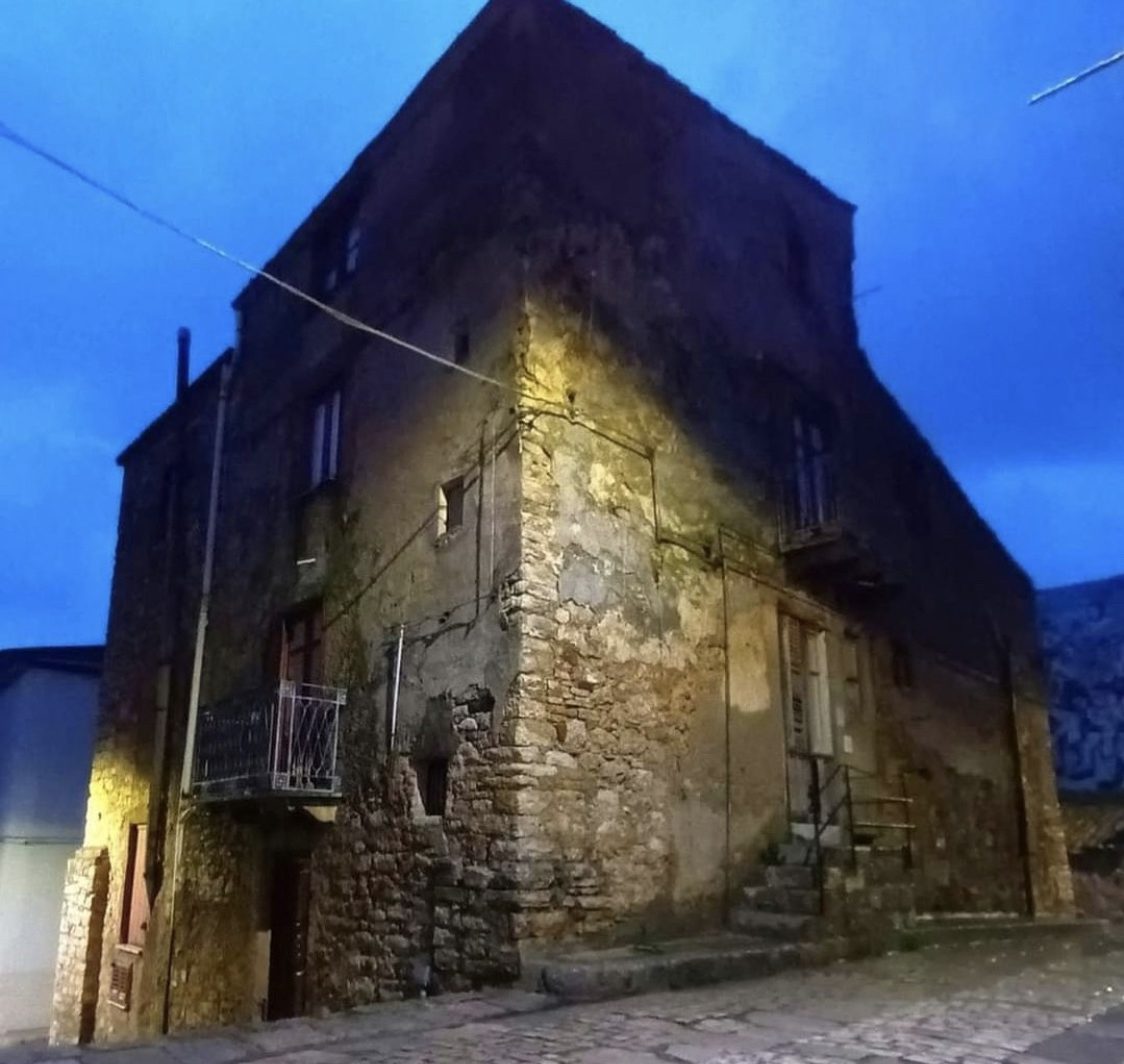
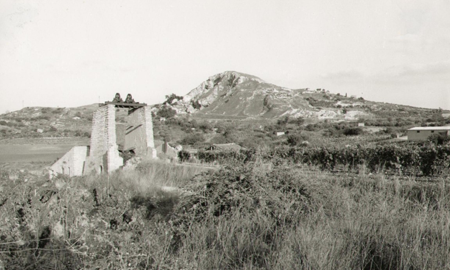
Today, the historic center, with its narrow streets and lively squares, tells this unique story. Among the religious buildings, the Mother Church of Santa Maria della Neve stands out, housing valuable works of art. The surrounding landscape, characterized by hills and mountains, offers breathtaking views and the opportunity for excursions to discover the remains of ancient mines, silent witnesses to an era of toil and wealth.
The community of Lercara Friddi is known for its hospitality and strong sense of belonging, which is manifested in its traditions and religious holidays. The typical cuisine reflects Sicily's rural soul, with authentic and genuine flavors. With the decline of the mining industry, the economy has refocused on agriculture and crafts, with the production of high-quality olive oil, wine, and cheeses. Tourism, attracted by the beauty of the landscape and the historical and cultural richness, represents a growing sector.
In Lercara Friddi, local businesses are a key economic driver, leading an extraordinary story of reconversion that has transformed its past as the "sulfur capital" into a present founded on quality, tradition, and the valorization of the territory.
Farms are the most authentic testimony to this return to the land. After the mines closed, the community rediscovered its ancient vocation, passionately cultivating the surrounding hills. Here, family-run farms produce top-quality extra virgin olive oil, robust wines, citrus fruits, and, above all, the wheat that characterizes the Sicilian hinterland.
The restaurant sector is another flagship. Numerous trattorias and restaurants offer traditional dishes, where local products—cheeses, cured meats, fresh pasta, and artisanal desserts—are the undisputed protagonists. Lercarese cuisine expresses the flavors of a genuine Sicily, tied to the land and its seasonal cycles.
The artisan workshops, specializing in woodworking, ceramics, and wrought iron, are the precious legacy of a community that has always known how to shape materials. They produce unique, high-quality objects, appreciated far beyond the region's borders, keeping ancient techniques and knowledge alive.
Commercial and service businesses complete the economic picture. Clothing stores, grocery stores, professional firms, and real estate agencies not only provide essential goods to the community, but also support a growing tourism sector, attracted by Lercara's unique history, its Art Nouveau architecture, and the charm of its industrial archaeology.
In conclusion, the businesses of Lercara Friddi are not only economic activities, but also custodians of memory. With their activities, they contribute to writing a new chapter for the "Little Palermo" of the past, keeping alive the roots and culture of a place that continues to prosper and grow with pride.
The Lercara Friddi area, with a population of 6,115 in 2023, covers an area of 37.4914 square kilometers. The gender distribution shows a slight predominance of women over men, with 3,221 females and 2,894 males. The presence of foreigners is limited, with a total of 133 individuals.
As of December 31, 2021, there were 4,942 homes, of which 2,643 were occupied and 2,309 unoccupied. Accommodation facilities are almost nonexistent, with no hotels or significant tourist facilities. However, there are three B&Bs with a total of nine beds.
Geographically, the area features a variety of altitudes, with most of the area lying between 300 and 899 meters above sea level. This characteristic could offer opportunities for the development of activities related to nature tourism and hiking.
From an economic perspective, the lack of tourism infrastructure could pose a challenge for potential investors interested in developing the tourism sector. However, the presence of valuable cultural and landscape heritage could provide a solid basis for investments in real estate and commercial sectors, with a focus on hospitality and the valorization of local resources.
In conclusion, despite the challenges associated with the scarcity of accommodation facilities, the Lercara Friddi area offers interesting investment opportunities for those willing to leverage its natural and cultural resources, focusing on sustainable, high-quality tourism.
Lercara Friddi, a Sicilian town rich in charm, offers a unique visitor experience, steeped in a history that sets it apart from every other village on the island. Its main attraction, in fact, is not a medieval castle, but the legacy left by its glorious and dramatic era as the sulfur capital.
Its past as a "mining town," which in the 19th century made it a cosmopolitan and vibrant hub, earning it the nickname "Little Palermo," is reflected in its architecture. Strolling through the center, you can admire the elegant Art Nouveau villas, sumptuous residences of mine managers and engineers, which today interact with the evocative industrial archaeology remains of the surrounding mining sites. The spiritual heart of the community is the Mother Church of Santa Maria della Neve, an imposing building that houses precious works of art and represents an important symbol of devotion.
For nature lovers, the surroundings of Lercara Friddi offer the opportunity to immerse themselves in unique hilly landscapes, shaped by agriculture and marked by the memory of ancient mines. Here, you can go on excursions to discover the flora and fauna typical of the Sicilian hinterland, enjoying breathtaking views.
Lercara Friddi also boasts a rich and authentic culinary tradition, with dishes that reflect its rural soul. Local specialties, prepared with local produce such as wheat, oil, and cheeses, delight visitors' palates. The village's history is also intertwined with that of two 20th-century icons: Frank Sinatra's father left from here and the famous Lucky Luciano was born here, events that inextricably link Lercara to the great story of Italian-American emigration.
The authentic atmosphere and the warm welcome of the locals, proud of their past, make your stay an unforgettable experience. Visiting Lercara Friddi means taking a different kind of journey, discovering an unexpected Sicily, where industrial history blends with agricultural tradition, leaving a profound mark on the hearts of those fortunate enough to explore it.