Pollina is a charming mountain village located in the northern part of Sicily, in the province of Palermo. Perched on the slopes of the Madonie Mountains, over 700 meters above sea level, this small town retains the charm of an ancient village, with a medieval urban layout, narrow cobbled streets, and a remarkable historical and cultural heritage.
The municipality, which extends over a predominantly hilly and mountainous area, also includes the seaside resort of Finale, located along the Tyrrhenian coast and more accessible than the historic center.
Pollina's origins date back to ancient times, likely dating back to the Roman period, although it was during the Middle Ages that the village assumed a prominent role in the Madonie area. For centuries, it was ruled by various noble Sicilian families, including the Ventimiglia family, who left behind important architectural and urban heritage. Its strategic and dominant position offered natural control over the surrounding valleys and guaranteed a certain level of security against coastal raids.
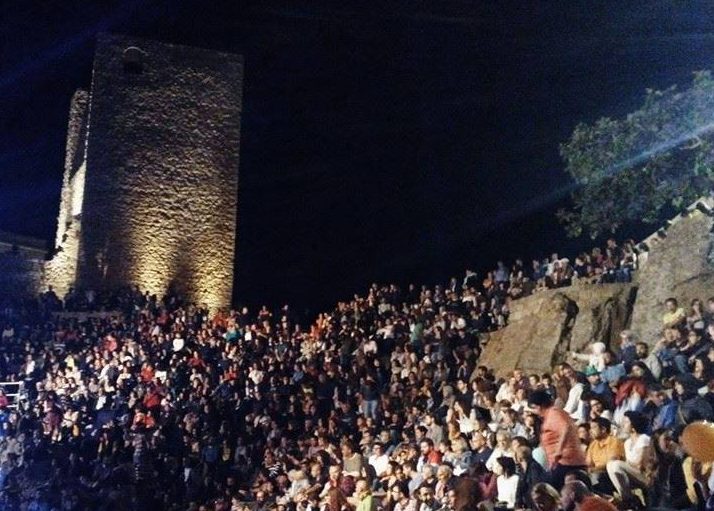
Pollina's historic center is distinguished by its buildings made of local stone, historically significant churches, and spectacular panoramic views overlooking the Tyrrhenian Sea and the peaks of the Madonie Mountains. Among the most interesting sites is the Teatro Pietra Rosa, a modern amphitheater built in the 1980s from local stone and perfectly integrated into the landscape. The structure hosts cultural events and open-air performances, offering spectators breathtaking views of the sea and mountains.
Another significant landmark is the Chiesa Madre, dedicated to Saints John and Paul, which preserves Baroque architectural elements and valuable works of art. Walking through the town, you can breathe in the authentic atmosphere of an ancient, less touristy Sicily, characterized by silence, rural traditions, and a close connection with the surrounding nature.
From a naturalistic perspective, Pollina is an excellent starting point for exploring the Madonie Park, one of Sicily's most important protected areas. The trails that wind through the woods offer opportunities for hiking, trekking, and observing the local flora and fauna. The vegetation ranges from oak and beech forests to olive and hazelnut groves, which also represent an important economic resource for the local community.
The coastal village of Finale, on the other hand, represents Pollina's maritime side. Here, you'll find sandy beaches, accommodations, and a vibrant summer tourism scene. The contrast between the medieval hilltop village and the seaside resort makes Pollina a place capable of offering diverse experiences, combining the tranquility of the hinterland with the dynamism of the coastline.
Pollina is therefore a place that embodies the most authentic identity of Sicily, with its history, pristine landscapes, deep-rooted traditions, and genuine hospitality. A little gem worth discovering and enjoying.
 Associazione: Anci Sicilia
→
Associazione: Anci Sicilia
→
 Gruppo di Azione Locale: GAL Madonie
→
Gruppo di Azione Locale: GAL Madonie
→
 Investimento Territoriale Integrato: La Costa d’oro Smart Land
→
Investimento Territoriale Integrato: La Costa d’oro Smart Land
→
 Parco: Parco delle Madonie
→
Parco: Parco delle Madonie
→
Pollina, a small gem located in the heart of the Madonie Park, boasts a vibrant network of local businesses that embody the authenticity, tradition, and innovation of the region. At the heart of the economy are artisanal businesses capable of exploiting natural resources sustainably: a prime example is the production of manna, a sweet resin extracted from ash trees, managed by small family-run businesses that maintain centuries-old agricultural techniques. This traditional product, with its intensely sweet flavor, is now also promoted in artisanal workshops where the raw materials are transformed into sweets, syrups, and natural cosmetics, contributing to the revitalization of the region.
In terms of agritourism, several accommodations offer warm hospitality to visitors, focusing on slow, relational tourism. These businesses stand out for their artisanal attention to detail: rooms with wood and Madonie stone furnishings, breakfasts featuring homemade jams and locally sourced ingredients, often sourced from their own gardens, olive groves, and small vineyards. Agricultural cooperatives producing superior extra virgin olive oil, local cured meats, and cheeses are a must-see, often distributed at Sunday markets or served in the village's traditional restaurants.
The commercial fabric includes traditional workshops producing hand-painted artistic ceramics, embroidered fabrics, and artisanal souvenirs—all unique pieces that tell the story and cultural roots of the community. There is no shortage of service businesses, such as environmental hiking guides, cave excursions, and botanical or historical tours, designed to showcase the natural and architectural treasures of the Madonie. Finally, new generations of entrepreneurs are emerging who leverage digital technologies to sell traditional products online, while remaining firmly rooted in the local area.
This blend of agricultural tradition, craftsmanship, rural tourism, and innovation makes Pollina's businesses key players in local development based on sustainability, quality, and local identity, offering visitors and the community an authentic and sustainable experience.
The Municipality of Pollina, with a population of 2,829 in 2023, covers an area of almost 50 square kilometers. The gender distribution is balanced, with 1,395 males and 1,434 females. The presence of foreigners is limited, with only 55 individuals. There are 3,819 dwellings in the area, of which 1,339 are occupied and 2,480 are unoccupied. This could indicate a potential real estate market worth exploring for residential investments.
Regarding tourism, Pollina has two hotels with a total of 998 beds and 363 rooms. Additionally, there are campsites, agritourism facilities, rental accommodations, and other accommodations offering a total of 1,780 beds. This sector could represent an interesting opportunity for tourism investors.
Geographically, the Pollina area features diverse elevations, with most of the area ranging between 300 and 599 meters above sea level. This range of altitudes could foster the development of activities related to nature tourism and hiking.
Furthermore, the presence of museums and cultural institutions could attract visitors interested in the area's history and culture. However, further investment in this sector may be necessary to fully exploit Pollina's cultural heritage.
In conclusion, Pollina offers interesting investment opportunities in the real estate, tourism, and cultural sectors. However, critical issues related to accommodation availability and tourism promotion may need to be carefully evaluated to maximize the area's development potential.
Pollina, a charming village located in the heart of the Madonie National Park in the province of Palermo, is a tourist destination captivating for its blend of nature, history, and tradition. Perched on a rocky promontory approximately 750 meters above sea level, the town offers breathtaking views that span from the peaks of the Madonie Mountains to the deep blue of the Tyrrhenian Sea.
One of its most evocative attractions is the Teatro Pietra Rosa, an amphitheater carved into the rock overlooking the sea. During the summer, it hosts cultural events and theatrical performances, offering spectators a unique experience of art and nature.
Walking through the historic center, you can admire the narrow stone streets, the ancient medieval-style houses, and the Mother Church of Saints John and Paul, an example of religious architecture of great artistic value. Not far away is the Torre del Marchese, once a lookout point, now a symbol of the town's history and identity. Nature lovers can explore the trails that wind through the Madonie woods, ideal for hiking and birdwatching, or visit the hamlet of Finale, the seaside resort of Pollina, characterized by sandy beaches and crystal-clear waters.
Pollina is also renowned for its artisanal traditions, such as the processing of manna, a natural resin extracted from ash trees, which is still harvested here using ancient methods. Throughout the year, the town hosts festivals and folkloristic events that allow visitors to discover the authentic flavors of local cuisine and experience festive moments in close contact with the community. With its mix of scenic beauty, cultural heritage, and authenticity, Pollina is an ideal destination for those seeking slow, authentic, and emotionally charged tourism.
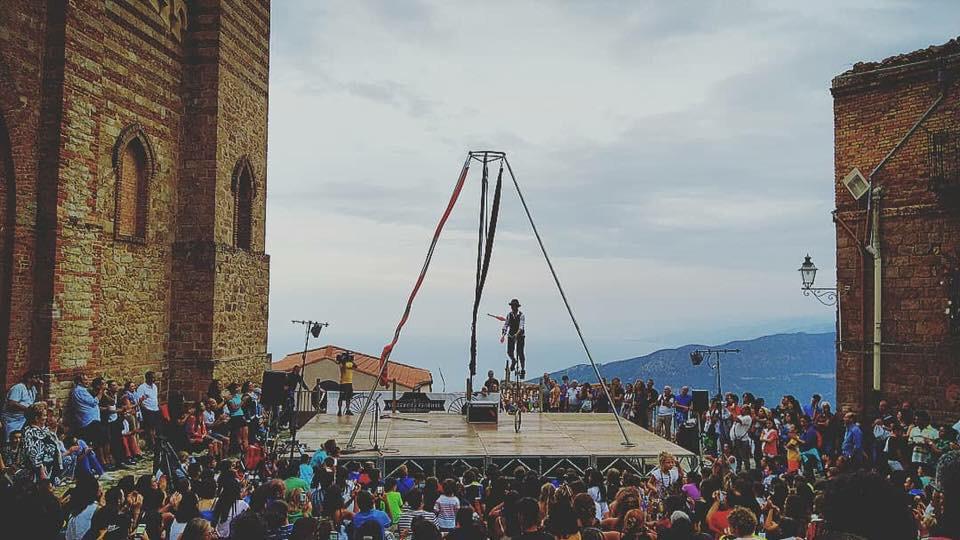 A Pollina tre giorni tra circo contemporaneo, teatro e musica27 luglio 2026
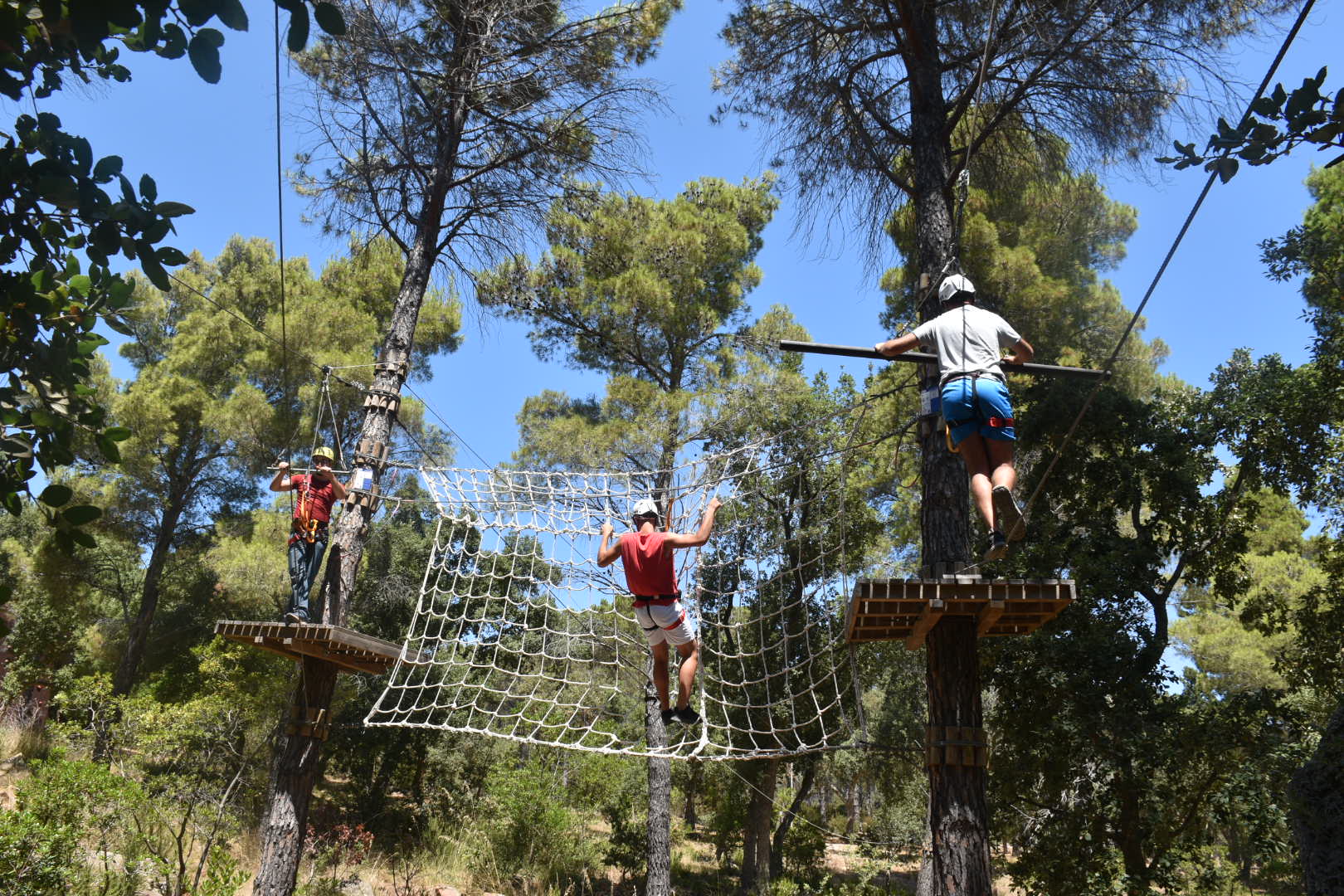 Sulle Madonie inaugurato il Pollina Adventure Park09 settembre 2024
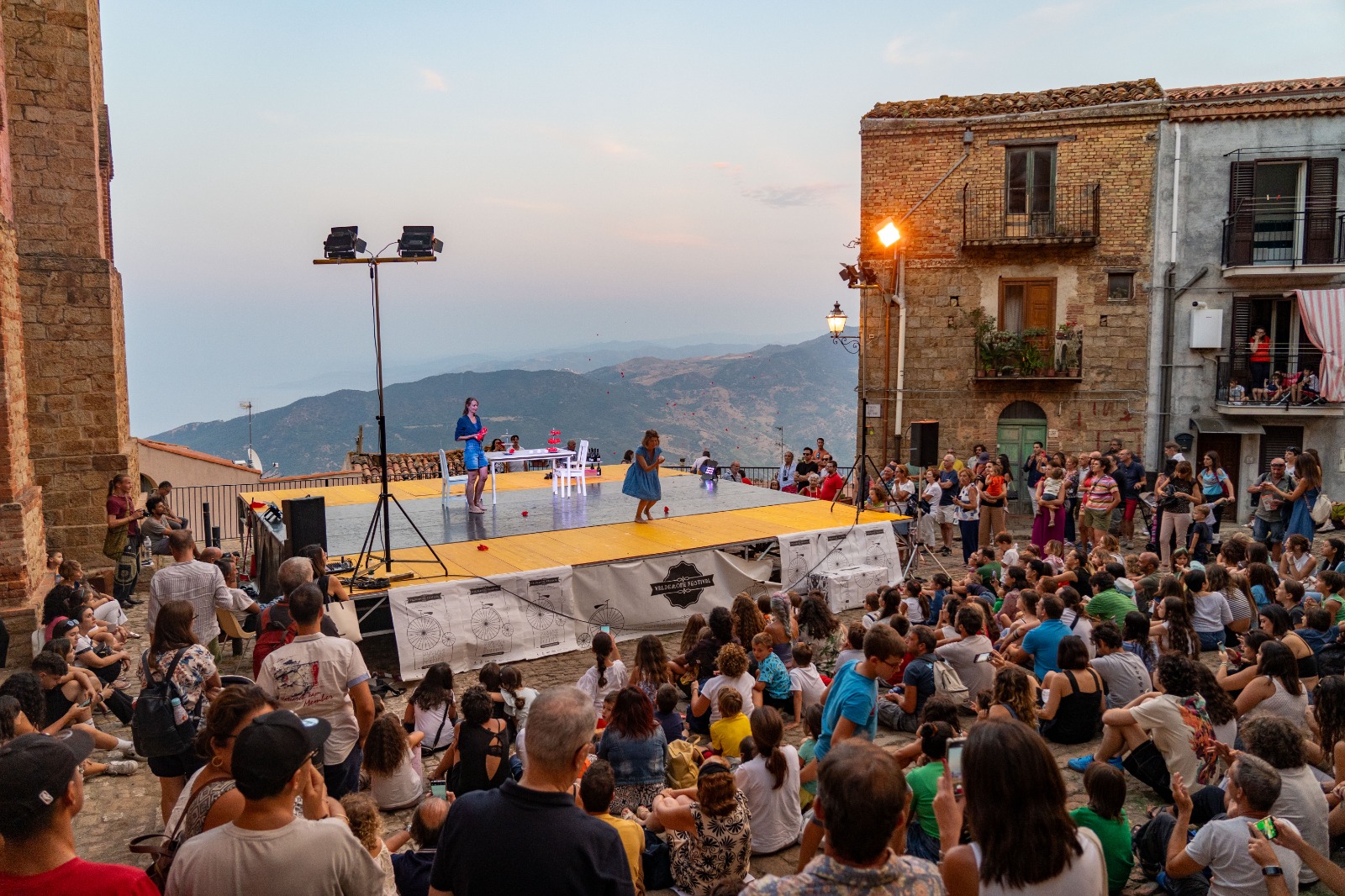 Pollina teatro a cielo aperto per i 15 anni di Valdemone Festival09 agosto 2024A Pollina torna il Festival di teatro di strada nuovo circo e musica12 agosto 2023
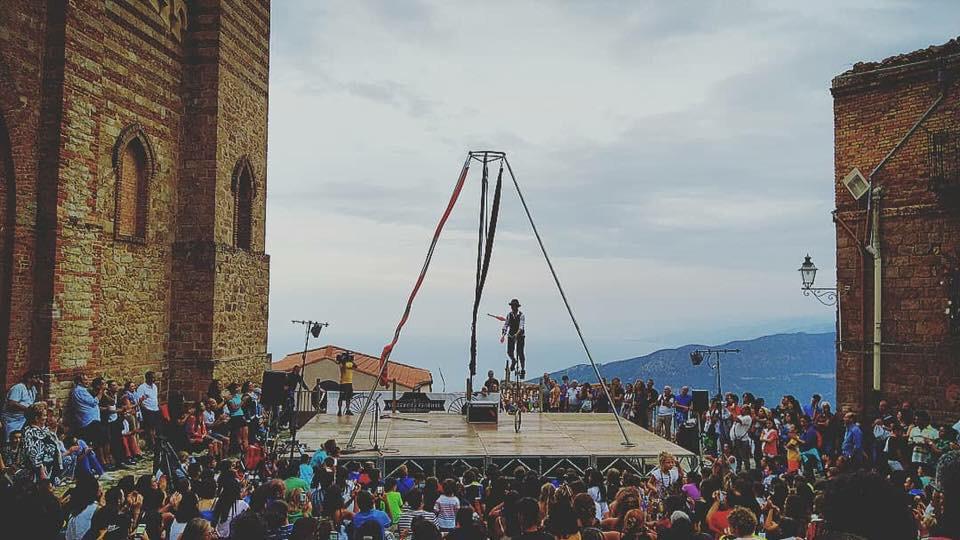 A fine agosto arti di strada e circo nel borgo di Pollina12 agosto 2022
 Pollina alla ribalta tra le destinazioni turistiche siciliane17 luglio 2021
 Pollina protagonista del caffè offerto da Travelnostop.com14 luglio 2021
 Pollina invasa dagli artisti di strada per il Valdemone Festival10 agosto 2019
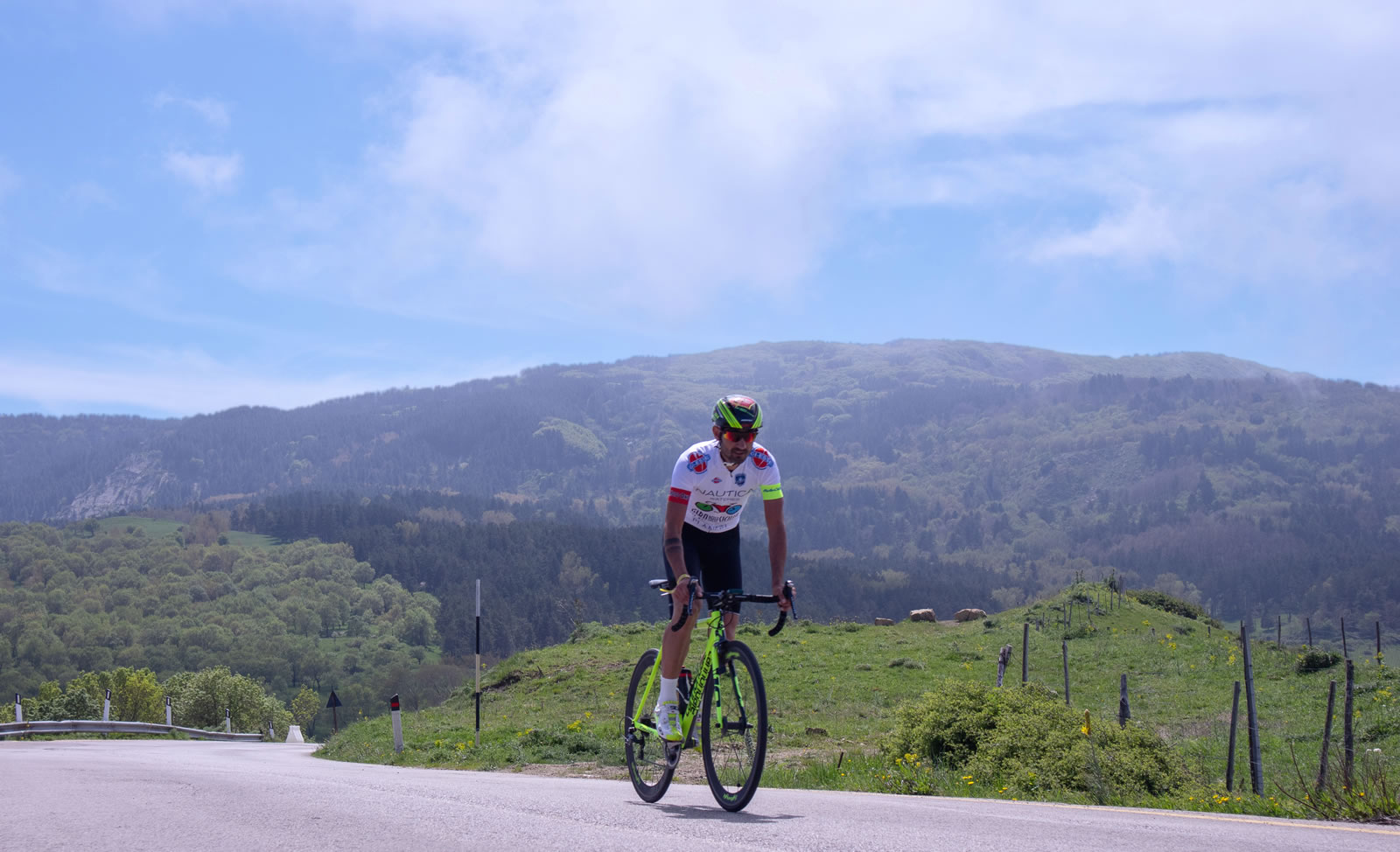 Quando ciclismo amatoriale fa rima con turismo: Sicilia in prima linea16 febbraio 2019
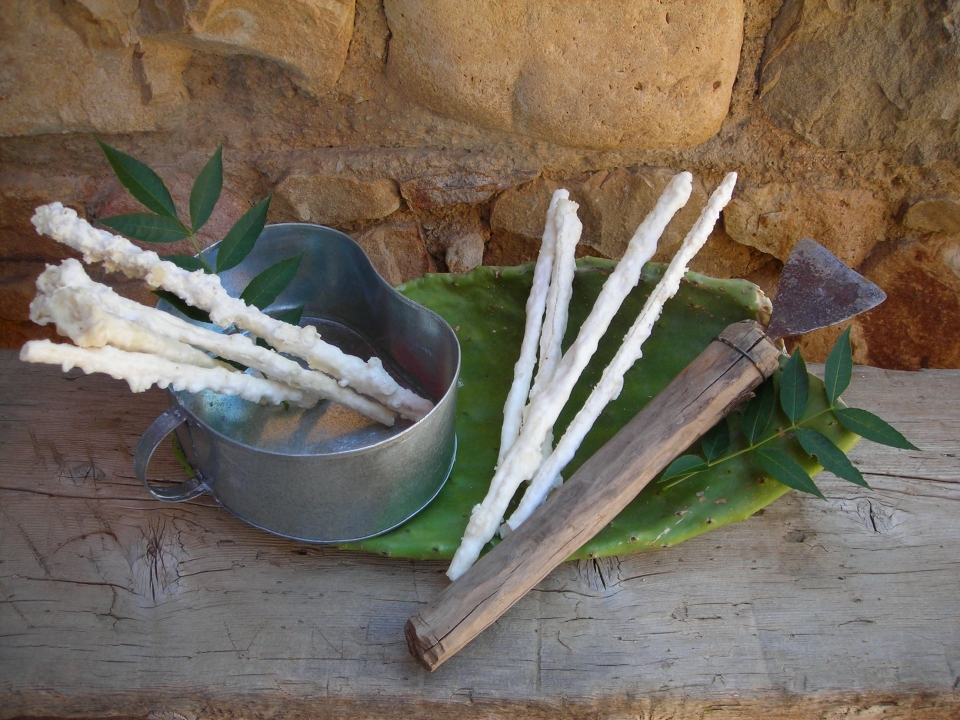 5 mila turisti nel 2017 per Museo della manna di Pollina: è tra musei emergenti13 gennaio 2018