
Vicari is a charming town in the province of Palermo, Sicily, located approximately 600 meters above sea level and surrounded by a landscape of lush green hills. The historic center retains all the charm of Sicilian tradition, with narrow, winding streets, stone houses, and ancient churches that tell the story of centuries of history. Strolling through the town's streets immerses you in an authentic atmosphere, where past and present coexist harmoniously.
Among Vicari's historic symbols, the Ventimiglia Castle stands out, a medieval fortress that dominates the town from above. With its imposing walls and still-intact towers, the castle is an important historical and architectural landmark. Today, you can admire its grandeur and enjoy a panoramic view that encompasses the entire surrounding area, from the hills to the distant sea.
Life in Vicari is marked by the slow pace of the Sicilian countryside, with olive groves, vineyards, and citrus groves shaping the landscape. The locals are known for their hospitality and friendliness, welcoming visitors with warmth and authenticity.
The local cuisine is an explosion of Mediterranean flavors, based on fresh, quality ingredients. Olive oil, wine, and citrus fruits form the basis of Vicari's cuisine, characterized by simplicity and authenticity.
The nature around Vicari offers unspoiled and wild scenery, with trails through oak and chestnut forests perfect for hiking. From the highest points in the area, spectacular views extend from the surrounding mountains to a glimpse of the sea on the horizon.
Vicari is a place where time seems to have stood still: tranquility and serenity reign supreme, offering visitors an authentic and memorable experience.
 Associazione: Anci Sicilia
→
Associazione: Anci Sicilia
→
 Consorzio: Castelli di Sicilia
→
Consorzio: Castelli di Sicilia
→
 Gruppo di Azione Locale: GAL Metropoli Est
→
Gruppo di Azione Locale: GAL Metropoli Est
→
The Sicilian municipality of Vicari boasts a vibrant and diverse business community, a key driver of the local economy. Agriculture is one of its key sectors: the fertile soil allows for the cultivation of typical products such as citrus fruits, olives, and grapes. Many of these farms are family-run and produce high-quality organic products, appreciated both locally and nationally.
In addition to agriculture, Vicari is home to numerous commercial and artisan businesses that keep the village's traditions alive. Carpentry workshops, tailoring shops, and ironwork shops are just a few examples of the area's distinctive craftsmanship, a heritage of skills passed down from generation to generation.
The service sector is equally present and dynamic. Restaurants, bars, hotels, and B&Bs offer quality hospitality and dining to visitors, showcasing the area's resources and ensuring authentic and memorable experiences.
There is no shortage of businesses linked to public services, such as real estate agencies, post offices, and banks, which effectively support the local community. Thanks to these activities, residents can access efficient, quality services, improving the overall well-being of the village.
Vicari's local businesses are a fundamental pillar of the municipality's economy and social life. Their dedication and commitment help preserve traditions, enhance local resources, and offer excellent products and services, appreciated by residents and visitors.
The Vicari area, with a population of 2,389 in 2023, covers an area of 85.95 km². The gender distribution shows a slight female predominance, with 1,238 females and 1,151 males. The municipality has 2,264 homes, of which 1,102 are occupied and 1,162 unoccupied, while the presence of foreigners is limited to just 25 individuals (9 males and 16 females).
From a tourism perspective, Vicari does not have hotels, campsites, or other forms of accommodation, nor museums or cultural institutions. However, the hilly and mountainous terrain, with altitudes ranging from 300 to 899 meters (predominantly between 300 and 599 meters), offers interesting opportunities for the development of activities related to nature tourism, hiking, and outdoor experiences.
This combination of evocative landscapes and local traditions could be enhanced through targeted investments in accommodations such as agritourism, bed & breakfasts, or small hotels, as well as initiatives related to food and wine and experiential tourism. However, the small resident population and the scarcity of tourism infrastructure pose an initial challenge for investors, who should plan promotion and development strategies to attract visitors.
Vicari offers significant potential for tourism development and outdoor activities, but requires a strategic approach and targeted investments to fully leverage its natural and cultural resources.
In the heart of Sicily, amidst the gentle hills of the Monti Sicani, lies Vicari, a picturesque village rich in history, culture, and tradition, offering visitors an unforgettable experience.
One of the town’s most iconic landmarks is the majestic Norman Castle, one of the most impressive and evocative fortresses in Sicily. Perched on a hill overlooking the village, the castle retains its massive walls and the remnants of its towers, a testament to the power of its original builders. Its origins date back to the Norman era, but it was the powerful Chiaramonte family in the 14th century that shaped it into the form we can still admire today. Visiting the ruins allows one to step back into medieval history while enjoying breathtaking views over the surrounding valley.
Nature enthusiasts can explore the surrounding Monti Sicani area, rich in biodiversity and pristine landscapes. Trails winding through hills and forests offer opportunities for hiking and walking in authentic, unspoiled settings, breathing the pure air of a still-wild Sicily.
Culturally, the Mother Church, dedicated to Saint George Martyr, serves as a spiritual and artistic focal point for the village. Inside, visitors can admire works of great historical value, reflecting local devotion and tradition.
Vicari’s cuisine is a true celebration of Mediterranean flavors. Local trattorias offer traditional dishes rooted in the countryside, highlighting fresh ingredients such as grains, extra virgin olive oil, and the renowned Vicari almond, a key component in many of the area’s traditional desserts.
Vicari is a place where history, nature, and tradition merge harmoniously. Every corner of the village tells ancient stories and invites visitors to enjoy an authentic experience, with scenic views, genuine flavors, and enchanting atmospheres.
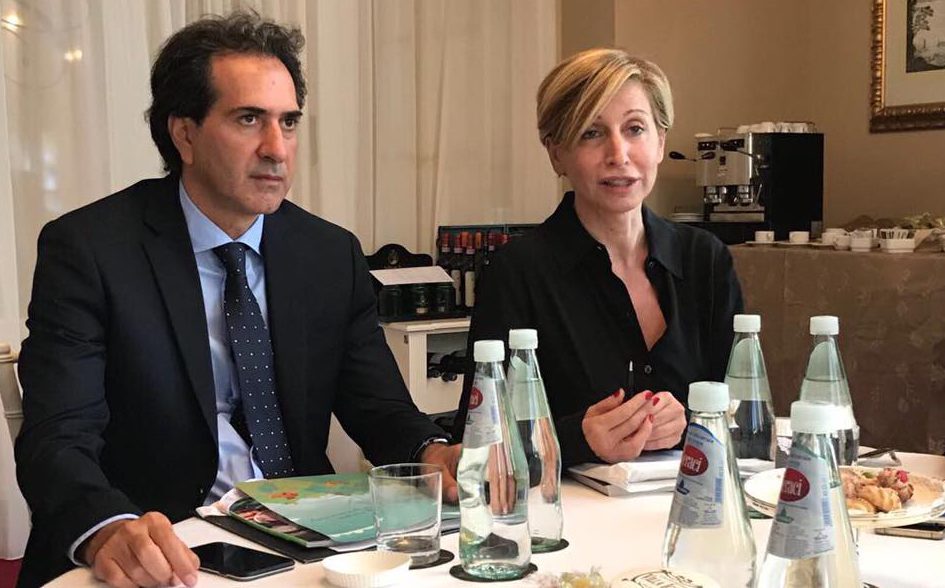 Dorina Bianchi incontra Vicari e Federalberghi10 ottobre 2017
 Dl Sud esteso al turismo, in arrivo incentivi a giovani imprenditori19 luglio 2017
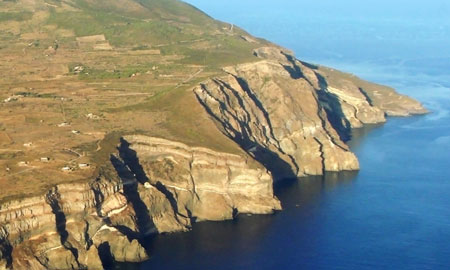 Pantelleria diventa parco nazionale: via libera dal cdm23 giugno 2016
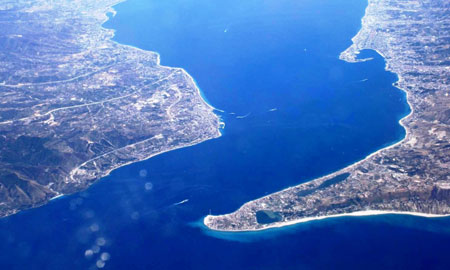 Stretto Messina, collegamento Bluferries non verrà sospeso16 giugno 2016
 Vicari: riforma porti operativa entro l’estate20 maggio 2016
 Vicari: governo Renzi lavora su continuità territoriale per Sicilia29 aprile 2016
 Privatizzazione scalo Palermo, botta e risposta Orlando-Vicari18 aprile 2016
 Vicari: il vero rilancio dell’aeroporto di Palermo passa dalla privatizzazione11 aprile 2016
 Roma conferma i 20 mln per nuovi voli verso Comiso e Trapani08 aprile 2016