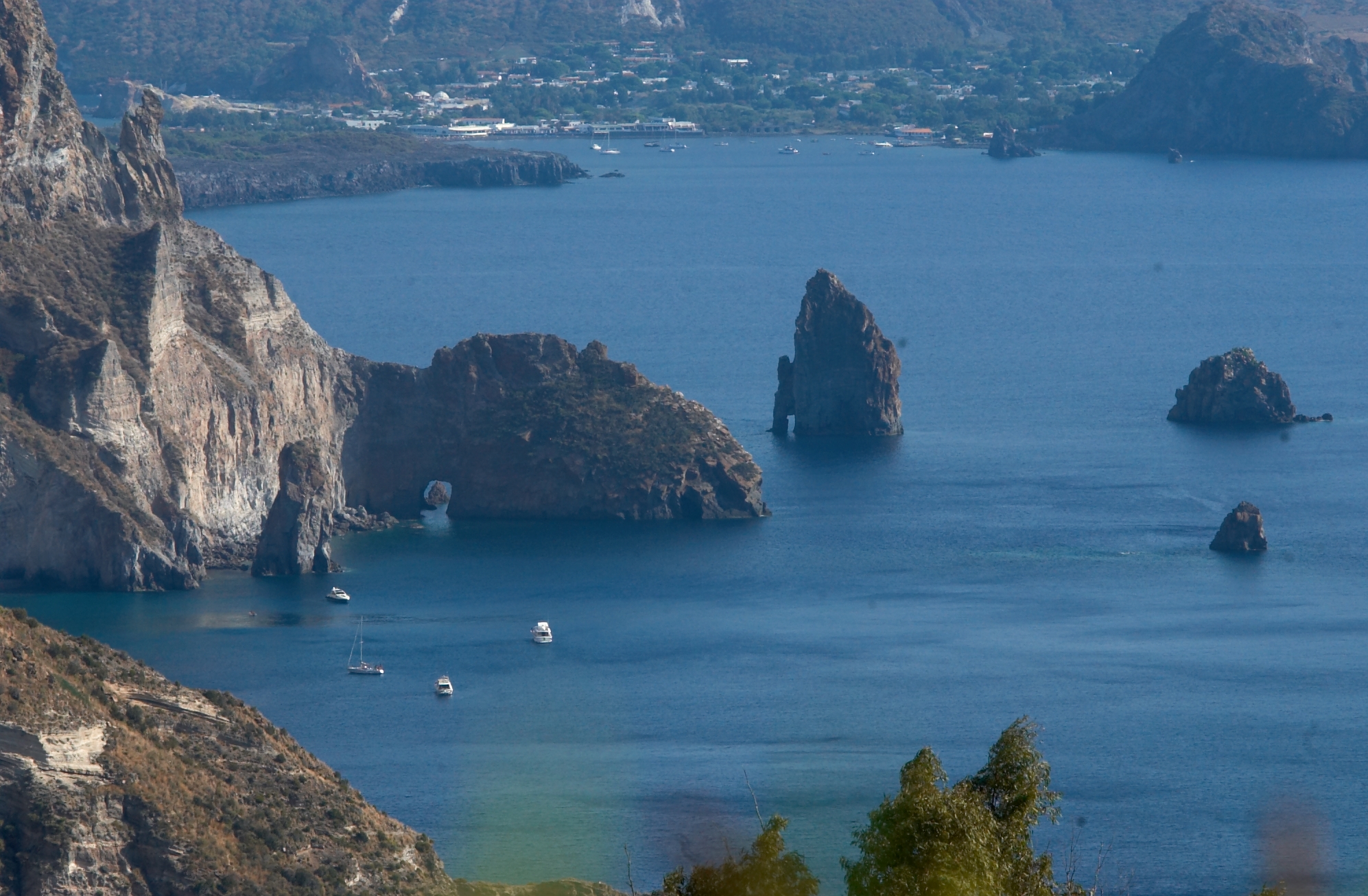
Lipari is a municipality located in the Aeolian Islands archipelago in Sicily. Its strategic location in the Tyrrhenian Sea makes it a major tourist attraction for those wishing to immerse themselves in the beauty of the Mediterranean. The Lipari area is characterized by wild and unspoiled nature, with breathtaking landscapes that alternate between white sandy beaches, cliffs overlooking the sea, and hills covered in Mediterranean vegetation.
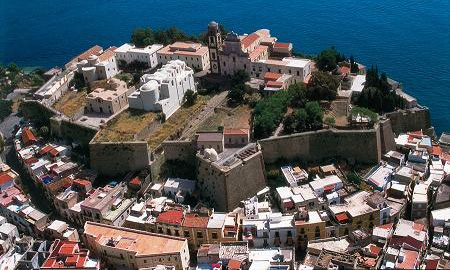
Lipari's historic center is a veritable treasure trove, with its narrow, winding streets opening onto welcoming piazzas and evocative panoramic views. The ancient cyclopean walls surrounding the old town are an imposing testimony to Lipari's glorious past, which has been inhabited since the Bronze Age.
The island of Lipari boasts a long tradition of ceramic production, thanks to the presence of excellent quality clays in its territory. Lipari ceramics are famous for their vibrant colors and designs inspired by nature and local tradition. Each piece is a unique work of art, the fruit of the skill and creativity of local artisans.
Lipari's cuisine is a riot of Mediterranean flavors, featuring dishes featuring fresh fish, seasonal vegetables, and extra virgin olive oil. The island's restaurants offer a wide selection of local specialties, such as pasta alla norma, sardines a beccafico, and traditional desserts made with almonds and prickly pears.
Lipari is also an important cultural center, with numerous events and celebrations that enliven island life throughout the year. Among the most deeply rooted traditions is the feast of San Bartolomeo, the patron saint of Lipari, celebrated with processions, fireworks, and folkloric performances.
In conclusion, Lipari is a magical place where time seems to have stood still, amidst history, nature, and ancient traditions. Anyone fortunate enough to visit this island will be captivated and captivated by its timeless beauty.
Lipari, located in the Aeolian Islands archipelago, boasts a diverse and dynamic economy, supported primarily by local businesses operating in the tourism, fishing, and artisanal sectors.
Tourism is the driving force of the local economy, thanks to the presence of numerous hotels, restaurants, bars, and shops that welcome visitors year-round. Tourism businesses stand out for the quality of their services and their dedication to promoting the island's cultural and natural heritage.
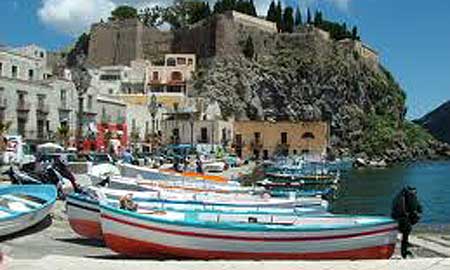
Fishing is another important economic resource for Lipari, with numerous boats sailing the crystal-clear waters of the Tyrrhenian Sea in search of delicious fish and seafood. The fishing activities carried out by local businesses contribute not only to the local market but also to the island's tourist appeal, offering guests the opportunity to enjoy fresh, authentic dishes.
Local craftsmanship is another of Lipari's strengths, with workshops and laboratories producing traditional products such as ceramics, textiles, and carved wooden objects. These artisanal businesses are distinguished by the skill and creativity of their craftsmen, who have passed down ancient techniques and artisanal knowledge from generation to generation.
In addition to these main economic activities, Lipari also boasts agricultural businesses that cultivate typical island products, such as citrus fruits, olives, and wine. Thanks to the fertile soil and favorable climate, local farmers produce high-quality foods that contribute to the island's culinary tradition.
Lipari also boasts numerous businesses operating in the service, construction, and retail sectors, which help ensure a comprehensive and diverse offering for residents and visitors to the island.
In conclusion, Lipari's local businesses represent an important pillar of the island's economy, contributing to its growth and sustainable development. Thanks to their professionalism, creativity, and passion, Lipari businesses are able to offer high-quality products and services that enhance and promote the island's beauty and traditions.
The territory of Lipari, with a population of 12,676 inhabitants in 2023, appears as a place of small dimensions but with a large territorial surface of 90.1281 sq km. The gender distribution shows a slight male prevalence, with 6,491 men and 6,185 women. The presence of foreigners is limited, with a total of 1,022 individuals. From a housing point of view, there are 6,398 occupied dwellings and 5,852 unoccupied ones, for a total of 12,250 units. The accommodation facilities are well developed, with a total of 224 accommodation establishments offering a total of 6,185 beds. Among these, 4-star hotels stand out, boasting 745 beds and 746 rooms. The tourist offer is varied, with the presence of agritourism, bed & breakfasts, youth hostels, and commercially managed rental accommodations. Museums and cultural institutions attract a decent number of visitors, with 16,356 people in 2020. From a geographical point of view, the territory of Lipari presents different altimetric bands, with most of the area between 300 and 599 meters above sea level. This morphological variety offers opportunities for the development of nature and landscape-related tourist activities. In conclusion, Lipari is configured as a territory with good investment potential in the tourism sector, thanks to the presence of quality accommodation facilities and a varied cultural offer. However, the limited presence of foreigners could represent a critical issue to be taken into consideration. Sectors such as real estate and commercial could benefit from further development to attract new investments and promote the economic growth of the territory.
Lipari, located in the Aeolian Islands archipelago, is a true gem of Sicily. With its white sandy beaches and crystal-clear waters, it is an ideal destination for those seeking relaxation and tranquility. Among the island's main attractions is Lipari Castle, an imposing fortress that dominates the surrounding landscape and offers breathtaking views of the sea. Inside the castle is also the Aeolian Regional Archaeological Museum, which houses a rich collection of artifacts that tell the story of the island since ancient times.
For nature lovers, Lipari offers the opportunity to explore its territory via numerous trails that wind through breathtaking landscapes and spectacular views. Among the most popular hikes is the one to Monte Sant'Angelo, the highest point on the island, from which you can enjoy a 360-degree panorama of all the Aeolian Islands.
The beaches of Lipari are another must-see attraction. Among the most famous is Canneto Beach, with its crystal-clear waters and fine sand, perfect for a relaxing day in the sun. But Lipari also offers wilder, more secluded beaches, such as Valle Muria Beach, accessible only on foot via a scenic trail.
For those who love art and culture, Lipari offers the opportunity to visit the Cathedral of San Bartolomeo, a jewel of Norman architecture with an imposing Gothic façade. Inside the cathedral, you can admire frescoes and works of art of great historical and artistic value.
Finally, you can't leave Lipari without sampling its traditional cuisine. The island's typical dishes are a riot of Mediterranean flavors, with fresh, authentic ingredients such as freshly caught fish, seasonal vegetables, and extra virgin olive oil. Among the specialties not to be missed are pasta alla norma, Sicilian cannoli, and artisanal gelato made with fresh fruit.
In short, Lipari is a destination that offers a unique combination of art, culture, nature, and gastronomy, making it the perfect place for an unforgettable holiday discovering the wonders of the Aeolian Islands.
 4 hotel delle Eolie protagonisti in tv08 settembre 2026
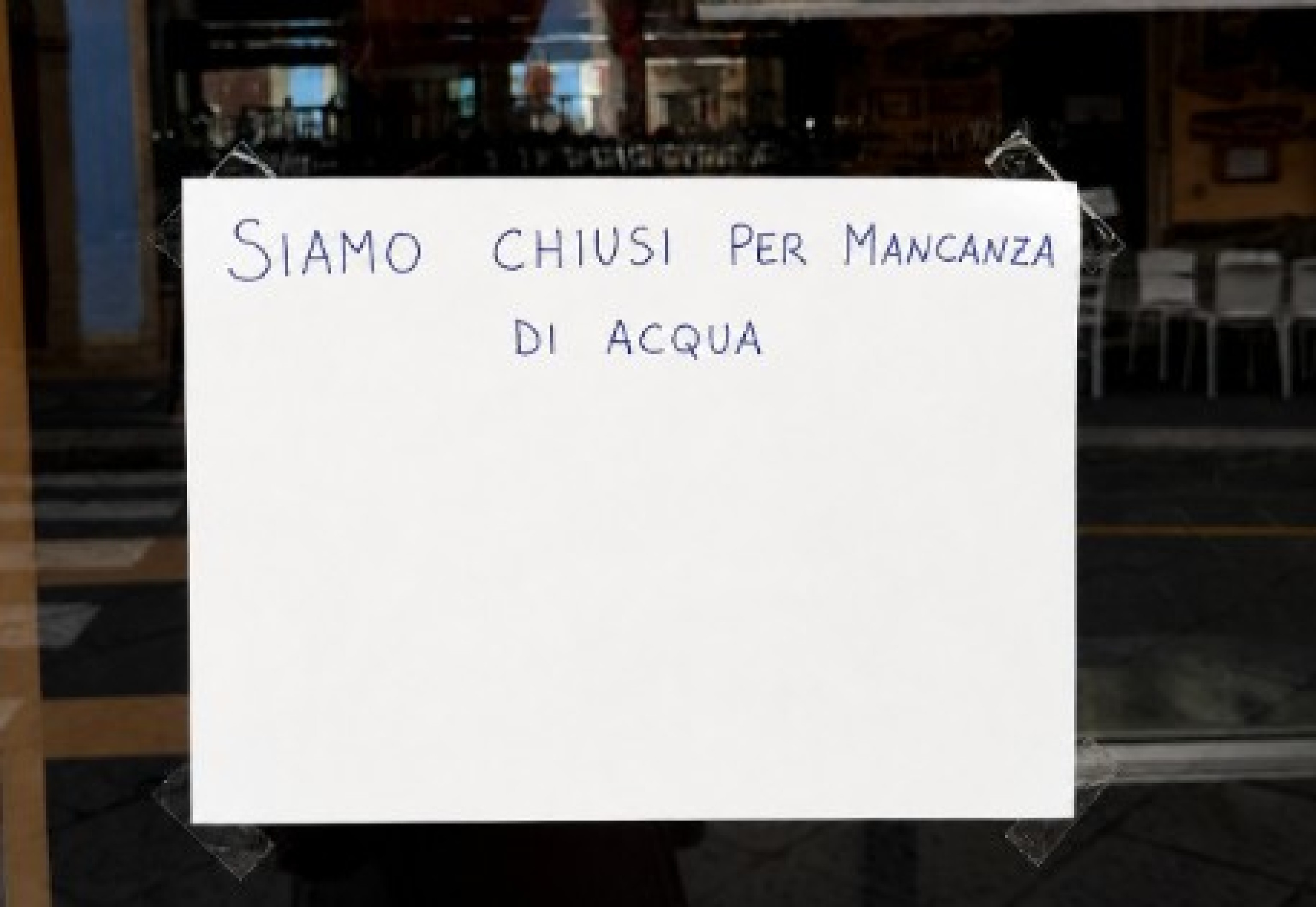 Bar e alberghi a secco, a Lipari è crisi idrica20 luglio 2026
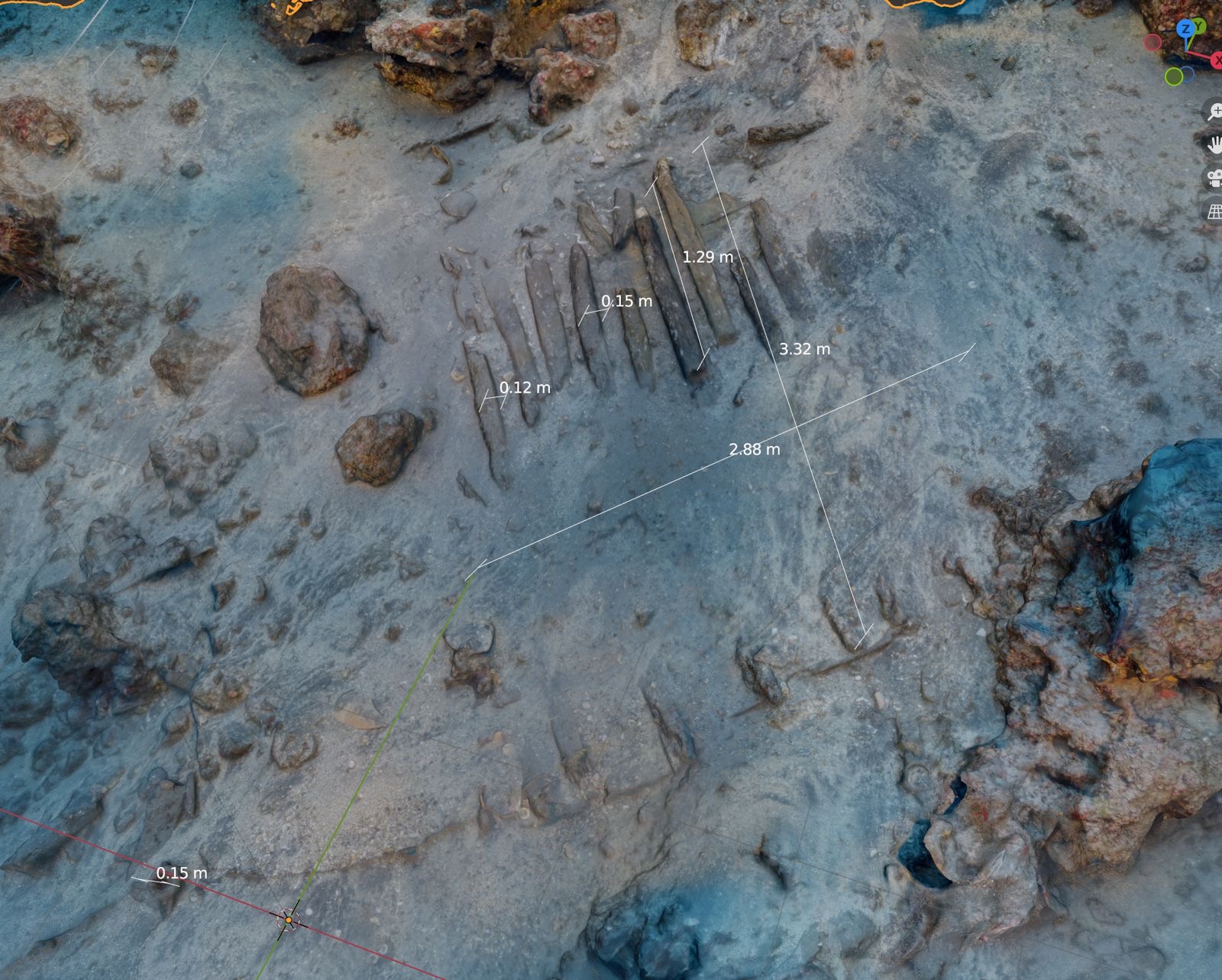 Lipari, recuperato lo scafo ellenistico di Capistello30 giugno 2026
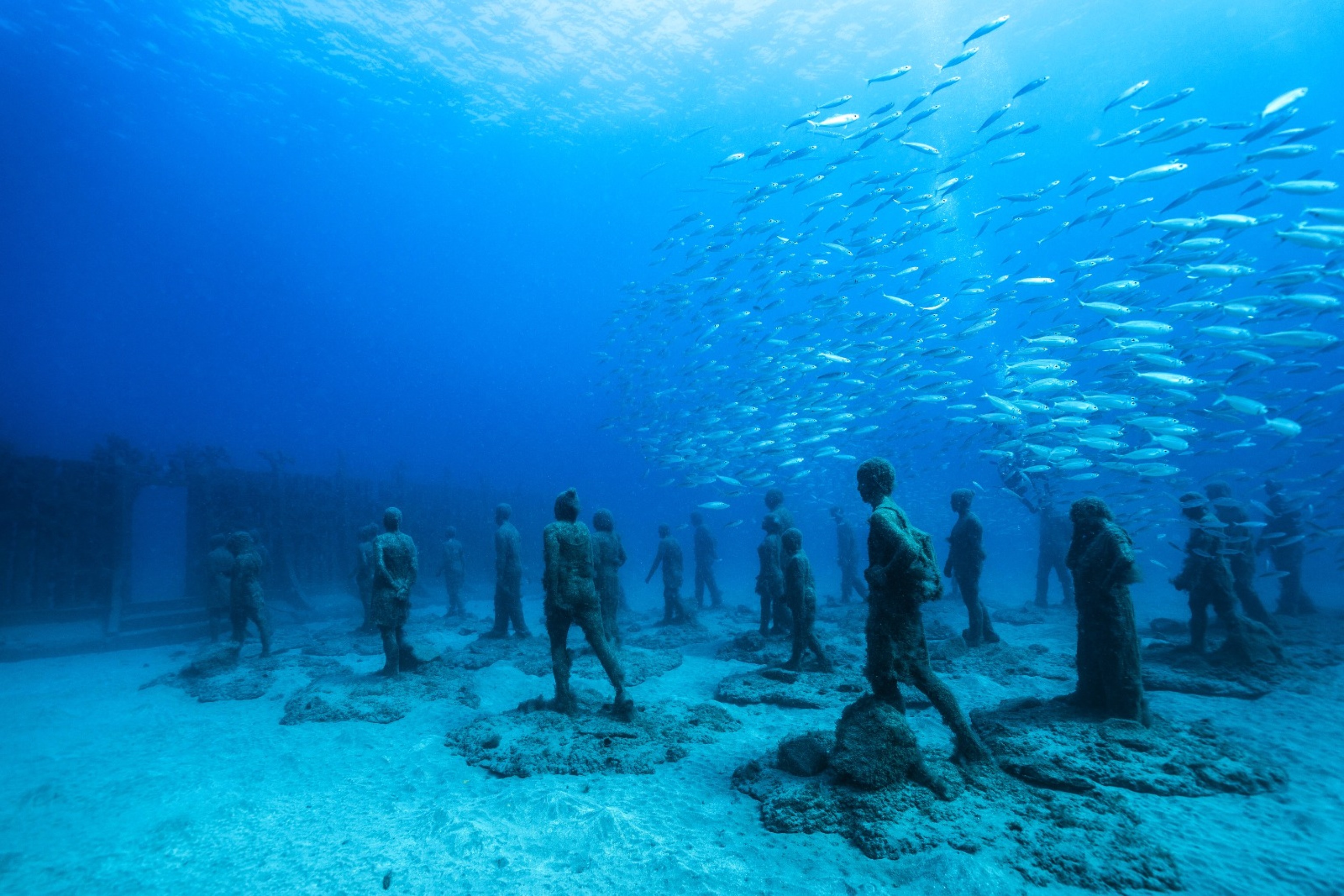 A Lipari monumento subacqueo dedicato a Sebastiano Tusa26 giugno 2026
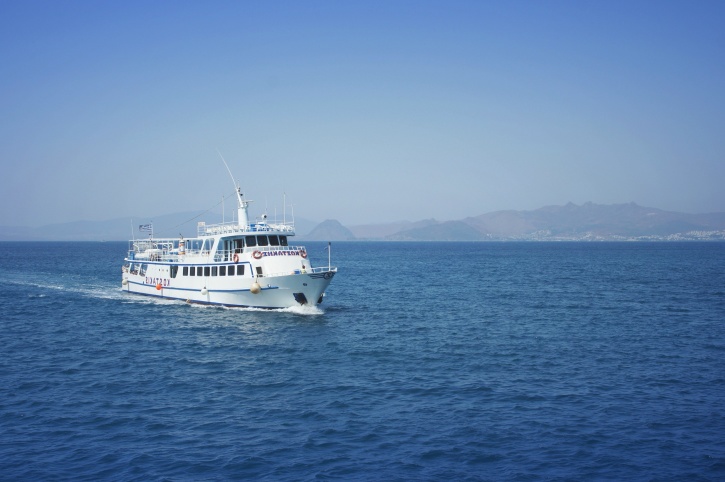 Sindaci di Lipari e Pantelleria: consolidare i collegamenti01 giugno 2026
 Lipari, erogazione acqua tornerà normale in poche settimane23 aprile 2026
 Emergenza idrica a Lipari: allarme di hotel e ristoranti22 aprile 2026
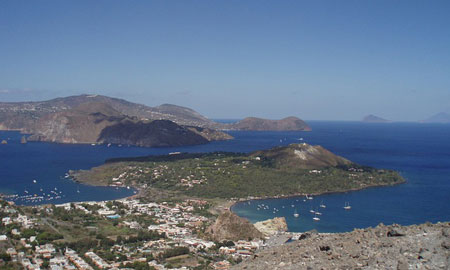 Alle Eolie stop alle auto d’estate, ecco il calendario da Lipari a Salina21 aprile 2026
 Sulle isole minori quasi 9 mln di presenze nel 202413 ottobre 2025
 Il turismo, da solo, non salverà le piccole isole11 ottobre 2025