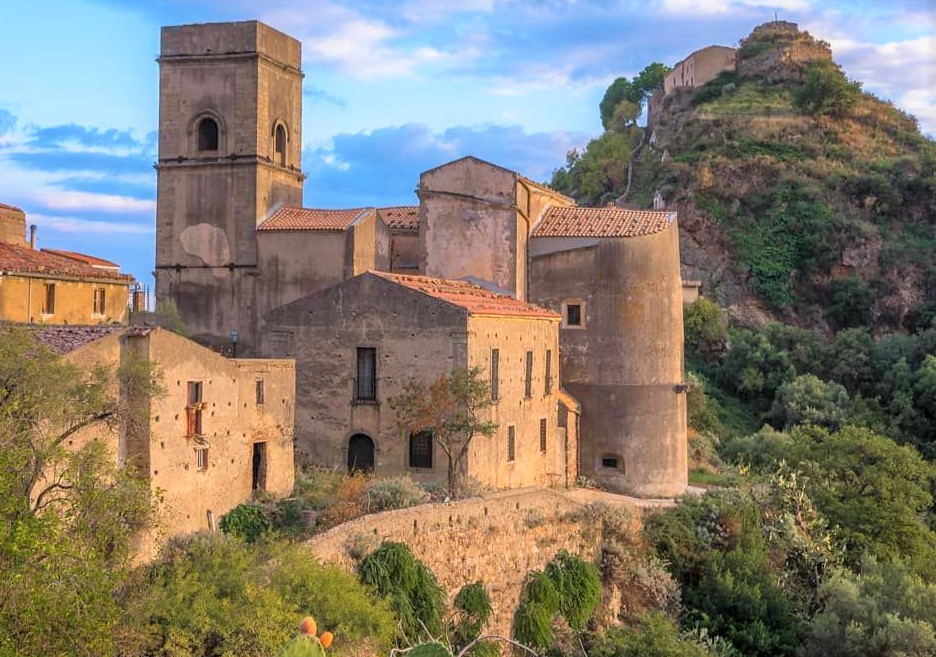
Savoca is a village located in the province of Messina, nestled in a hilly setting with panoramic views of the Ionian Sea. The town center retains a medieval urban layout and a historical and architectural heritage that contributes to its identity.
The urban fabric is characterized by narrow, paved streets lined with stone buildings that convey an image consistent with local tradition. Among the main architectural landmarks are the Church of San Michele, dating back to the 15th century, and the Capuchin Convent, known for its crypt containing mummified remains.
The village's cultural heritage is further enhanced by exhibitions such as the Museum of Rural Life, which documents agricultural practices and aspects of traditional daily life.
Savoca is also internationally recognized for being the location for several scenes in the film The Godfather. Among the locations associated with this cinematic experience is Bar Vitelli, which has become a point of interest for visitors.
The local offering also includes a food and wine component tied to Sicilian tradition, with typical dishes reflecting Mediterranean influences, including pasta dishes, almond pastries, and regional pastries.
Savoca is an attractive destination for cultural and scenic tourism, offering a setting characterized by authenticity and historical continuity, in an environment less affected by mass tourism.
 Associazione: Anci Sicilia
→
Associazione: Anci Sicilia
→
 Associazione: Borghi più belli d'Italia
→
Associazione: Borghi più belli d'Italia
→
 Gruppo di Azione Locale: GAL Peloritani
→
Gruppo di Azione Locale: GAL Peloritani
→
In Savoca, the local business system plays a key role in supporting the economy and enhancing the local resources. The productive fabric is primarily composed of small businesses, often family-run, operating in various sectors.
The commercial sector is developed through local shops, particularly in the food sector, which offer typical local products such as olive oil, wine, cheeses, and cured meats. These businesses guarantee a quality and traditional offering, maintaining a direct relationship with customers.
Local crafts play an important role, with workshops specializing in wood, iron, and ceramics. These products contribute to the preservation of traditional skills and the transmission of knowledge rooted in the local culture.
The tourism sector represents another area of development, thanks to the presence of accommodations and catering businesses, including bed & breakfasts, agritourisms, and restaurants. These businesses offer hospitality services and promote typical Sicilian cuisine, showcasing local traditions.
Agricultural activities are a significant component of the economic system, with citrus fruit, olive trees, and vineyards. These products, often oriented towards sustainable practices, fuel a quality agri-food supply chain tied to the local area.
The economic landscape is complemented by the presence of service businesses, including real estate agencies, workshops, and tourism and transportation-related businesses, which contribute to the overall functioning of the village and meet the needs of the population.
Savoca's local businesses represent a complex economic system, where tradition and innovation coexist, supporting the development of the area and strengthening its identity.
The Savoca area has a population of 1,727 in 2023 and features a substantially balanced demographic distribution between male and female residents. The total area, 9.0754 km², represents a small area with room for development.
The housing stock amounts to 1,379 units, of which 788 are occupied and 591 are unoccupied. The availability of unused properties represents a potential area for intervention, particularly for recovery and redevelopment initiatives for residential or tourism purposes. The foreign population, amounting to 99 residents, is limited but could offer development prospects linked to the internationalization of the offering.
In terms of accommodation, the area has two hotels with a total of 87 beds and 35 rooms, alongside a range of non-hotel accommodations, including bed & breakfasts, agritourism establishments, and rental accommodations. The cultural offering is limited, with only one museum registering 100 visitors in 2020, highlighting potential for growth.
The morphological characteristics, with a prevalence of altitudes between 0 and 299 meters, contribute to defining a diverse and interesting landscape, suitable for the development of tourism activities related to environmental and cultural enjoyment.
Savoca therefore appears to be an area with development potential in the real estate, tourism, and cultural sectors, where targeted interventions could promote the exploitation of available resources and strengthen the overall offering.
Savoca is a village located on the slopes of the Peloritani Mountains, a short distance from the Ionian coast. The landscape and medieval urban layout contribute to an area of great historical and scenic value, further enhanced by its fame in the film industry.
Among the main attractions is the Church of San Michele, a medieval place of worship that preserves significant decorative elements and artistic treasures. The area in front also offers sweeping views of the surrounding area, with glimpses extending to the sea.
Also of particular interest is the Capuchin Convent, a monastic complex that maintains its historic layout and houses a crypt containing mummified remains, a distinctive element of the local heritage.
The village gained international recognition as the setting for the film The Godfather. Among the most iconic locations associated with this production is Bar Vitelli, now a destination for visitors interested in film itineraries.
The surrounding area offers further opportunities for exploration thanks to the nature trails in the Peloritani Mountains, characterized by wooded environments and stunning views, perfect for hiking.
The local offering is complemented by the food and wine tradition, with typical Sicilian dishes prepared with local produce, including pasta specialties, vegetables, and traditional desserts.
Savoca is a destination where historical heritage, landscape, and culture coexist, contributing to a visitor experience geared toward discovering the local identity.
 Massari Travel punta sul borgo di Savoca per attrare turismo lusso07 ottobre 2024
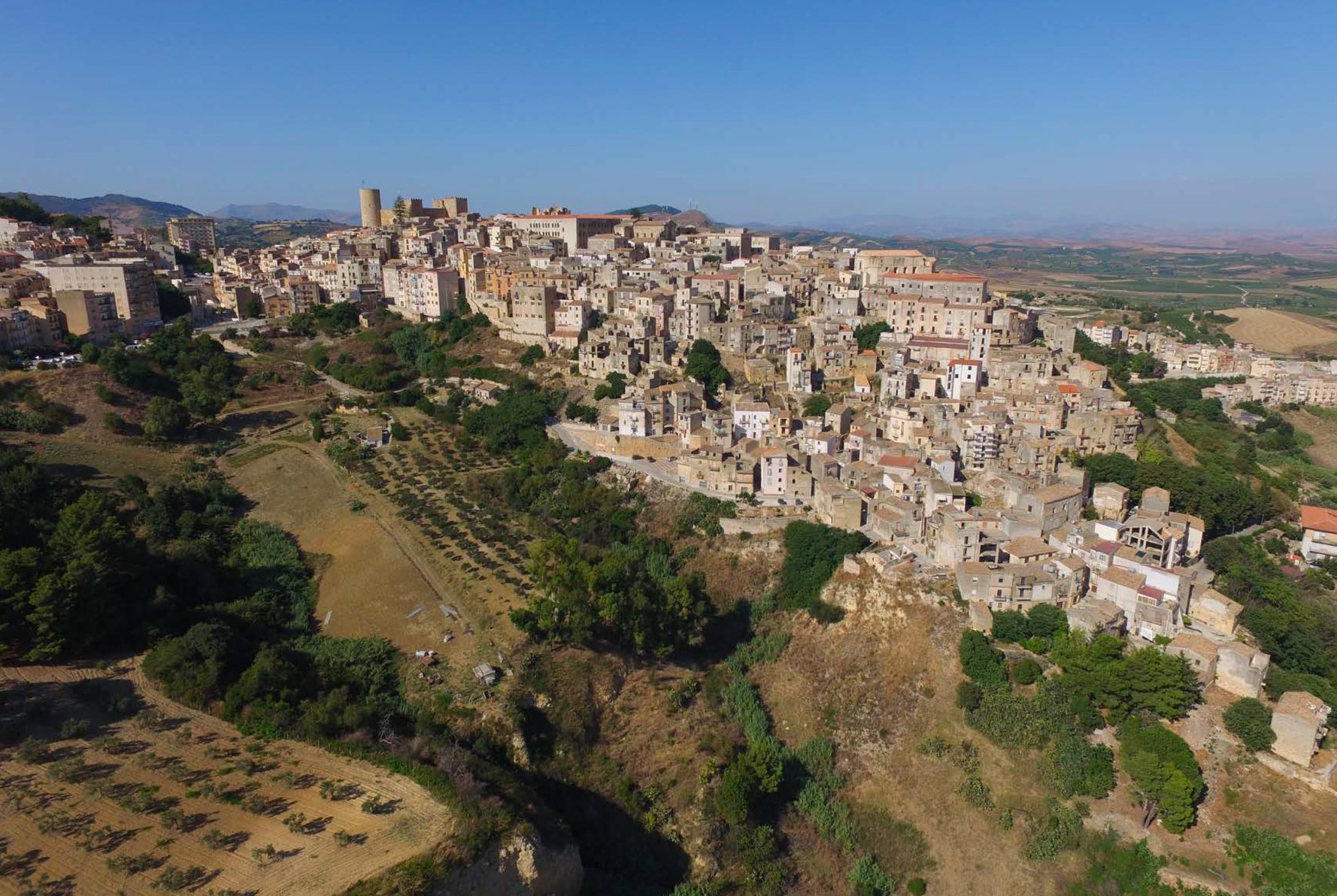
 Savoca prossima tappa del Tour dei Borghi: visita guidata il 20 settembre16 settembre 2020
 Borghi abbandonati, Fondazione Sicilia premia Salemi e 4 comuni20 febbraio 2020
 Nuovo presidente di Coldiretti Enna: è Savoca, titolare delle Tenute Gigliotto21 ottobre 2017
 Airbnb lancia piano per valorizzare i Borghi: in Sicilia coinvolti Sambuca, Savoca e Petralia09 ottobre 2017
 Le vie del sambuco: intesa fra Troina, Sambuca di Sicilia e Savoca09 agosto 2017
 Hotel dell’Alcantara rischia fallimento, appello a TO e adv24 marzo 2016
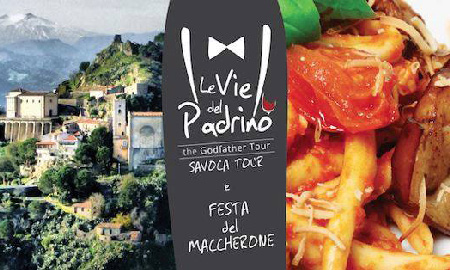 Trim Travel rilancia il pacchetto Le Vie del Padrino20 giugno 2014