Favara is a charming Sicilian town located in the province of Agrigento, in a privileged position between the Valley of the Temples and the famous Scala dei Turchi. Its territory extends for approximately 65 km², characterized by hills that offer spectacular views of the surrounding countryside and the Mediterranean Sea.
The historic center preserves precious testimonies of past eras: narrow, winding streets, stone buildings, and ancient churches create an evocative atmosphere and invite you to explore every corner, discovering the village's hidden secrets.
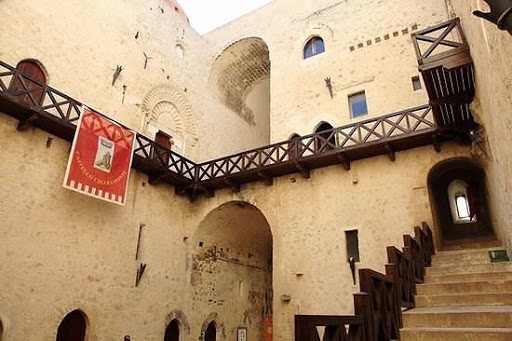
Among the main historical attractions, Favara Castle stands out, a medieval structure overlooking the town from atop a hill. The castle, with its imposing walls and towers, offers panoramic views of the town and the surrounding countryside and is a symbol of local history and tradition.
Favara is also distinguished by its food and wine tradition, with typical dishes that reflect the authenticity of Sicilian cuisine. Local products such as extra virgin olive oil, cheeses, and cured meats are renowned for their excellence, appreciated both regionally and nationally, contributing to the valorization of the area's resources.
The local community is warm and proud of its cultural identity, keeping popular traditions alive through festivals and fairs that enliven the calendar year.
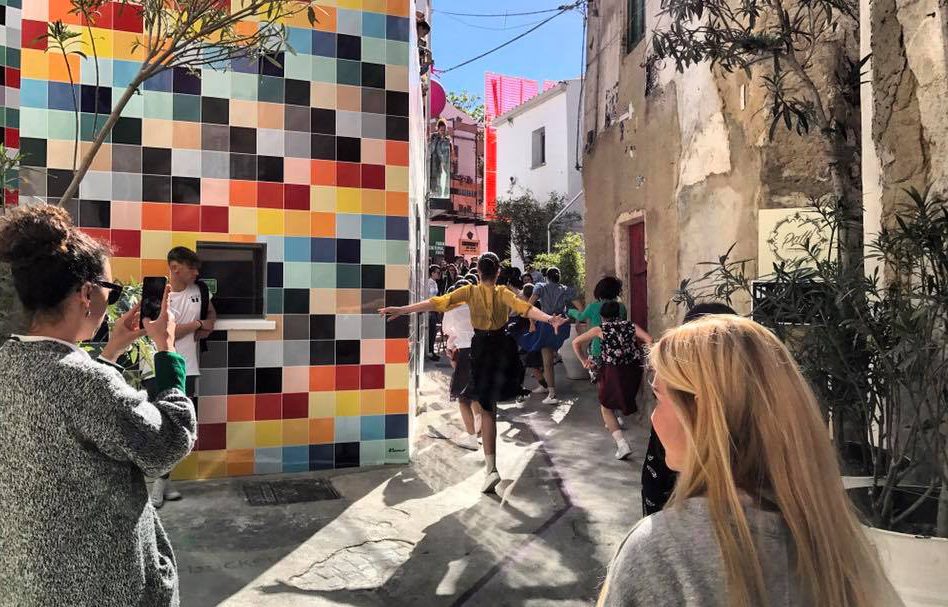
A distinctive feature of the municipality is the Farm Cultural Park, a project that has transformed Favara into an open-air creative laboratory. Contemporary artworks and restored historic buildings give the city an innovative and cosmopolitan atmosphere, attracting artists and visitors from around the world.
The surrounding nature offers numerous opportunities for hiking and trekking, with paths through woods, cultivated fields, and archaeological sites. Local biodiversity is a precious heritage, which must be protected to ensure sustainable development.
Favara is a municipality that harmoniously combines tradition and innovation, history and art, nature and culture. Visiting Favara means enjoying an authentic and unforgettable experience, leaving an indelible mark on the hearts of those who discover it.
 Associazione: Anci Sicilia
→
Associazione: Anci Sicilia
→
 Consorzio: Castelli di Sicilia
→
Consorzio: Castelli di Sicilia
→
 Gruppo di Azione Locale: GAL Sicilia Centro Meridionale
→
Gruppo di Azione Locale: GAL Sicilia Centro Meridionale
→
Favara is a Sicilian town characterized by a vibrant economic fabric, thanks to numerous local businesses that actively contribute to the growth and development of the city.
Among the most representative activities are the artisan workshops, specialized in producing handmade ceramics, textiles, and wooden objects. These workshops keep local traditions alive, offering unique, high-quality products that attract visitors from all over the world.
Agricultural enterprises form another cornerstone of Favara’s economy. The town is surrounded by fertile lands cultivated with wheat, olives, citrus fruits, and wine grapes. Many farms produce high-quality extra virgin olive oil, fine wines, and typical Sicilian products such as jams, preserves, and cheeses, helping to promote local excellence.
The commercial sector is well developed, with stores offering a wide range of products, from food to fashion, electronics, and furniture. Local grocery stores are particularly appreciated for the freshness and authenticity of their products, sourced directly from local producers.
The services sector also plays a central role, with businesses providing legal, accounting, and financial advice, as well as health and wellness services. Restaurants, hotels, and other hospitality establishments complete the offer, ensuring high-quality accommodation and cuisine for visitors.
Many local businesses are family-run, deeply rooted in the community and actively engaged in city life. They sponsor cultural and sports events, as well as charitable initiatives, helping to strengthen a sense of belonging and social cohesion.
In a global economic context, Favara’s businesses represent a stronghold of tradition and local identity. Through their dedication and passion, they provide authentic products and services, enhancing the territory and promoting the well-being of the community.
The Municipality of Favara, with a population of approximately 31,515 inhabitants in 2023, is a relatively compact area, covering about 83.62 km². The gender distribution shows a slight predominance of women over men.
Regarding housing, as of December 31, 2021, there were 11,647 occupied homes and 9,222 unoccupied units, totaling 20,869 housing units. The presence of foreign residents is limited, with a total of 483 individuals.
In terms of tourism, Favara has one hotel with 63 beds and 28 rooms. Non-hotel accommodations are mainly represented by Bed & Breakfasts, with 13 establishments providing a total of 85 beds. Overall, the area has 18 lodging facilities with 189 beds.
Geographically, the municipality spans several elevation ranges, with most of the territory situated between 0 and 299 meters above sea level.
These data indicate that Favara has strong potential for tourism development. The existing lodging facilities and the strategic location of the territory provide a solid foundation, while the limited availability of high-end accommodations suggests opportunities for investment in luxury hotels or premium lodging.
Moreover, the high number of unoccupied homes could be leveraged through real estate investments, such as renovations and rentals for short or long-term stays.
Favara presents promising growth and development prospects, offering attractive investment opportunities for those interested in enhancing the area’s tourist and residential resources.
Favara is a municipality offering a wide range of attractions and has established itself as a must-see destination for those wishing to discover the authentic essence of an ever-evolving Sicily, thanks to its rich history and vibrant art scene.
One of Favara's most iconic attractions is the Farm Cultural Park, a unique urban regeneration project that has transformed an entire neighborhood in the historic center, once semi-abandoned, into a space dedicated to contemporary art. Among its seven courtyards, visitors can admire exhibitions, installations, and performances by national and international artists, enjoying an engaging and innovative cultural experience.
The historic heart of the village is dominated by Chiaramonte Castle, an imposing fortress built in the 13th century by order of Emperor Frederick II of Swabia as a hunting lodge and later expanded by the Chiaramonte family. Today, the perfectly restored castle hosts conferences, concerts, and exhibitions, and allows visitors to explore the ancient rooms that tell the story of the area.
The historic center, home to the Mother Church, dedicated to the Assumption, develops around the castle. This building of great artistic value, with its Baroque decorations, testifies to the cultural richness of the municipality and the surrounding area.
Thanks to its strategic location, Favara is the ideal starting point for exploring the wonders of the nearby Valley of the Temples in Agrigento. A few kilometers away is the evocative Kolymbetra Garden, a green oasis managed by the FAI (Italian National Trust), featuring a wide variety of Mediterranean plants and an ancient Greek irrigation system. It's the perfect place to relax and enjoy the beauty of nature.
Favara offers a unique experience, where medieval history interacts with the most modern languages of art, creating a fascinating destination not to be missed.
 A Favara nasce museo multimediale sullo zolfo24 marzo 2026
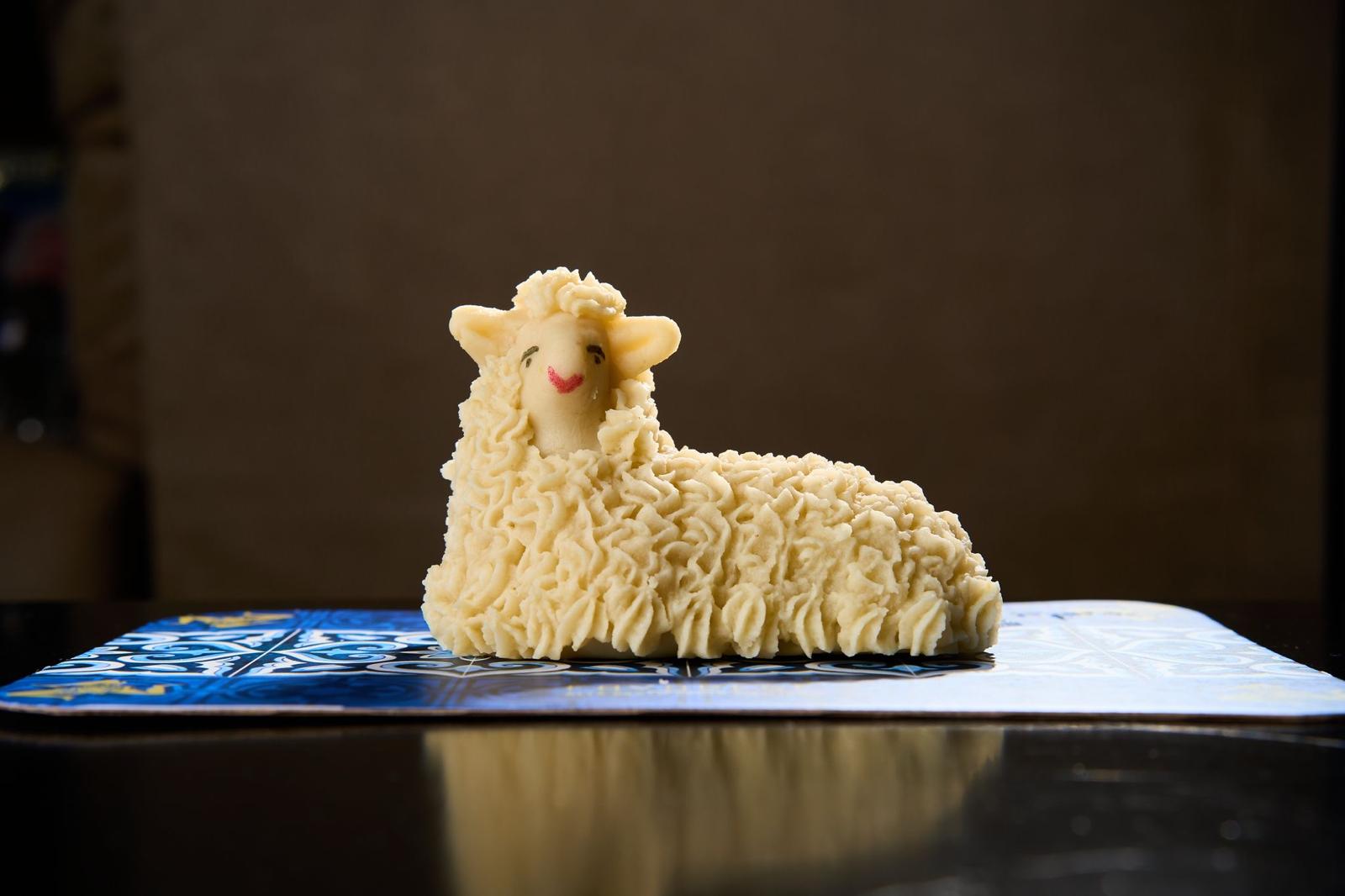 A Favara la Sagra dell’Agnello Pasquale per destagionalizzare05 maggio 2025
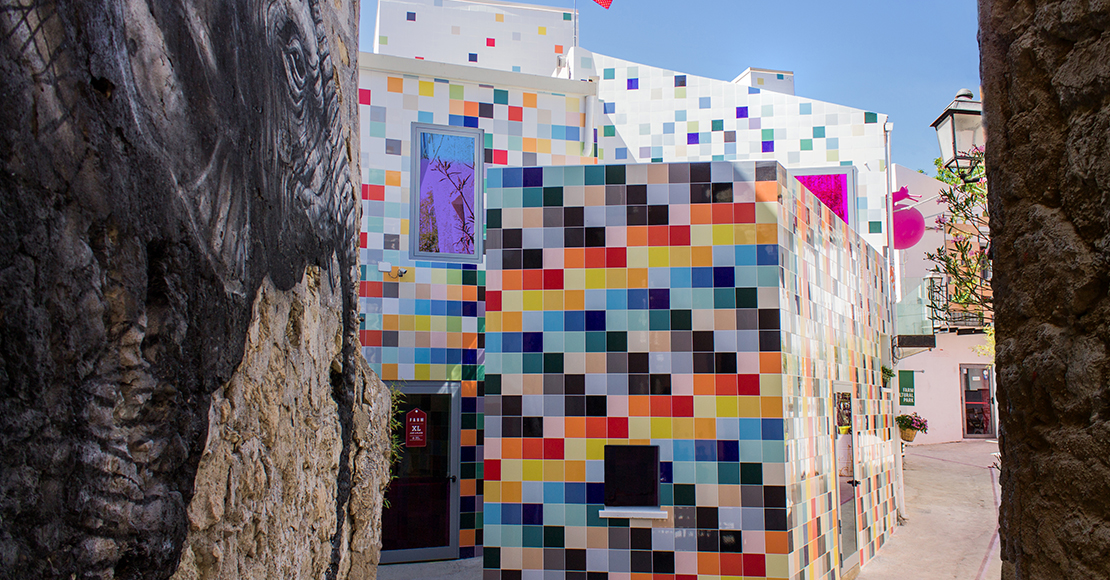 Il turismo delle radici incontra l’arte alla Farm Cultural Park21 gennaio 2025
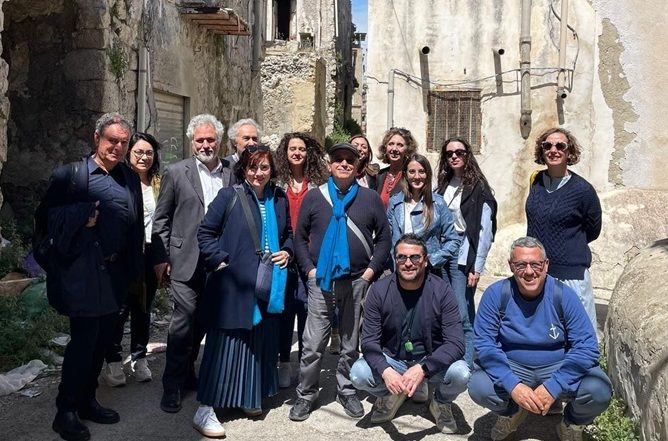 Sarà Favara ad ospitare nuova tappa di ‘Paesaggi Aperti’12 giugno 2024
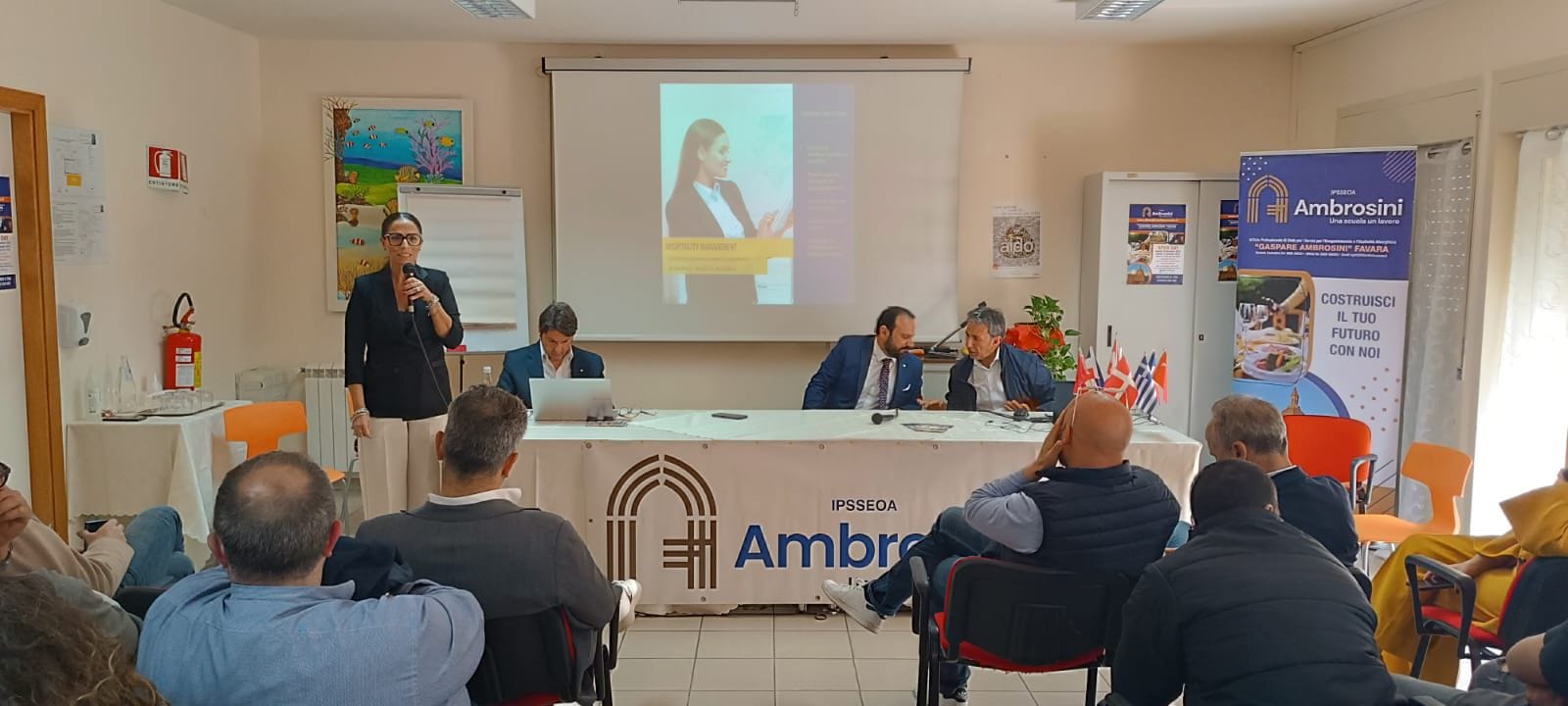 A Favara adesioni aperte a corso Hospitality Management16 aprile 2024
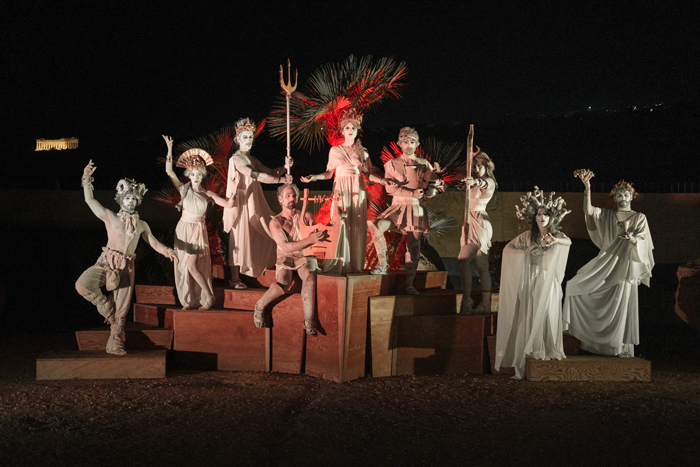 Il mito greco rivive all’ombra del Tempio della Concordia anche in inverno19 novembre 2022
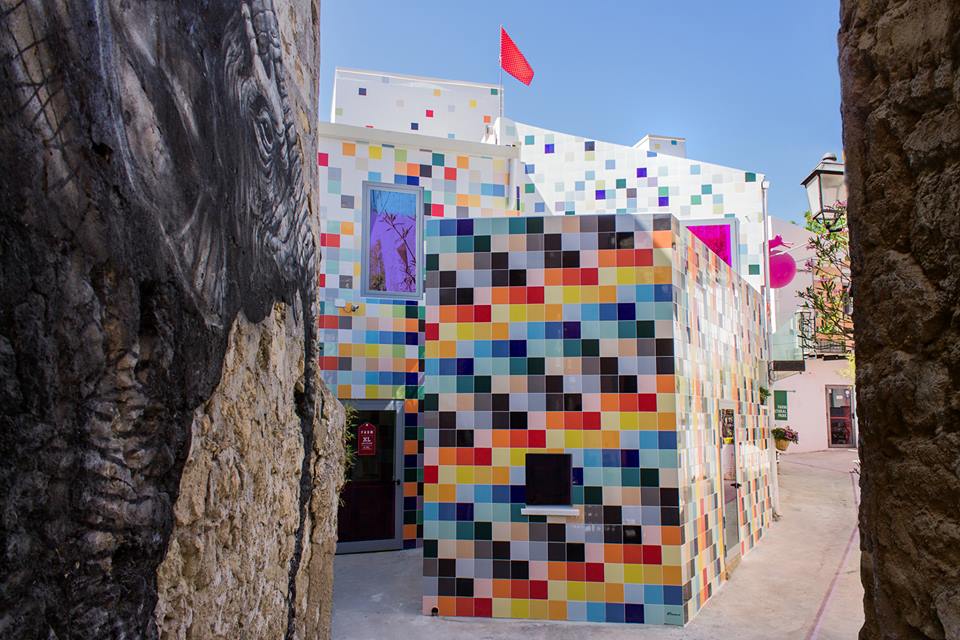 Farm cultural park fa 12 anni e raddoppia a Mazzarino25 giugno 2022
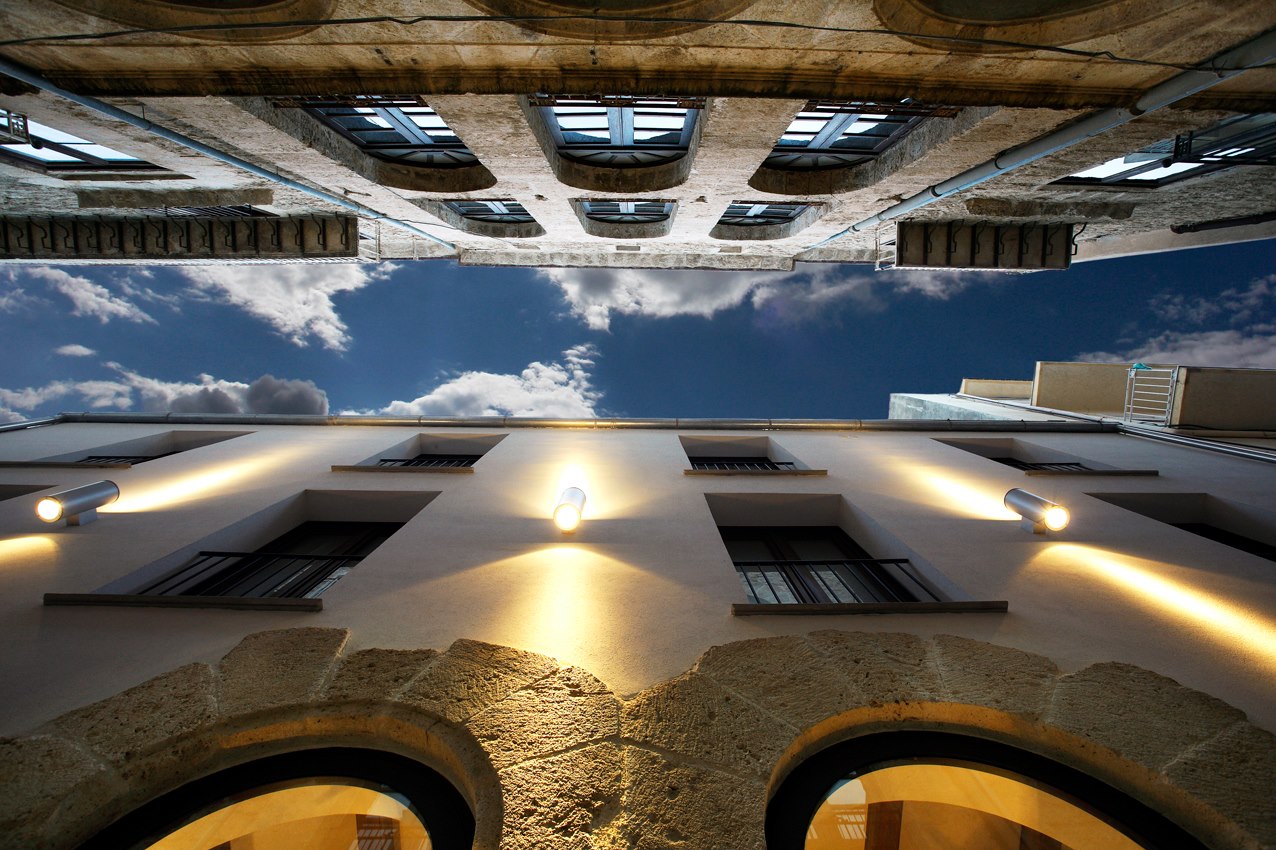 Eco-turismo e bio-distretti, un convegno a Favara16 giugno 2022
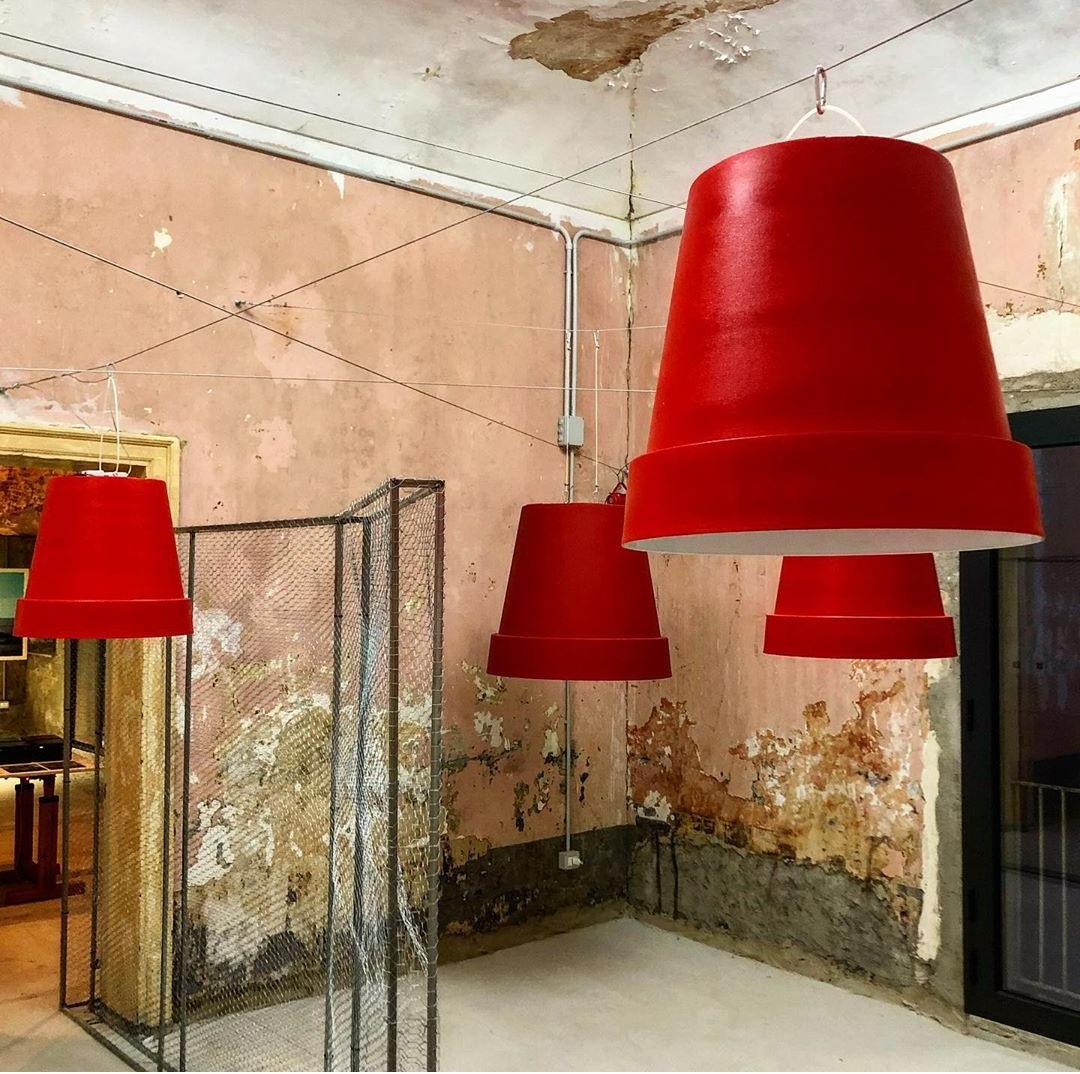 Gli operatori turistici alla scoperta della Farm Cultural Park07 agosto 2019
 Storia di una rigenerazione possibile: un libro sull’esperimento di Favara13 luglio 2019