Sperlinga is a village located in inland Sicily, in the province of Enna, midway between the Madonie and Nebrodi mountains. The landscape and distinctive historical and cultural features contribute to defining an area of particular interest.
The origin of the name is generally traced to the Greek term meaning "cave," referring to the numerous cavities carved into the rock, which are one of the most characteristic features of the village. The first settlements date back to antiquity, while urban development consolidated in the Middle Ages.
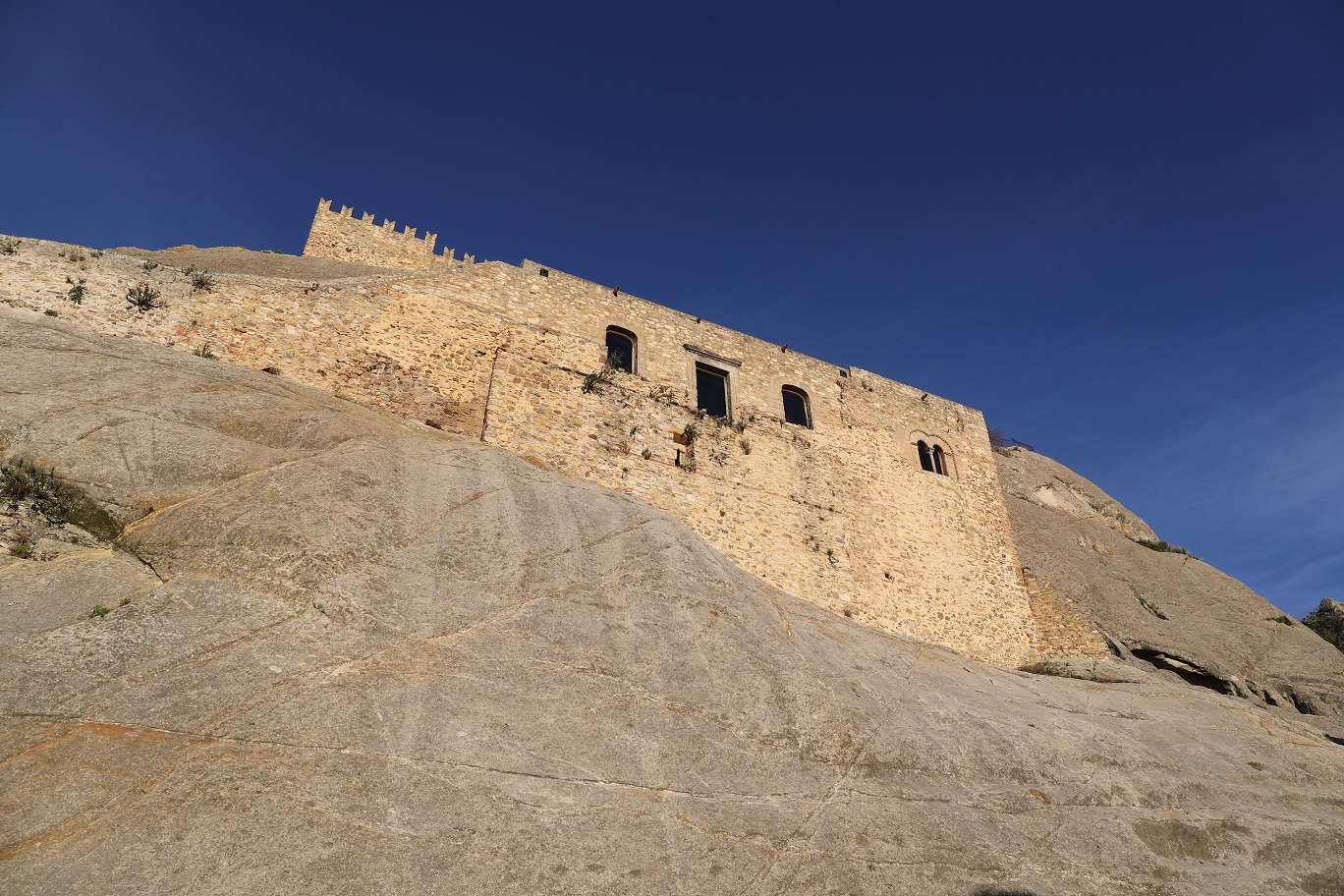
A central element of the local heritage is Sperlinga Castle, a rock structure built on a rocky outcrop, which has served defensive and administrative functions over time. Over the centuries, the village has been ruled by various feudal rulers, including that of the Ventimiglia family, who favored its development.
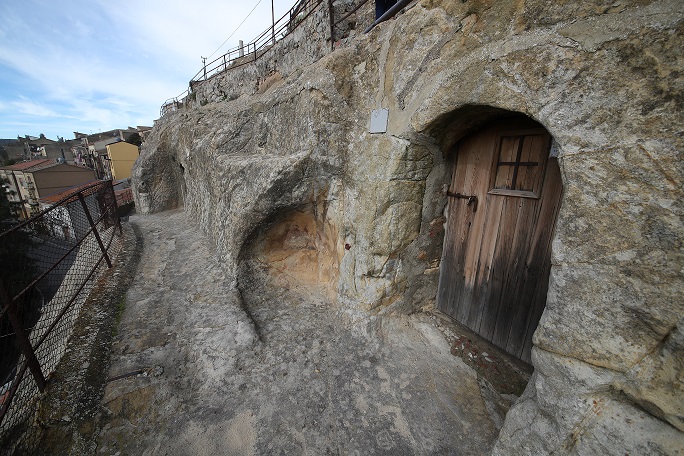
The urban fabric preserves significant remains, including characteristic cave dwellings, examples of the integration of architecture and natural environment, some of which can be visited today. These are complemented by religious buildings and historical trails that contribute to understanding the town's evolution.
Among the main places of interest are the Church of San Giovanni Battista and the Sperlinga Ethno-anthropological Museum, which documents aspects of the local culture. The surrounding area also includes areas of natural beauty, such as the Bosco di Sperlinga e Alto Salso Nature Reserve and the Campanito Lakes.
Local traditions are expressed in religious and historical events, including the Feast of Our Lady of Mercy and the summer historical parade. A distinctive feature is the Gallo-Italic dialect, evidence of the cultural influences deriving from settlements by populations from northern Italy.
The Cammino dei Briganti hiking trail also originates from the village, passing through rural landscapes and historical contexts linked to post-unification history.
Sperlinga is a place where historical heritage, environmental elements, and cultural traditions are integrated, helping to define a recognizable and coherent territorial identity.
 Associazione: Anci Sicilia
→
Associazione: Anci Sicilia
→
 Associazione: Borghi più belli d'Italia
→
Associazione: Borghi più belli d'Italia
→
 Gruppo di Azione Locale: GAL Madonie
→
Gruppo di Azione Locale: GAL Madonie
→
 Progetto: Eco Turismo In Comune
→
Progetto: Eco Turismo In Comune
→
Sperlinga is home to a developing business community characterized by a strong integration between economic activities, tradition, and the valorization of local resources. The businesses operating primarily in the agricultural, artisanal, food and wine, and tourism sectors, significantly contributing to the village's economic vitality.
The agricultural sector is represented by small and medium-sized businesses engaged in the cultivation of seasonal vegetables and aromatic plants, as well as the production of extra virgin olive oil. In many cases, these businesses adopt traditional practices, such as cold pressing, and promote local varieties, maintaining a direct connection with the surrounding rural landscape.
Local craftsmanship is another distinctive element. Of particular note is the processing of sandstone, used in the creation of architectural and decorative elements such as staircases, arches, and fountains. These artisanal skills, passed down over time, are applied both in the production of artifacts and in building restoration and recovery projects.
In the restaurant sector, family-run businesses offer traditional Sicilian cuisine, featuring local products such as cheeses, preserves, traditional sweets, and local wines. The spaces, often located in historic buildings or cave dwellings, contribute to an experience consistent with the local identity.
The tourism sector is primarily made up of small-scale accommodations, including bed & breakfasts and agritourisms, which integrate hospitality with experiential activities related to the local area, such as visits to Sperlinga Castle, nature trails, and tastings. Cultural initiatives and workshops are also held to promote traditional crafts and local products.
Overall, Sperlinga's business system is an integrated model in which agriculture, crafts, tourism, and food and wine contribute to the enhancement of the area, offering a diverse offering consistent with the local identity.
The Sperlinga area, with a population of 675 in 2023, covers an area of 59,139 km². The housing stock consists of 882 units, of which 318 are occupied and 564 are unoccupied, while the presence of foreign residents is marginal, with only 9 individuals.
From a tourism perspective, the village currently has no traditional accommodations, such as hotels, campsites, or agritourism facilities. However, there is a cultural institution, the Sperlinga Ethno-anthropological Museum, which attracted approximately 5,000 visitors in 2020, demonstrating significant interest in the local heritage.
The morphological characteristics of the territory show a predominance of altitudes between 600 and 899 meters, which cover approximately 80% of the area, followed by altitudes between 900 and 1,199 meters (17.54%) and between 300 and 599 meters (2.34%). This configuration contributes to defining a diverse landscape consistent with the characteristics of the Sicilian hinterland.
Given these elements, Sperlinga offers potential for development, particularly in the tourism and cultural sectors, thanks to the presence of landscape and historical-identity resources. The lack of accommodation infrastructure could represent an opportunity for the launch of new hospitality-oriented entrepreneurial initiatives.
At the same time, the small resident population and limited infrastructure are factors that must be carefully considered during the planning phase to ensure the sustainability and economic feasibility of the interventions.
Sperlinga therefore presents itself as a context with potential for targeted development, which requires a strategic approach based on the valorization of local resources and balanced planning.
Sperlinga is a village in the Sicilian hinterland distinguished by its historical and landscape heritage. Nestled in a natural setting linked to the Nebrodi area, the area presents a harmonious blend of environmental elements and vestiges of the past.
The main attraction is Sperlinga Castle, a medieval rock structure carved into the sandstone. Situated on an imposing rock formation, the castle dominates the town and offers a wide panorama of the surrounding valley. The interior, characterized by excavated rooms, tunnels, and cavities, provides a significant insight into the structure's original functions.
Next to the castle, the cave dwellings are another distinctive feature of the village. These dwellings, also carved into the rock, have long been used by the local population and represent a testament to traditional settlement methods. The historic center also retains an urban layout characterized by stone buildings, narrow streets, and small-scale social spaces.
The surrounding area offers opportunities for outdoor activities, thanks to the presence of nature trails and wooded areas that allow visitors to enjoy the landscape through hiking and cycling routes. This is complemented by traditional events that contribute to the valorization of the intangible cultural heritage.
Sperlinga presents itself as a place where historical, environmental, and cultural elements are integrated, offering a visitor experience linked to the discovery of the local identity.
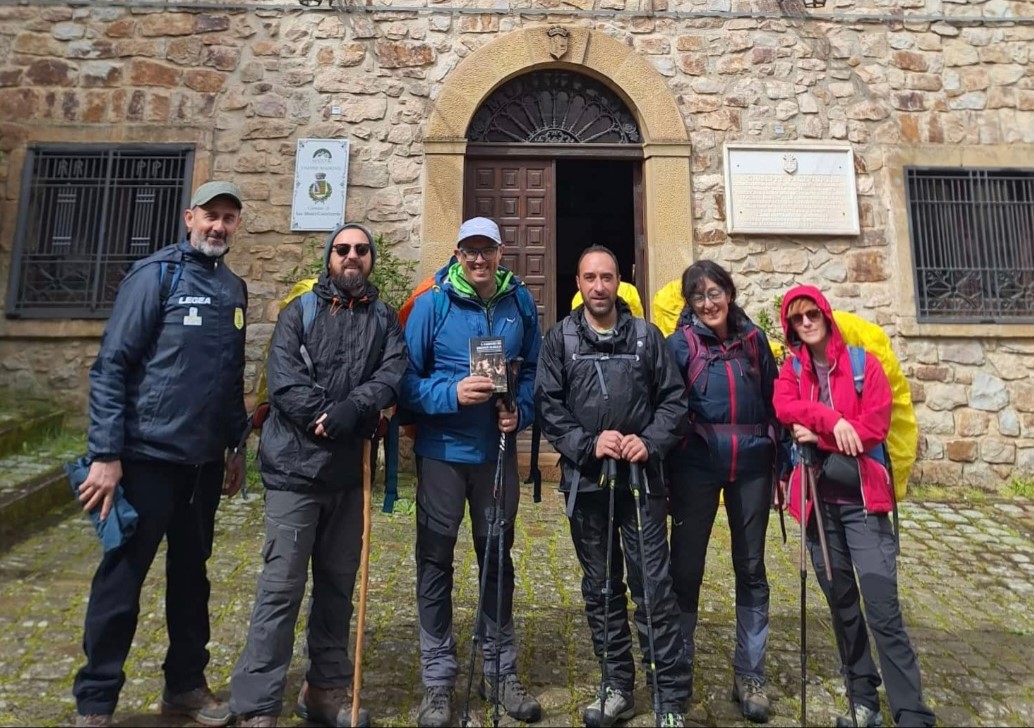 Sulle tracce dei briganti in Sicilia: il cammino al suo debutto25 marzo 2025
 Comuni turistici esclusi, Amata chiede chiarimenti a Istat07 marzo 2023
 Visite guidate, ma solo sui social, per scoprire i segreti di sei borghi16 dicembre 2020
 In treno storico tra gusto e meraviglie di Nebrodi e Madonie21 giugno 2019
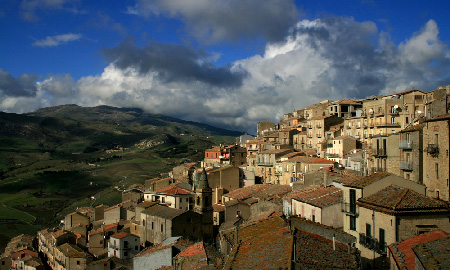 Un’unica carta dei sentieri tra Madonie e Nebrodi10 giugno 2015