Modica is a Sicilian city located in the southeast of the island, belonging to the free municipal consortium of Ragusa. It has over 53,000 inhabitants and stands out for its millennia-old history, evocative Baroque architecture, and unique geographical location, nestled on a plateau crossed by deep gorges, known locally as "cave."
Modica's origins date back to prehistoric times, as evidenced by the numerous caves and necropolises in the area. Over the centuries, the city was inhabited by Sicanians, Phoenicians, and Sicels, assuming a prominent role even in ancient times. Until the 19th century, Modica was the capital of a vast county that exerted significant political, economic, and cultural influence over southeastern Sicily.
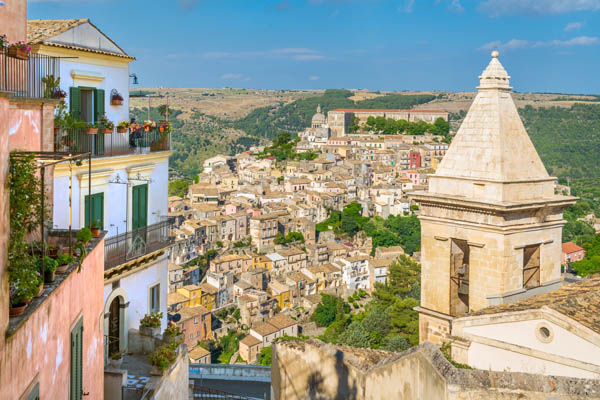
The historic center of Modica extends across four hills—Pizzo, Idria, Giacanta, and Monserrato—separated by two streams, now covered, that once powered numerous watermills. The distinctive urban morphology, with houses huddled together and embedded in the rock, gives the city a unique and scenic appearance, which has aroused the admiration of travelers and poets.
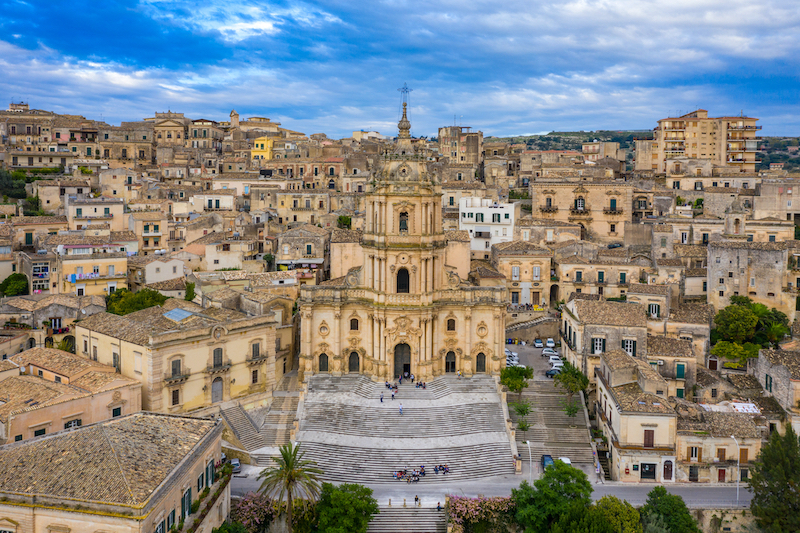
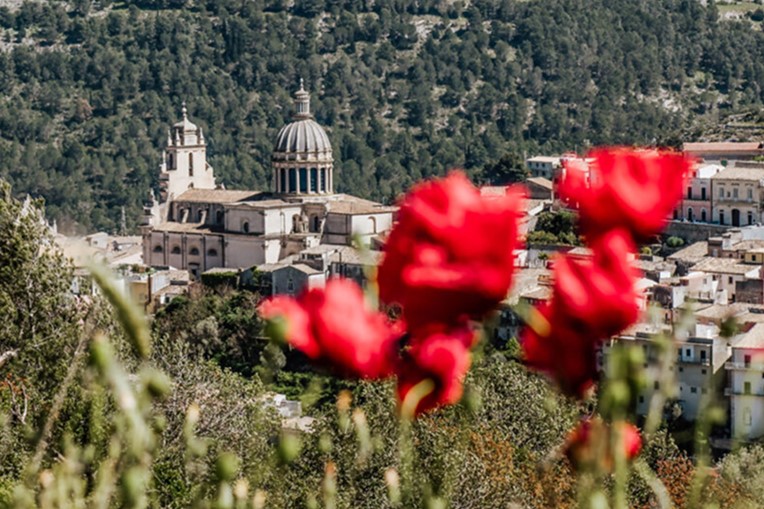
Modica's architectural heritage is dominated by the late Baroque, a style that emerged after the devastating earthquake of 1693. Among the most representative monuments is the Cathedral of San Giorgio, recognized as the symbol of the city and included in the UNESCO World Heritage List. Its imposing tower-like façade, dramatic staircase, and five-nave interior testify to the mastery of local artisans and the religious fervor of the Modica community.
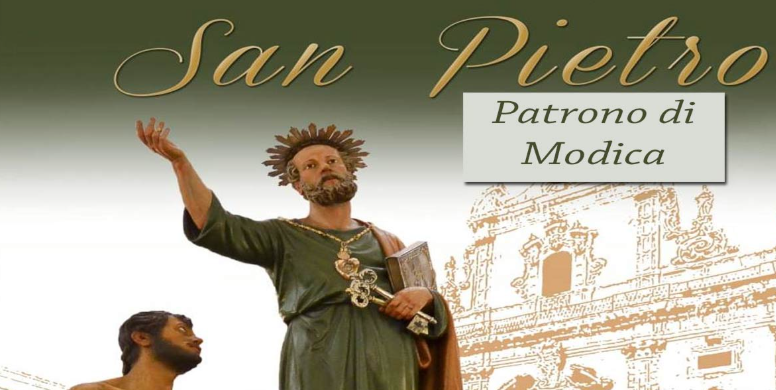
In addition to the Cathedral of San Giorgio, Modica boasts numerous prestigious churches, such as San Pietro, Santa Maria del Gesù, and San Giovanni Evangelista, as well as noble palaces such as Palazzo Polara and Palazzo Grimaldi. The Castello dei Conti, located on a rocky promontory, is another symbol of the city, linked to its history as a noble capital.
The ancient urban fabric is intertwined with a rich gastronomic tradition. Modica is famous for its chocolate, cold-processed using a technique of Aztec origin, which gives it a grainy texture and intense flavor. Other typical specialties include scacce, flatbreads filled with simple ingredients such as tomato, cheese, ricotta, and sausage, which embody the authenticity of the local cuisine.
The Modica area extends from the slopes of the Iblei Mountains to the sea, including the coastal villages of Maganuco and Marina di Modica. The climate is generally mild, with cool, rainy winters and hot but breezy summers. The city is also an ideal starting point for exploring the Cava d'Ispica, a long valley rich in archaeological remains, caves, catacombs, and remains of rock settlements that tell the story of humankind in Sicily.
Modica, with its history, architecture, and traditions, is one of the pearls of the Val di Noto, an unmissable destination for those wishing to discover the authentic soul of Baroque Sicily.
 Associazione: Anci Sicilia
→
Associazione: Anci Sicilia
→
 Destination Management Organization: Enjoy Barocco
→
Destination Management Organization: Enjoy Barocco
→
 Gruppo di Azione Locale: GAL Terra Barocca
→
Gruppo di Azione Locale: GAL Terra Barocca
→
Modica, nestled in the hills of the Val di Noto, is home to a vibrant entrepreneurial scene, ranging from artisan workshops to farms, from chocolate factories to hospitality facilities, creating a rich and diverse economic fabric. Along the cobbled streets of the historic center, ceramic and wrought-iron workshops showcase the mastery of local artisans, crafting art objects and custom furnishings, heirs to a centuries-old tradition. Nearby, small tanneries and carpentry workshops operate with techniques passed down through generations, producing unique pieces destined for regional and national markets.
In the heart of the city, Modica chocolate production stands out for its originality: family-run businesses, often artisanal, follow centuries-old recipes to preserve the typical granularity and intense flavor. These businesses, while remaining rooted in the community, invest in innovation to expand their product range—from classic bars to flavored flavors—and promote tastings that attract tourists from all over Italy.
Local agriculture, another pillar of Modica's economy, sees cooperatives and individual farms engaged in the cultivation of numerous typical products: citrus fruits, pistachios, olives, and organic vegetables are sold both in local and zero-mile markets, promoting short supply chains and respect for the environment.
The hospitality sector, consisting of agritourisms, B&Bs, and small hotels, offers authentic hospitality, often in structures set in historic buildings or renovated rural homes, combining modern comforts with historic charm. Many of these establishments collaborate with artisans and farmers to offer experiential packages: tastings, food workshops, cultural excursions, and visits to local shops.
A network of professional services—architecture, design, and communication firms—and the commitment of business associations that foster synergies between different entities complete the picture. The result is a dynamic and integrated system, in which local businesses interact with one another to promote Modica as the ideal destination for those seeking authenticity, quality, and a truly local economy.
The territory of Modica, with a population of approximately 53,485 inhabitants in 2023, appears as a place of interest for potential investors. The presence of a territorial area of over 29,000 hectares offers ample opportunities for development in various sectors, including real estate, tourism, and commerce. The dwellings in the municipality are around 35,268, with a significant percentage of unoccupied homes, which could represent an opportunity for investments in the real estate sector. The presence of approximately 2,466 foreigners indicates a potential market for expansion of services and activities aimed at an international clientele. From a tourist point of view, Modica offers a varied range of accommodation, with a total of 154 accommodation facilities including hotels, farmhouses, bed & breakfasts, and other non-hotel establishments. The presence of museums and cultural institutions, with over 10,000 visitors in 2020, highlights the cultural and historical heritage of the territory, which could attract tourists interested in local culture and history. The geographical and morphological characteristics of the territory, with altitudinal bands ranging from 300 to 599%, offer opportunities for the development of activities related to nature tourism and hiking. Furthermore, the presence of healthcare facilities and accommodation services such as youth hostels and holiday homes, contributes to making Modica a welcoming place for investments in the healthcare and tourism sectors. In conclusion, Modica presents itself as a territory with growth and development potential in various sectors, offering interesting opportunities for investors who wish to enhance local resources and contribute to the economic and social growth of the community.
Modica, a charming town located in the heart of the Val di Noto in Sicily, is one of southern Italy's most evocative tourist destinations, renowned for its rich Baroque heritage and authentic Sicilian atmosphere. Divided into Modica Alta (Upper Modica) and Modica Bassa (Lower Modica), the city offers visitors a unique experience amid picturesque alleys, historic buildings, and monumental churches. One of the main attractions is the Duomo di San Giorgio (Cathedral of San Giorgio), a masterpiece of Sicilian Baroque that dominates the city with its dramatic staircase and imposing façade. Equally captivating is the Church of San Pietro (St. Peter), with its statues of the apostles welcoming visitors at the entrance.
Walking through the streets of Modica Bassa (Lower Modica), you can admire the elegance of the noble buildings and soak up the atmosphere of a city that has successfully preserved its historical identity. Modica Alta's numerous viewpoints offer spectacular views of the city below, especially at sunset, when the golden tones of the local stone shimmer in the sunlight.
Beyond its architectural and landscape attractions, Modica is also renowned for its gastronomic tradition, particularly its renowned chocolate, crafted according to an ancient Aztec recipe. This unique product, with its grainy texture and intense flavor, is a major tourist attraction.
Finally, Modica hosts numerous cultural and religious events throughout the year that enrich the visitor experience, offering an authentic glimpse into local life. Visiting Modica means immersing yourself in a world suspended between art, history, and tradition, where every corner tells a story and every stone preserves the memory of a glorious past.
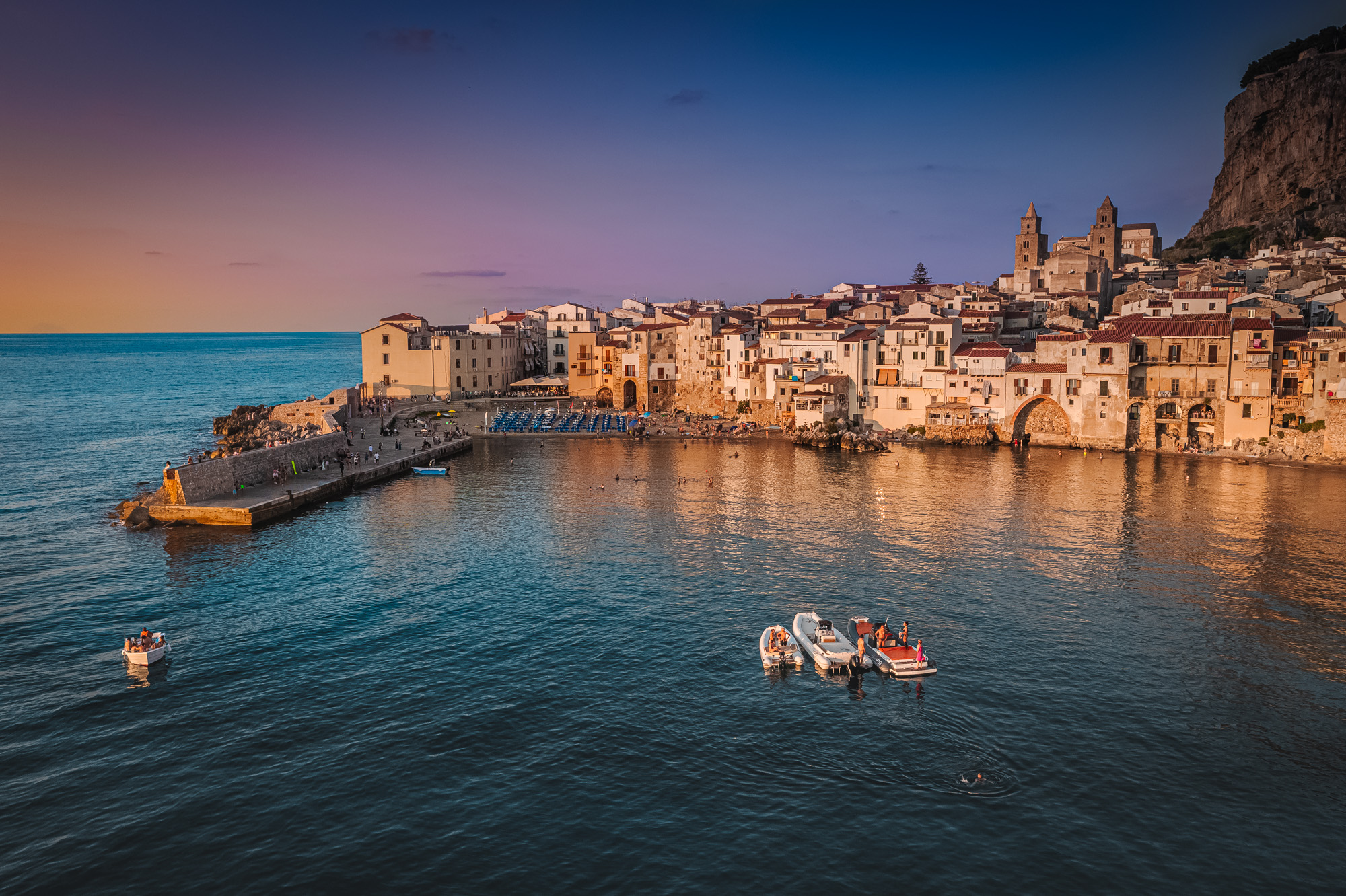 Da Cefalù a Erice, 50 Comuni siciliani senza elenchi online dei beni confiscati17 settembre 2026
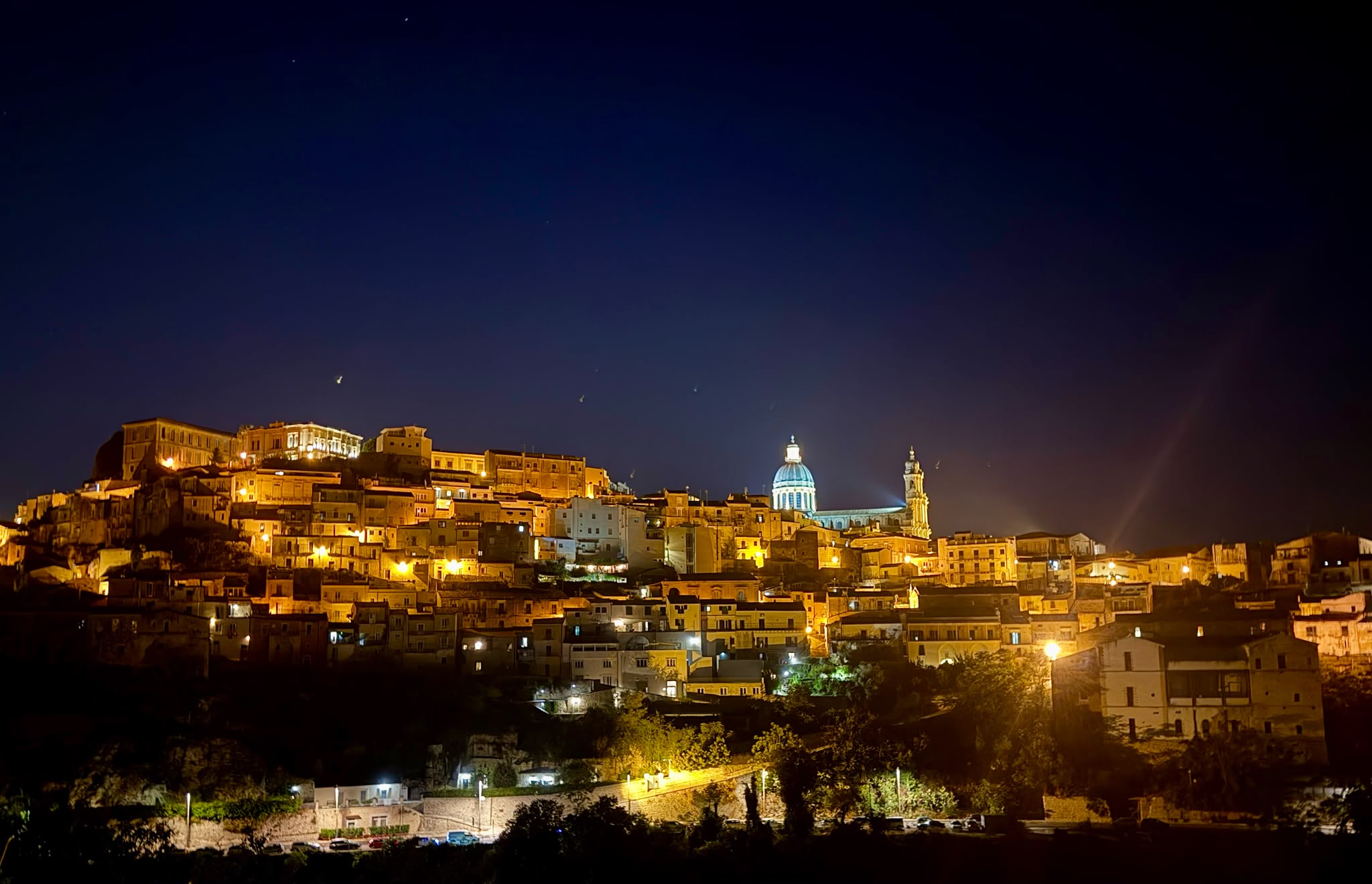 Il ragusano nuova destinazione del turismo religioso internazionale?24 agosto 2026
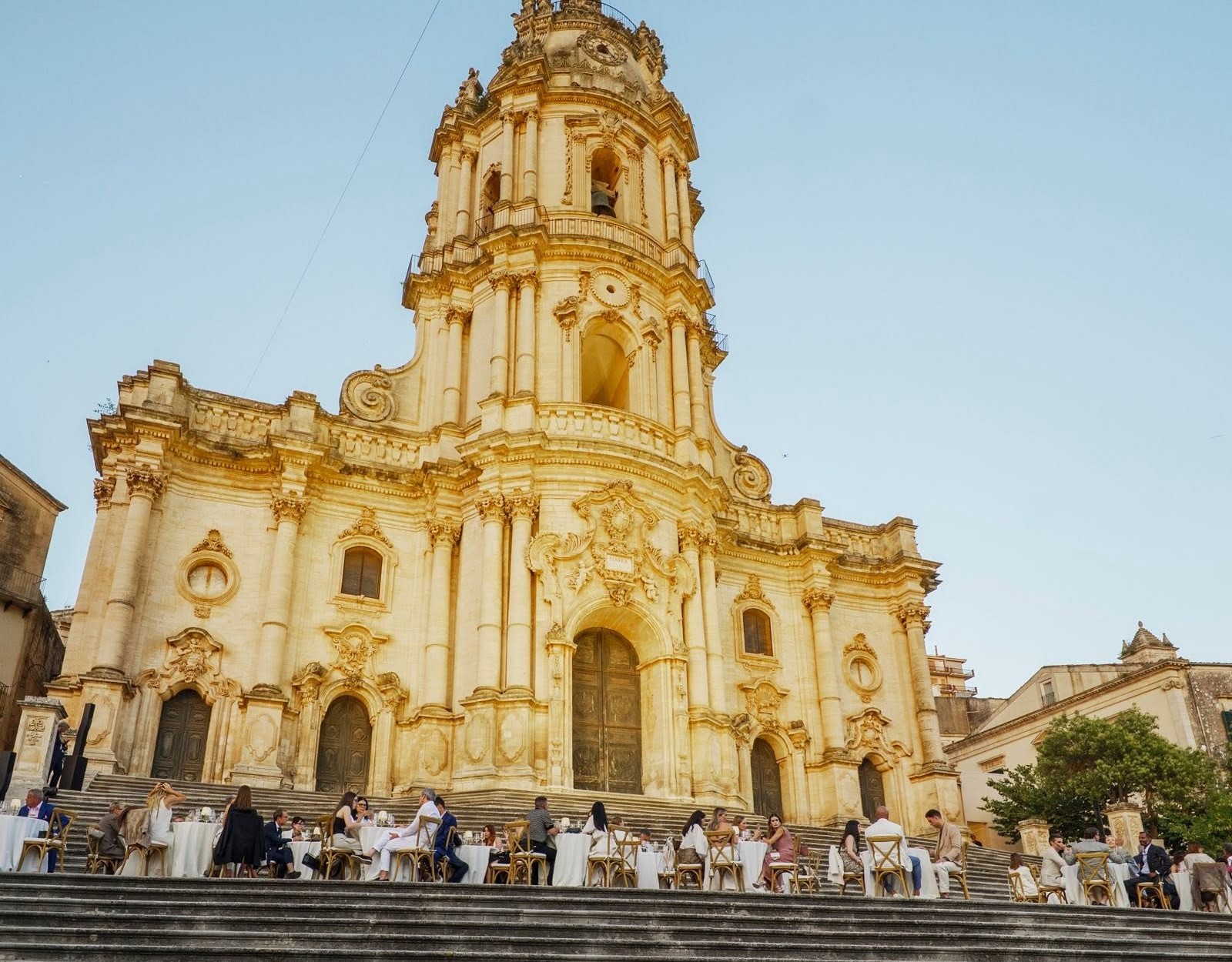 Cucinelli sceglie Modica per l’evento esclusivo dell’estate13 giugno 2026
 IA e sociologia del viaggio: focus a Modica e Ibla16 maggio 2026
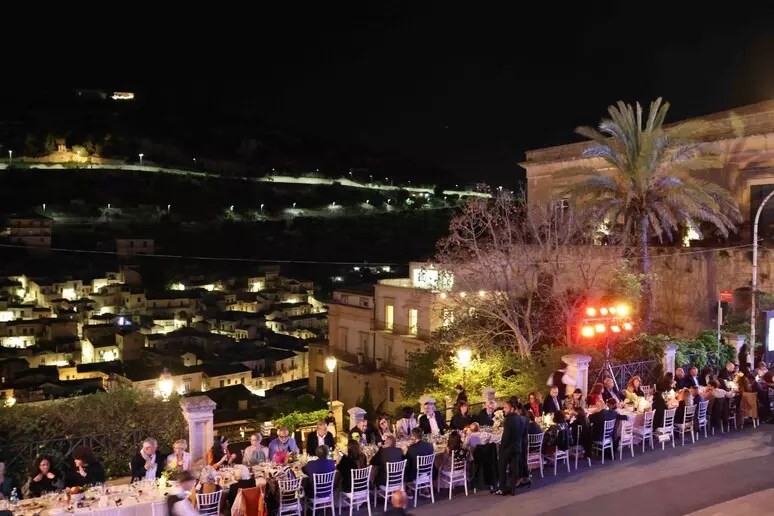 ‘100 a tavola’ torna e si fa in tre tra Modica, Ragusa e Comiso18 aprile 2026
 Dati, AI e turismo: due focus per gli operatori del ragusano25 marzo 2026
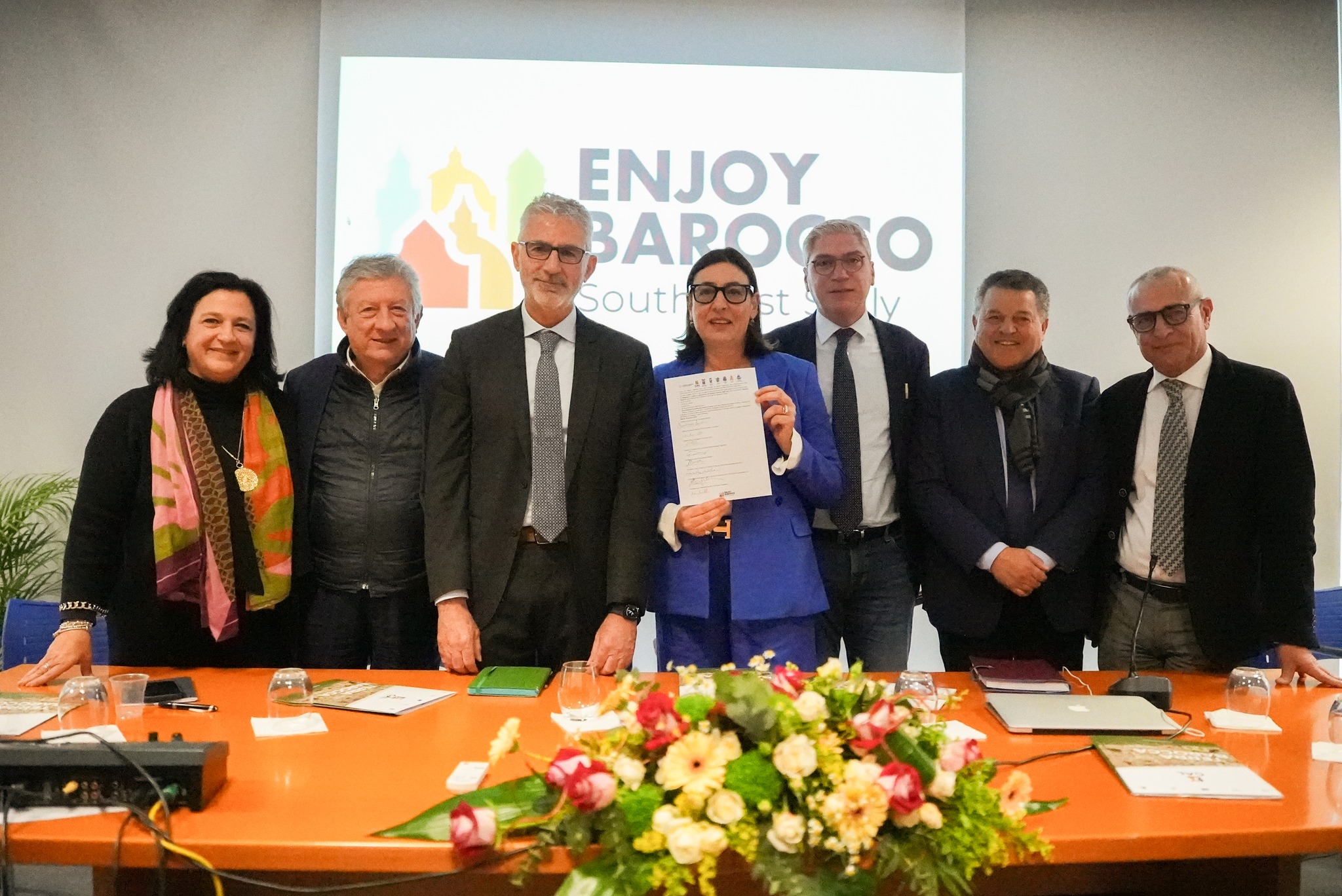 Svolta per il turismo ibleo: verso una DMO pubblico-privata12 gennaio 2026
 Enjoy Barocco DMO, 5 incontri online su futuro assetto02 dicembre 2025
 La mostra su Banksy a Modica prorogata fino all’inizio del 202608 novembre 2025
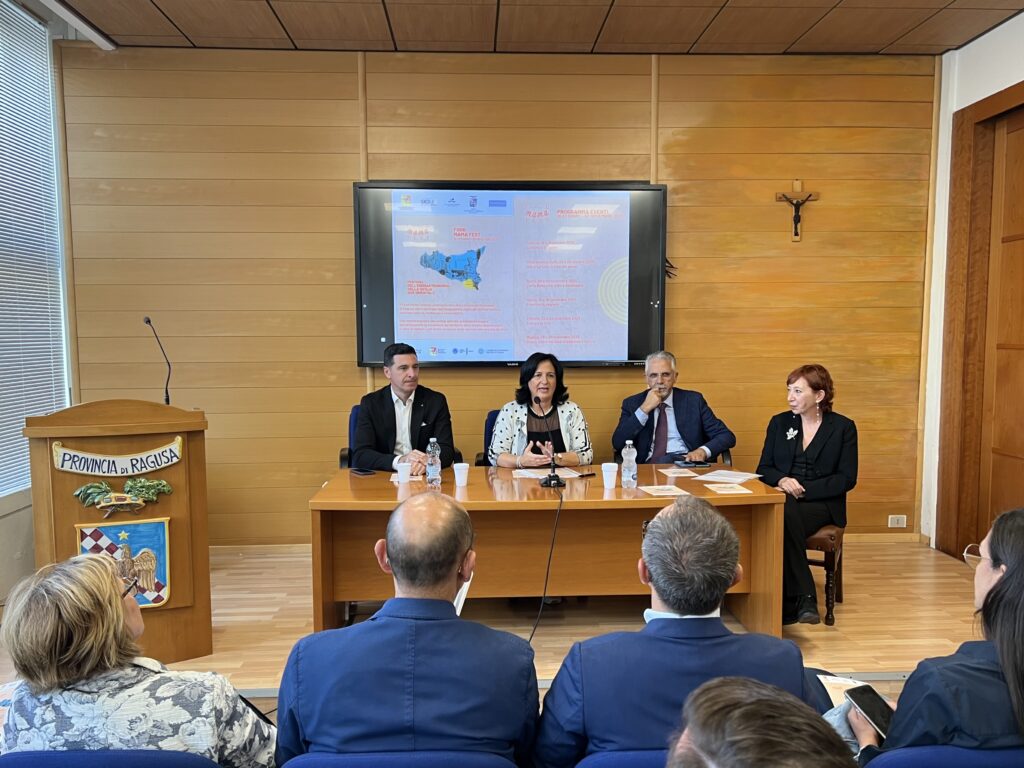 6 città in 6 weekend: nel ragusano al via il Food Mama Festival17 ottobre 2025