Located on the eastern coast of Sicily, Augusta is a town rich in history and tradition. Founded by the Greeks in 1232 BC, the city has undergone various dominations over the centuries, including Roman, Byzantine, Arab, and Norman. This mix of cultures has helped shape Augusta's unique identity, which still preserves numerous historical and architectural relics. Augusta's historic center is characterized by narrow cobbled streets, ancient churches, and noble palaces, which tell the story of the city's thousand-year history. Among the main attractions are the Mother Church, dedicated to San Sebastiano, and the Swabian Castle, an imposing fortress built in the 13th century to defend the city from Saracen pirate attacks.
The area surrounding Augusta is dominated by pristine nature, with breathtaking landscapes overlooking the Ionian Sea. The golden sandy beaches and crystal-clear waters make this area a true paradise for lovers of the sea and relaxation.
Economically, Augusta boasts a strong tradition of fishing and agriculture, producing high-quality local products such as citrus fruits, olives, and wine. Furthermore, the commercial port of Augusta is one of the most important in Sicily, contributing significantly to the local economy.
The community of Augusta is known for its warm welcome and vibrant social life, with numerous festivals and cultural events enlivening the city streets throughout the year. The local cuisine is a veritable riot of Mediterranean flavors, featuring dishes based on fresh fish, seasonal vegetables, and extra virgin olive oil.
In short, Augusta is a place that enchants with its millennia-old history, the beauty of its landscapes, and the authenticity of its culture. A trip to this charming Sicilian city is an unforgettable experience, allowing you to fully immerse yourself in Sicilian tradition and hospitality.
Augusta's business landscape is characterized by a variety of local businesses that contribute to the Sicilian municipality's economic vibrancy. Among the most significant are those related to agriculture, with the production of citrus fruits, olives, and grapes representing a significant portion of the local economy. Local farms are renowned for the quality of their products and their respect for Sicilian culinary traditions.
In addition to agriculture, the fishing sector also plays a key role in Augusta's economy. Numerous businesses engage in fishing and fish processing, helping to keep alive a centuries-old tradition linked to the sea and local gastronomy. Augusta's seafood is renowned for its freshness and quality, and is appreciated both locally and nationally.
Commercial activities are another key component of Augusta's business landscape. The streets of the historic center offer a variety of shops and boutiques offering typical local products, traditional crafts, and gift items. The town's merchants are known for their friendliness and helpfulness, creating a welcoming atmosphere that invites visitors to explore the area's beauty.
There is also no shortage of businesses related to the service sector, such as restaurants, hotels, bars, and travel agencies. Augusta is a highly popular tourist destination, both for its strategic location and its natural and historical beauty, and local businesses strive to offer quality services to guests who choose to spend time in the Sicilian town.
Finally, it's worth mentioning the presence of small and medium-sized businesses operating in the artisanal and manufacturing sectors. Ceramics, weaving, woodworking, and glassmaking workshops are just some of the businesses that help keep the area's ancient artisanal traditions alive. These businesses, often family-run, represent a precious cultural heritage to be preserved and promoted.
In conclusion, Augusta's local businesses are a key element of the Sicilian town's identity and economic development. Thanks to their variety and quality, they contribute to making Augusta a unique and fascinating place, capable of offering authentic and unforgettable experiences to residents and visitors.
The territory of Augusta, with a population of 34,703 inhabitants in 2023, covers an area of 111.4896 sq km. The gender distribution is balanced, with 17,247 males and 17,456 females. The presence of foreigners is limited, with a total of 1,125 individuals. From a housing perspective, as of December 31, 2021, there were 26,284 dwellings, of which 15,420 were occupied and 10,864 were unoccupied. The accommodation facilities are varied and numerous, with a total of 42 lodging establishments offering a total of 1,847 beds. Among these, the 4-star hotels stand out, boasting 538 beds and 548 rooms. From a tourism perspective, Augusta offers various investment opportunities in the hotel and non-hotel sectors. Agritourism, holiday homes, bed & breakfasts, and other lodging establishments in the area represent potential sources of income for investors interested in the tourism sector. From a cultural perspective, the territory has a museum institute with 372 visitors in 2020, which could represent an opportunity for the development of activities related to the enhancement of the local cultural heritage. The geographical and morphological characteristics of Augusta, with a perimeter of 135.8950274 km and an area of 111.1596 sq km, offer a suggestive and varied context that could attract tourists interested in nature and landscape. In conclusion, Augusta presents itself as a territory with development potential in the tourism and hospitality sector, with investment opportunities especially in the hotel and non-hotel sectors. The presence of already established structures and the richness of the local cultural heritage make this territory attractive for investors seeking new opportunities in the sector.
Augusta, a city offering a wide range of attractions, is an ideal destination for those seeking a holiday combining culture and relaxation, discovering a Sicily where military history, Baroque elegance, and nature blend together in a unique landscape.
The city's main attraction is its historic core, a fortress-island connected to the mainland by two bridges. Dominating this landscape is the imposing Swabian Castle, one of the largest and most significant fortresses built by Emperor Frederick II of Swabia in the 13th century. With its imposing walls, the castle dominates the harbor and offers breathtaking views of the sea, testifying to the strategic role Augusta has always played in the Mediterranean. Another symbol of the city is the monumental Spanish Gate, a triumphal arch dating back to 1681 that was once the only entrance to the city.
Another must-see attraction is the historic center, with its churches that tell the story of reconstruction after the 1693 earthquake. Among these, the Mother Church, dedicated to Maria Santissima Assunta, stands out, and with its works of art represents the spiritual heart of the community.
For history and archaeology enthusiasts, the Augusta area holds a priceless treasure: the Archaeological Park of Megara Hyblaea. Here, the remains of one of the oldest Greek colonies in Sicily, founded in 728 BC, are preserved. Visiting this site means taking a dive into history and discovering the urban planning and daily life of an ancient and thriving Greek polis.
For nature lovers, Augusta offers the opportunity to visit not the distant Vendicari oasis, but the evocative Augusta Salt Pans. This protected area, with its ponds and canals, is an important habitat for numerous migratory bird species and offers a unique landscape, where human activity and nature coexist in harmony.
Finally, for those who love the sea, Augusta offers enchanting views. The most famous is the seaside village of Brucoli, a small jewel nestled in a natural fjord, with its small harbor, 15th-century castle, and turquoise sea inviting you to a refreshing dip.
In conclusion, Augusta is a city of fascinating contrasts, a place where the severity of military architecture marries the grace of the Baroque, and where the millennia-old history of the Greeks overlooks one of Europe's largest industrial ports.
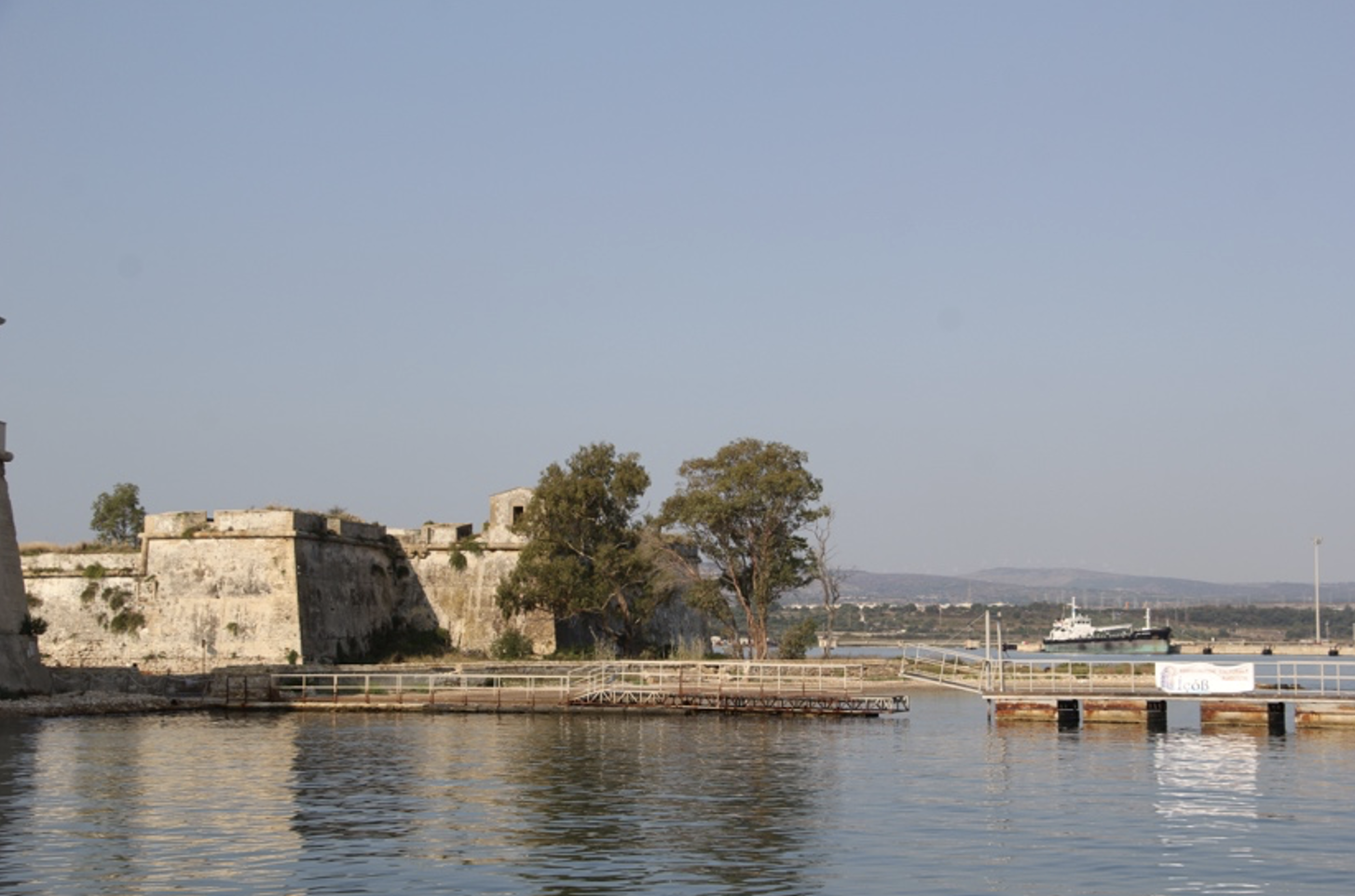 Porto di Augusta, ok a riqualificazione dei due Forti02 marzo 2026
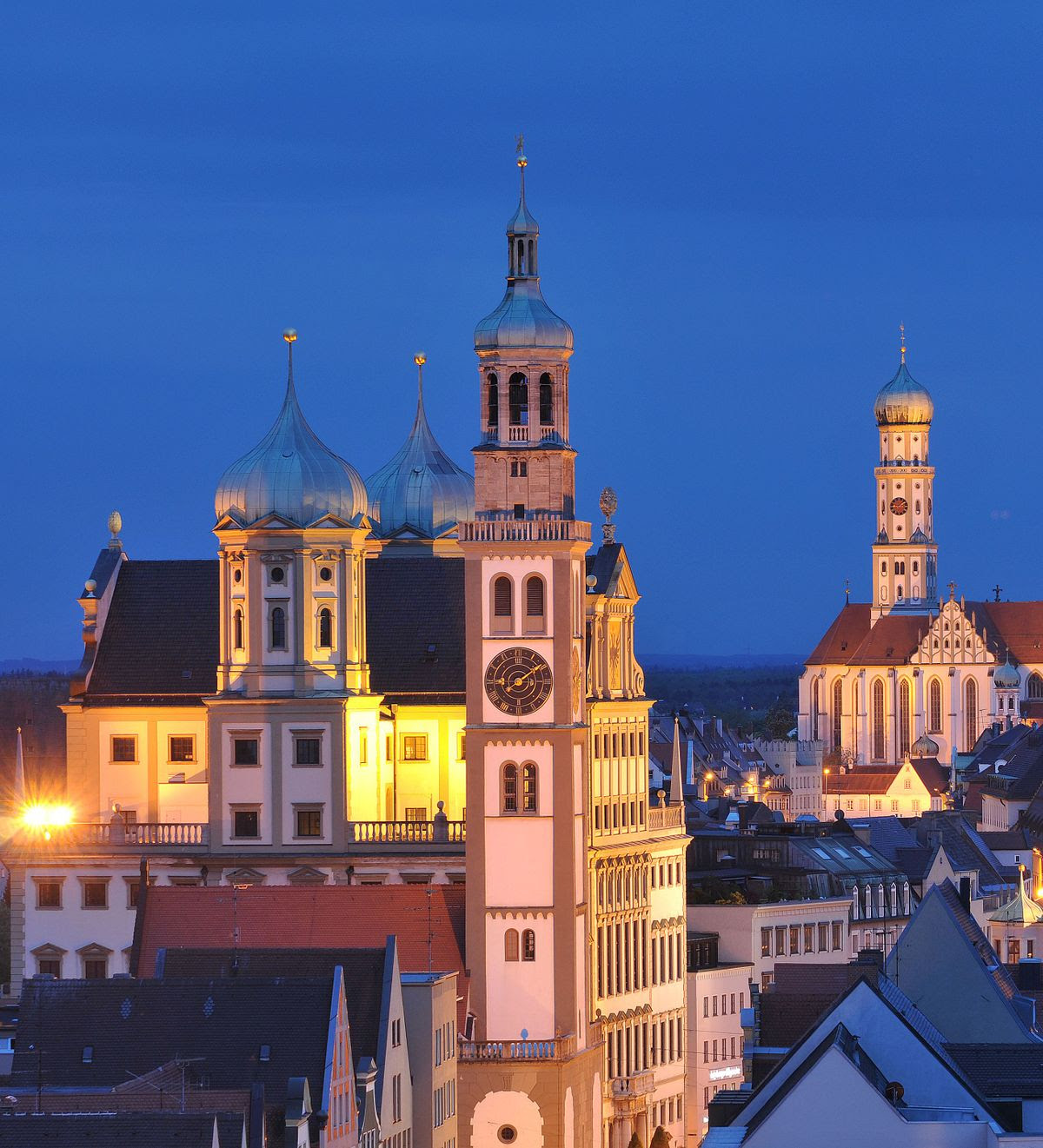 Estate 2025 ad Augsburg: tra cultura, musica e movida02 luglio 2025
 Rfi, aggiudicata gara per bypass ferroviario Augusta31 gennaio 2025
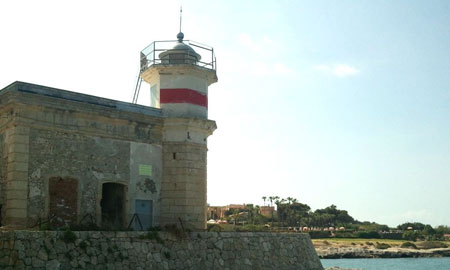 Albergo di lusso dentro un faro: ad Augusta già è realtà14 gennaio 2017
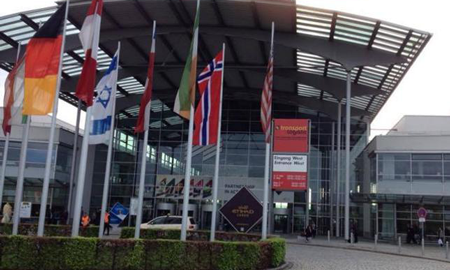 I porti di Palermo, Messina, Catania e Augusta al Transport Logistic di Monaco di Baviera08 maggio 2015