Situated in the heart of the vibrant Tuscany region, Prato is a city embodying a priceless historical and cultural heritage, projected into a decidedly contemporary dimension. Nestled in a privileged position between the slopes of the Calvana Mountains and the Bisenzio River, its identity is a fascinating mosaic of history and traditions. The historic center still retains its medieval layout, surrounded by imposing 14th-century walls. Here stand the most significant monuments, such as the majestic Emperor's Castle, the only example of Swabian architecture in central-northern Italy, commissioned by Frederick II. Not far away, the Cathedral of Santo Stefano houses the city's most precious treasure: the Holy Belt, a thin band of wool traditionally believed to be the Virgin Mary's belt, displayed to the faithful in a solemn display from Donatello's external pulpit. Prato is known worldwide, however, above all for being one of Europe's most important textile districts. This ancient vocation, rooted in the Middle Ages, has made the city synonymous with innovation and quality in the production of yarns and fabrics, a story beautifully told within the Textile Museum. Today, this industrial tradition intertwines with a dynamic and multicultural present. Prato is home to one of the largest Chinese communities in Italy, which has helped transform and revitalize the economic and social fabric, creating a unique cultural and cosmopolitan hub. This drive toward modernity is also symbolized by the Luigi Pecci Center for Contemporary Art, an institution of international standing. Ultimately, Prato is a city of surprising contrasts, capable of combining its glorious past with a forward-looking present, where medieval art dialogues with contemporary creativity and ancient traditions blend with a global spirit, reflecting the complexity and vitality of Italy today.
No membership group specified.
Prato, one of the charming hilltop villages of Tuscany, houses within it a particularly lively and multidimensional economic-business context. Belonging to a region that has made art, food, and textiles its specialty, makes local businesses in Prato the pulsating heart of innovation and tradition. In particular, Prato is internationally recognized for its solid tradition in the textile sector, dating back to the Middle Ages. Today, the textile industry in Prato represents one of the city's main economic resources, famous for producing high-quality fabrics for both domestic and foreign markets. Dynamic, versatile, and always attentive to new trends, Prato's textile companies are able to combine craftsmanship and advanced technology in a unique final product. But it's not just textiles: Prato is also rich in food companies active in the production of regional typical products. Among the most famous is the production of typical wines of the area, such as the famous Biscotto di Prato, better known as cantuccio. Aged, majestic ovens and small pastry shops spread the scent of this specialty throughout the city every day, confirming the strong bond between Prato's culinary tradition and its local economy. In recent years, Prato has been experiencing a real boom in the technology and innovation sector. More and more high-tech start-ups are born and develop in the city, creating a network of collaboration with the historical companies present in the area. This phenomenon has allowed the creation of a balanced ecosystem where tradition and modernity coexist, creating positive synergies and a varied and dynamic economic fabric. Another prominent sector in Prato is related to fashion and design: there are numerous small and medium-sized companies that produce clothing, accessories, and household items, appreciated both in Italy and abroad. Craftsmanship, attention to detail, and above all, love for quality materials have become the hallmark of Prato's companies in this sector. In conclusion, local businesses in Prato are a concentration of Tuscan vitality and ingenuity, capable of producing quality goods and services, thanks to a perfect mix of skilled craftsmanship and innovative spirit. It therefore responds to a logic of local development imbued with passion for work, respect for tradition, attention to detail, and the continuous search for new ideas and solutions. The multiplicity of sectors involved and the willingness to cooperate among companies make Prato's entrepreneurial system a shining example of how the economy can be a powerful engine for growth and renewal throughout the territory.
The municipality of Prato, located in the region of Tuscany in Italy and identified by the ISTAT code 100005, is an interesting territory both from a socio-demographic and economic point of view, presenting various investment opportunities in different sectors. With a total population of 197,088 inhabitants, Prato stands out for a gender balance, with a slight predominance of females (100,262) over males (96,826). In the demographic analysis, it is relevant to note the significant presence of foreigners, composed of 31,082 males and 28,746 females, for a total of 59,828 individuals. This cultural diversity can contribute to a multicultural and cosmopolitan environment, fostering innovation and economic growth. The territorial area of Prato extends for 365.75 square kilometers, with a perimeter of 53.02 kilometers. The area is predominantly located in an altitude range lower than 299 meters above sea level (87.25% of the territory), while only a small percentage varies between 300 and 899 meters (about 12.75%). Geographically and morphologically, therefore, Prato offers mainly flat land, favorable for investments in the real estate and commercial sectors. In terms of residential construction, as of December 31, 2021, there were 104,084 occupied dwellings and 8,814 unoccupied dwellings, for a total of 112,898 dwellings. These data suggest an active real estate market, which could offer interesting investment opportunities. In the tourism sector, the municipality of Prato shows a decent level of development. Despite the absence of luxury five-star hotels, there are various hospitality establishments such as lower-class hotels, bed & breakfasts, farm stays, and hostels, totaling 103 accommodation facilities. These establishments offer a total of approximately 2,197 beds, suggesting a mid-level tourist offer. It is interesting to note the presence of 11 museum institutions within the municipality, which annually attract a significant number of visitors (77,540 in 2020). This evidence of a rich cultural heritage can make Prato attractive for cultural tourism, providing further investment opportunities in this sector. From an infrastructural point of view, Prato is easily accessible through various modes of transportation, both rail and road. In fact, it is zero minutes away from both railway stations and highway access points. This factor, combined with its geographical location, can facilitate the development of commercial and industrial activities. In conclusion, Prato offers multiple potentials to potential investors. The real estate sector could benefit from the availability of flat land and the considerable number of dwellings, while the tourism sector can benefit from the cultural heritage and the variety of accommodation facilities available. At the same time, the presence of a significant foreign population represents an opportunity for market diversification and potential stimulus to economic growth. However, for a complete and accurate evaluation, further information may be necessary, such as related to the general economic situation, the labor market, the presence of public services, and the quality of life.
Prato, an artistic and cultural treasure trove nestled in the heart of Tuscany, offers art and history enthusiasts a series of unexpected gems. This small city is intertwined with centuries-old histories, enhanced by the enchanting surrounding landscape that has inspired poets and painters throughout the ages. The cornerstone of the city's religious life is undoubtedly Prato Cathedral, dedicated to Saint Stephen, the pride of the local community and one of the most significant examples of Romanesque architecture in Tuscany. Nestled in its side, the Chapel of the Sacred Girdle, a refined treasure trove of Italian Renaissance art, houses what is traditionally the belt that the Virgin Mary gave to Saint Thomas. The reliquary is usually displayed to the faithful on special occasions, such as Christmas Day, the Assumption, the Ascension, and Saint Stephen, the city's patron saint. Another key focal point of the city's identity is the Palazzo Pretorio, the former residence of the podestà, whose exterior walls, dotted with noble coats of arms, can still be admired today. It houses an important art museum, containing works by Filippo Lippi, Donatello, and many other masters of Italian painting. A few steps from Piazza del Duomo stands the Church of San Domenico, a masterpiece of 14th-century art. Inside, frescoes by Filippo and Filippino Lippi are a true journey back to the Renaissance era. For those who appreciate contemporary art, "Il Teatrino dell'arte" by Gualtiero Nativi, located in the center of Prato, is a true slice of modernity in a city that has managed to preserve its ancient splendor intact. Often overlooked by most, the Church of Santa Maria delle Carceri, designed by the genius Giuliano da Sangallo, is a must-see for any visitor to the city. The elegance of its Renaissance lines, as well as the simplicity and luminosity of its interior, never fail to captivate all who visit. But Prato isn't just art and architecture: the city keeps its traditions alive with events and festivals throughout the year. In September, for example, the traditional "Festa del Patrono" (Patron Saint's Day) takes place in honor of San Stefano, with parades, historical reenactments, and gastronomic delights. On summer nights, Prato becomes the scene of "Notte Bianca" (White Night), an event celebrating art, music, and food, attracting visitors from all over Tuscany. Furthermore, in May, the "Palio di Prato" thrills the city with its historic horse race held in the historic center. During the Palio, Prato transforms into a veritable open-air theater, replicating the medieval tradition that lives on in its streets and squares. Finally, at the beginning of summer, the streets of Prato are filled with the "Sagra del Biscotto di Prato," dedicated to the celebration of this culinary delicacy, and "Pratoestate," a packed calendar of concerts, films, theater, and dance performances in the square. Therefore, visiting Prato means immersing yourself in an environment rich in history and culture, with an extraordinary artistic heritage and a vibrant tradition of events that make it an increasingly fascinating destination to explore.
 Vertice tra Questura e Federalberghi Prato contro reati a danno dei turisti18 settembre 2026
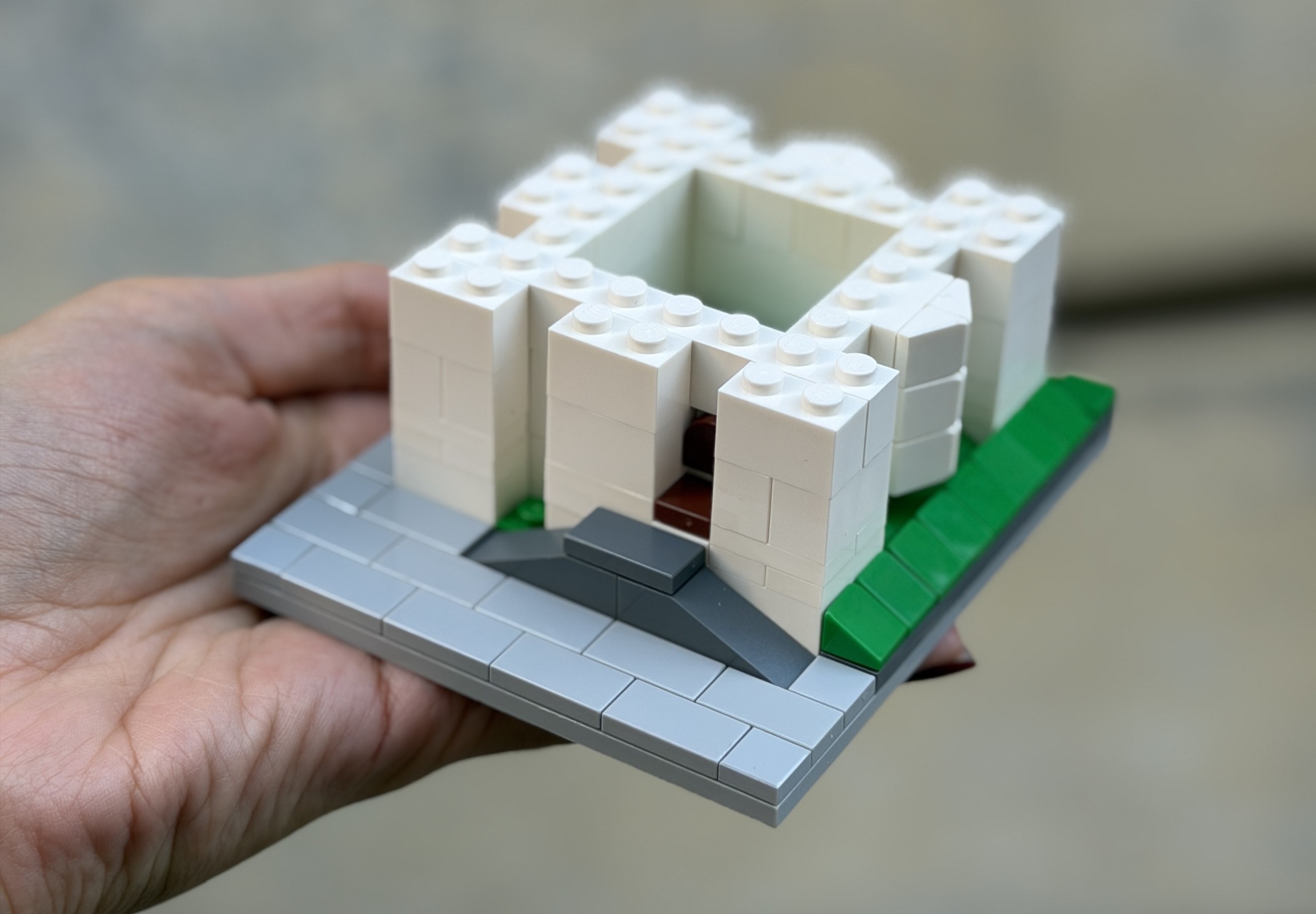 Prato, il Castello dell’Imperatore diventa modellino in mattoncini05 dicembre 2025
 Turismo industriale, percorso immersivo nell’industria tessile in Alta Val di Bisenzio22 marzo 2022
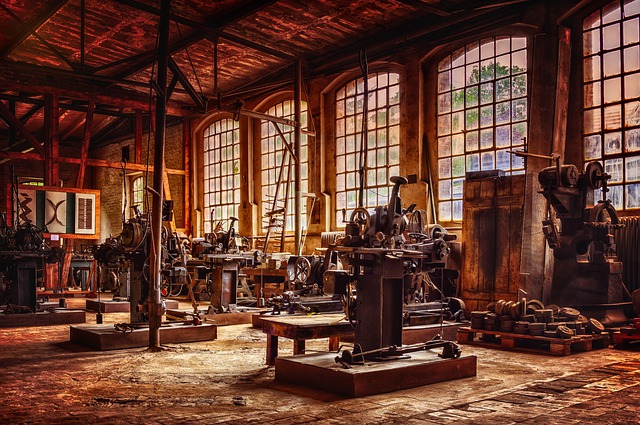 Prato punta su turismo industriale, tour in fabbrica l’ultimo weekend del mese24 gennaio 2022
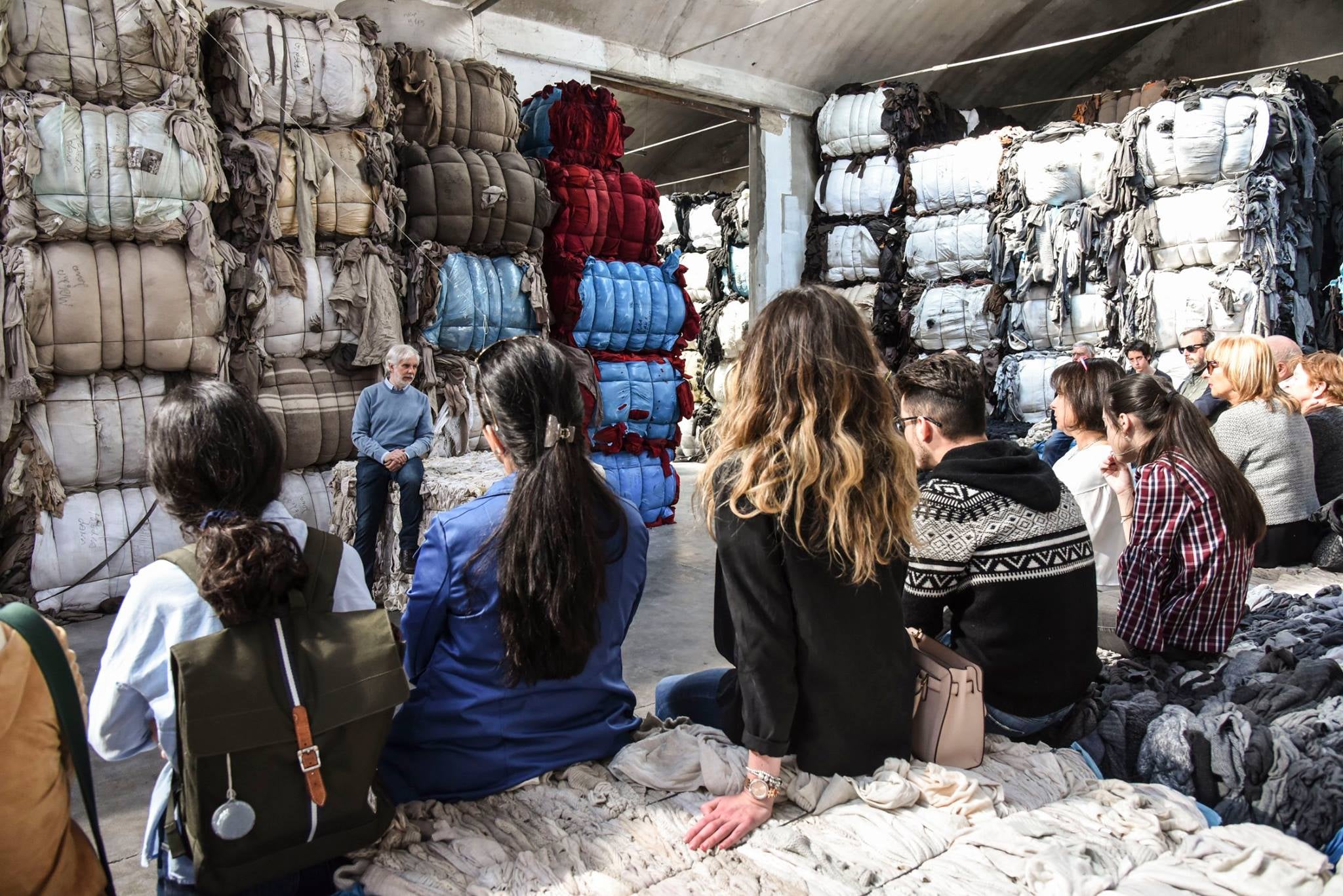 Prato scommette sul turismo industriale con visite a fabbriche tessili, spettacoli e trekking urbano24 settembre 2021Se l’industria tessile diventa attrazione turistica, l’esperimento di Prato03 settembre 2021
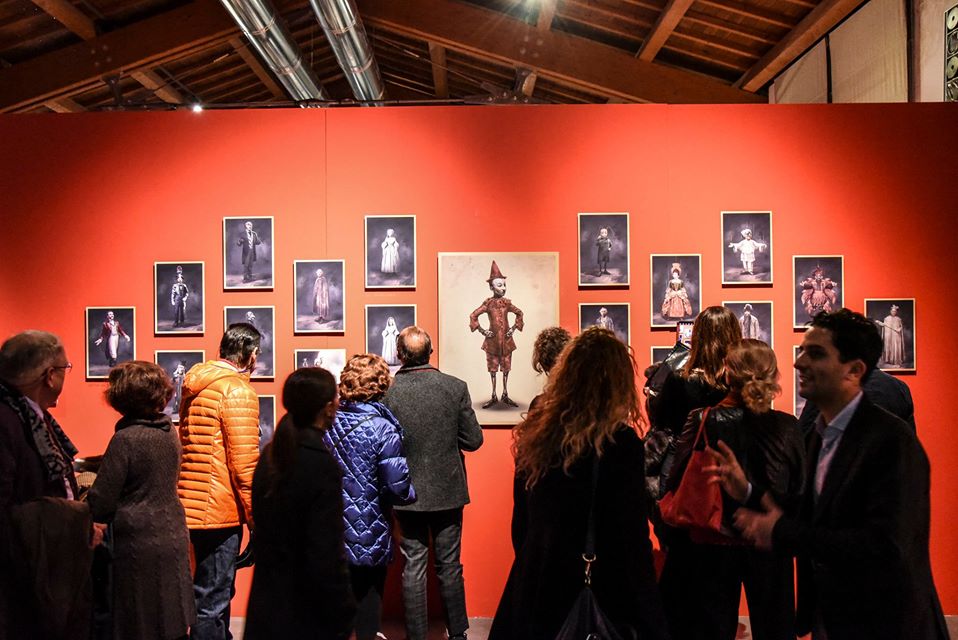 A Capodanno 5 musei aperti a Prato con ticket ad 1 euro30 dicembre 2019
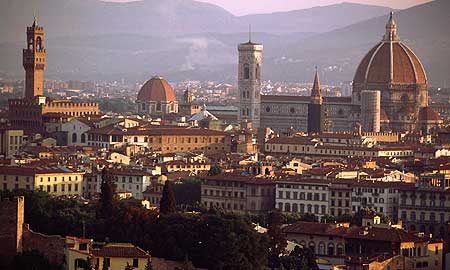 Via della Seta, China Central Television alla scoperta di Firenze e Prato22 luglio 2019
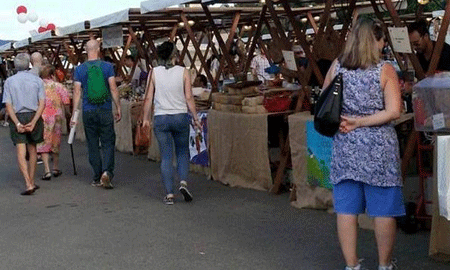 A Prato il ‘Mercato del Giubileo’ con laboratori e tour guidati02 maggio 2016
 A Prato si fa il punto sul ‘congressuale’ in Toscana21 gennaio 2016