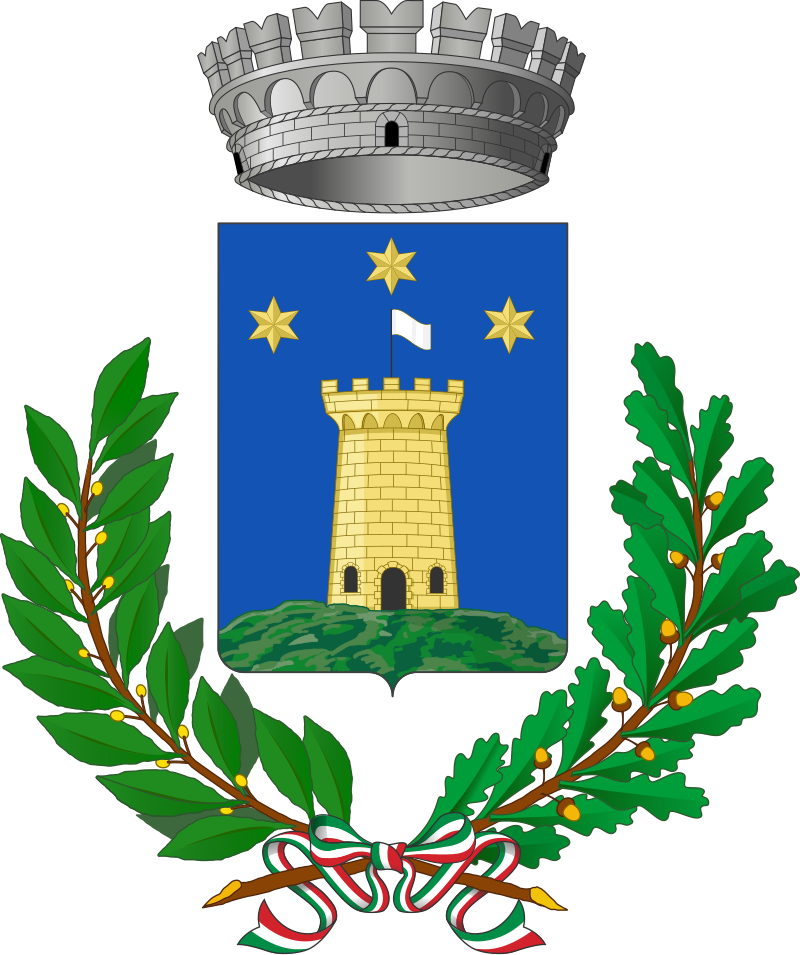
The municipality of Camporgiano is a fascinating place in Italy, hidden in the austerely beautiful folds of the Tuscany region. Located in the province of Lucca, it is a breath of pastoral serenity and quiet rural authenticity that seeps into the depths of the Serchio valley. The terrain is mainly mountainous, a testament to the fact that Camporgiano is situated in the spectacular setting of the Apuan Alps, whose majestic peaks symbolically seem to watch over the region's tranquility. The municipality is made up of a number of localities and hamlets, each with its own particular charm and rich, complex history. Among these, it is worth mentioning the idyllic locations of Casatico, Villetta, San Pietro, and Vibbiana. While the total population of Camporgiano does not exceed 2000 residents, this small number contributes to the characteristic intimacy and accessibility of the municipality. The historical depth of Camporgiano is reflected in its buildings and social fabric. The municipality dates back to the medieval era, carrying with it the weights and triumphs of centuries of existence. One of the most notable moments in its history occurred in the 14th century when the municipality became a fiefdom of the noble Estense family. These were times of political fervor, and the signs of this dynamic past are still visible in the character of Camporgiano. Agriculture played a fundamental role in the economy of Camporgiano, as befits a municipality located in the spectacular natural landscape of Tuscany. Local food products such as chestnuts, cereals, and potatoes tend to reflect the richness of the local terroir, and significantly contribute to the gastronomic authenticity of the municipality. The breeding of cattle, sheep, and goats was another local occupation, contributing to the development of quality dairy production. The atmosphere of Camporgiano is characterized by a quiet serenity, with the majestic Apuan Alps mountain range stretching across the landscape and the whispers of the Serchio river accentuating the tranquility of the environment. The expanses of greenery, lush forests, fertile plains, along with the majestic mountains, harmoniously combine to create a truly picturesque panorama. A special mention deserves the climate of Camporgiano which, while having the typical characteristics of the Tuscan continental climate mix, has some unique nuances. Summer months can be immersed in a friendly warmth rather than suffocating, while winters tend to be mild, enriched by moderate rainfall. In summary, Camporgiano is a municipality that beautifully embodies the seductive characteristics of Tuscany: medieval history, rustic authenticity, mountainous landscape, and flourishing agriculture. If you desire an escape from the hustle and bustle of urban life, it is worth discovering this corner of Italy. A place where you can spend some time immersed in the beauty of nature, kissed by a slice of Italian history, and savor the pure essence of Tuscan culture.
No membership group specified.
In the heart of Tuscany, among mountains and waterways, there is a small municipality called Camporgiano. A place where tradition has ancient roots, reflected not only in the picturesque stone architecture and warm inhabitants, but also in the economic activities that characterize the area. The local businesses in Camporgiano are indeed a perfect example of how identity and innovation can coexist in the rich socio-economic fabric of Italy. The main economic resource of Camporgiano is certainly agriculture. The fertility of the land and a mild climate favor a varied agricultural production, from olives to wheat, from vegetables to orchards. Among the valuable crops, the vines stand out, from which sought-after and quality Tuscan wines are produced. For this reason, several local companies operate in the wine sector, producing and distributing prestigious wines that captivate enthusiasts and industry experts. Another important sector is livestock farming. Camporgiano can be described as a true paradise for lovers of sheep and goat cheeses, characterized by an intense flavor, the result of pure air and unspoiled nature. Furthermore, meat processing is a tradition passed down from generation to generation, bringing superior quality cured meats to Tuscan tables. The economic activities of Camporgiano are not limited to primary sectors. Craftsmanship also plays a crucial role in the local economy, keeping alive ancient traditions and processing techniques. Decorative ceramics, wrought iron works, sandstone and wood: each piece tells the story of the place, the passion and skill of those who made them. The catering sector is another area where local businesses in Camporgiano stand out. Various types of trattorias and restaurants offer a range of culinary experiences, introducing typical dishes that reflect the combination of the richness of the land and that of Tuscan tradition. And to end on a sweet note, there are also artisanal pastry shops that delight the palate with local sweets, rigorously prepared according to traditional recipes. Finally, in the municipality of Camporgiano, there is also a lively commercial sector. From small shops to supermarkets, retail or wholesale, the commercial offer covers a wide range of products, ensuring everything that residents or visitors may need. The local businesses in the municipality of Camporgiano are therefore a mosaic of different activities, all united by passion and attention to quality and tradition. The result of this amalgamation is a rich and vibrant municipality, where businesses not only contribute to economic development, but also play a significant role in the social fabric, culture, and daily life.
The municipality of Camporgiano, with ISTAT code 46006, is a territory of modest dimensions, but rich in opportunities. Its total population, projected for 2023, will be 2005 inhabitants, almost perfectly balanced between males (998) and females (1007). The number of foreign residents is rather limited, with 122 individuals, almost evenly divided between males and females. Its territory covers an area of about 27 square kilometers, with a perimeter of 29 kilometers. It is not a coastal or insular location, and the majority of its territory is located at an altitude between 300 and 899 meters. The center of the municipality is situated at an altitude of 475 meters. In terms of housing, the number of occupied houses as of December 31, 2021 is 908, while those unoccupied are 685, for a total of 1,593 dwellings. Despite its sparsely urbanized nature, Camporgiano is accessible through various modes of transportation. The travel time to reach a railway station with active passenger service is 74 minutes, while access to the highway network is 63 minutes. The nearest airport is 91 minutes away, while a port with passenger service can be reached in 79 minutes. On the tourism front, the presence of hotel facilities is rather limited, with only one establishment offering 12 beds, distributed in 5 rooms. However, the range of accommodations is enriched by a variety of non-hotel options, such as agritourism facilities, which offer a total of 217 beds, and entrepreneurially managed rental accommodations, with 45 beds available. The cultural heritage is represented by a museum, which however did not record any visits in 2020. This could indicate an area for improvement and potential investment to enhance the local cultural resources and attract tourists. In terms of investment opportunities, there are several promising sectors. Firstly, the real estate sector could offer interesting opportunities, considering the number of unoccupied dwellings. Furthermore, the tourism sector could benefit from the development of new hotel and accommodation infrastructure, capable of expanding the range of available accommodations. Finally, given the accessibility of the municipality, resources could be invested in improving transportation infrastructure. The potential challenges mainly concern the low level of urbanization and the limited availability of hotel options.
In the heart of the Tuscan region, in the province of Lucca, lies the small and charming town of Camporgiano, a hidden gem of Garfagnana. The place, surrounded by the greenery of the Tuscan-Emilian Apennines, preserves historical and architectural evidence of significant interest, attracting numerous visitors every year. One of the main attractions of Camporgiano is undoubtedly its castle. Known also as the Fortress of Camporgiano, it has its roots in the medieval era and constitutes a fascinating example of fortified architecture of that period. Today, thanks to a careful restoration work, the castle is a destination for guided tours that allow visitors to retrace the history and events that have marked its existence. An important place of worship for the town is the Church of San Jacopo, whose patron saint is celebrated on July 25th with a popular festival during which various activities take place, including the traditional procession. Other churches of notable interest are the Church of San Bartolomeo, in the village of Silicagnano, and the Church of Santa Lucia, located in the village of Vianova. If you are passionate about history and archaeology, it is worth visiting the Ethnographic Museum of Garfagnana "Olinto Cammelli", which preserves artifacts and evidence of rural life in the area. The museum is free to enter and guided tours are available by reservation. Interesting events take place throughout the year, but one in particular attracts visitors from all over the region: the Mushroom Festival. This festival usually takes place in September and includes tastings of porcini mushrooms and other local products, as well as performances of traditional music and dances. For those who love nature, Camporgiano offers multiple possibilities: walks through ancient villages, excursions along the paths of the Orecchiella Park or along the banks of the Serchio River, horseback riding or cycling, not to mention fishing in the numerous streams and rivers in the area. Equally impressive is the Apuan Alps Park, located not far from the town of Camporgiano, where you can take long walks through forests, mountains, and waterways, admiring breathtaking views and discovering the richness and variety of the local flora and fauna. The Grotte del Vento (Wind Caves) are also very suggestive, a complex of underground galleries where you can admire splendid stalactites and stalagmites formations, and where caving routes are organized. In conclusion, Camporgiano is a place where history, nature, and culture blend together, offering visitors a unique and unforgettable experience. Whether you are an art enthusiast, a lover of good food, a hiker, or simply seeking tranquility, this small corner of Tuscany will surely amaze you.