Montecarlo is a charming Tuscan village nestled in a landscape of great beauty among the spectacular hills of Lucchesia, a realm of vines and olive trees that offer an intimate, reflective, and harmonious atmosphere. Covering an area of about 15km², this enchanting historic center, atop which stands a sturdy medieval fortress, is an unexpected gem, a place of tranquility and peace, a guardian of a timeless essence. The village was founded in the distant year of 1333, by the will of Charles IV of Luxembourg - from whom it would eventually take its name - with the purpose of serving as a defensive bastion against the nearby powerful Florence. Montecarlo became an important political and commercial hub, also favored by its strategic position between the communication routes from north to south. Wandering through the narrow, cobblestone alleys of the historic center, one breathes an almost timeless atmosphere. Intact historic palaces, ancient manor houses, churches with austere charm, and frescoed houses embellish the view with their magnificent architecture. The warm colors of the bricks and stone, made even more vibrant by the sun that embraces them during the hottest hours, give Montecarlo an unmistakable appearance that transports one back in time. Yet Montecarlo is a lively municipality, a beacon of local culture thanks to the numerous significant events that take place there every year. From the polyphonic concert "City of Montecarlo", to the International Choir and Folklore Festival, these events have always attracted art and music enthusiasts from Italy and around the world. Its lively calendar of activities immerses visitors in the life of the village, allowing them to enjoy the true essence of Tuscany and its cultural heritage. Montecarlo is also known for its great winemaking tradition. The surrounding area is rich in vineyards that produce excellent wines, appreciated worldwide. Its geographical position, altitude, and quality of the soil contribute to creating an ideal microclimate for vine growth. Dirt roads wind through the multitude of hills as far as the eye can see, offering a relaxing and intoxicating landscape for those who choose to explore them. Certainly one of the treasures of the municipality of Montecarlo is its untouched historic center. Enclosed by medieval walls and crowned by the castle, it becomes a magical place at sunset, when the last sun lights up the ancient stones and the houses become silhouettes floating in the shadows. Another fascinating aspect of Montecarlo is its proximity to important Tuscan historic centers such as Lucca, Florence, and Pisa, which are easily reachable, offering visitors the opportunity to combine the pleasure of visiting Montecarlo with the discovery of other splendid art cities. These are just some of the reasons why Montecarlo is a fascinating and unique municipality. In it, one finds the charm of antiquity combined with the vitality of Tuscan culture, creating a unique experience that captivates anyone who visits.
No membership group specified.
In the heart of the lush Tuscan region, within the province of Lucca, there is a lively productive and cultural hub represented by the local businesses of the municipality of Montecarlo. These, in their colorful ensemble, embody a progressive vision rooted in the traditions that make the small reality of Montecarlo a microcosm of extraordinary richness. A discussion about the local businesses of this fascinating municipality cannot ignore the mention of agriculture and, above all, viticulture. In fact, Montecarlo is renowned for the production of its namesake wine, a precious nectar that carries all the flavor and aroma of this sun-kissed land. The numerous wineries, often family-run, are scattered like pearls along the hill on which the village stands, forming a splendid mosaic of vineyards and olive groves. Of particular importance among these businesses is the Montecarlo Social Winery, a meeting place and sharing space for local winemakers. A place where respect for tradition harmonizes with the most advanced innovation to give life to a wine with an unmistakable taste. However, Montecarlo is not just about wine. The entrepreneurial energy of the village is also expressed in the art of craftsmanship and the creation of excellent products. These are small businesses that work with wood, ceramics, and metal, transforming raw materials into splendid works of art. Examples are the numerous artistic ceramic workshops, where local ceramists shape tradition through their creations, often inspired by the medieval motifs that characterize the municipality. In addition, the food industry is another pillar of the local economy. In addition to wine, Montecarlo is known for a series of typical products such as olive oil, pecorino cheese, cured meats, and traditional sweets. Bakeries, butchers, and small agri-food companies play a fundamental role in promoting the local gastronomy, enhancing authentic flavors and ensuring the quality and freshness of the products. Also noteworthy is the field of rural tourism, a form of sustainable tourism that has seen significant development in recent years. Numerous agritourisms, bed & breakfasts, and inns within the municipality offer visitors the opportunity to fully experience an immersive stay in Tuscany, among the landscape and cultural beauties of the area. In summary, the local businesses of Montecarlo are a mirror of the authenticity and dynamism of this corner of Tuscany. Their work, focused on the enhancement of traditions and the constant pursuit of quality, makes Montecarlo a virtuous model of sustainable and inclusive local development. A miniature world, where passion for one's work transforms into authentic value for the entire community.
The scenario of Montecarlo as a potential investment opportunity appears quite interesting, considering various demographic, economic, morphological, and infrastructural aspects. Located in the plain of Lucca, the town has a population of about 4435 people, of which 2151 are men and the remaining 2284 are women. The presence of housing is largely occupied (1711), while vacant housing units are 528. Furthermore, the area boasts a small international community, consisting of 383 foreign residents. Geographically, Montecarlo covers an area of about 15.63 square kilometers. The location of the municipality and its mainly flat morphology make it accessible and well connected to important landmarks in the region. In fact, the passenger railway station is only 36 minutes away, access to the highway network is just 8 minutes away, the airport is 40 minutes away, and the passenger port is reachable in 49 minutes. However, despite its strengths, Montecarlo has some shortcomings, mainly in the hospitality and tourism sector: there are no hotels, with a total of 0 beds available for accommodation. But the tourism scene is not completely absent, as there are 11 agritourisms, 3 Bed & Breakfasts, and 12 rental accommodations managed as businesses for a total of 265 beds. This suggests a more rural and intimate type of tourism. However, the tourism and hospitality sector appears potentially expandable, considering the cultural resources of the area. In fact, Montecarlo is home to a museum, a sign of the preservation and promotion of the local cultural heritage. Regarding the economic dimension and investment opportunities, a potential investor could consider different sectors. The real estate sector, given the number of unoccupied housing units, offers clear opportunities for investments focused on new residential projects or alternative tourism such as hospitality. The tourism sector, as mentioned, has the potential to expand. With targeted investment, quality tourism could be promoted, perhaps focusing on food and wine and cultural heritage, enhancing the authenticity of the territory and meeting the growing demand for tourism experiences away from mass tourism circuits. In conclusion, despite its limitations, Montecarlo represents an interesting opportunity for investments aimed at enhancing the strengths of the territory and filling its gaps, particularly in the tourism-hospitality sector.
In the heart of the magnificent Tuscany region lies the picturesque town of Montecarlo, a hilltop village offering breathtaking views of the Garfagnana mountains and the Lucca plain. Renowned for its fascinating medieval architecture and abundant wine production, Montecarlo offers numerous cultural and historical attractions that will immerse you in a period world rich in charm and beauty. We begin our tour at Montecarlo's historic jewel: the Rocca del Cerruglio, a Carthusian fortress dating back to 1333. Rich in walls, towers, and battlements, the complex retains its medieval grandeur and offers one of the finest views of the Tuscan countryside. Continuing our visit, the Church of Sant'Andrea, Montecarlo's main place of worship, is unmissable. Dating back to the 14th century, the church houses valuable works of art, including a dramatic 15th-century wooden crucifix and an interesting cycle of frescoes. Not far away, the Oratory of the Company of San Rocco and San Sebastiano houses a splendid cycle of frescoes dedicated to the lives of the two titular saints. The town has a deep connection with its patron saint, San Carlo Borromeo, to whom a beautiful church in the historic center is dedicated. The Church of San Carlo Borromeo houses a chapel dedicated to the saint with a charming Baroque altar. Its patronal feast, held at the end of November, is an occasion of great celebration and spiritual reflection, enriched by moments of sharing and celebration. Also of great cultural interest is the Teatro dei Rassicurati, one of the smallest historic theaters in Italy, where plays, cultural events, and concerts are held. Despite its small size, it offers a charming stage, enhanced by superior acoustics. Montecarlo is a place where tradition is respected and celebrated: in September, the town comes alive with the "Wine and Oil Festival," a popular festival celebrating local products such as wine and olive oil, through tastings, cellar tours, exhibitions, concerts, and shows. An unmissable experience for those who want to discover the authentic flavors of Tuscany. Finally, a visit to Montecarlo is incomplete without a stroll within the ancient walls of the medieval village. Entirely pedestrianized, the village retains much of its medieval structure and offers charming corners and enchanting views of the surrounding valley. Whatever your interests, Montecarlo satisfies every visitor thanks to its rich cultural offerings, the beauty of its landscape, and the winemaking tradition that has made it one of the most charming villages in Tuscany. A must-see destination for lovers of history, art, and food and wine.
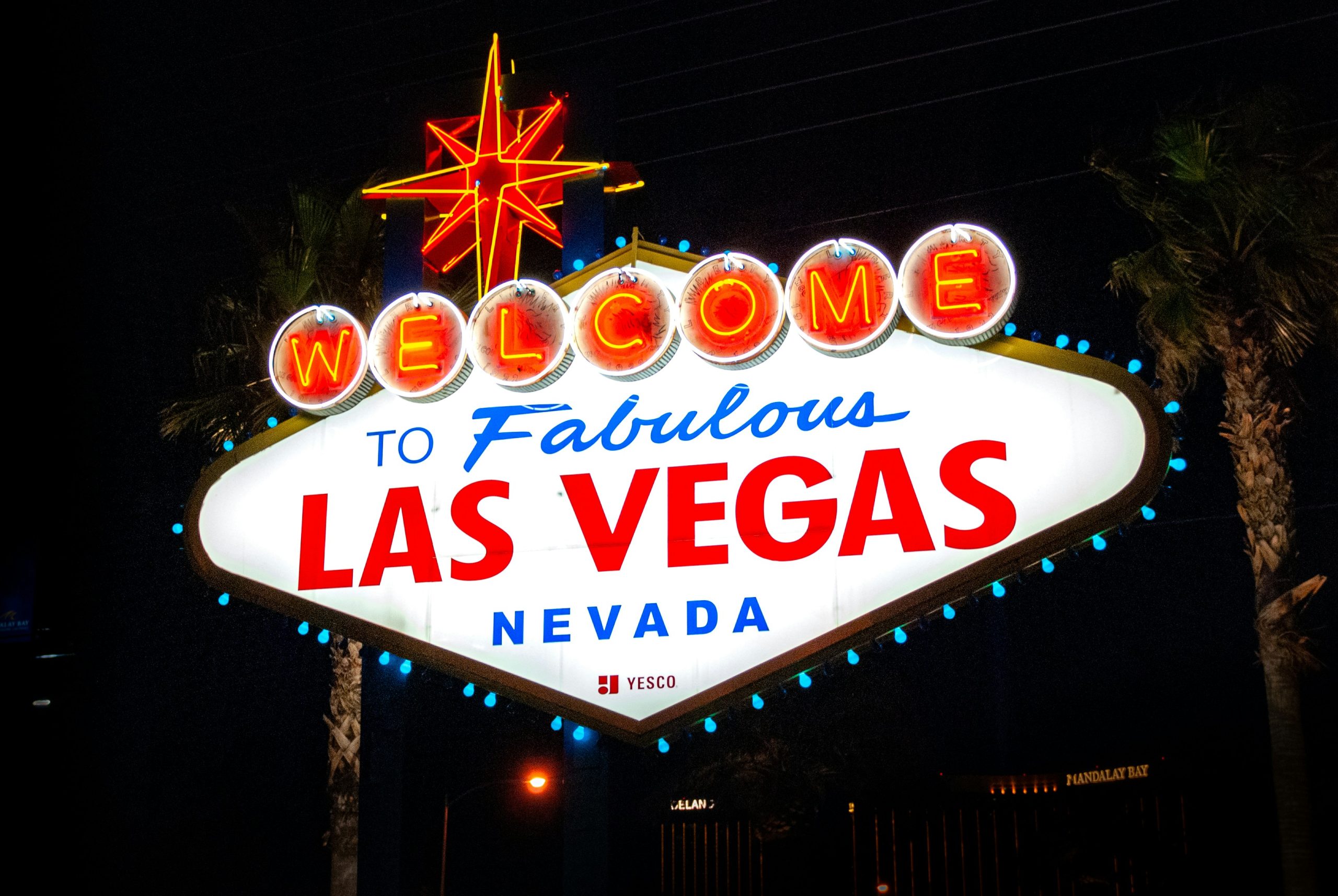 Le mete nel mondo con le sale da gioco più gettonate dagli italiani26 febbraio 2024
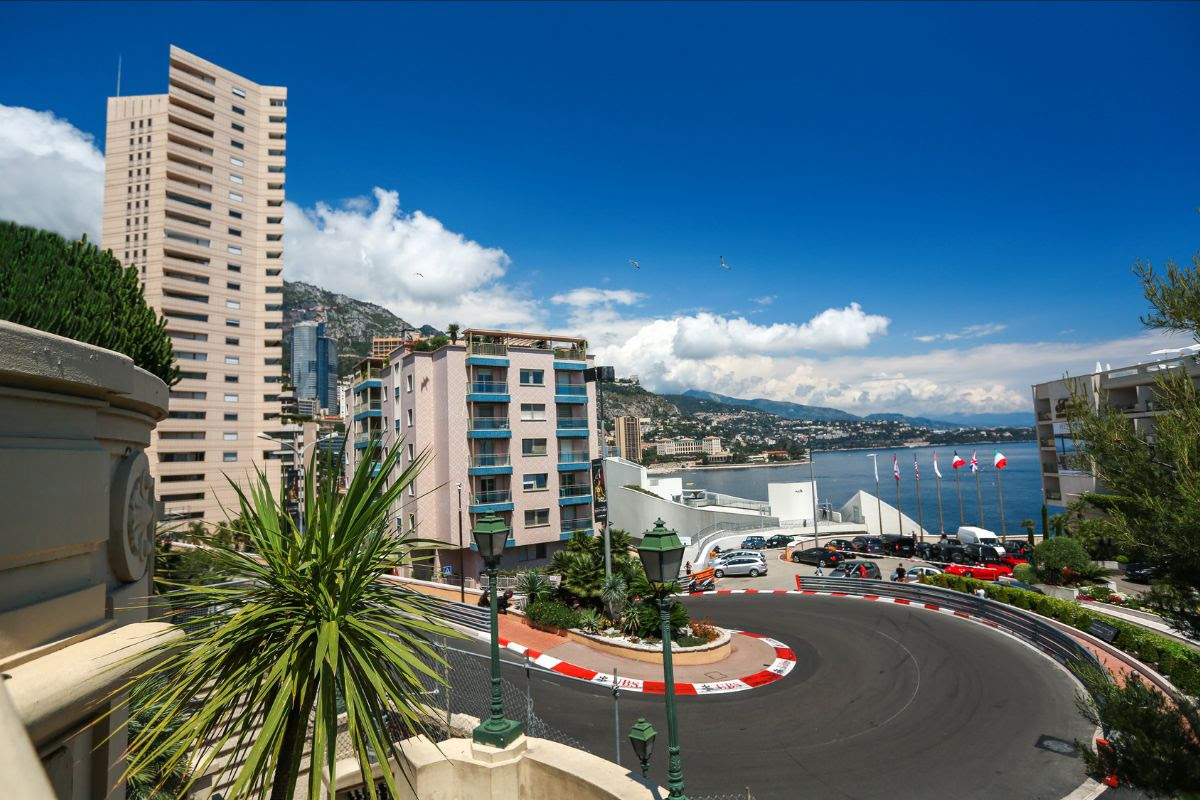 Weekend a Montecarlo e posto in prima fila al GP F1 con KKM Group07 aprile 2022
 Principato di Monaco, tra bellezze naturali e divertimento21 agosto 2020
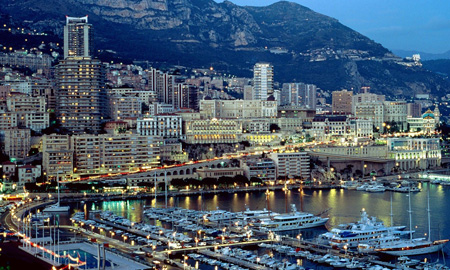 A Montecarlo protagonista è la gastronomia19 novembre 2015
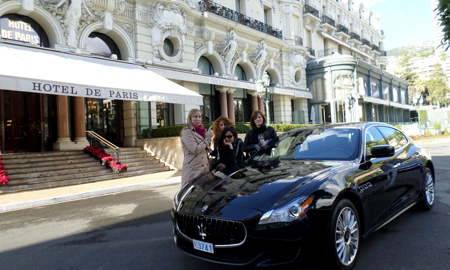 Fam trip a Montecarlo per top client Gattinoni03 novembre 2015
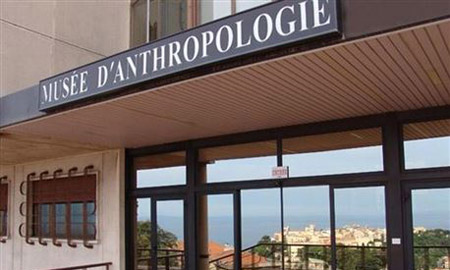 Al Museo di Antropologia di Montecarlo in mostra i segreti delle pietre14 aprile 2015