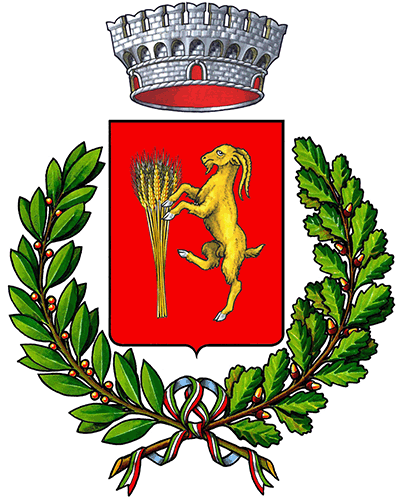
Among the green hills of Tuscany, in the fascinating heart of Italy, a particular corner stands out for its history, culture, and beauty - Bientina. This hidden gem is located in the picturesque province of Pisa, amidst the floodplains of the lower Valdarno. Despite its modest size, with an area of only 25 square kilometers and around 8000 inhabitants, Bientina boasts a rich historical heritage and a charm that transcends its physical dimensions. The first settlements in Bientina date back to ancient times, as evidenced by archaeological finds from the Bronze Age. Like a beacon in the fog of prehistory, Bientina illuminates the historical landscape through the centuries, with traces of the Etruscans, Romans, and Crispolti peoples. The first written documents mentioning Bientina date back to the 12th century, a period when Tuscany was a mosaic of city-states vying for control of the region. A particular role is played by Lake Bientina, now completely dried up. This lake was the largest natural lake in Tuscany and once hosted a lush flora and fauna. Although the lake has now been reduced to cultivated fields and industrial spaces, the memory of the lake lives on in the historical testimonies of the locals and in the wonderful frescoes of the surrounding churches. Over the centuries, Bientina has remained true to the values of resistance and resilience. It resisted foreign invasions during the Hundred Years' War, survived the Black Death in the 14th century, and faced the challenges of the 20th century such as the two world wars and the progressive industrial development. Thanks to a strong identity and a deep-rooted sense of community, Bientina has maintained its uniqueness, reflecting the essence of Tuscany. The morphology of the territory on which Bientina develops is mainly flat with some hills. The valleys of the eponymous region, the mild climate, and the fertile lands offer a perfect mix for the cultivation of vineyards and olive groves, sometimes interrupted by woods and pine forests. Today's Bientina is a lively and active municipality, with many local cultural associations. Its ancient streets and historic buildings offer a glimpse into rural life in Tuscany through the ages. Its people are known for their warm hospitality and love for traditions. It is not uncommon, in fact, to come across popular festivities celebrating local products, seasons, or ancient legends. A journey to Bientina is a journey through time, a place where history flows like the Tuscan rivers and gathers in its current centuries of cultural, political, and economic changes. This small but fascinating town offers a unique panorama of rural and historical Tuscany, far from the usual tourist routes. A place to visit for those seeking an authentic and genuine Tuscany.
No membership group specified.
In the heart of Tuscany, in the province of Pisa and equidistant from Lucca and Florence, lies the municipality of Bientina, a lively and energetic center, known for its vibrant local business scene. An overview of the productive fabric of this locality presents us with a variety of sectors, ranging from agriculture to craftsmanship, from services to industry. Agriculture, for example, still maintains a strong presence, with numerous companies dedicated to the cultivation of vines, cereals, and olives, as well as cattle farming. The locally produced products, skillfully processed and transformed, then become gastronomic delights, highly appreciated both locally and nationally. Another important sector for the economy of Bientina is craftsmanship. Here, tradition merges with modernity, giving life to unique products. Among these stand out the numerous workshops of ceramists, painters, and sculptors, where authentic pieces of art are created, as well as tailors and shoemakers' workshops that still work according to ancient production techniques. Moving on to industry, the entrepreneurial presence of well-known companies in this area has allowed the creation of employment in the manufacturing sector. There are numerous SMEs operating in the electronics, construction materials, furniture, clothing, and agriculture sectors. These industries, strong in the combination of advanced technology and artisanal skills, produce high-quality goods, demanded both nationally and internationally. However, an area in which Bientina excels particularly is that of services. In fact, thanks to its particular geographical position, it has favored the development of activities related to tourism, hospitality, and transportation. Tourist services, in particular, stand out for their quality and attention to detail: the numerous agritourisms, bed and breakfasts, and restaurants will offer visitors a pleasant break made of authentic flavors and rejuvenating rest. Completing the entrepreneurial landscape are the numerous commercial activities that can be found in the streets of the center and in the outer commercial areas, perfect opportunities for shopping enthusiasts to discover small exclusive local businesses and purchase authentic local products. In this highly varied scenario, the main actors are the local entrepreneurs and workers. The latter, thanks to their skills and passion, contribute to giving value to the final product, making it appreciated and sought after. In conclusion, the local businesses of Bientina represent a dynamic and varied reality, capable of blending respect for tradition with openness to innovations. Being an active and productive center in a region as rich and lively as Tuscany is a challenge that Bientina enthusiastically embraces, contributing to keeping the local economy alive and preserving the traditions and peculiarities of the Tuscan territory.
The Municipality of Bientina, registered with the ISTAT Code 50001, is an interesting territory for potential investors, located in the Pisa Plain, an agricultural region with Code 5006. The town has a total population of 8653 inhabitants, of which 4195 are males and 4458 are females. From a demographic point of view, there is a slight female prevalence, which can be a potential resource in terms of market opportunities in certain sectors such as fashion and beauty. I would like to emphasize that Bientina has a significant presence of foreigners, 490 in total, of which 202 are males and 288 are females. This cultural diversity can enrich the community and can represent a business opportunity in terms of offering products and services targeted at this population. This territory covers an area of approximately 29.5 square kilometers, with a perimeter of 33.3 kilometers. The area is entirely located in the altitude range of 0-299 meters, with an altitude of 10 meters of the urban center. The geographical aspect represents an additional positive element for potential investments in the real estate or tourism sector, given the ease of access and the lack of unfavorable geographical conditions. Regarding residential construction, as of December 31, 2021, the municipality counted 3,948 dwellings, of which 428 were unoccupied. This may suggest an opportunity in the real estate sector, such as the renovation of these units for their use as holiday homes or long-term rentals. In terms of tourism and accommodation, Bientina has three hotels with a total of 141 beds and 63 rooms. Additionally, there are two non-hotel accommodations, including a Bed & Breakfast and a rental accommodation managed as a business. This offer, although limited, demonstrates the presence of a certain tourist demand, especially considering the presence of two common museum institutions that recorded 150 visitors in 2020. From an infrastructural point of view, Bientina is in an advantageous position compared to various means of transportation. In particular, access to the highway network requires only 15 minutes, the airport is reachable in 27 minutes, the train station in 31 minutes, and the passenger port in 37 minutes. This ease of accessibility can be an attractive factor for investors, making Bientina a strategic starting point for both commercial and tourist activities. In summary, Bientina presents an interesting mix of demographic, geographical, and infrastructural conditions that can attract investments in various sectors, including real estate, tourism, commerce, and services targeted at a diversified population. It would be enough to make the most of the existing resources and integrate them with specific interventions to turn these potentials into concrete opportunities for businesses.
Immersed in the border between the Lucca Plain and the Pisa Hills, not too far from the latter, lies Bientina, a charming Tuscan town rich in history, art, and culture, nestled in one of the most beautiful settings in Italy. Bientina is a jewel that shines with its own charm, made of ancient traditions and a fascinating natural beauty. Bientina is a true paradise for lovers of sacred art: the city is home to many churches that are true gems. The Church of Santa Maria Assunta, for example, is one of the religious landmarks of Bientina. With its imposing facade and interior adorned with valuable frescoes, the Church of the Madonna dell'Assunta represents the spirituality and artistic heritage of the place. Another place of worship not to be missed is the Church of San Valentino, dating back to the thirteenth century, dedicated to the martyr saint of the same name, and from which the traditional festival of Bientina takes its name. The most important event in the town is indeed the Feast of San Valentino, the patron saint of Bientina, which takes place annually in February. During the festival, the city comes alive with colors, scents, and sounds, transforming into an open-air stage where the history, art, and local traditions are celebrated. The celebrations culminate with the religious procession in honor of the saint, an event that brings the entire community together in an atmosphere of spirituality and sharing. Bientina is not lacking in historical testimonies of great importance: the Palazzo Pancasassi is one of these. This majestic building, home to the town hall, dates back to the eighteenth century and houses the Council Chamber, decorated with frescoes by the painter Luigi Ademollo. Equally significant is the Palazzo Gambacorti, dating back to the fifteenth century, now home to the Municipal Library. Visitors can also explore the Ethnographic Museum of the Bientina Territory, a place where local history comes to life. Housed in the Palazzo Gambacorti, the museum offers a fascinating immersion into the customs, practices, and traditions of Bientina and its surroundings. In terms of cultural events, Bientina offers a variety of events throughout the year. Noteworthy is the Antique and Collectibles Market Exhibition, a unique opportunity to discover and admire the wonders of the past in a fascinating setting. Finally, the city is famous for the Truffle Festival, a culinary celebration that honors the precious "black gold" of Tuscany, enhancing its flavors and nuances in a series of traditional recipes. During the festival, visitors can taste a variety of truffle-based dishes, including pasta, risotto, meat, and more. In conclusion, the charm of Bientina lies in the perfect balance between historical richness, artistic beauty, and authenticity of its traditions. A visit to this charming Tuscan town proves to be a fascinating and unforgettable experience.