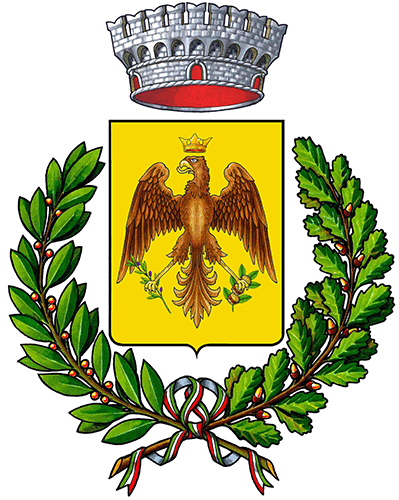
Nestled in the embrace of the Pisanine hillsides, Buti reveals itself as a true gem of Tuscany. This small municipality, a love letter to those who appreciate natural beauty and historical richness, represents one of the most charming and authentic corners of this region. Buti stretches over a vast territory covered with lush olive groves and vineyards, which define its profile and captivate the visitor's eyes. This brilliant green landscape is interspersed with enchanting woods, dominated by chestnut and pine trees, making it a paradise for nature lovers. Located in the wide basin of the Zambra stream, the municipality develops both on a valley floor, enriching the landscape with fascinating waterways, and on hilly areas, dotted with seven medieval villages that characterize its historical-architectural identity. Founded in Roman times, Buti emerged as a settlement around an important road artery, which determined its commercial role over the centuries. The long history of the municipality is evidenced by the countless archaeological remains found in the area, as well as by the architectural richness of its buildings and villages. Over the centuries, Buti gained increasing importance, becoming a solid bulwark during the numerous wars and conflicts that marked the history of Tuscany. Today, Buti presents itself as an urban agglomeration of great charm, animated by narrow and winding streets that lead the visitor on a journey back in time. Ancient palaces with unchanged charm, rural houses in Tuscan style, churches, and convents soar into an intense sky, while the surrounding landscape plays hide-and-seek with the horizon, offering corners of extraordinary beauty. Despite its small size, Buti retains remarkable vitality, evidenced by the effervescence of its cultural life and the multiple popular traditions. The municipality is famous for organizing numerous festivals that take place throughout the year, linked to the typical products of the area and its ancient customs, involving the entire community in moments of joyful sharing. In terms of economy, Buti is based on a solid agriculture, producing extra virgin olive oil and high-quality wines; as well as craftsmanship, such as woodworking and terracotta processing. Finally, Buti is also a municipality with a strong sporting spirit. It stands out for its passion for trekking and horseback riding, practiced on the trails carved out between the lush woods and green hills of the territory. Able to blend nature, history, traditions, and a taste for the simple things in life, Buti is the ideal place to rediscover the authentic essence of Tuscany. A village where every stone, every corner, every panorama tells a fascinating story of this timeless charming land.
No membership group specified.
In the beating heart of Tuscany, the small but vibrant town of Buti, distinguished by its typically hilly landscape, hides a series of fascinating local enterprises. These small realities, witnesses of ancient traditions or still thriving today, contribute to keeping alive the deep essence of the country and enhancing the natural and cultural assets of the territory. An emblematic fragment of the industrial fabric of Buti is agriculture. A network of companies and agricultural enterprises located throughout the valley stands as guardians of the fascinating rural heritage of Buti. Protagonists of the local agricultural economy are the olive and vine cultivations that, intertwined with each other, draw the hills of Pontedera; from these, extra virgin olive oils and wines of excellent quality are produced. The Buttafuoco wine, for example, represents one of the most prestigious labels produced in the area. Craft businesses are another pillar of the Buti economic fabric. Carpentry workshops, with decades of history behind them, passionately dedicate themselves to creating wooden furniture and furnishings, respecting local construction traditions and adapting them to contemporary tastes. The world of ceramics is also well rooted in Buti, with a series of workshops that remain faithful to the typical Tuscan style, characterized by simple shapes and natural colors, enhancing the rustic and authentic charm. In Buti there is also a historic water mill, which remained in operation until the 1960s. Today it is the headquarters of "Toscana Olio", a historic company in the area that produces oil using traditional methods, whose green and fruity aftertaste returns to the palate the authentic taste of peasant life. The millstone of the mill is still visible and constitutes a tangible example of the bond between the company and its historical roots. The restaurant sector, finally, expressed by a network of taverns, restaurants, and trattorias, represents an important figure in the local economy of Buti. These places, where food is art and Tuscan culinary traditions reign, offer dishes made with genuine and local ingredients, often cultivated and harvested in local farms. The menus follow the rhythm of the seasons, offering rich and tasty dishes that reveal the authentic taste of Tuscany. In conclusion, Buti is a charming Tuscan village, a kaleidoscope of colors, scents, and sounds, whose fascinating entrepreneurial panorama shines with new ideas and ancient traditions. Its local companies are not only a fundamental piece of its economic fabric, but they are also protagonists of a continuous and exciting narrative that, from generation to generation, continues to tell the origins and evolution of the community itself.
The report presented here has been drawn up to provide a statistical, demographic, socio-economic overview of the municipality of Buti, with ISTAT code 50002. With an area of 23.0256 sq km and surrounded by the Pisan Mountains, Buti possesses a charming rustic charm, and these data highlight the main characteristics that may be of interest to potential investors. Starting from the demographic profile, Buti has a population of 5520 individuals, fairly balanced between males (2711) and females (2809). The presence of a foreign community is minimal, with only 311 registered individuals. In terms of housing supply, the municipality has a total of 3021 housing units, of which 2394 are occupied and 627 are unoccupied as of the end of 2021. These numbers suggest that the real estate sector could be an area of interest for investors, considering the potential for residential construction development. In evaluating tourism opportunities, the data highlight a significant area of growth. Despite the geographical location and surrounding cultural heritage, the hotel sector is currently non-existent, with zero registered structures. However, the non-hotel sector shows signs of activity, with 13 registered structures, including 6 agritourisms offering 122 beds and 6 other rental accommodation structures offering a total of 62 beds. There is also an alpine refuge, although the number of beds is not specified. These structures indicate a potential for tourism development that, with targeted investments, could significantly improve the hospitality offer and attractiveness of the area. Regarding infrastructure, the location is easily accessible. The nearest train stations are only 33 minutes away, highway access is 19 minutes away, the nearest airport is reachable in 29 minutes, and the nearest port is 40 minutes away. This ensures a good degree of accessibility for residents, visitors, and potential investors. In terms of geographical classification, Buti is located at an altitude of 85 meters, is a non-coastal and non-island municipality, and is not located in a coastal area. Most of the territory is located at an altitude between 0 and 599 meters, with a small segment extending up to 899 meters. This, together with the fact that it falls within the "intermediate population density zones," can offer opportunities for nature-based activities and eco-friendly tourism. Overall, Buti presents a number of potential opportunities for investors. While the real estate sector may offer opportunities for residential development, it is the tourism sector that seems to offer the most promising growth prospects. With the right level of investment, this could help transform Buti into an interesting destination for tourists looking for an authentic rural experience.
Immersed in the beautiful setting of the Tuscan hills, Buti is a welcoming and charming municipality, a true treasure trove of artistic and gastronomic delights. Rich in history and traditions, it jealously guards attractions and points of interest that amaze every visitor. One of the main attractions of Buti is certainly its patron saint, San Giovanni Battista, who is celebrated with great devotion in the municipality. Going to Buti during the patronal feast is a unique experience: the religious ceremony blends with local traditions in a mix of sacred and profane that engages all the senses. The ancient streets light up with colors and come alive with music and dances, creating an unforgettable atmosphere. In Buti, sacred art plays a very important role and is represented by numerous places of worship, among which stand out the Church of Santa Maria Assunta and the Oratory of San Rocco. The Church of Santa Maria Assunta, with its imposing bell tower, is a true gem of Pisan Romanesque architecture. Inside, you can admire works of great value, such as a Madonna with Child from a school close to that of Giotto. The Oratory of San Rocco, on the other hand, houses an interesting cycle of sixteenth-century frescoes dedicated to the life of the saint. Let's not forget the Castle of Buti, an imposing medieval fortress that offers breathtaking views of the Tuscan landscape. This structure, with its majestic towers and powerful walls, represents an important testimony to the military power of the time. A visit to Buti cannot ignore its festivals and events that, throughout the year, enliven the streets of the village and attract visitors from all over Tuscany. Among these, the most famous is certainly the Olive Oil Festival, which takes place in November, during the olive harvest. During the event, it is possible to taste freshly pressed oil and typical local dishes, all strictly seasoned with Buti's liquid gold. Another important event is the Palio di Sant'Antonio, a race between the districts of the village that takes place on January 17, in honor of the saint. During the festival, the streets of Buti turn into an open-air theater, with historical costume parades, flag-waving performances, and the traditional donkey race, the highlight of the event. Finally, we cannot fail to mention the Paths of Art, Culture, and Nature, a project that involves Buti and other municipalities in the Valdera, with the aim of enhancing and promoting the territory through art. Through thematic routes, it is possible to discover the natural and cultural beauties of the area: ancient villages, Romanesque churches, food and wine traditions, and much more. In conclusion, Buti is a small town that offers a lot: from its millennia-old history to its still vibrant traditions, from its sacred art to its gastronomy, from its nature to its hospitality. A destination not to be missed for those who want to discover the most authentic and genuine Tuscany.