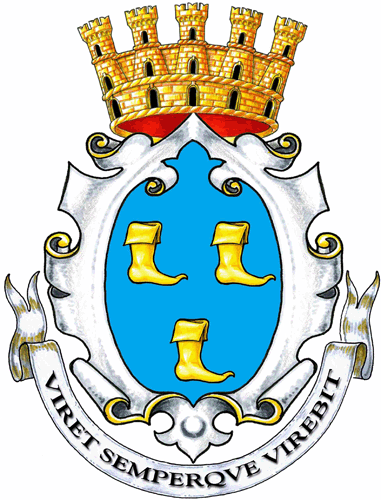
Immersed in the wide valley of the Arno River, in the heart of the picturesque region of Tuscany, lies Calci, a municipality rich in history and culture. This extraordinary location is just a few dozen kilometers from Pisa, the famous city with the leaning tower, yet manages to maintain an atmosphere of tranquility and contemplation that sets it apart and makes it unique in its kind. Calci is located at the foot of Mount Pisano, on whose slopes rich olive groves and lush chestnut forests extend, which constitute a primary economic resource for its inhabitants. Medieval mills for grinding olives dot the surrounding landscape, a testament to agricultural traditions rooted in centuries past. The urban fabric of Calci is characterized by a network of narrow streets and stone houses that climb up the central hill, giving the village an undeniable charm. The medieval era has left the most evident mark on the structure of the town, with numerous villas and palaces that testify to a illustrious past and chosen among the Tuscan nobles as a holiday destination. Despite its small size, Calci has a cultural heritage of great value. It boasts numerous historic churches, such as the church of San Giovanni and Evangelista, dating back to the 11th century and located in the heart of the village, or the church of San Pietro Apostolo, which preserves frescoes from the 14th century. What truly makes Calci unique, however, is the presence of its famous monastery, the Certosa di Pisa. This magnificent structure, founded in 1366 and located on the outskirts of the municipality, is a shining example of monastic architecture of the time, with an imposing architectural structure that houses a church, monastic cells, gardens, a cloister, and even a historic pharmacy. Calci is one of the most poetic places in Italy, capable of appreciating the beauty of the little things. Every year, in fact, the "Calendimaggio" event celebrates the arrival of spring with a procession of ancient costumes and traditional dances, while the "Palio delle Contrade" in summer recalls the ancient rivalries between the different areas of the town with an archery competition. Another element that makes Calci a treasure nestled in the Tuscan land is its geographical position. The municipality is located just ten kilometers from the Migliarino San Rossore Natural Park, which offers a colorful diversity of landscapes, from dense forests to the sea, from the tracks of the old railway to wide sandy expanses. In conclusion, Calci is one of those places that must be experienced calmly, savoring its simplicity and the lifestyle of a small village, amidst lush and generous nature, and dotted with culture and history, offering a glimpse of Tuscany perhaps less famous but certainly rich in content and suggestion.
No membership group specified.
Calci, located in the heart of Tuscany, is a municipality well known for its lively local economic activity, which is mainly expressed through various types of businesses. These businesses, which represent the core of the town's economy, are extremely diverse, ranging from manufacturing to agriculture, and contribute to making Calci a true blend of tradition, innovation, and passion for work. A prominent place in the realm of local businesses is occupied by the agricultural and agri-food sector. Calci boasts historical agricultural companies, whose origins date back decades, dedicated to the cultivation of delicacies such as extra virgin olive oil, DOC wines, and typical cheeses, much loved by Tuscan gastronomy. Local farms are the perfect example of how wisdom and knowledge passed down from generation to generation can contribute to a robust and sustainable local economy. Another important segment of the local economy is made up of small and medium-sized manufacturing businesses, from artisans to long-standing family businesses. Calci, like many other parts of Tuscany, still maintains a strong connection to its artisan heritage. Among the most representative examples are small workshops dedicated to leather and wood processing, the creation of ceramics, and the production of fine fabrics. These activities have managed to maintain the link between the final product and local tradition unchanged, allowing Calci to boast unique and high-quality products. As for the service sector, Calci can rely on a series of small local businesses that provide essential services to the community. The most representative sectors are those of catering, hospitality, and retail. The territory of Calci is dotted with cafes, restaurants, small hotels, and bed & breakfasts that offer quality hospitality and services to visitors, further enriching the economic and social fabric of the area. Finally, among the local businesses that distinguish the economic landscape of Calci, a special mention goes to the technological and IT sector, with a series of start-ups focused on new technologies. Despite its relatively small size, the municipality of Calci has shown itself capable of embracing the main innovations of the 21st century, hosting small companies operating in fields such as IT, software design, and technological innovation. In conclusion, Calci is a municipality that, while preserving the charm and authenticity of Tuscany, intertwines tradition and innovation in the fabric of its local businesses. Thanks to this balance, Calci is able to offer its residents and visitors not only quality products and services, but also a historical and cultural heritage of inestimable value.
The Municipality of Calci, with ISTAT code 50003, is located in Agricultural Region 5004, called "Coastal Hills of Monte Pisano", in an area with medium population density and is neither coastal nor insular. The territory covers an area of 25.1051 sq km with a perimeter of about 22 km and the altitude of the inhabited center is 50 meters above sea level. Morphologically, most of the territory is located in the altitude range of 0-299 meters (53.54%), followed by 300-599 meters (34.78%) and 600-899 meters (11.50%). From a demographic point of view, in 2023 the municipality has 3360 inhabitants, of which 3032 are males and 328 are females, including 302 foreigners. The housing units as of December 31, 2021 are 3364, of which 2849 are occupied and 515 are unoccupied. There are 13 accommodation facilities in the area, with a total of 282 beds, mainly distributed among agritourisms and rental accommodations managed by entrepreneurs. They offer an investment opportunity in the tourism sector, although there are currently no hotels with a rating higher than 1 star. To balance this deficiency, however, there are two museum institutions that attract more than 28,000 visitors annually. The presence of agritourisms and rental accommodations represents a potential opportunity for economic growth through the promotion of rural and gastronomic tourism, exploiting the natural and agricultural characteristics of the territory, characterized by a predominant hilly presence. Calci is adequately served by transport infrastructure: the train station, access to the highway network, and the airport are all reachable in less than 25 minutes of travel, while the passenger port is 35 minutes away. This location makes it easily accessible and therefore attractive to investors. However, the data also reveal some critical issues: most of the housing units are used as primary residences, indicating a poorly diversified economy strongly linked to agriculture. Furthermore, the numerical gap between men and women could indicate a difficulty in establishing a demographic balance in the municipality. In summary, Calci presents interesting investment opportunities in rural tourism, gastronomy, and hospitality, with the potential to diversify the local economy and increase employment. The critical issues mainly stem from demographic immutability and the lack of high-level tourist infrastructure, aspects that could be appropriately addressed through sustainable development strategies and investment in the human and infrastructural capital of the territory.
Calci is a Tuscan municipality characterized by a rich historical and cultural heritage, hidden among the folds of the Pisan mountains. This splendid village is known for its numerous churches, for a monastery of fundamental importance, and a calendar event with strong tourist appeal. The religious heart of Calci is represented by the Parish Church of San Giovanni and Evangelista, an authentic jewel of Romanesque art dating back to the twelfth century. This sacred building, built in local stone, is known for its beautiful apses decorated with arches. Inside, the church houses a precious sixteenth-century baptismal font and a pulpit made by Biduino. Another masterpiece that Calci has the privilege of hosting is the Church of San Giovanni Battista at the Pieve di Compito, a fifteenth-century building boasting an interesting fresco depicting the Madonna with Child. There is also the Church of Santa Maria del Carmine, dating back to the thirteenth century and owned by the Carmelites until 1783, when it was granted to the Parish of Calci. Undoubtedly immersed in a scenario of extraordinary beauty, we find the Abbey of San Savino, a Benedictine monastery dating back to the year 780. This evocative monastic complex is a place of meditation and spirituality that fascinates for its ancient mineral beauty. The Abbey is also home to the "Certosa Monumentale," a museum that houses works of art of inestimable value and has a rich ancient library. A prominent role in the community life of Calci is attributed to San Savino, the patron saint celebrated every year on August 7th, with a festival rich in events, religious gatherings, and recreational activities for adults and children. In the panorama of Calci's events, we cannot forget the "Sagra del Raviolo," a highly popular food and wine event that takes place every year in August, during which it is possible to taste the eponymous dish: homemade ravioli, served with meat sauce or butter and sage. One last jewel of Calci to mention is undoubtedly the Museum of Natural History of the University of Pisa, also known as the Museum of Calci, located inside the Certosa of Pisa. Founded in 1595, this museum offers a rich collection of internationally important artifacts, including minerals, fossils, shells, and a vast display of taxidermied animals. Calci is therefore a destination rich in charm and history, where religious, cultural, and natural heritage splendidly blend with popular traditions. Its artistic and natural treasures, the charming parish churches, the fervent celebrations of the patron saint, and the food and wine events make this Tuscan municipality a place of absolutely unmissable visit.