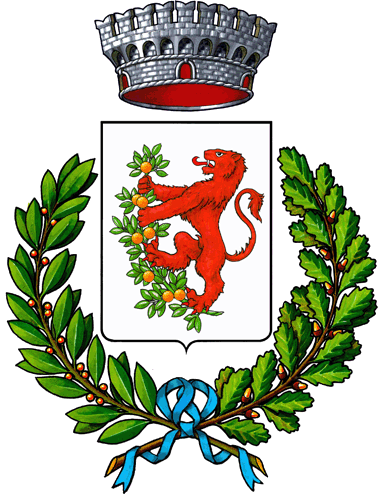
Immersed in the green Tuscan countryside, among the gentle hills of the Val di Cecina, lies the enchanting village of Pomarance. This picturesque Italian municipality, located in the province of Pisa, boasts a long and fascinating history dating back to the Etruscan era. Medieval festivities of intact authenticity, panoramic landscapes that stretch to the horizon, and an artistically important heritage make Pomarance a shining gem in the heart of Tuscany. The village winds through stone alleys and sandstone houses, evoking the unforgettable time when the village was pulsing with life in the Middle Ages. The roots of Pomarance date back to ancient times, to the Etruscan and Roman era. An advanced civilization that made the most of the natural resources of the area, as evidenced by the exceptional number of archaeological finds dating back to the ancient Roman centuries. Over the centuries, Pomarance has witnessed several historically important events. In the Middle Ages, for example, the municipality was famous for its glass production, thanks to the abundant sand resources in the valley of the river Cecina. Not only that, the diligent work in the fields for wheat production and pastoralism were the main activities to which the population of Pomarance dedicated themselves. Although the size of the village is relatively small, its population has a significant historical and cultural importance. Pomarance is the birthplace of the scientist Lazzaro Spallanzani, a prolific scholar of the 18th century, of worldwide importance for his studies on animal reproduction and his experiments on tissue regeneration. The geology of the Pomarance territory also presents interesting elements. The area is known for the presence of geothermal phenomena, namely emissions of steam heated by the earth's core. These manifestations are particularly evident in the nearby village of Larderello, renowned for its geothermal energy production. Pomarance is surrounded by a valley rich in vineyards and olive groves, ideal for those who want to immerse themselves in Tuscan culinary tradition. The local fauna and flora are also remarkable: it is easy, in fact, to come across species typical of the region, such as the hoopoe and the bee-eater, among lush vineyards and centuries-old olive groves. The people of Pomarance have kept alive the relaxing and welcoming atmosphere typical of small Tuscan villages. A community proud of its roots, which loves to share its traditions with visitors, offering the opportunity to experience a slower and more relaxed pace of life. Pomarance is a place where time seems to have stopped, where old traditions coexist with the conveniences of modern life. A dive into the past, a journey into the heart of Tuscany, among history, culture, and breathtaking landscapes. A unique experience that leaves an indelible mark on the heart and memory of those who live it.
No membership group specified.
"Pomarance, a splendid Tuscan town perched on a hill overlooking the valley of the Cecina river, has managed to combine its historical roots with a lively and eclectic entrepreneurial landscape in an extraordinary way. In addition to the splendor of the natural landscape and historical heritage, there are a large number of local businesses that provide the foundation on which the community is built. The wine industry is one of the dominant industries in the area, with many local companies producing prestigious wines that are appreciated not only in Italy, but worldwide. Many of these wineries are family-run businesses that respect Tuscan winemaking tradition, but at the same time are not lacking in innovation, with a keen eye on environmental sustainability. At the same time, the Pomarance area boasts a wide variety of typical products such as high-quality extra virgin olive oil, cured meats, and cheeses. Here too, these products are the result of a balance between traditional production methods and more modern techniques, with a growing focus on organic production and high quality standards. But Pomarance is not only wine and typical products. It is also a land of innovative companies in the renewable energy sector. In fact, in this area of Tuscany you can find the so-called "geothermals", geothermal power plants that harness the earth's internal heat to produce clean energy. These plants have transformed the local economy, creating jobs and attracting investments. Furthermore, Pomarance is an important center for high-quality craftsmanship. Here you can find everything from ceramics, to leather, to wrought iron. These artisans, with their hands and creativity, contribute to keeping the city's cultural heritage alive, creating unique works that are highly appreciated by visitors and collectors. Pomarance also hosts several small businesses in the tourism and restaurant sector. Among charming bed and breakfasts, restaurants and trattorias serving excellent Tuscan cuisine, and agritourism activities, there is something to suit all tastes and budgets. These operators strive to offer visitors an authentic experience, allowing them to immerse themselves in local life, among flavors, sounds, and the beauty of the landscape. The icing on the cake, Pomarance's gold is kept in its quarries. This small town is famous for the extraction of alabaster, a semi-precious stone with a typically milky white or golden color, highly appreciated in art and the furniture industry. In summary, Pomarance's economy is the result of a unique mix of tradition and innovation. Despite its small size, the city is home to a fascinating variety of local businesses that are helping to create a vibrant and sustainable economic profile. These businesses are the beating heart of Pomarance, contributing to keeping it alive and prosperous."
The municipality of Pomarance, with an ISTAT code of 50027, is a territory whose analysis highlights numerous potentials and opportunities to explore. Located within the charming hills of Alto Cecina, the area covers a total surface of 227.8434 sq km and has a total of 5280 inhabitants, of which 2594 are males and 2686 are females. The demographic analysis shows a relatively balanced presence between genders, with a slight female predominance, a data that could indicate a favorable trend for investment in services aimed at women or families. Noteworthy is the presence of a foreign community, composed of 286 males and 333 females, totaling 619 individuals. Although not very high in absolute terms, this data still suggests the presence of an interesting cultural mosaic and an opportunity for investment in activities that enhance diversity and inclusion. The real estate market in Pomarance seems to have significant room for growth. With a total of 3729 housing units, of which 2615 are occupied and 1114 are unoccupied as of December 31, 2021, investment opportunities in real estate and building renovation could be very promising. Furthermore, the tourism analysis reveals the presence of various accommodation facilities, including commercially managed rental houses (number: 11, beds: 280), agritourisms (number: 56, beds: 951), and Bed & Breakfasts (number: 2, beds: 6). However, the hotel offer is limited, with only one hotel offering 28 rooms and 69 beds. This distribution indicates a clear investment opportunity in the expansion of hotel facilities, especially those with four and five stars, which are completely absent. The territory of Pomarance, not being coastal, isolated, or located in coastal areas, is characterized by a low degree of urbanization, with sparsely populated areas. However, this should not be considered a weakness but rather an opportunity for incentives for growth and urban and infrastructural expansion. In terms of cultural offerings, Pomarance boasts 4 museum institutions with a total of 7150 visitors in 2020, a sign of attention to culture and historical-artistic heritage. This could foreshadow potential investment opportunities in the cultural and tourism sector. The city's infrastructure seems sufficient, although it is not directly connected to main transport lines. Railway stations with active passenger service, access to the highway network, airports, and ports with passenger service are located at an estimated distance of around 40-68 minutes. Accessibility could therefore be improved, representing another interesting area for investor intervention. In conclusion, Pomarance appears as a territory rich in potentials in activities related to tourism, culture, real estate, and infrastructure. Endowed with specific geographical and demographic peculiarities, it offers unique opportunities for investments aimed at enhancing and revitalizing the territory.
Located in the heart of picturesque Tuscany, Pomarance is a town rich in history, culture, and enchanting natural landscapes. Whether you're a lover of art, history, or simply seeking a peaceful retreat surrounded by greenery, Pomarance is an unmissable destination. The town of Pomarance offers a series of fascinating monuments and places of historical and artistic interest, testimony to a rich and fascinating past. Among these, the Palazzo Pretorio, located in the town's historic center, stands out. This medieval building, once the seat of the podestà, captivates with its imposing appearance and the many historical relics it preserves. One of the town's main places of worship is undoubtedly the Church of San Giovanni Battista. This 17th-century church houses valuable works of art, including a fresco depicting the Annunciation. Another noteworthy place of worship is the Church of Santa Maria Assunta, located in the hamlet of Montegemoli, famous for its fascinating paintings. The local community's veneration for their patron saint, Saint John the Baptist, is particularly evident during the celebrations in his honor, which take place every year during the week between June 20th and 24th. These five days of celebration culminate on June 24th, the day of Saint John the Baptist's celebration, with a procession through the town streets involving the entire community. Among the traditional events held in Pomarance, the Palio delle Contrade stands out. This event, held every year in August, sees the town's various contrade (or neighborhoods) compete in various tests of skill, including the traditional horse race. The competition, which takes place in an atmosphere of celebration and healthy rivalry, engages the entire community and attracts visitors from all over Tuscany. If you wish to immerse yourself in nature, Pomarance also offers several nature reserves and protected areas. Among these is the Bosco del Frassine, an area of great naturalistic interest characterized by lush vegetation and rich fauna. The area, ideal for outdoor walks and picnics, offers spectacular views and the chance to spot the many animal species that inhabit it. For lovers of folklore and local gastronomy, the Sagra del Cinghiale (Wild Boar Festival) is a must-see event. Held annually in July, this festival is an opportunity to savor the flavors of traditional Tuscan cuisine, featuring wild boar dishes and other typical local products, accompanied by renowned local wines. The event takes place in a festive atmosphere, with live music and stands set up for the occasion. Pomarance is a town that will captivate your heart with its rich traditions, fascinating history, and stunning landscapes. A place where time seems to have stood still, offering a unique and unforgettable experience.