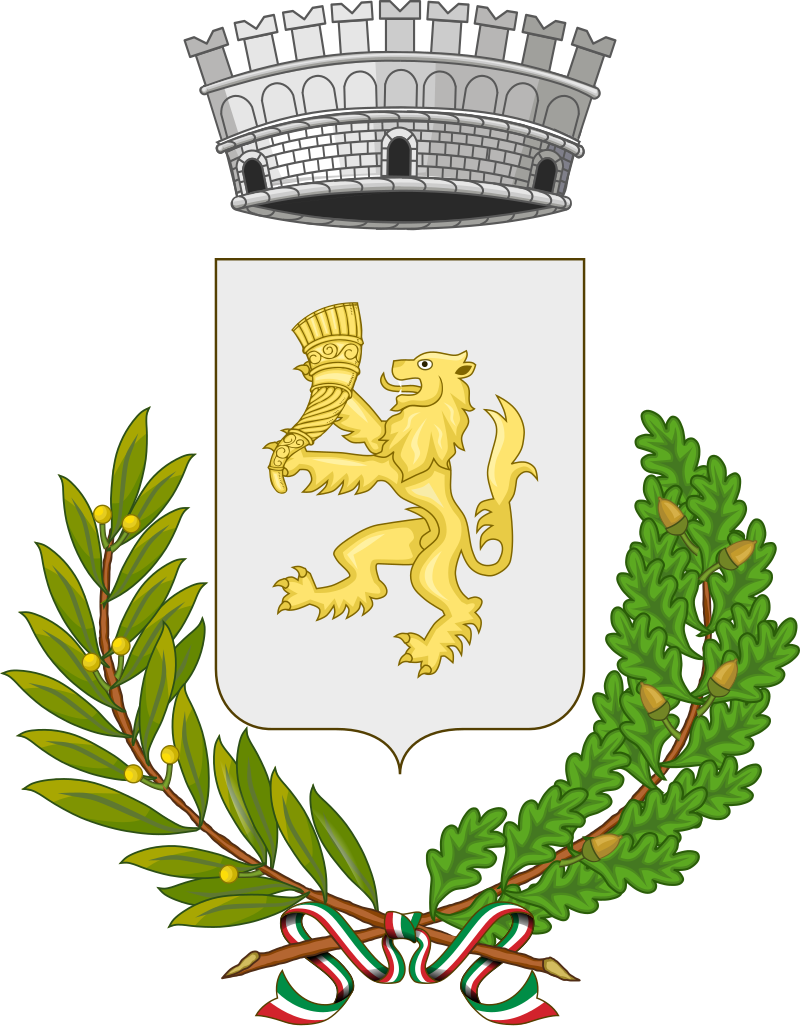
Immersed in the green heart of Tuscany, Bucine is a delightful municipality located east of Arezzo, a borderland between the Sienese Chianti and the upper Valdarno Setteponti valley. Its geographical position places it at the crossroads of important communication routes, making it easily accessible from cities such as Florence, Siena, and Arezzo. Bucine has ancient origins, which can be traced back to the Etruscan and Roman periods, as evidenced by numerous archaeological finds. During the Middle Ages, its strategic position at the crossroads of different routes made it a valuable center for transit and trade, arousing the interest of the Ubertini counts, important feudal lords of the time. Throughout its history, Bucine has also experienced the dominations of Florence and Siena, before becoming part of the Grand Duchy of Tuscany. The landscape of Bucine is a treasure trove of natural beauty, colorful and enveloping, where the Tuscan hills unfold amidst the green vineyards and olive groves, the shades of oak and chestnut forests, and the rivers Vivo and Ambra, tributaries of the Arno. In the countryside around Bucine, there are several farmhouses and farms, living testimonies of Tuscan rural culture. The characteristics of Bucine's urban profile, with its narrow and winding streets, welcoming squares, and typical buildings, reflect its medieval origins. The structure of the historic center is characterized by a compact and orderly urban layout, where stone houses, often frescoed, overlook stone-paved streets. The municipality of Bucine, which has about 10,000 inhabitants, is composed of several hamlets, small villages that preserve the flavor of Tuscan rural life intact, such as Badia Agnano, Galatrona, Cennina, Pietraviva, Ambra, Duddova, Capannole, and Levane. Each of these hamlets has its own story to tell, rich in events, customs, work, popular festivals, and events that enliven the year. Bucine is bathed by the Ambra River, a tributary of the Arno, which has played a key role in the history of the country. Its waters have over time allowed the development of multiple activities, such as the cultivation of cereals, vines, and olive trees. The vegetation along the river is lush and dominated by willow and poplar trees. Near Bucine, there are also several protected natural areas, including the Valle dell'Inferno and Bandella Nature Reserve, a true paradise for birdwatchers, thanks to the presence of numerous water birds. Bucine is also known for its agricultural tradition, with the production of excellent wines and extra virgin olive oil. The local economy is mainly based on agriculture, craftsmanship, and tourism, sectors that contribute to the preservation and enhancement of the territory. Entering Bucine means immersing oneself in a dimension of tranquility and authenticity, where time seems to stand still. The genuineness of the people, the warm hospitality, the historical-artistic richness, and the scenic beauty make every visit to this corner of Tuscany unforgettable.
No membership group specified.
In the heart of Tuscany, in the municipality of Bucine, local businesses flourish that enhance the territory, both in terms of typical products and services offered. At the crossroads between the Chianti mountains and the Upper Valdarno, the economy of Bucine is diversified across different commercial and productive sectors, leveraging the multiplicity of resources offered by nature and tradition. One of the flagship sectors is undoubtedly agriculture, which benefits from the fertility of the land and its inclination towards the cultivation of high-quality products. The agricultural businesses of Bucine, often family-run, are engaged in the production of fine wines, extra virgin olive oils, and various vegetables, often sold in local markets but also exported nationally and internationally. The importance of Chianti olive oil cannot be overlooked, a product of rare excellence that has received numerous awards over the years. In the Bucine countryside, the hills light up with golden hues, a sign of the presence of vast olive groves, tended with dedication and passion by generations of olive growers. The result of this work is a dense and fragrant oil, a symbol of an indissoluble bond with the land. In addition to agriculture, a fundamental role in the local economy is played by the wine sector. The geographical position of Bucine, in the heart of the Chianti region, favors the production of excellent wines. Local wineries, true oenological ambassadors, are known for the quality of their products and the art with which they enhance native grapes such as Sangiovese. Alongside these excellent productions, there are also those more linked to the traditional craftsmanship of the area. There is a wide range of workshops that, in respect of Tuscan tradition, produce various types of artifacts, such as ceramics, wrought iron tools, or wooden artifacts. The local businesses of Bucine also contribute to defining the tourist landscape of the municipality. Hotels, agritourisms, bed and breakfasts are joined by a network of restaurants and trattorias where you can taste typical Tuscan cuisine, creating an engaging and quality tourist offer. Bucine's commercial activity is further complemented by a lively service sector, with various commercial establishments ranging from fashion to furniture, electronics to gastronomic products. In conclusion, the local businesses of Bucine, thanks to their variety and the quality of the products and services they offer, represent a fundamental engine for the development and growth of the territory. They bridge the past and the future, preserving tradition while simultaneously aiming for innovation. They reflect and, at the same time, shape the identity of a unique place like Bucine, bearing witness to the commitment and dedication of its people in enhancing local resources.
Bucine, identified by the ISTAT code 51005, is a municipality located in the gentle hills of the Upper Valdarno, an agricultural area celebrated for its pastoral charm. With an altitude of 249 meters, the position of the village offers a panorama of great beauty in the region of Tuscany. The municipality is not coastal or insular, which may limit the tourist appeal connected to beach activities, however, it has other attractions of considerable interest. The territory of Bucine covers an area of approximately 131.65 square kilometers. As of 2023, the total population amounts to 9931 citizens, of which 4906 are men and 5025 are women, revealing a nearly perfect gender balance. The presence of a significant foreign community, composed of 868 individuals, suggests a multicultural context and a certain openness to diversity. Analysts note that the residential sector of Bucine is quite solid, with 4,167 occupied dwellings as of December 31, 2021, compared to 1,563 unoccupied. This discrepancy may indicate a relatively stable real estate market, although with a moderate demand for new housing. Regarding tourism facilities, Bucine hosts a total of 98 accommodation facilities, including hotels, campsites, tourist villages, farmhouses, and rental properties; in total, there is a capacity of 2,426 beds. This offer appears quite varied, indicating a potential investment opportunity in the tourism sector. However, we are aware that there are no 4 or 5-star hotels in Bucine, a fact that may suggest an unmet need for luxury accommodation. There is no information available on museums or other cultural institutions in the municipality. We can hypothesize that Bucine offers a modest cultural heritage, although a more detailed examination would be necessary for a more accurate assessment. From an infrastructure perspective, Bucine is at reasonable travel distances from major railway stations (33 minutes), highway access points (14 minutes), and airports (56 minutes). The longest travel time is for ports with passenger service, 98 minutes away. These travel times suggest moderate accessibility, which could be both an advantage and a disadvantage depending on the type of investment considered. In summary, Bucine offers several investment opportunities, particularly in the tourism and real estate sectors. Despite some potential challenges, such as the lack of luxury accommodations and limited cultural attractions, the demographic stability and variety of accommodation offerings suggest a promising context for investors.
Bucine is a charming Tuscan town steeped in history, boasting a number of notable attractions. This picturesque village is an ideal place to immerse yourself in Italy's rich culture, highlighted by historic monuments, local festivals, and exquisitely decorated churches, each with a unique story to tell. One of Bucine's most significant celebrations is the Feast of St. John the Baptist, the town's patron saint, which takes place on June 24th each year. This event is a lively tribute to the town's patron saint, celebrated with masses, processions, traditional foods, and recreational activities. It's an opportunity for the community to come together, reinvigorating its spirit and bonds through the sharing of memorable moments. The Church of Santa Maria Assunta is one of Bucine's architectural gems. Located in the center of the village, this church has a stone exterior that gives it a simple, rustic appearance typical of rural Tuscan churches, while inside, you can admire splendid medieval frescoes. Another monument of significant religious interest is the Pieve di San Pietro a Ruoti. This church, located in a hamlet of Bucine, dates back to the 8th century and, with its stone structure and interior frescoes, represents a perfect example of Romanesque architecture. The Church of Sant'Appiano a Persico, built in the 13th century, is another gem not to be missed. Its solid stone structure conceals a 17th-century wooden altar and a series of votive ceramic paintings. Finally, the Church of San Michele Arcangelo a Mercatale is a small church featuring a fresco of the Madonna and Child and a 15th-century terracotta statue of Saint Michael the Archangel. The ancient Galatrona Castle, located a few kilometers from the center of Bucine, is another fascinating point of interest. This ancient fortress dates back to the 10th century and, despite its ruins, still maintains its solid presence, dominating the surrounding landscape and offering panoramic views of the Valdarno valley. Every year, Bucine hosts numerous events and festivals. Of these, the Sagra della Rana is probably the most famous. This culinary festival, held at the end of May, celebrates one of the local specialties—frogs—and draws visitors from all over Tuscany. During the festival, guests can sample various frog-based dishes and participate in various recreational activities. Bucine is a town that captures a bit of the essence of Tuscany, where history, faith, and celebration intertwine to create a memorable experience for those fortunate enough to visit.