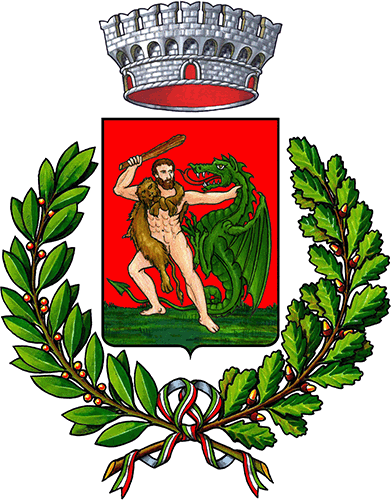
Immersed among the green hills of the upper Tiber valley, in the region of Tuscany, lies the quaint village of Monterchi. The village, whose name comes from the cult dedicated to the god Mars (Mons Herculis), dates back to ancient times and encloses a long and fascinating history. Monterchi is located at about 366 meters above sea level and covers an area of approximately 31.43 square kilometers. The municipality borders Arezzo to the northeast, Anghiari to the east, and Citerna to the south. This privileged position, along the Apennine ridge, offers spectacular panoramic views of the Tiber valley and the gentle surrounding Tuscan hills, making Monterchi a paradise for nature lovers. The history of the municipality is linked to the ancient Etruscan and Roman civilizations, whose signs are still visible today in various archaeological finds. During the Middle Ages, Monterchi became a strategic point for commercial relations and military routes between Tuscany and Umbria. It was during this period that Monterchi acquired its current structure, with the construction of walls and fortifications to defend against enemy attacks. Despite the dense history worked by time, Monterchi has a small population, supported by just over a thousand inhabitants. Yet, this rural location is anything but sleepy. Many popular traditions continue to be celebrated with enthusiasm, keeping the cultural roots of the village alive. From agricultural markets to popular festivals, there is always something going on to liven up the rural atmosphere. The territory of Monterchi is mainly composed of rural areas, mainly cultivated with olive groves, vineyards, and cereals, bearing witness to a strong agricultural tradition. A network of trails and paths allows you to explore the countryside, offering opportunities for birdwatching, trekking, and cycling tours. The center of Monterchi is characterized by narrow and winding cobblestone streets, stone houses with typical red Tuscan tile roofs, and small squares that open unexpectedly. Among palaces and medieval towers, the urban landscape is dominated by the parish church of Santa Maria a Momentana, an 11th-century Romanesque church that undoubtedly constitutes its spiritual heart. Monterchi is not only known for its breathtaking landscape but also for its excellent culinary resources. The local cuisine features strong and robust flavors, typical of the Tuscan tradition, with an abundant use of olives, bread, meats, and local cheeses. Among the typical dishes stand out panzanella, ribollita, and bistecca alla fiorentina. Ultimately, Monterchi represents a treasure trove of beauty, history, and tradition in the enchanting setting of the Tuscan countryside. Time seems to pass more slowly in this small village, which invites its visitors to relax, explore, and immerse themselves in a soothing past surrounded by a stunning natural landscape.
No membership group specified.
Stretch of land nestled among the gentle Tuscan hills, the municipality of Monterchi exudes a surprising economic strength for a village of its size. Local enterprise, in this portion of Tuscany, has a dynamic and multifaceted face, shaping a vibrant and active community. The fields, vineyards, and olive groves surrounding Monterchi tell a story of agriculture rooted in the present but firmly anchored in tradition. From generation to generation, these lands have been cultivated and cared for, yielding high-quality agricultural products. There are many farms in the area that produce extra virgin olive oil, wines, fruits, and vegetables worth noting. Olive growing and viticulture, in particular, have evolved over time, embracing innovation while deeply respecting the landscape. Craftsmanship is another fundamental piece of the local enterprise in Monterchi. This is expressed in various forms: from woodworking to ceramics, from wrought iron to textile creations. Many of these artisans have workshops in the area and contribute to keeping alive an ancient tradition of manual crafts. Their skilled hands bring to life unique pieces, characterized by quality and originality. The passion for food and culinary tradition is palpable in Monterchi. Restaurants, taverns, trattorias, and agritourisms represent an important part of the local economy, offering genuine food and typical dishes of Tuscan cuisine. From boards of local cold cuts and cheeses, to homemade pasta dishes, to meat mains and traditional desserts, there is always something tasty to discover. In addition, the commercial sector, made up of small shops, supermarkets, and companies from various sectors, together form the economic backbone of Monterchi. These businesses, faithful to the tradition of neighborhood commerce, meet the daily needs of the local population and tourists, offering quality products and services. The construction sector is also well represented in Monterchi. The many construction companies operating in the area are experienced in building and restoring buildings, maintaining harmony between ancient villages and new structures. Finally, there is a presence of tourism-oriented businesses in Monterchi, which place Monterchi in the rural tourism circuit and attract the attention of visitors from all over Italy and abroad. These businesses offer accommodation services, tourist guides, events, and recreational activities, taking advantage of the beauty of the landscape and the cultural richness of the area. In conclusion, the local enterprise of Monterchi is a dynamic and diverse world, founded on a harmonious blend of tradition and innovation. The businesses in the area work with passion and dedication, pursuing the goal of promoting the beauty and richness of this part of Tuscany, thus contributing to the prosperity of the community. From this context emerges a model of sustainable development that enhances the resources of the territory, while promoting the quality of life of its inhabitants.
The municipality of Monterchi, with Istat code 51024, is located in the heart of the Upper Tiber Valley region. With a total population of 1710 inhabitants, almost evenly distributed between males and females (846 males and 864 females), it is a small but lively and well-populated town. The presence of 163 foreigners in the municipality reflects a certain openness to cultural diversity, potentially expanding the appeal of the area to international clientele. The municipal territory covers an area of 29.4158 sq km and as of December 31, 2021, it counted 1,099 dwellings, of which 726 were occupied and 373 were unoccupied. This proportion of unoccupied dwellings represents a potential investment opportunity in the real estate sector, especially considering the picturesque and cultural character of Monterchi. However, the municipality lacks traditional hotel facilities, with zero establishments listed in the 1 to 5-star hotel categories. Accommodation is instead provided by 8 non-hotel establishments, offering a total of 118 beds. In particular, there are 6 agritourisms with a total of 91 beds and 2 rental accommodations managed as businesses for a total of 27 beds. From a cultural perspective, Monterchi is home to two museum institutions that attracted 12,354 visitors in 2020. The cultural heritage of the municipality is therefore another strength that could attract investors. Geographically, Monterchi is predominantly hilly (with 90.3% of the territory located between 300 and 599 meters above sea level) and is not a coastal, island, or coastal area municipality. Although the location does not offer seaside attractions, its hilly landscape and green areas provide a fascinating natural setting that could be enhanced, for example, with eco-sustainable initiatives or food and wine tourism. In terms of accessibility, Monterchi does not enjoy a particularly favorable position: passenger service railway stations are 27 minutes away, highway access points are 33 minutes away, airports are 44 minutes away, and passenger ports are a whopping 112 minutes away. In the economic landscape, these data suggest that the territory of Monterchi would be particularly suitable for investments in real estate, cultural, and agro-tourism sectors, especially for investors who appreciate smaller towns and the potential of areas not yet saturated by mass tourism. Accessibility may pose a challenge, but also an opportunity to promote the area as a destination for "slow" and quality tourism.
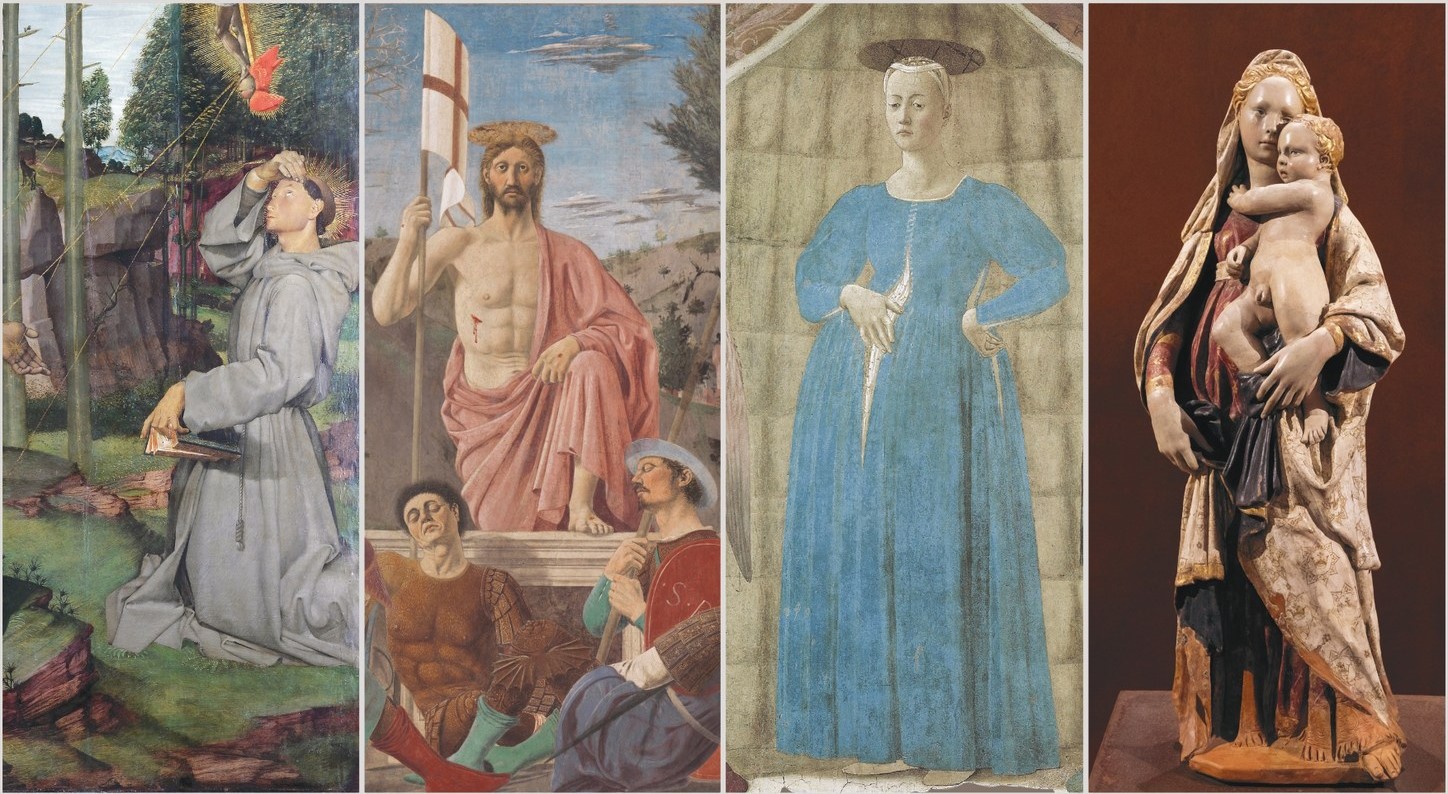
In the heart of Tuscany, on the border with Umbria, Monterchi is not just a medieval village, but a true sanctuary of art, a place made sacred and immortal by one of the greatest masterpieces of the Italian Renaissance: Piero della Francesca's Madonna del Parto. The identity of this small town, whose name evokes ancient legends related to Hercules (Mons Herculis), is inextricably linked to this work, an icon of moving and mysterious beauty that alone is worth the trip.
The heart, soul, and treasure of Monterchi are preserved in a museum dedicated to a single, sublime work: the Madonna del Parto. Piero della Francesca, whose connection to these lands was profound, painted this fresco to honor his mother, a native of Monterchi. The image of the Virgin, pregnant and solemn, opening her robe with a natural and powerful gesture, is one of the most human and at the same time divine representations in the history of art. Admiring it is an intimate and profound experience, an encounter with a mystery that continues to question and fascinate the entire world.
But art in Monterchi doesn't end with its most famous masterpiece. An unexpected surprise awaits visitors in the historic center: the Museum of Scales and Weights, a unique and extraordinary collection of hundreds of measuring instruments from the Middle Ages to the present day. It is a fascinating journey into a world of precision and ingenuity, a tribute to an ancient art that makes this village even more unique.
The medieval village, with its quiet alleys and breathtaking views of the Tiber Valley, retains an authentic atmosphere. The Church of San Simeone, dedicated to the town's patron saint, and the Rocca, now a civic tower, bear witness to its past as a strategic outpost.
Monterchi's traditions are not tied to crossbow or donkey races, but to its rural soul and cultural vocation. The most characteristic event is the "Sagra della Polenta," held at the end of September. During this festival, the village celebrates one of the oldest and most humble dishes of the local tradition, served in large wooden "scifette" (pots) in an atmosphere of genuine and popular conviviality. In the summer, the "Monterchi Festival" enlivens the town with high-level musical and theatrical events, confirming the cultural vocation of this small yet grand village.
In conclusion, Monterchi is a destination that offers a uniquely profound Tuscan experience. It is a secular pilgrimage to the temple of Piero della Francesca, an encounter with absolute beauty and an immersion in an atmosphere of authenticity and culture. A place where art, history, and tradition blend together in an unforgettable tale, leaving visitors with an emotion as enduring as the gaze of the Madonna del Parto.