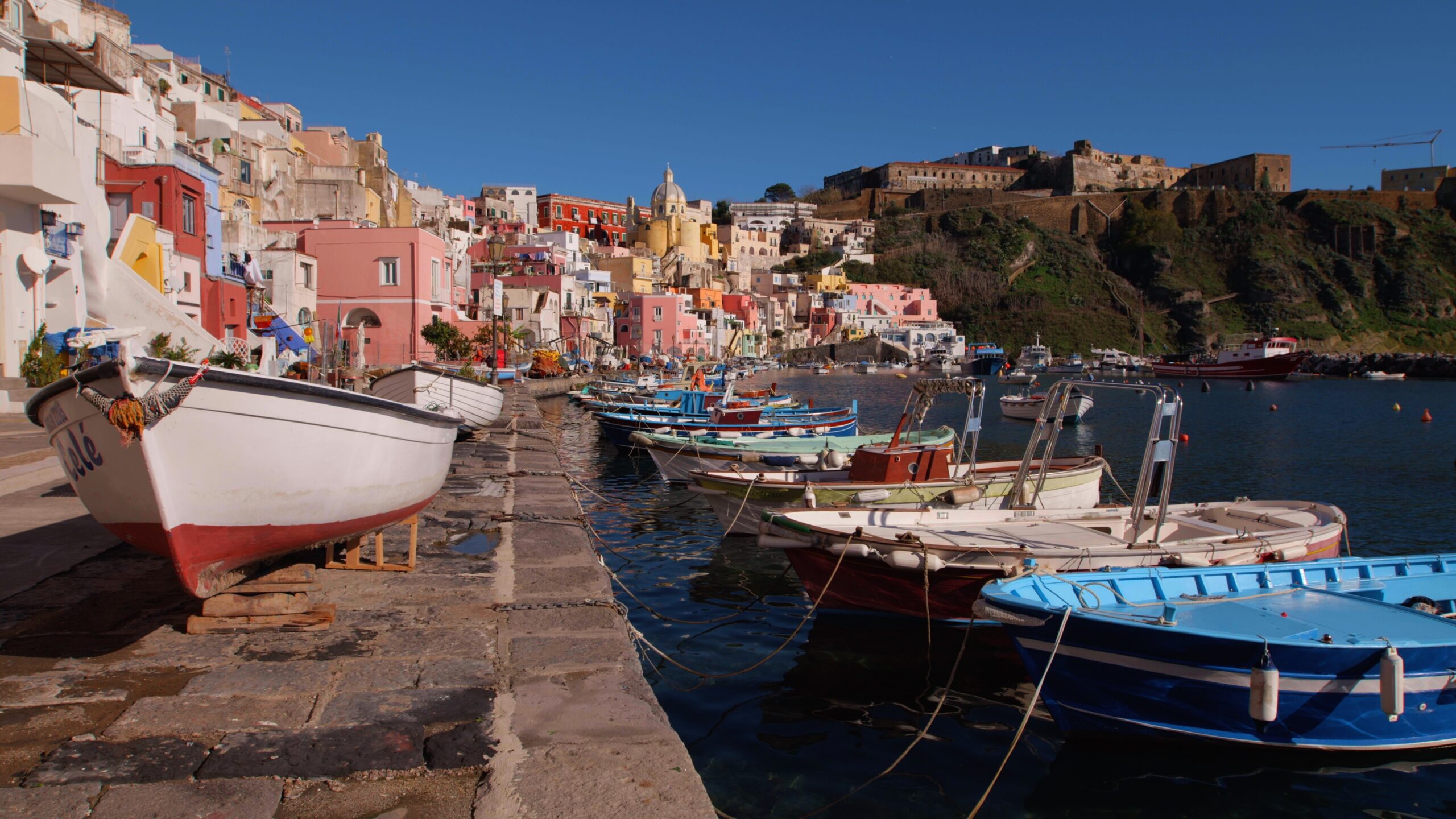
Pienza, a small hidden gem in the heart of Tuscany, is an Italian municipality of over 2000 inhabitants, located in the wonderful Val d'Orcia, declared a UNESCO World Heritage Site in 2004. Despite its small size, this town holds a globally significant historical importance, so much so that it is known as the "ideal city" of the Italian Renaissance. The origin of Pienza probably dates back to the Etruscan era, but its history is closely linked to the Renaissance period. Its name, in fact, derives from Pius II, a humanist Pope of the 15th century, originally from the area. He decided to transform his hometown, Corsignano, into an example of a Renaissance ideal city, entrusting the project to Bernardo Rossellino, one of the most famous architects of the time. In 1462, the city, renamed Pienza in honor of the Pope, was inaugurated and became a model of Renaissance urban planning. The urban structure of Pienza reflects a very precise geometric pattern, in line with Renaissance thought that saw man and his creations in perfect balance with nature. The streets of the center wind in a linear and orderly manner, bordered by buildings and architectural expressions symbolizing the Renaissance. Walking through the streets of Pienza is like taking a step back in time, breathing the air of a distant era, when art and culture were at the center of daily life. But Pienza is not just a city of art: its location, surrounded by an extraordinary natural landscape, offers breathtaking views typical of the Val d'Orcia. From its walls, you can observe the rolling hills, golden wheat fields, rows of cypress trees, and scattered farmhouses, forming an enchanting scenery, depicted in numerous artistic representations. The territory of Pienza, predominantly hilly, is not only charming but also particularly fertile, and its natural resources have always been exploited for agriculture, livestock, and culinary respects. The "Pecorino di Pienza" cheese is particularly renowned and appreciated for its unique flavor, due to the quality of the milk from the sheep grazing in the lush meadows of the area. Through the centuries, Pienza has managed to maintain its Renaissance charm intact, resisting the adversities of time. It has preserved its cultural and landscape peculiarities, making it a must-visit destination for art and nature lovers. Whether you are a history enthusiast or a traveler in search of new perspectives, you are invited to explore the streets of Pienza, to discover the perfect balance between man and nature that this ideal city encapsulates. The breathtaking beauty of the landscape, combined with the historical and cultural richness, make Pienza a unique place, a guardian of the memory of an era that has indelibly marked the history of humanity. Come and breathe the atmosphere of Pienza, discover the Renaissance harmony, and immerse yourself in the heart of the most authentic Tuscany.
No membership group specified.
Pienza, a small village in the heart of Tuscany, nestled among the gentle hills of Siena, is known not only for its renowned artistic beauties, but also for its thriving local businesses that have made it a place of meeting and exchange of traditions, culture, and gastronomy. Foremost among these is the production of Pecorino cheese from Pienza, a cheese of ancient origins made with sheep's milk, which takes its name from the city itself. Over time, dairy enterprises have emerged from the ancient recipes invented by local shepherds, making this specialty famous worldwide while maintaining a strong connection to tradition and product quality. The many local companies linked to this sector not only offer the purchase of cheese in various aging stages, but also guided tours to introduce visitors to the entire production process, from grazing to milk processing, to maturation in ancient cellars carved into the rock. Meanwhile, the agricultural companies in the area have made the production of extra virgin olive oil and wine one of the main strengths of the local economy. By keeping alive the ancient peasant knowledge, they dedicate themselves to the cultivation of olive trees and vines according to organic farming criteria, enhancing the scents and flavors of the territory. In particular, wine tastings of local wines, such as the famous Brunello di Montalcino or Vino Nobile di Montepulciano, led by expert sommeliers, prove to be an unforgettable experience for enthusiasts of food and wine. Furthermore, there are also artisan shops, heirs of a past characterized by manual labor and expert knowledge of materials. These shops, scattered throughout the alleys of the historic center, offer a varied range of products, including ceramics and leatherwork, where the artistic flair of the craftsmen blends with traditional techniques, giving life to unique objects. Lastly, the hotel and restaurant industry stands out, thanks to the presence of numerous high-level accommodation facilities and restaurants offering typical Sienese cuisine, enriched by the creativity and inventiveness that has always characterized Italian gastronomy. Often, these places are located in ancient Renaissance structures, carefully restored with respect for the original architecture, in order to offer tourists a unique experience, in close contact with the history and culture of the place. Thus, despite its small size, Pienza proves to be a true treasure in the Italian landscape, thanks to its local businesses that, faithful to tradition and innovation, make it a bastion of Tuscan culture and artisanal and agri-food production.
The small town of Pienza, recognized by the ISTAT code 52021, is located in the picturesque Agricultural Region of the Val D'Orcia Hills. As of 2023, the total population of the Municipality amounts to 1966 individuals, of which 929 are males and 1037 are females. It is interesting to note that a smaller percentage (equal to 188 people) of this population is made up of foreigners, a sign of a mainly local but open and welcoming community. The territorial area on which Pienza stands covers a total area of 122.86 sq km, bordered by a perimeter of about 80 km. The demographic entity of Pienza is distributed over a territory that has an altitude mainly between 300 and 599 meters above sea level, with the city center located at 491 meters above sea level. This, in conjunction with the fact that Pienza is not a coastal or island municipality, and does not have coastal areas, indicates that the local ecosystem is dominated by sparsely populated areas and hilly terrain, ideal for agriculture and activities related to food and wine. From a housing perspective, the dataset shows that at the end of 2021 there were 1,584 dwellings, of which 918 were occupied while 666 remained unoccupied. This data is of interest to investors in the real estate sector, indicating the availability of a substantial amount of properties for potential investments and developments. Among the available infrastructures, the abundance of accommodation facilities, both hotel and non-hotel, stands out, with a total of 138 units and 1869 beds. In particular, there is a strong presence of agritourisms (80 in total), which, together with rental accommodations managed as entrepreneurial activities (50 units), constitute a valuable accommodation heritage for rural and food and wine tourism. The presence of three museum institutions in the Municipality, which welcomed 35,238 visitors in 2020, further confirms the tourist potential of the area. Regarding accessibility, Pienza is relatively well connected to the rest of the country through the transport network. The nearest train station requires a 41-minute journey to reach, while access to the highway is only a 28-minute drive away. The nearest airport is 70 minutes away and the passenger port is located 125 minutes away. In conclusion, Pienza offers a range of opportunities for potential investors, especially in the real estate and tourism sectors, thanks to its rich offer of unoccupied housing and a wide range of accommodation facilities, combined with the beauty of the surrounding landscape and the inviting food and wine culture. The decent accessibility of the Municipality means that it can be easily reached by both residents and tourists, despite being located in a sparsely populated area.
In the radiant and captivating region of Tuscany, a precious jewel in the heart of the Val d'Orcia, the town of Pienza stands proudly, a small jewel steeped in a dazzling history. Of great interest is the figure of Pienza's patron saint, San Vittore Màrtire, to whom the town's oldest church, dating back to the 6th century, is dedicated. Located in the immediate vicinity of the historic center, this church enchants with its simplicity, the clean lines and essentiality of the building, rich in a charm intrinsically linked to its venerable age. Pienza is also known for the impressive structure of the Cathedral of the Assumption, visible from every corner of the city. It is a true masterpiece of the Italian Renaissance, a tribute to 15th-century architectural prowess. Its interior, adorned with works of art of extraordinary beauty, welcomes the faithful with a sense of tranquility and spiritual recollection. Few words can describe the captivating elegance of the Palazzo Piccolomini, located adjacent to the Cathedral. It is a fine example of Renaissance architecture, commissioned by Pope Pius II and still preserved intact. This sumptuous residence reveals fascinating details of the daily life of the 15th-century Trentino patricians, thanks to its magnificently decorated halls and breathtaking views of the Val d'Orcia. Another bastion of Pienza's religious tradition is the Church of San Francesco, which houses several invaluable artistic treasures, including an altarpiece dedicated to the Madonna and Child attributed to the famous Tuscan painter Il Sodoma. A special mention goes to the key event that brings life and color to the town of Pienza: the Cacio al Fuso. This event, held on the first Sunday in September, features skilled butteri (cowherds) who, armed with spears, compete to spear wheels of pecorino cheese rolled along the streets of the village. In a vibrant, adrenaline-filled atmosphere of competition, the event concludes with a large community banquet. Furthermore, the streets of Pienza's historic center, lined with charming art shops, ceramics studios, and shops selling traditional products, host the traditional Pecorino Cheese Fair in September, where local producers display their cheeses for tasting and sale. Pienza, with its rich history and enduring charm, is an ideal place to immerse yourself in the most authentic example of Tuscan beauty. With its evocative monuments, art-filled churches, and traditional events, Pienza represents the perfect fusion of the tranquil spirituality of the Tuscan hinterland with the creative effervescence of the Italian Renaissance.