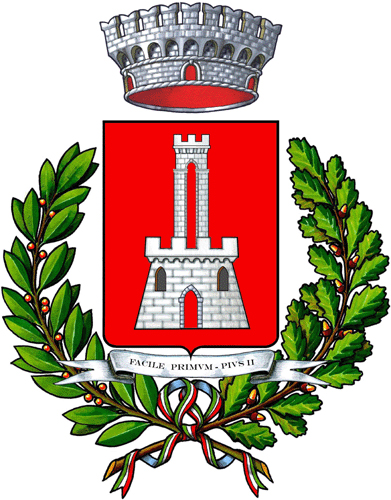
Castel del Piano is a picturesque Italian municipality, located in the Tuscany region, specifically within the province of Grosseto. This municipality is situated on the southern side of Mount Amiata, which, with its 1,738 meters of altitude, represents one of the highest peaks in the entire Apennines. With its strategic position, Castel del Piano offers visitors an unparalleled panoramic view of the Albegna valley and the Orcia river stream, as well as the Ombrone river valley. Its geographical location contributes to creating an environment that ranges from lush mountain forests to wide rural areas, with a biodiversity typical of the Apennine zones. The location of Castel del Piano is also very favorable from a climatic point of view. With its mild and dry summers and cold and humid winters, the municipality is able to offer a healthy lifestyle, far from the stress and frenzy of big cities. The history of Castel del Piano is ancient, linked to the periods of Etruscan and Roman domination. During the Middle Ages, the village was contested between different factions, including the Aldobrandeschi and the Sienese, before coming under the control of the Grand Duchy of Tuscany in the 16th century. This complex and centuries-old history has left an indelible mark on the urban fabric of the municipality, revealed in numerous historic palaces and monuments that testify to its long and fascinating history. The popular culture of Castel del Piano is also very lively and deeply rooted. The city hosts an ancient and exciting palio competition between the four local districts every year, an event that attracts visitors from all over the world. The event is animated by the passion and pride of its inhabitants, who, guided by respect for millenary traditions, actively participate in this thrilling race. Its territory abounds in high-quality agricultural productions, such as olive oil, fine wines, honey, and various types of mushrooms. The local culinary tradition is a combination of genuine and tasty flavors, the result of Tuscan culinary art that has always known how to best enhance the products of its fertile land. The population of Castel del Piano, although less than five thousand inhabitants, is characterized by its liveliness and sense of community. Its citizens, in fact, show a strong sense of belonging to their land, keeping alive the spirit of hospitality and solidarity that has always distinguished Tuscan hospitality. In conclusion, Castel del Piano is a small jewel of Tuscany, capable of offering a unique experience made of history, culture, scenic beauty, and delightful gastronomic traditions. A place where time seems to have stopped, giving its visitors an authentic and immersive experience in the heart of true Tuscany.
No membership group specified.
Immersed in the heart of the Tuscany region, the community of Castel del Piano boasts a strong economy and a network of local businesses that reflect the cultural and traditional richness of the area. This city is a lively hub of economic activities that, faithful to the cultural roots of the territory, develop in many different sectors. One of the main economic resources of Castel del Piano is agriculture. The fertile Tuscan land produces an impressive variety of agricultural products, including precious vineyards, olive groves, orchards, and vegetable crops. Numerous local agri-producers have specialized in the production of high-quality wines, extra virgin olive oil, fresh fruits and vegetables, and many of these items are sold directly to consumers through farmers' markets and local shops. Some companies are connected to the dairy tradition, offering tasty and varied cheeses such as pecorino and ricotta that are extraordinarily popular. With their authentic flavors and superior quality, these products are a living example of Castel del Piano's culinary tradition and contribute to the city's reputation as a place where good food finds its authentic roots. The trade sector is highly developed with a variety of businesses that meet the needs of residents and visitors. There are clothing and accessory stores, gadgets and gifts, electronics and technology, furniture and interior design, and much more. These shops, many run by local families for generations, are an important engine of growth for the local economy. At the same time, small and medium-sized enterprises keep alive the artisan tradition of Castel del Piano. For centuries, skilled artisans have shaped raw materials to create unique handmade products: ceramics, furniture, jewelry, stained glass, leather goods, and much more. These businesses, enriched by a history of excellence and passion, play a fundamental role in the cultural identity and economy of the city. The service sector is equally vital. A network of small businesses provides a wide range of services to residents and visitors. From hotels to restaurants, from cleaning services to maintenance activities, these businesses contribute to making daily life more comfortable and enjoyable. Finally, tourism-related businesses play a fundamental role in the economy of Castel del Piano. The hospitality industry benefits from a rich historical and cultural heritage and an unspoiled natural landscape, offering a wide range of opportunities for tourists. From traditional hotels to charming agritourism accommodations, from restaurants with Tuscan specialties to expert tour guides, Castel del Piano is a destination that welcomes visitors with genuine warmth and unparalleled hospitality. In summary, the local businesses of Castel del Piano constitute a vibrant and pulsating economic fabric, enriched by a strong cultural identity and a great passion for excellence. It is a community that, while looking to the future, is firmly anchored to its roots and traditions.
The following report is based on the analysis of data related to the Municipality of Castel del Piano, ISTAT code 53004, a territory located within the so-called Agricultural Region "Western Slope of Amiata". The peculiarities of this municipality are reflected in its various investment potentials in numerous sectors such as tourism, real estate, agriculture, and healthcare, despite some critical issues mainly related to the accessibility of the area. With a population of 2602 inhabitants, recorded in 2023, the demographics of Castel del Piano are characterized by a female predominance (2361 females compared to 241 males). We also note a significant presence of foreign citizens, representing almost 37% of the entire population, a figure that could indicate a certain openness and welcoming attitude of the territory towards different cultures. The housing supply of the municipality is high and well distributed, with 3916 available dwellings, of which 2235 are occupied and 1681 are unoccupied. The geographical analysis reveals that Castel del Piano covers an area of 67.77 sq km, mainly consisting of low and medium altitude areas, with 76.74% of the territory located at an altitude below 600 meters and the remaining area distributed among higher altitude bands, up to 1499 meters. The center of the municipality is located at an altitude of 637 meters. However, it is not a coastal, island, or coastal territory, and has a low degree of urbanization, classified in the category of sparsely populated areas. Castel del Piano can boast a well-structured tourist and accommodation offer. There are 42 accommodation facilities with a total of 979 beds available. The accommodation facilities include both hotels mainly located in the 3 and 2-star categories, and non-hotel facilities such as agritourism and rental accommodations managed as businesses. In addition, the municipality has 3 museums that attracted 293 visitors in 2020. The high accommodation offer combined with cultural attractions make this territory potentially interesting for investments in the tourism sector. As for infrastructure, the active passenger railway stations are about 49 minutes away, while access to the highway network takes longer, about 57 minutes. The nearest airport is 114 minutes away, while ports with passenger services are available 77 minutes away. This relative difficulty of access may represent a critical issue for the attractiveness of the territory, and may require targeted interventions to improve transport infrastructure. Despite the challenges related to accessibility, the investment opportunities related to the territory, its tourism and cultural offer, combined with the potential in the real estate sector, offer interesting prospects for growth and development for Castel del Piano. A smart enhancement of the natural, cultural, and housing heritage of the territory would be enough to make it an attractive place for both tourists and new residents. In conclusion, Castel del Piano represents an investment opportunity with potential for the real estate and tourism sectors, while also offering the possibility of economically revitalizing a sparsely populated sector of Tuscany, maintaining a balance between the enhancement of local resources and the preservation of nature and traditions.
In the verdant and picturesque heart of Mount Amiata, Castel del Piano is a village with a dual spirit: the ancient and noble spirit of its historic center, and the proud and passionate spirit of its famous Palio. Although it may seem like a quiet mountain village, its wealth of artistic treasures and the liveliness of its traditions make it one of the undisputed capitals of Mount Amiata.
The beating heart of Castel del Piano's traditions is its Palio Marinaro, a wild and passionate horse race held every September 8th through the town streets. This event, one of the oldest and most fascinating in Tuscany, is not just a competition, but the most authentic expression of the town's identity. The four districts—Borgo, Castello, Monumento, and Storte—compete for victory in honor of the Madonna delle Grazie, whose miraculous image is enshrined in the small and precious Church of the Opera, or Church of the Madonna delle Grazie. During the Palio, Castel del Piano transforms into a riot of color, song, and contrada pride, with a spectacular historical parade preceding the race.
Walking through the historic center, you'll discover the town's artistic gems. The main square is dominated by the Provost's Church of Saints Nicholas and Lucy, but the nearby Palazzo Nerucci, with its elegant 16th-century loggia, is one of the most iconic buildings. A little further on, the Church of Sant'Antonio Abate houses valuable works of art. The urban fabric, with its narrow streets and quiet squares, tells a centuries-old story.
But the soul of Castel del Piano is also tied to the mountains and their fruits. Autumn is the season of the "Crastatone," one of the oldest and most important chestnut festivals in all of Monte Amiata. "Crastata" is the local word for roasted chestnuts, and during this festival, the town fills with their intoxicating aroma. It's an opportunity to celebrate the "mountain bread" and savor all the delicacies of Amiata cuisine, from mushrooms to chestnut desserts.
In conclusion, Castel del Piano is a hidden treasure of Tuscany, a place where the beauty of nature blends with an ancient history and a deep sense of community. It's a village that passionately embraces its traditions, offering every visitor an unforgettable experience, between the adrenaline of the Palio and the ancient warmth of the chestnut fire.