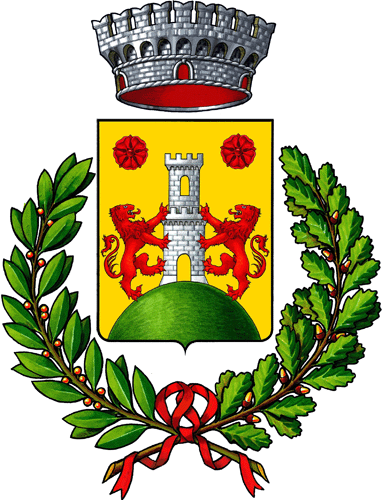
Immersed in the heart of southern Tuscany, Pitigliano emerges as a picturesque urban gem situated on top of a charming tufa spur. This charming village is known as the "Little Jerusalem" of the region, a reference to Pitigliano's long and lively Jewish history. Inhabited since prehistoric times, this fascinating location stands out not only for its incredible natural and architectural beauty, but also for its centuries of rich and colorful history. Unknown to the Hittite leaders and later to the splendid Etruscan civilization before the advent of the Roman Empire, Pitigliano has managed to preserve over time the signs of these different civilizations, which have left their mark on the urban structure and character of the village. The panorama of clearly Etruscan touches, fused with medieval and Renaissance elements, makes the city a real open-air museum, a history book in the open sky that tells of centuries of changes and rebirths. The medieval Orsini Palace, dating back to the 14th century, is a place that perfectly summarizes the historical importance of Pitigliano. This castle, which once dominated the entire surrounding territory, now houses the Pitigliano Museum, where you can explore the layers and stratified centuries of the city's history. The distinctive aspect of Pitigliano is provided by its suggestive geographical position. Built on a steep tufa hill, the town offers a breathtaking panorama that extends over a vast and lush valley. The houses, erected directly on the tufa, create a suggestive effect of continuity between the inhabited area and the surrounding landscape, almost merging nature and architecture into a single fascinating picture. The proximity to the regions of Lazio and Umbria has contributed to making Pitigliano a melting pot of different cultures, habits, and traditions. It is impossible not to mention, in fact, the historic Jewish presence in the city, which has helped shape its identity. Since the 16th century, Pitigliano has offered refuge to numerous Jews fleeing persecution, giving rise to a flourishing community that has left its mark in the city with the presence of a historic Synagogue, one of the few Jewish places of worship of the time still active today. The city has not lost its atmosphere of a small village, where the ancient and the modern coexist in perfect harmony. The narrow cobbled streets, the characteristic alleys, and the underground passages called "Vie Cave," typical of the area, blend with artisan shops, cozy restaurants, and elegant boutiques offering the best of Made in Italy. In a triumphant display of historical, cultural, and natural richness, Pitigliano enchants and surprises at every step, giving the visitor an unforgettable experience of time travel among the testimonies of different cultures and civilizations. From ancient Etruscan tombs to medieval architecture, from the Jewish ghetto to the fascinating natural panoramas, this small Tuscan city has a lot to offer to those who visit it, making every stay a unique and fascinating adventure.
No membership group specified.
In the heart of Tuscany, among the green hills dotted with olive groves and vineyards, lies the charming village of Pitigliano, a hub of agro-industrial and wine production. Here, among the narrow alleys and tuff houses, there is a lively and vibrant panorama of local businesses working to enhance and promote the excellence of the area. One of the predominant activities is certainly wine production. Pitigliano boasts a long tradition in the field of winemaking, and is known for the excellent quality of its wines, including the Bianco di Pitigliano and the Morellino di Scansano. Numerous local wineries, some historic and others more recently established, produce these fine labels, promoting their distribution both nationally and internationally. These productive realities, often managed by families who have passed down their passion for viticulture for generations, offer not only quality wines, but also wine tourism experiences for wine lovers. Alongside these activities, Pitigliano can rely on a solid artisanal tradition. Numerous workshops and studios focus on the processing of tuff, the material that characterizes the local architecture and that the artisans of Pitigliano know how to shape with skill, creating valuable works. In addition to this, Pitigliano maintains a tradition of ceramic production, and its workshops produce artifacts that synthesize the manual and artistic skill of its inhabitants. The strength of local businesses in Pitigliano is not limited to the sectors of craftsmanship and agriculture. The village can also count on an important reality in the tourism sector. Numerous accommodation facilities, from small bed & breakfasts to luxurious resorts, offer lodging to visitors from all over the world. These establishments are often managed by small local entrepreneurs who are committed to enhancing the territory and promoting Tuscan hospitality. Another sector in which Pitigliano excels is gastronomy. Tuscany is famous for its culinary specialties and Pitigliano is no exception. Numerous restaurants, trattorias, and taverns offer typical dishes of the Maremma tradition, using high-quality local ingredients. Some of these establishments are run by families that have preserved and passed down traditional recipes for generations, offering visitors an authentic taste of Tuscan cuisine. In Pitigliano, the commitment of local businesses does not stop at the production of goods or the provision of services. These activities represent, in fact, a fundamental element for the safeguarding of local traditions and culture. Whether they are winemakers, artisans, tourism entrepreneurs, or restaurateurs, all contribute to keeping alive the identity of this small corner of Tuscany, promoting its excellence and showcasing its countless resources. In conclusion, the local businesses of Pitigliano represent a complex of dynamic and vital realities that, through their activities, contribute to enhancing a territory rich in history, culture, and traditions.
The present report analyzes the territory of the Municipality of Pitigliano (ISTAT code 53019), located in the Agricultural Regions of the Fiora Hills, with the aim of outlining an informative framework for potential investors. Pitigliano, not being a coastal or island municipality and not having coastal areas, presents a degree of urbanization described as sparsely populated. The territorial surface area is approximately 102 sq km, while the average altitude of the center is 313 meters. In terms of demographics, the municipality has a total of 1871 inhabitants, of which 1685 are males and 186 are females. The foreign population consists of 83 males and 120 females, for a total of 203 individuals. The housing stock in Pitigliano consists of 3,216 units, of which 1,711 are occupied dwellings as of December 31, 2021, and 1,505 are unoccupied dwellings on the same date. In terms of tourist and accommodation offerings, there are two hotels, offering a total of 84 beds in 44 rooms. The non-hotel services are more substantial, with a total of 71 establishments, including 42 rental accommodations managed as businesses, 27 agritourisms, and a bed & breakfast. Overall, the accommodation establishments offer 665 beds. However, there are no structures classified as 5-star or luxury 5-star. This suggests a lack of luxury facilities, which could represent an investment opportunity in the tourism and real estate sectors. From a cultural heritage perspective, Pitigliano hosts 2 museum institutions that welcomed a total of 22,673 visitors in 2020. This positive data on tourist flow could be an interesting indicator for those looking to invest in the hospitality or cultural sector. In terms of accessibility, the municipality is located 52 minutes from the nearest train station, 57 minutes from a highway access point, and 99 minutes from the nearest airport. The passenger port is instead 61 minutes away. In conclusion, the analysis suggests that Pitigliano could represent an interesting investment opportunity, particularly in the hospitality, cultural tourism, and real estate sectors. The potential critical issues mainly concern the relative distance from major transport infrastructure and the limited presence of luxury facilities. That said, the high number of visitors to local museums and the large stock of unoccupied dwellings could fuel opportunities for investments aimed at creating high-level tourist and accommodation facilities.
Pitigliano, a picturesque Tuscan town, is a destination brimming with fascinating attractions, all worthy of admiring. Thanks to its location atop a tuff hill, the town almost seems to rise from the ground. But it's as soon as you approach its intricate cultural and historical features that Pitigliano's charm unfolds fully. One of Pitigliano's most notable wonders is the joyful Feast of its patron saint, San Rocco. Celebrated on August 16th, the event is a veritable explosion of religious fervor, local traditions, and folklore. Splendid processions wind through the village streets, accompanied by tastings of delicious traditional dishes and music and dance performances. For those devoted to religious architecture, a visit to the Church of Santa Maria and San Rocco is a must. This 15th-century place of worship is a true architectural gem, with its Gothic-Romanesque façade and exquisite interior housing priceless works of art. Then there's Palazzo Orsini, which proudly dominates the town. Built between the 16th and 17th centuries, the historic building is a prime example of Renaissance architecture. Once the residence of the Orsini family, the palace boasts a majestic façade adorned with elegant loggias. It is open to the public and houses the Archaeological Museum, which displays artifacts that tell the story of Pitigliano's thousand-year history. In Vicolo della Vecchia, meanwhile, lies the picturesque Fontana delle Sette Cannelle (Fountain of the Seven Spouts). This stone structure, adorned with seven spouts from which water flows, is one of Pitigliano's symbols. For centuries, locals have flocked here to draw the fresh, pure water that gushes from the fountain. If you want to immerse yourself in Jewish culture, Pitigliano does not disappoint. Known as "Little Jerusalem," the town is home to a perfectly preserved ancient Jewish quarter. You can visit the 16th-century synagogue, the unleavened bread oven, and the kosher butcher shop, testaments to the town's rich Jewish past. Pitigliano also hosts the evocative "Divine September" event every year. During the event, local wine takes center stage, accompanied by delicious traditional dishes and live music. The streets come alive, cellars open to visitors, and the air is filled with the scent of grape must. Pitigliano is, therefore, a town with an unmistakable Tuscan character, combining history, culture, and tradition. Its attractions range from religious celebrations to magnificent works of art, from historic buildings to local traditions. Whether you're a history buff or a lover of good food, Pitigliano will provide you with an unforgettable experience.