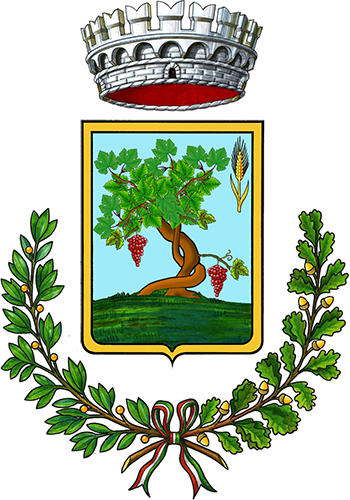
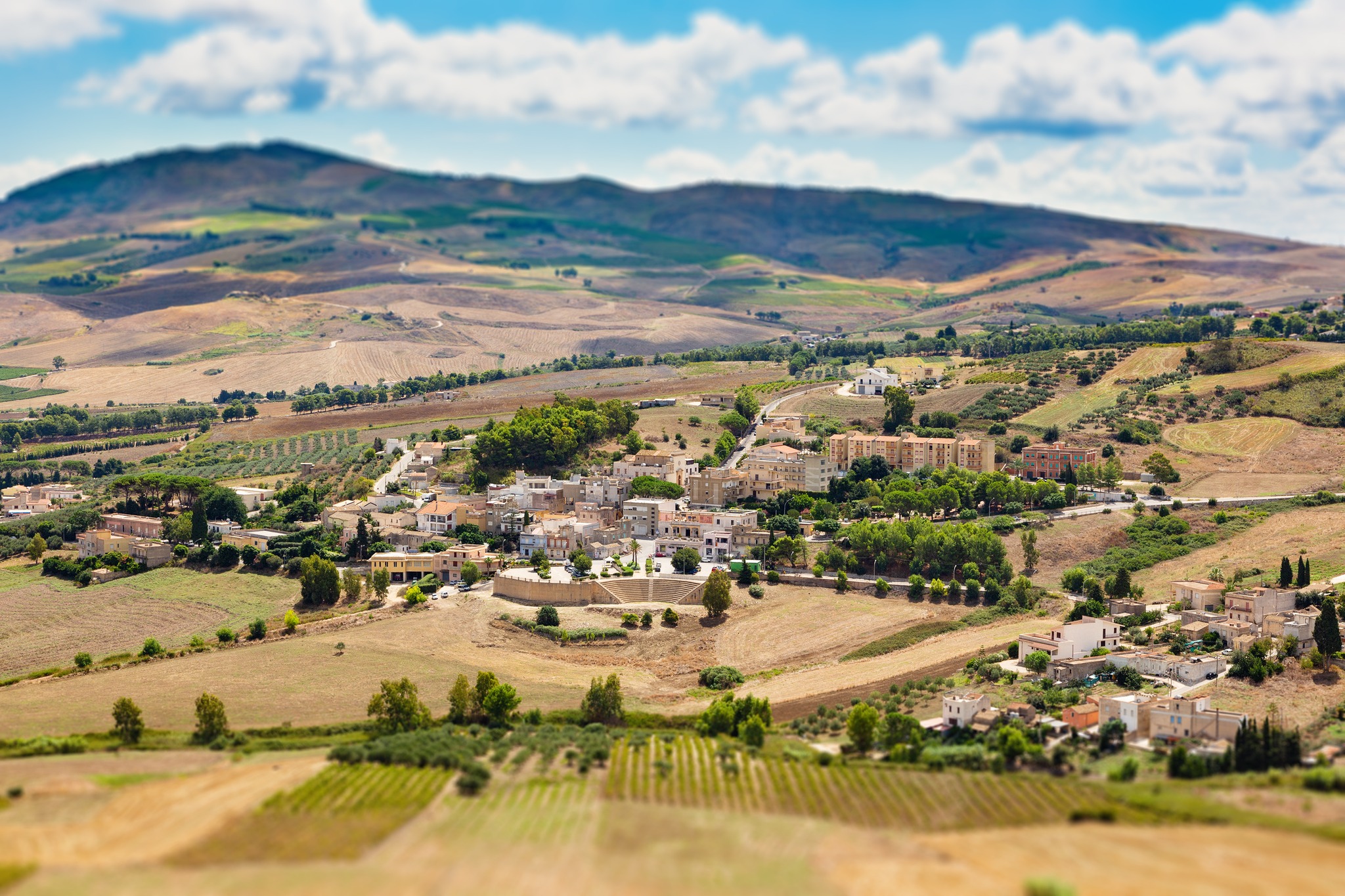
Nestled in the gentle hills separating Trapani from the Gulf of Castellammare, Buseto Palizzolo offers a rural landscape dotted with olive groves, vineyards, and golden fields of wheat. The main town stands approximately 250 meters above sea level and overlooks a mosaic of districts, each with its own identity and small rural church. The toponymy reveals ancient Arab roots, when the area was known as "Busit," meaning "place rich in gardens," a legacy that survives today in the care of the land and the quality of its agricultural products.
For centuries, the territory was a large fiefdom belonging to powerful noble families and administered through "bagli," typical fortified Sicilian farmhouses. It is from these rural centers that the "scattered settlement" model that still characterizes the municipality today developed, with low stone houses and roads winding through the fields. Only in 1950, breaking away from Erice, did Buseto Palizzolo gain administrative autonomy, building a new civic identity based on cooperation and landscape protection.
The religious and architectural centerpiece is the Mother Church dedicated to Maria Santissima del Carmelo, built in the 18th century. With its simple stucco and 17th-century paintings, it represents the heart of community life. Among the civic buildings, the ancient bagli stand out, with their massive courtyards and arched portals. Once grain collection centers, they have now often been transformed into wineries, oil mills, or agritourism facilities, demonstrating the continuity between the rural past and the present.
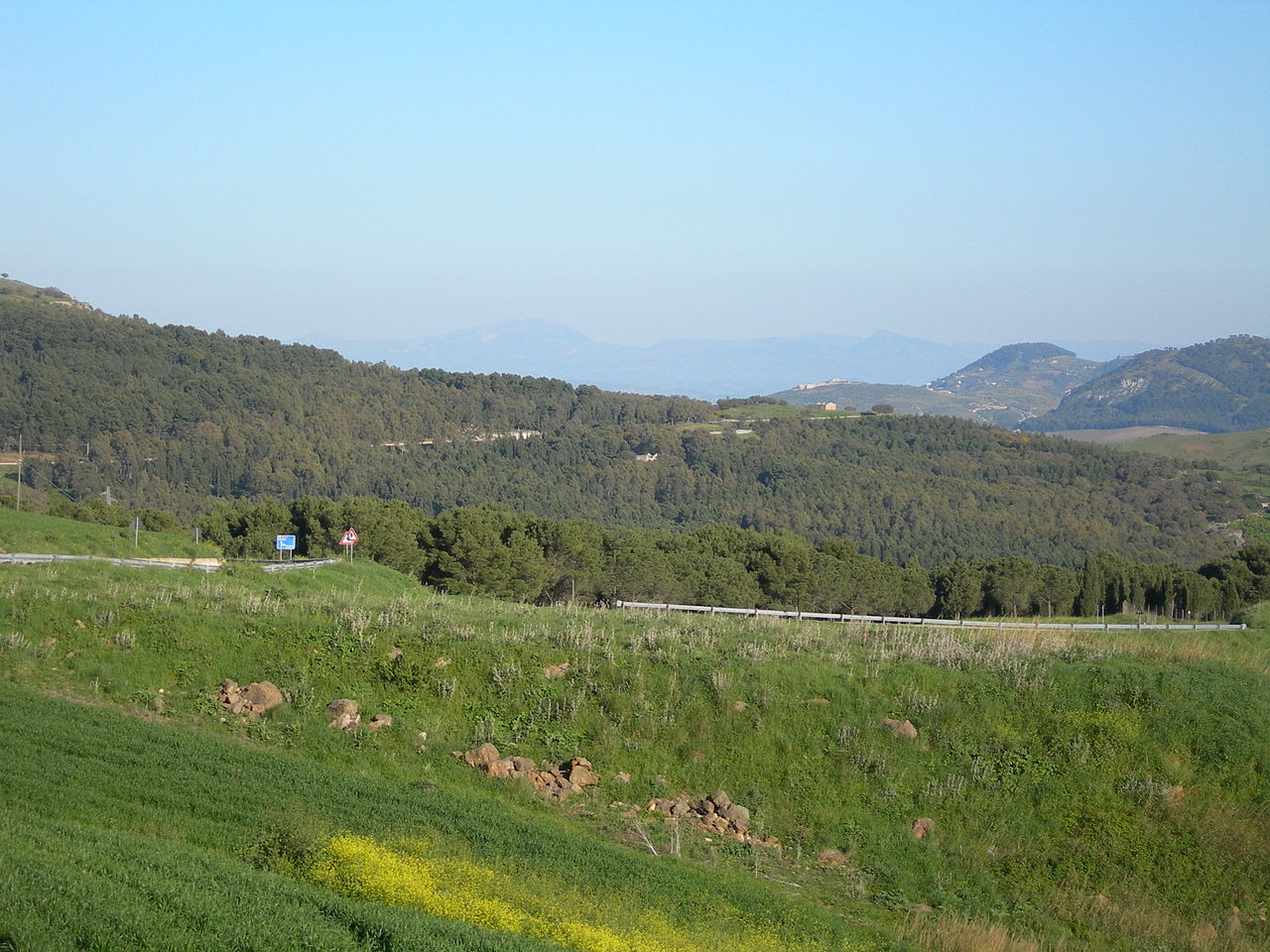
The most famous natural attraction is the Scorace Forest, one of the largest green spaces in western Sicily. Shady paths and picnic areas wind through pine, cork, and oak trees, ideal for hiking, birdwatching, and mushroom picking in autumn. From its clearings, the view sweeps across the jagged profile of the Zingaro Nature Reserve and the peaks of the Trapani Mountains.
Farms, often family-run, are the heart of the local economy. They produce intense extra-virgin olive oils, durum wheat for the traditional "busiate"—the spiral-shaped pasta typical of the Trapani area—and savory wines that are part of the prestigious Erice DOC appellation. Small artisan workshops work with olive wood, wrought iron, and ceramics, keeping patient craftsmanship alive.
Traditions punctuate the year: during Holy Week, an evocative living Via Crucis winds through the districts at night, illuminated only by torches; on July 16th, the feast of the Madonna del Carmelo carries the statue of the patron saint in procession amidst illuminated lights and band music. Flavors, rituals, and landscapes thus intertwine in an authentic fabric, capable of recounting rural Sicily with discretion and authenticity.
In the municipality of Buseto Palizzolo, local businesses embody a perfect synergy between agriculture, craftsmanship, and hospitality, rooted in a thousand-year history. The heart of the economy is made up of family-run farms that cultivate centuries-old olive groves, vineyards of native varieties, and fields of durum wheat used to produce the quintessential pasta: Trapani's "busiate." These businesses, managed with respect for the environment, produce intense extra virgin olive oil and savory wines, which are part of the prestigious Erice DOC appellation. The supply chain is rounded out with sensory tastings and tours among the vine rows, linking the businesses to rural tourism.
Alongside agriculture, craftsmanship enhances the local identity. Carpentry workshops shape olive wood, creating tools and souvenirs inspired by the countryside; Ceramic workshops create objects that recall the colors of nature, while skilled artisans hand-weave traditional fabrics or weave baskets in a constant dialogue between functionality and local aesthetics.
The agri-food sector is enriched by bakeries that use local flours and sourdough starter, churning out rustic bread and characteristic biscuits. Small dairies produce high-quality sheep's milk cheeses, such as Sicilian pecorino, while specialized workshops transform the wild herbs of the Scorace Forest, dried tomatoes, and local almonds into preserves, jams, and pâtés.
In the hospitality sector, agritourisms and B&Bs converted from ancient "bagli" (fortified farmhouses) offer an authentic experience: well-maintained accommodations, wholesome breakfasts, and the opportunity to participate in seasonal harvests or traditional cooking classes. These businesses integrate hospitality with the agricultural economy, promoting experiential and sustainable tourism.
Finally, neighborhood services—bakeries, workshops, and shops—enliven daily life and strengthen the sense of community. In this intertwining of agriculture, craftsmanship, and conviviality, the businesses of Buseto Palizzolo are building a solid economy, closely tied to the land and local knowledge, offering a model consistent with the history and identity of the place.
The Municipality of Buseto Palizzolo, with a population of 2745 inhabitants in 2023, is a territory of small dimensions but with a large territorial area of about 72.81 sq km. The gender distribution shows a slight prevalence of women over men, with 1411 females and 1334 males. There are 1946 dwellings in the Municipality, of which 1169 are occupied and 777 are unoccupied as of December 31, 2021. The presence of foreigners is limited, with a total of 103 individuals. From a tourist point of view, Buseto Palizzolo offers a modest accommodation offer, with 18 accommodation facilities for a total of 249 beds. The presence of hotels is limited to 2 structures with 68 beds and 30 rooms. There are 3 agritourisms, with a total of 68 beds, while there are 6 Bed & Breakfasts with 37 beds. From an economic point of view, the territory could offer investment opportunities in the tourism sector, considering the presence of accommodation facilities and the beauty of the surrounding landscape. However, the limited presence of luxury facilities could be a critical point in attracting a more demanding clientele. Furthermore, the presence of only one museum with only 30 visitors in 2020 could indicate a potential development in the cultural and tourism sector, with opportunities to enhance the historical and artistic heritage of the territory. In conclusion, Buseto Palizzolo presents itself as a territory with potential for development in the tourism and cultural sector, but it may require targeted investments to improve the accommodation offer and attract a more diverse and demanding clientele.
Buseto Palizzolo welcomes those seeking authentic Sicily, characterized by charming countryside, unspoiled nature, and rich rural traditions. The green heart of the area is the evocative Scorace Forest, a vast oasis of pine, oak, and cork oak trees. Its trails alternate with quiet clearings, birdwatching areas, and picnic areas, perfect for relaxing excursions in any season. Climbing to the higher elevations, hills like those of Monte Luziano offer breathtaking views, which at sunset take on shades of ochre and red, with a view that sweeps from the Trapani mountains to the blue sea.
The agricultural landscape, composed of neat rows of vines and cultivated fields, is the ideal destination for slow tourism. Walking or cycling through vineyards and olive groves, you can admire the rural geometry blending with nature. The maze of districts—Bruca, Galia, Battaglia, and Badia—holds characteristic sights: ancient chapels, restored "bagli" (fortified farmhouses), and stone houses that speak to the era of large landed estates.
At the center of the town, the Mother Church dedicated to Maria Santissima del Carmelo, with its 18th-century bell tower, is an architectural and spiritual landmark. It is here that the most heartfelt celebrations take place. During Holy Week, an evocative living Via Crucis winds through the districts at night, lit only by torches, creating a mystical atmosphere. On July 16th, the Feast of Carmelo fills the streets with a procession of the patron saint's statue, illuminated by lights, and band music.
For those seeking a complete experience, the local wineries and olive oil mills offer the opportunity to savor local products. Tastings of Erice DOC wines, extra virgin olive oil, and traditional "busiate" pasta, made with local durum wheat, offer a sensory immersion in the area's rural roots. Buseto Palizzolo thus reveals a slow-paced and authentic landscape, where nature, faith, agriculture, and ancient rituals weave a vibrant and engaging story for those who wish to discover Sicily from a more intimate and authentic perspective.
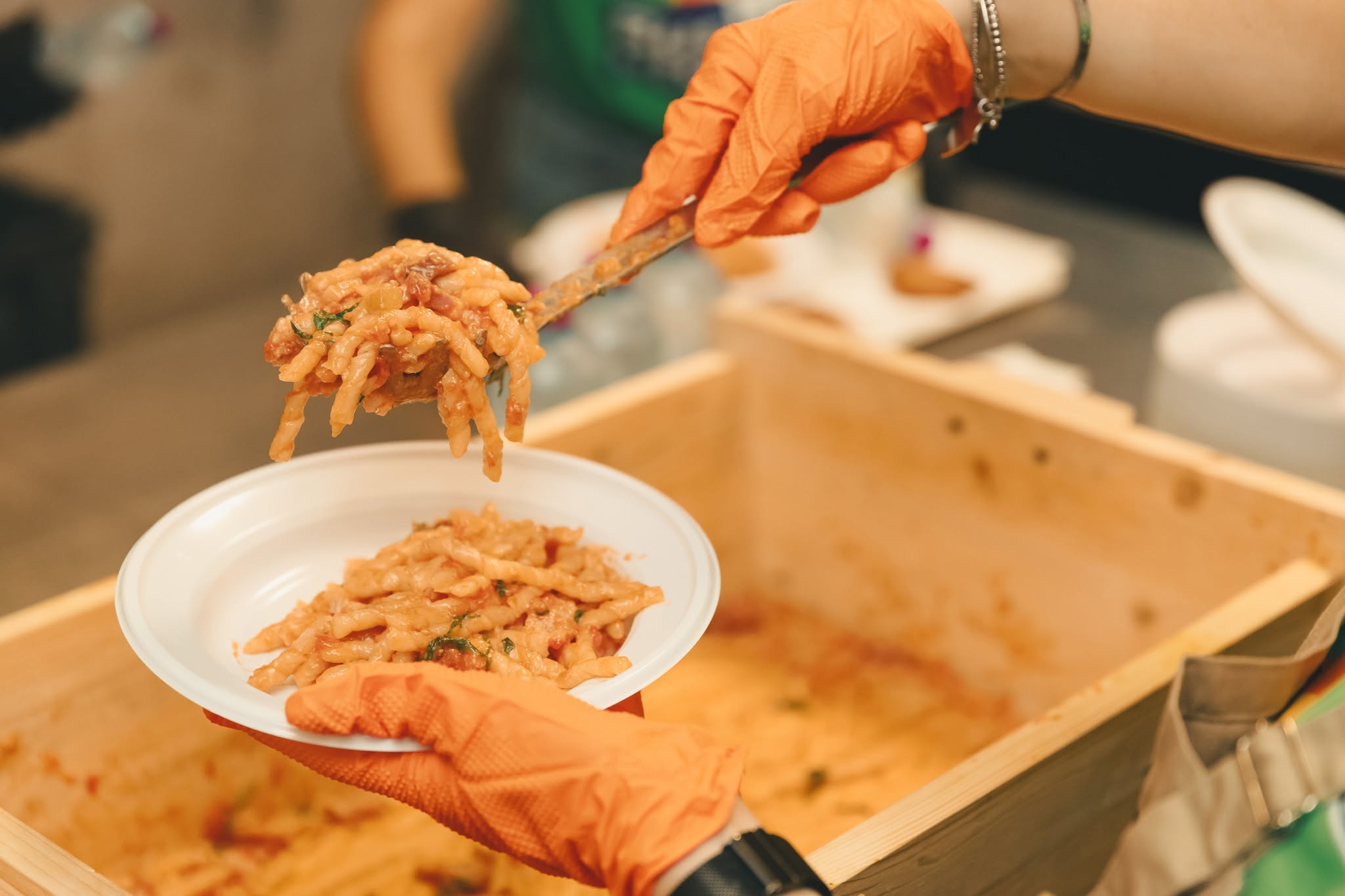 Buseto omaggio la busiata, da quest’anno parola del vocabolario italiano27 agosto 2026
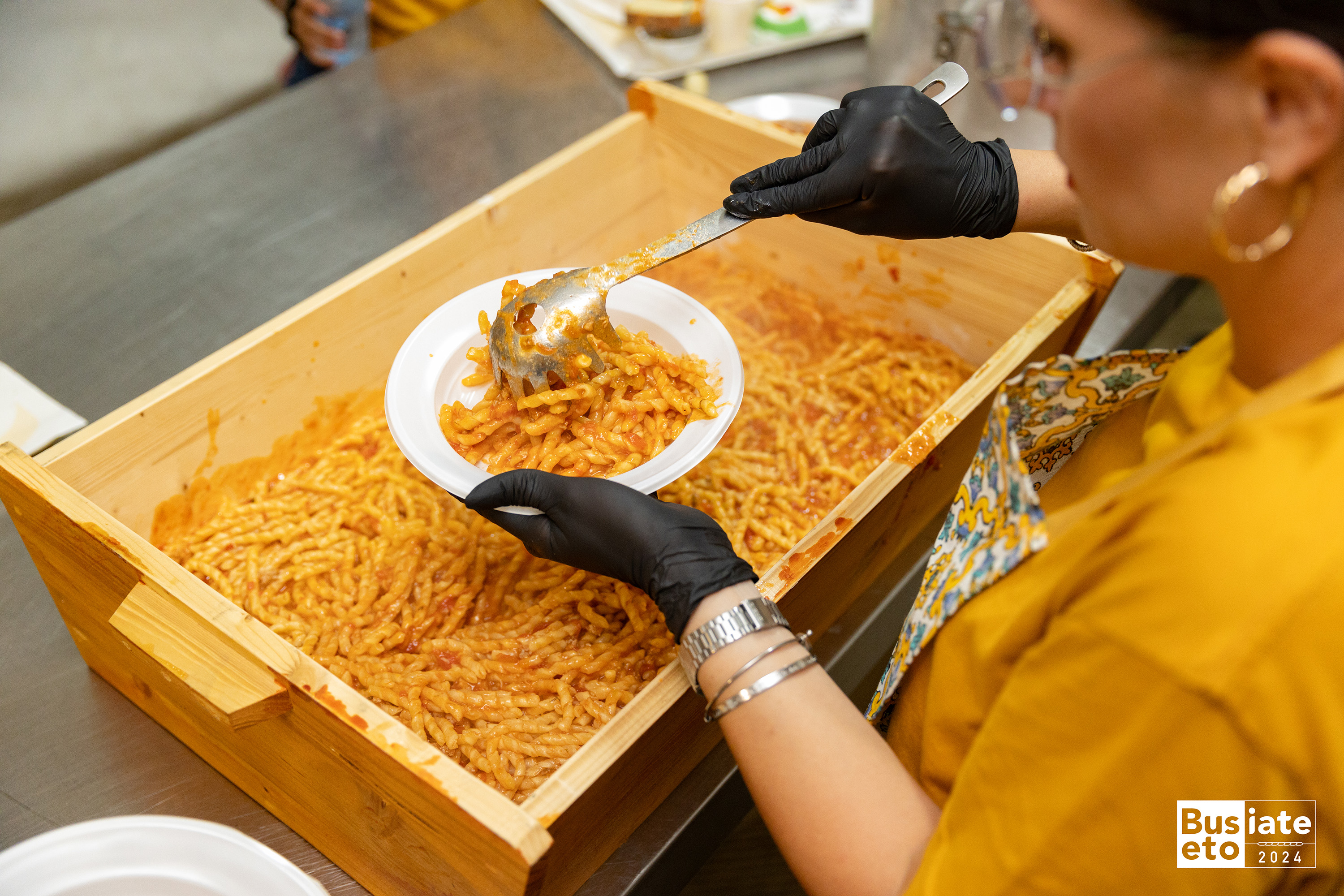 Weekend di sapori e tradizione a Buseto Palizzolo28 agosto 2025
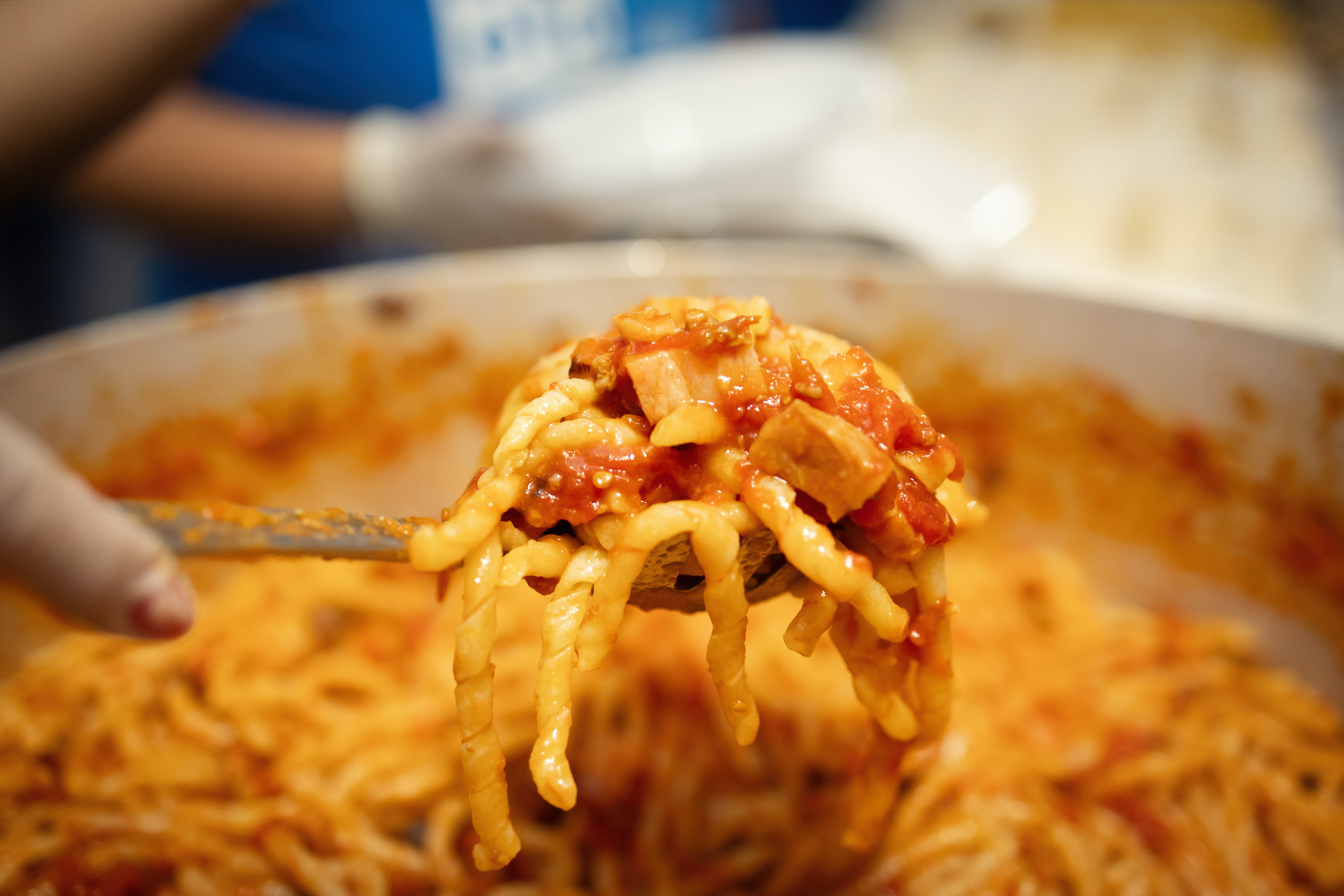 Busiate in scena: 3 giorni di gusto e spettacolo a Buseto30 agosto 2024
 Turismo accessibile, a bosco Scorace sentieri per disabili30 luglio 2022
 Week-end naturalistico a Buseto Palizzolo19 giugno 2017
 Buseto Palizzolo parte dal bosco Scorace per valorizzare turismo naturalistico18 ottobre 2014