Erice is a municipality located approximately 750 meters above sea level in the province of Trapani. Its panoramic position and historical heritage make it a place of particular interest.
The origins of Erice date back to the Bronze Age, when it was inhabited by the Sicans. It was later frequented by the Phoenicians and Greeks, who called it "Eryx," and in Roman times it became an important religious center dedicated to Venus. Over the centuries, the city has passed through various dominations, including Byzantine, Arab, and Norman, which have contributed to defining its urban and cultural identity.
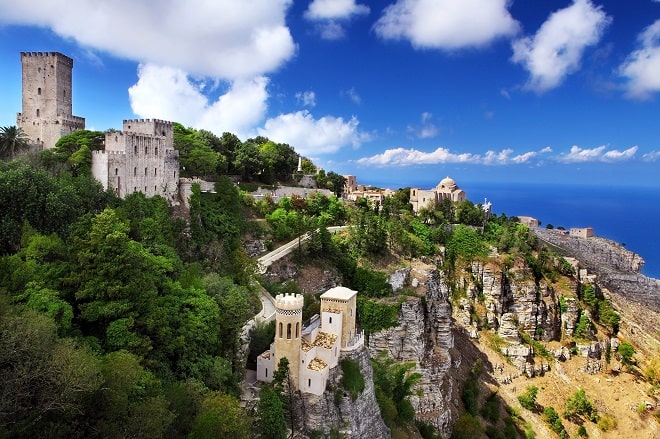
The main landmark is the Castle of Venus, a Norman-era fortification built on an older site, from which one can observe the surrounding area, including the coast and nearby islands. Other places of interest include the Mother Church, the Church of San Giuliano, and the San Martino complex.
The historic center is characterized by cobbled streets, narrow alleys, and stairways connecting squares and courtyards. The urban area retains a distinct medieval layout.
The local gastronomic tradition includes dishes based on typical local products, such as fish, olives, dried tomatoes, and cheeses. Traditional Sicilian desserts are also popular, including almond-based preparations, cannoli, and cassatelle.
The surrounding area also offers nature trails through wooded areas, allowing for outdoor activities.
Erice is a place where historical, cultural, and environmental elements coexist, constituting a context of interest both for tourism and for studying the area.
 Associazione: Anci Sicilia
→
Associazione: Anci Sicilia
→
 Associazione: Borghi più belli d'Italia
→
Associazione: Borghi più belli d'Italia
→
 Gruppo di Azione Locale: GAL Elimos
→
Gruppo di Azione Locale: GAL Elimos
→
The municipality of Erice boasts a diverse business landscape, primarily made up of small and medium-sized enterprises operating in various sectors. Among the most common are artisan workshops, which offer traditional products such as ceramics, textiles, and wooden artifacts, contributing to the preservation of local traditions.
Alongside artisanal activities, numerous tourism-related businesses develop, including accommodations, restaurants, and visitor services, which play a significant role in welcoming visitors and promoting the area.
In the agricultural sector, several companies produce and market traditional products, such as olive oil, wine, honey, and cheese. These activities contribute to the enhancement of local food and wine resources, and in some cases, the products are also marketed in other regions.
Completing the picture are service sector businesses, including professional firms, real estate agencies, and retail outlets, which cater to the needs of the resident population.
Overall, the variety of economic activities contributes to a dynamic and diverse environment, capable of supporting both daily life and tourism-related activities.
The territory of Erice can be considered a context of interest for potential investors, thanks to the combination of demographic, geographic, and tourism-related factors. With a population of approximately 26,010 inhabitants and an area of 47.3371 km², the municipality features a diversified housing structure, characterized by both occupied properties and unused units, which may offer opportunities for redevelopment and enhancement.
The foreign resident population, amounting to 467 individuals, is relatively limited but may represent a potential area for the development of services aimed at an international clientele.
From a tourism perspective, Erice offers a varied accommodation system, including hotels, tourist residences, agritourism facilities, bed & breakfasts, and other forms of hospitality, contributing to the overall attractiveness of the area.
From an economic standpoint, sectors such as real estate, tourism, and commerce present development prospects, also in relation to the quality of the landscape and the presence of tourism-related infrastructure.
The cultural heritage, also reflected in the presence of museums and a steady flow of visitors, represents an additional element of interest, with potential for further enhancement and integration with the tourism offer.
Erice therefore emerges as a territory with growth prospects, where structural characteristics and local resources can support the development of initiatives across key economic sectors.
Erice is a medieval village located atop Mount San Giuliano, known for its historic setting and landscape. The town center is characterized by cobbled streets, historic buildings, and numerous places of worship that bear witness to the various phases of its history.
Among the main points of interest is the Castle of Venus, a Norman fortification built on an older site, originally home to a sanctuary dedicated to deities associated with the cult of fertility, including Astarte, Aphrodite, and Venus Ericina. From the castle, you can observe the surrounding area, including the coastline, the city of Trapani, and the Egadi Islands.
Nearby is the Giardino del Balio, a green area accessible via a path that connects the castle to the watchtowers, known as the Torri del Balio, part of the medieval defense system.
Another notable building is the Real Duomo (Matrix Church), built in the 14th century in Chiaramonte Gothic style. The structure is flanked by a separate bell tower, which also served as a watchtower in the past.
The local gastronomic tradition includes various sweet treats, many of which are linked to convent production. These include almond-based sweets, mustaccioli, and the so-called Genovesi ericine, made with shortcrust pastry and cream.
Erice represents a place where historical, architectural, and traditional elements coexist, contributing to its cultural identity.
 Da Cefalù a Erice, 50 Comuni siciliani senza elenchi online dei beni confiscati17 settembre 2026
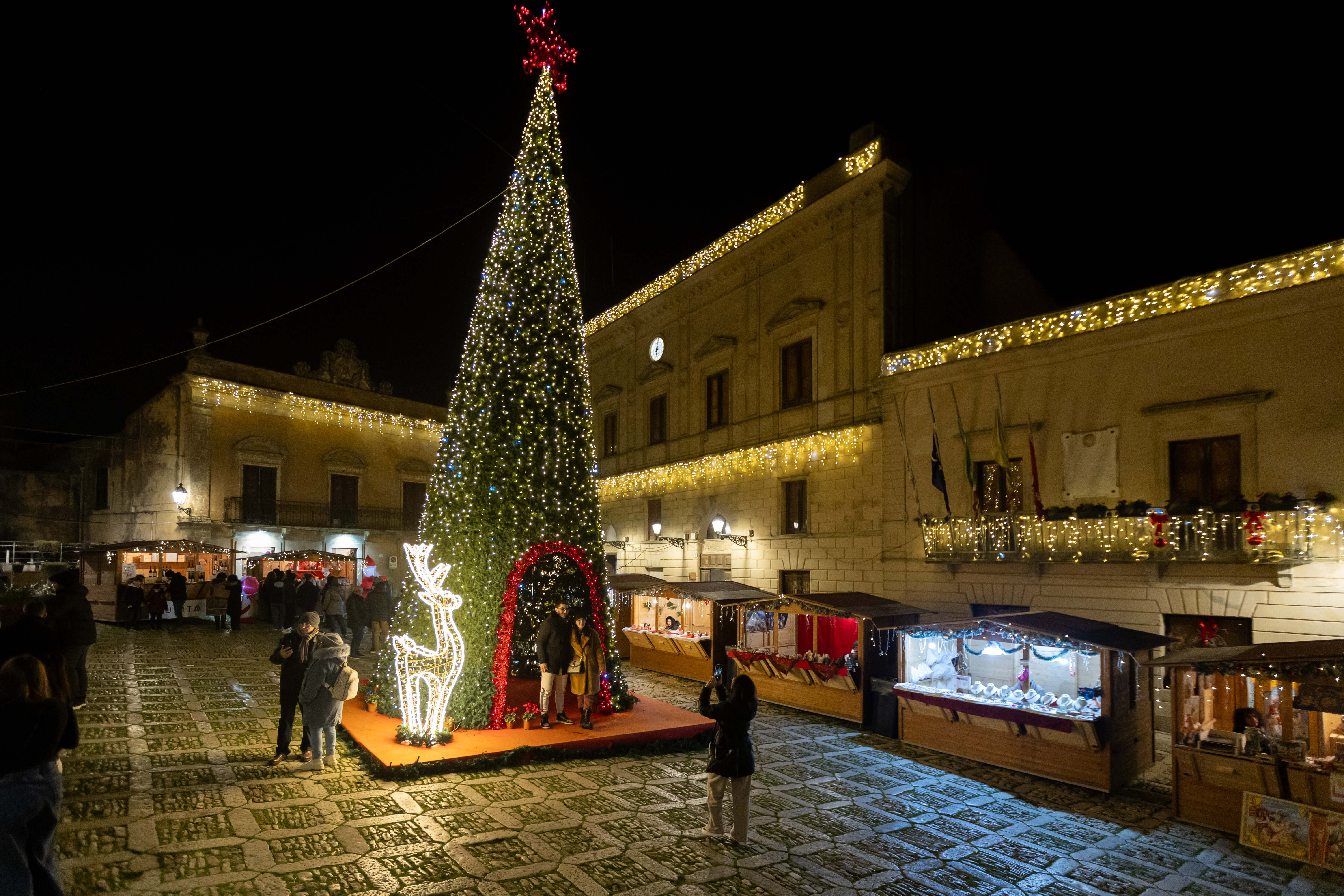 Natale a Erice tra schiaccianoci e presepi06 dicembre 2025
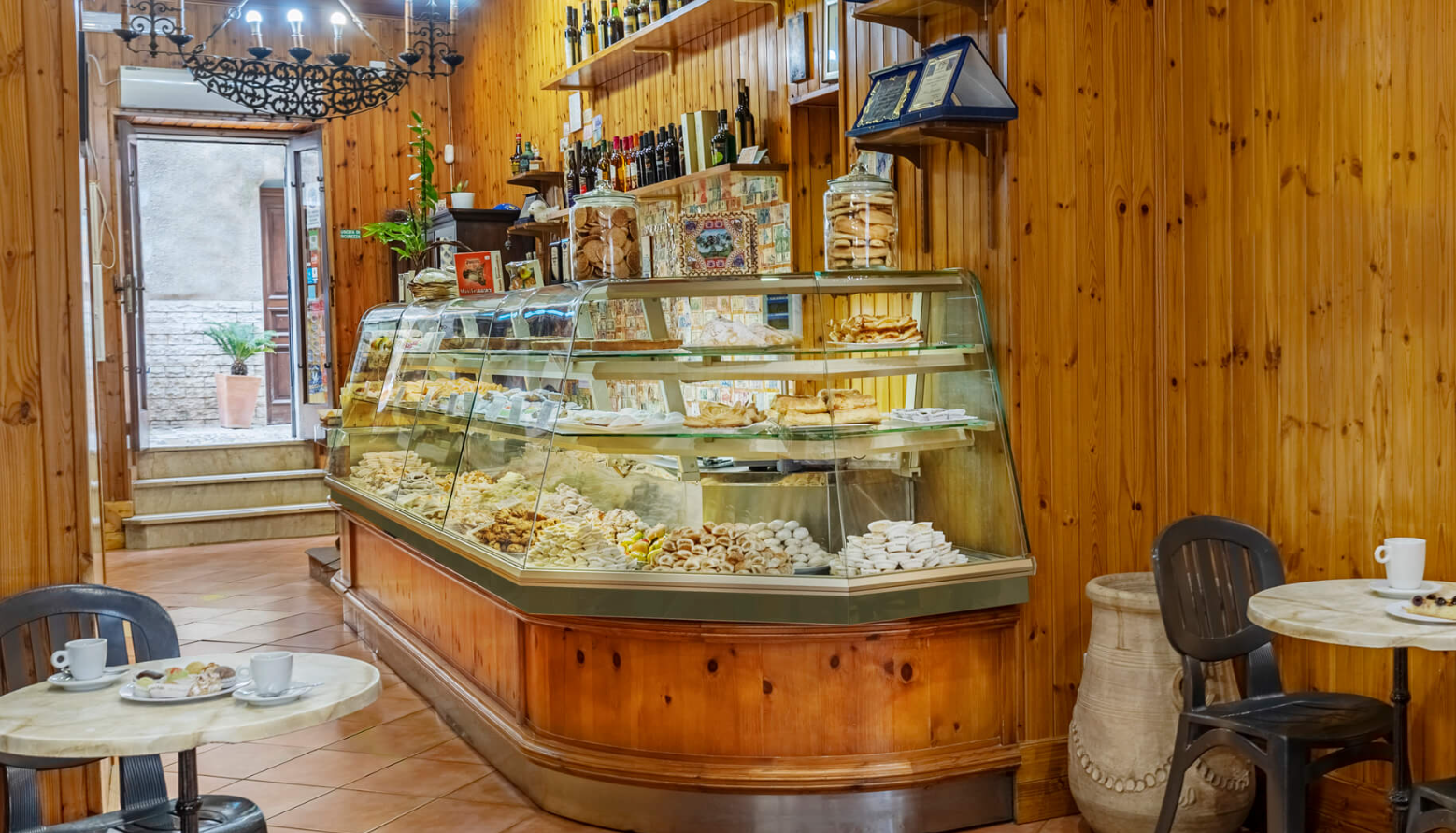 Erice accogliente tutto l’anno, ecco bar e ristoranti aperti d’inverno05 febbraio 2025
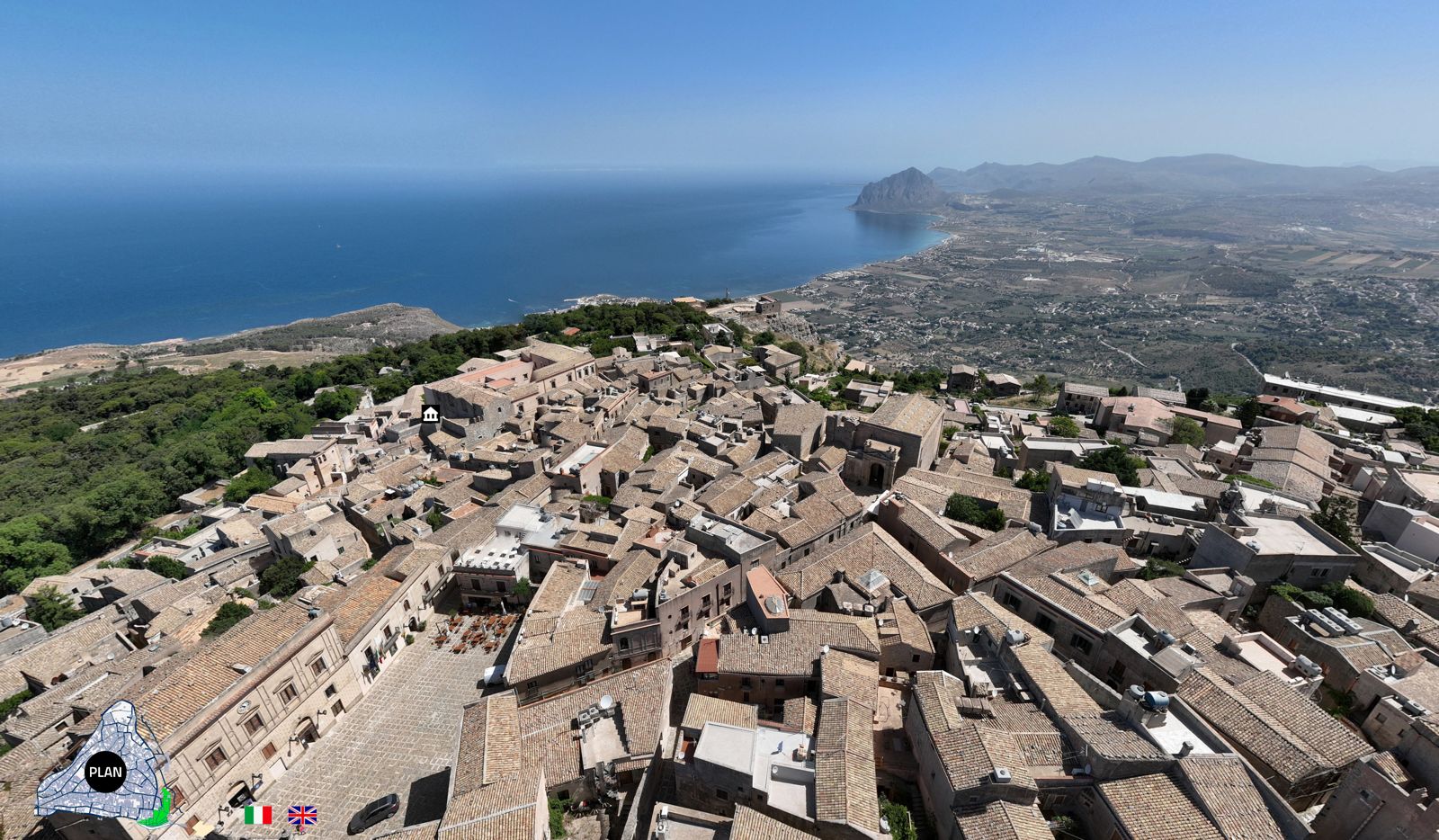 Erice vola a Budapest, opportunità per gli operatori turistici21 gennaio 2025
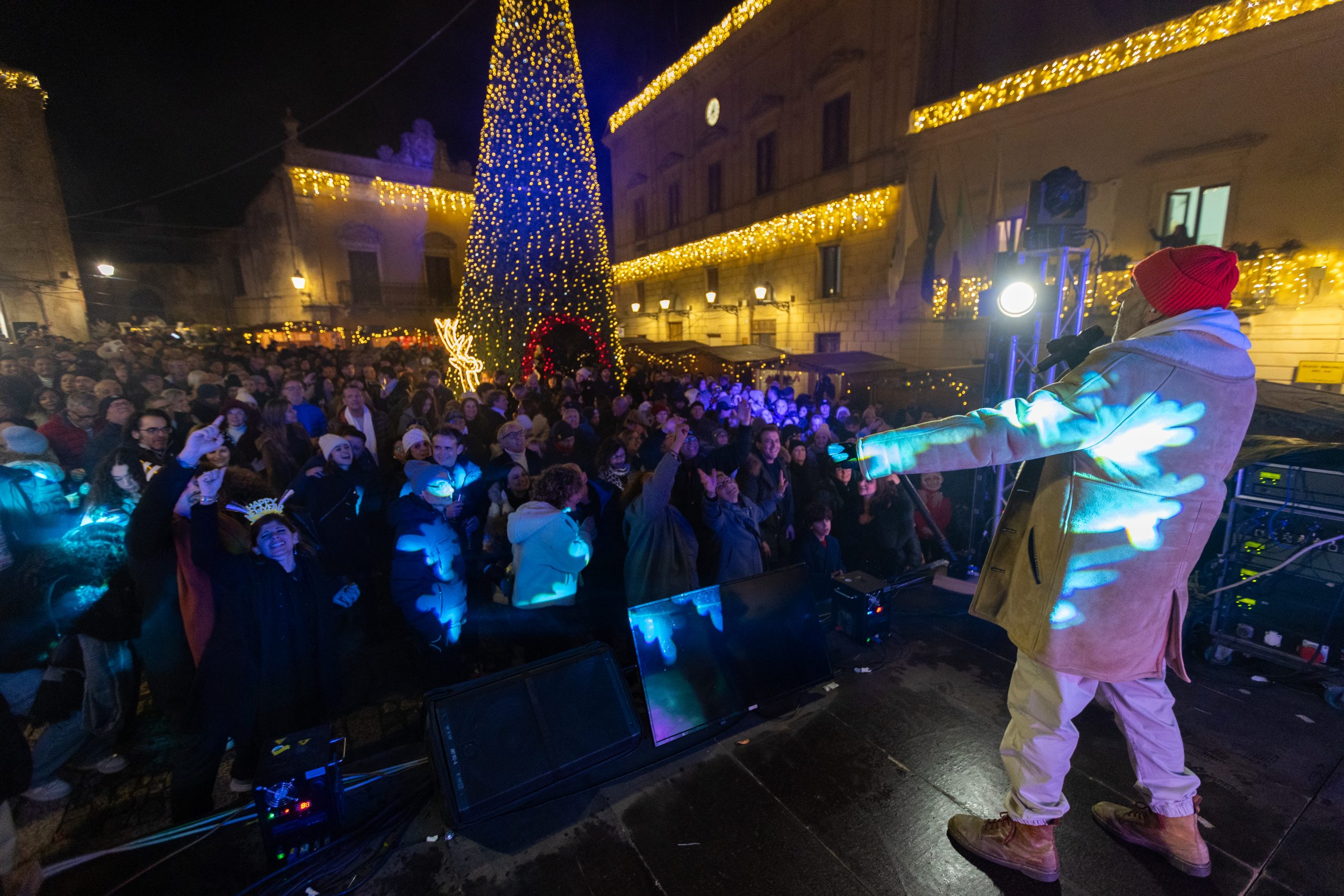 Dopo EricèNatale, il borgo medievale punta alle fiere del turismo16 gennaio 2025
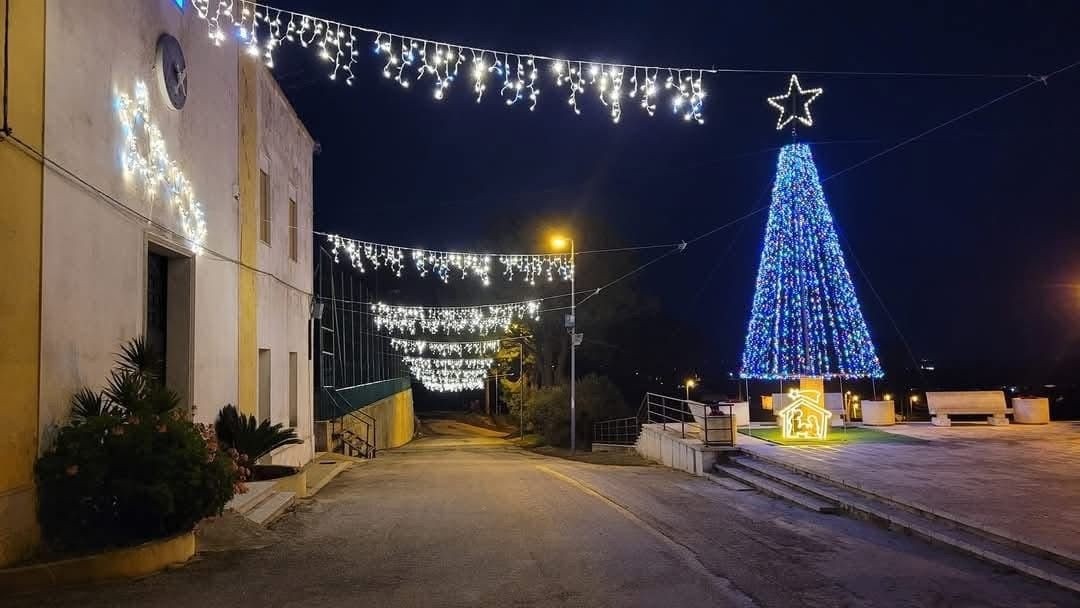 EricèNatale, calendario di eventi oltre il borgo medievale17 dicembre 2024
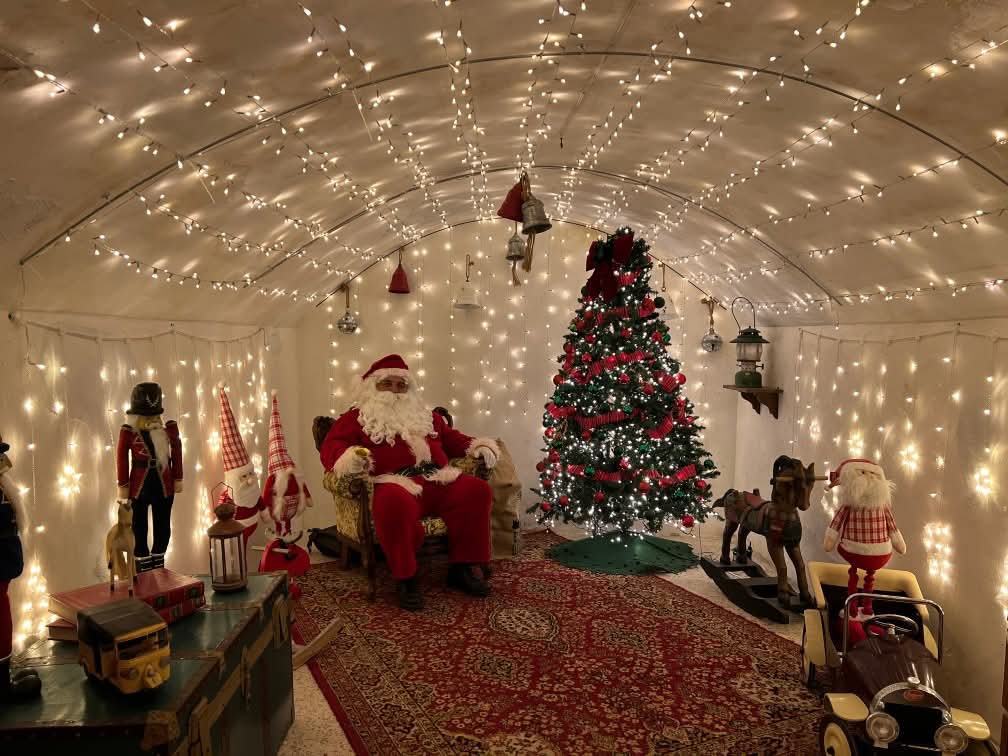 Al via EricèNatale tra presepi, concerti, mercatini, spettacoli, zampognari10 dicembre 2024
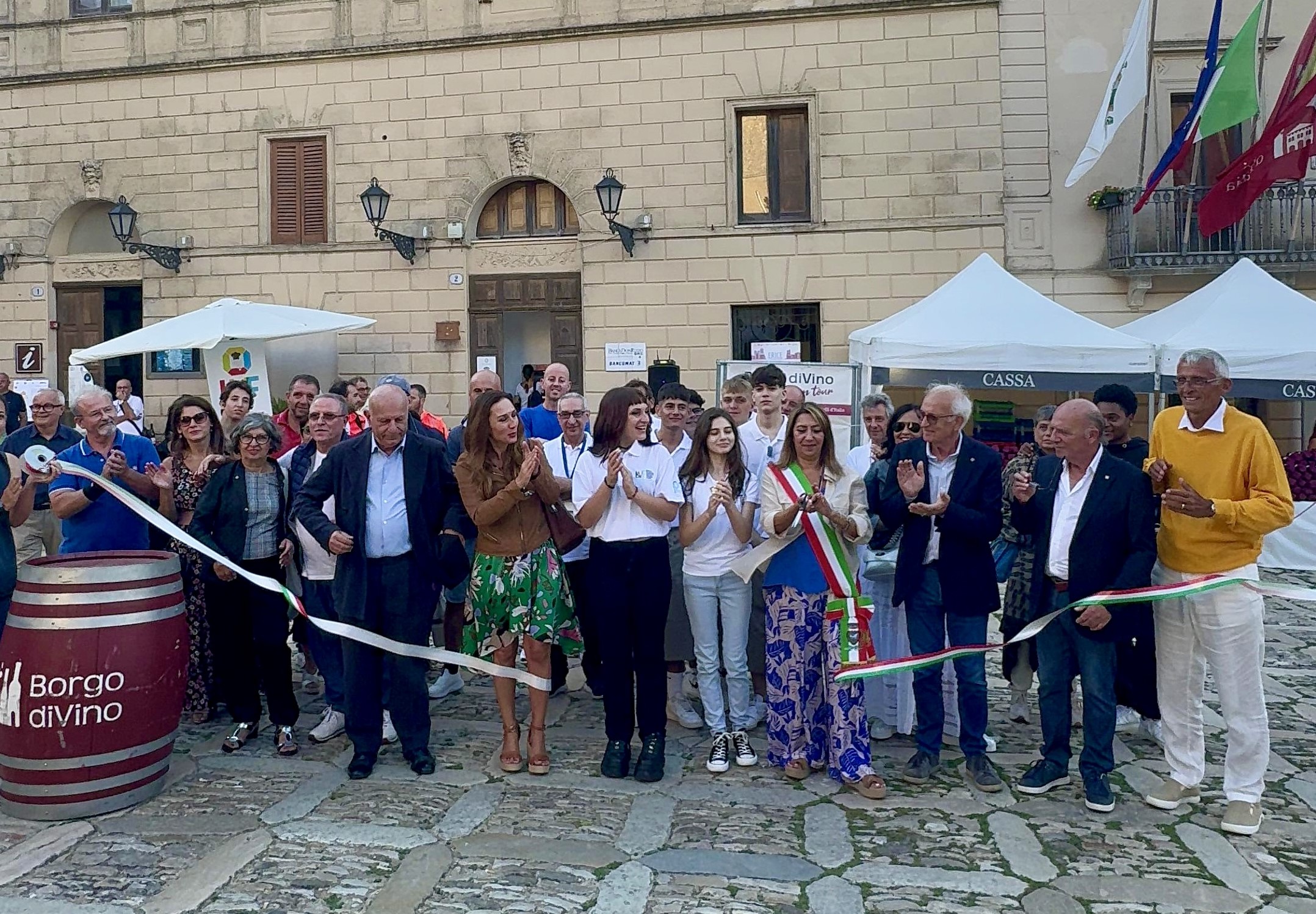 Dopo Borgo diVino Erice guarda anche al turismo enogastronomico05 settembre 2024
 Borgo diVino in tour a Erice per un weekend di degustazioni29 agosto 2024Erice, nuovo sito e virtual tour per ampliare promozione28 agosto 2024