
Overlooking the Gulf of Castellammare, along the northwest coast of Sicily, Balestrate is a lively seaside town combining the intensity of the Tyrrhenian blues with the tranquility of a hinterland carpeted with vineyards, citrus groves, and olive groves. Founded as a trading post and tuna fishery in the late Middle Ages, the town only took on an urban form in the 18th century, when the Bourbon crown granted the vast coastal fiefdoms on emphyteusis, encouraging the influx of settlers and fishermen attracted by the fish-rich waters and fertile soil. The original Sicilian toponym, "Sicciara," recalled the schools of cuttlefish that populated the bay; the current name became widespread in the 19th century, perhaps linked to the "balo" unit of land measurement, reflecting the transition from a fishing village to a farming-commercial community.
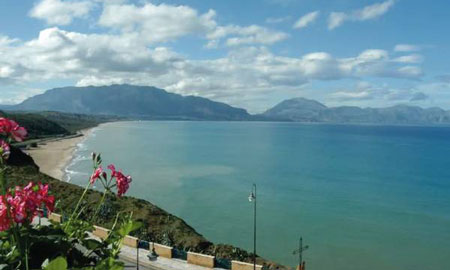
The urban fabric extends between two long golden beaches, fringed by dunes and maritime pines. To the east, the beach known as "del Forgitella" welcomes those seeking well-equipped lidos, water sports, and promenades lined with summer clubs. To the west, the sandy stretch that runs toward Alcamo Marina retains wilder stretches, a haven for herring gulls and dune flora. Dominating the coastline is the mother church of Sant'Anna, built in 1843 and embellished with neoclassical stucco. Its steps offer a panoramic view of the marina, the tourist port, and the horizon ablaze with sunsets. The historic center, organized along a regular grid of orthogonal streets, boasts late-19th-century buildings with wrought-iron balconies, flower-filled courtyards, and small artisan workshops where fishing nets are still woven or ceramics inspired by the colors of the sea are crafted.
The port, once dedicated exclusively to tuna fishing, is now a multifunctional haven: fishing boats, sailboats, and motorboats coexist with recreational facilities, diving schools, and charter boats heading to the Egadi Islands or San Vito Lo Capo. Fishing remains a cornerstone of the local identity; every morning, a tiny fish market is held on the pier, where you can buy anchovies, red shrimp, and swordfish directly from the fishermen. Alongside the maritime vocation, agriculture has developed, producing Catarratto, Grillo, and Nero d'Avola grapes, as well as fruity extra virgin olive oil.
Balestrate's cultural life is marked by festivals and rituals that blend the sacred and the profane. In July, in honor of Sant'Anna, the town's patron saint, a picturesque sea procession carries the saint's statue on a fishing boat adorned with lights, followed by fireworks that reflect on the water. Summer hosts theater performances in the square, folk music concerts, and festivals dedicated to bluefish and almond pastries. In the autumn months, the grape harvest draws families and tourists to the surrounding vineyards, where they can participate in the traditional pressing and taste the new musts.
Walking along the seafront at dusk, cycling along the coastal path, or exploring the hilly paths leading to natural terraces overlooking the gulf is a way to capture the essence of Balestrate: a place where the simplicity of daily rhythms coexists with the energy of a hospitable community, ready to share the fruits of the sea, the land, and its history.
In the heart of Balestrate, local businesses reflect the energy of a small seaside town that thrives in symbiosis between land and sea. Fishing-related activities stand out: fishing cooperatives, fishing boats, and fish stalls enliven the harbor from the early hours of the morning. Fresh catch is sold directly to retailers or supplied to local restaurants, markets, and delis, helping to keep the short supply chain and the tradition of Mediterranean seafood alive.
Alongside the seafaring vocation, agriculture continues to play an important role. Family-run businesses cultivate vineyards and olive groves on the surrounding hills, producing extra virgin olive oil and typical wines such as Catarratto and Nero d'Avola. These businesses focus on high-quality artisanal products, often vinified or bottled in bottles branded with the colors of the region, and sometimes offer winery tours and tastings, combining winemaking expertise with rural beauty.
The hospitality sector relies on family-run accommodations: B&Bs, vacation homes, and agritourisms featuring basic yet welcoming rooms, often overlooking the sea or surrounded by greenery. Those who manage these businesses work closely with the local community, offering breakfasts featuring locally sourced products and organizing experiences, such as olive picking or guided hikes through olive groves and vineyards.
In the city center, artisan workshops and neighborhood stores keep neighborhood life alive. Ceramics workshops, carpentry shops, and small workshops create home accessories, marine objects, and wrought iron artifacts, often decorated with traditional coastal symbols. Local grocery stores and delicatessens offer preserves, flavored oils, traditional sweets, and savory specialties based on regional recipes passed down through the generations.
Finally, local services—newsstands, hardware stores, mechanics, and bakeries—complete the economic picture by offering a personal, local presence, where customers are known by name. Together, these small businesses form the backbone of Balestrate's economy: they maintain traditional knowledge, enhance environmental and cultural resources, and foster experiential and sustainable tourism rooted in the local area.
The Balestrate area, with a population of 6,283 in 2023, covers an area of 6.4992 square kilometers. The gender distribution shows a slight predominance of women over men, with 3,288 females and 2,995 males. The presence of foreigners is limited, with a total of 200 individuals.
Regarding housing, as of December 31, 2021, there were 2,787 occupied and 2,457 unoccupied homes, for a total of 5,244 units. Accommodation facilities are primarily 4-star, with 70 beds and 70 rooms available. Other hotel categories are less represented, with a total of 23 accommodation establishments and 528 beds overall.
Regarding investment opportunities, the tourism sector could be one of the most promising, given the limited number of accommodations and the beauty of the area, which could attract tourists interested in discovering the natural and cultural beauties of the area. Furthermore, the presence of eight B&Bs could indicate an existing tourist demand that can be tapped. However, it is important to consider that the lack of museums and cultural institutions could pose a challenge to attracting a more cultural type of tourism interested in local history and traditions. Furthermore, the limited presence of non-hotel accommodations could represent an investment opportunity worth exploring.
In conclusion, the Balestrate area offers interesting investment opportunities in the tourism sector, with the possibility of developing new accommodations to meet potential tourist demand. However, it is also important to consider the need to promote local culture and traditions to attract a more diverse type of tourism interested in the area's history.
Balestrate presents itself as a refined coastal destination, combining the allure of a crystal-clear sea with a vibrant cultural and scenic life. Its shoreline, spread across two distinct stretches, offers diverse experiences: on one side, lidos equipped with umbrellas and sports activities; on the other, wilder beaches, surrounded by sand dunes and Mediterranean scrub, ideal for those seeking relaxation and authentic contact with nature. The village offers visitors the opportunity to stroll along the scenic promenade, where the silhouettes of boats stand out against the sea, and to stop at one of the many kiosks or waterfront bars for a sunset aperitif.
At the center of the coastline stands the elegant mother church of Sant'Anna, whose neoclassical façade and steps lead to a privileged view of the marina and tourist port. This sacred space is not only a place of worship, but also a gathering place during patron saint festivals, when the religious procession at sea draws participants and spectators in an impressive collective celebration.
The small port is a vibrant hub of activity, where fishing traditions coexist with nautical tourism: in the morning, fishing boats dock just beyond the recreational boating area, and a local fish market allows you to purchase fresh catch directly from the boats. Diving and snorkeling enthusiasts can count on several diving schools and boat trips to the archipelago's islands, while those who prefer a more tranquil atmosphere can opt for a stroll along the pier, lulled by the changing reflections of the sea.
In the historic center, a regular network of narrow streets comes alive in the summer with artisan workshops and events in the square. Concerts, theater performances, and food and wine festivals are held here, showcasing the flavors of blue fish, citrus fruits, and sweet local almonds. The surrounding area, rich in vineyards and olive groves, is perfect for cycling or hiking, with views ranging from the sea to the hills, offering evocative glimpses at sunrise and sunset. Ultimately, Balestrate offers a complete tourist experience, where natural beauty, maritime tradition, and culture coexist in a welcoming and refined atmosphere.
 A Balestrate apre LidoAut, promozione turistica con giovani autistici30 giugno 2026
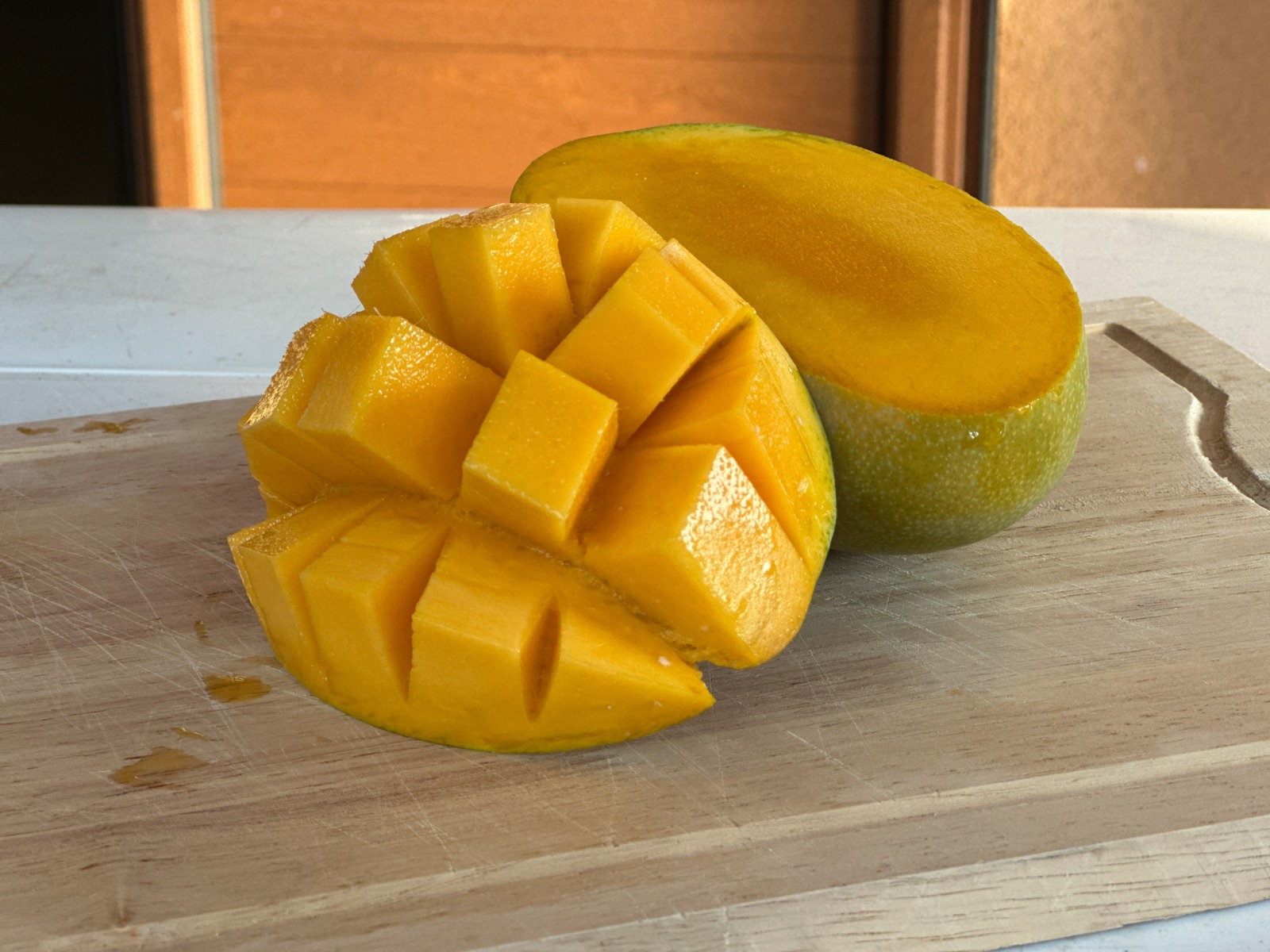 Tre giorni alla scoperta di Balestrate capitale della frutta tropicale27 agosto 2025
 Vito Rizzo: parte da un 5 stelle il rilancio della costa di Balestrate 📹10 luglio 2025
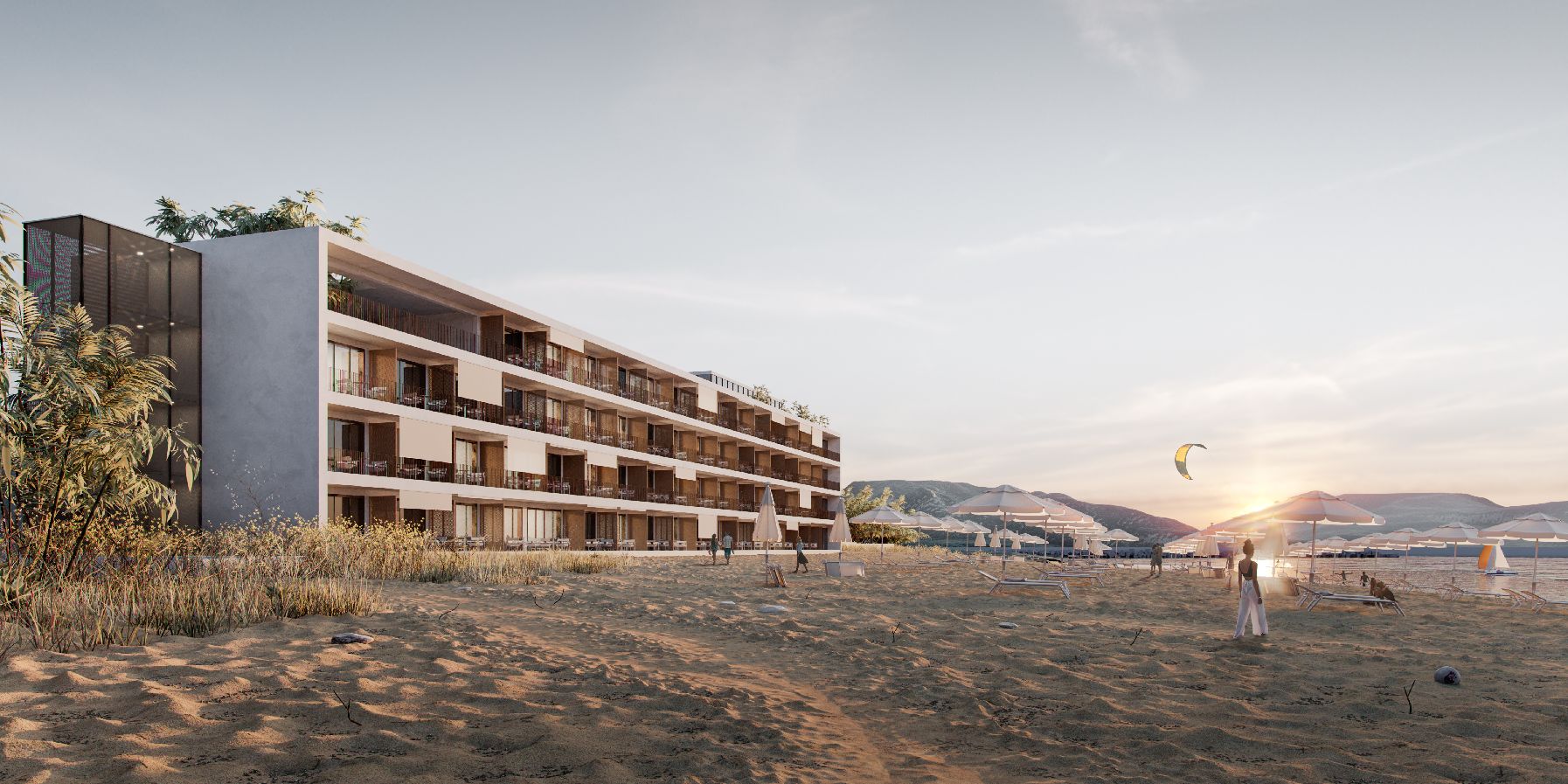 Da ecomostro a hotel di lusso, Balestrate guarda avanti05 luglio 2025
 Balestrate, gara per affidamento ex colonia in Gazzetta09 gennaio 2025
 Al via Seacily, Tamajo: nautica risorsa strategica per Sicilia18 ottobre 2024Balestrate, riprende iter per trasformare colonia marina in 5 stelle07 maggio 2024
 ‘Sicily got Talents’, due giorni a Balestrate per promuovere innovazione14 luglio 2022
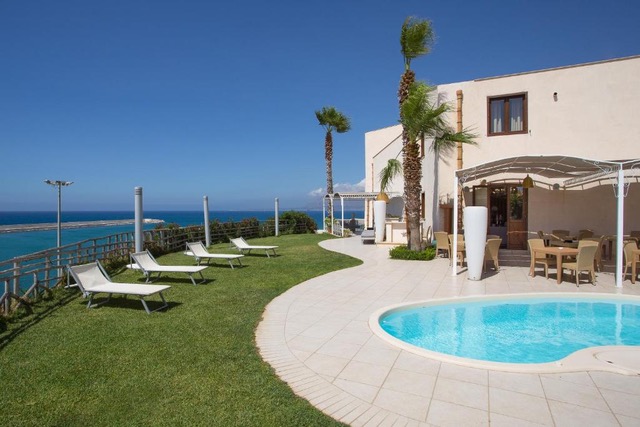 Marina Holiday entra nella collezione UNICO | Private Resorts29 giugno 2022A Balestrate sorgerà nuovo 5 stelle firmato dal Gruppo Bulgarella09 giugno 2022