
Affacciato sul Golfo di Castellammare, lungo la costa nord-occidentale della Sicilia, Balestrate è un vivace centro marinaro che unisce l’intensità degli azzurri tirrenici alla quiete di un entroterra tappezzato di vigneti, agrumeti e uliveti. Nato come scalo commerciale e tonnara nel tardo Medioevo, il paese assunse fisionomia urbana solo nel Settecento, quando la corona borbonica concesse in enfiteusi i vasti feudi costieri, favorendo l’afflusso di coloni e pescatori attratti dalle acque pescose e dai terreni fertili. L’originario toponimo siciliano, “Sicciara”, richiamava i banchi di seppie che popolavano la baia; l’attuale nome si diffuse nell’Ottocento, forse legato all’unità di misura terriera “balo”, testimoniando il passaggio da borgo di marinai a comunità contadina-commerciale.
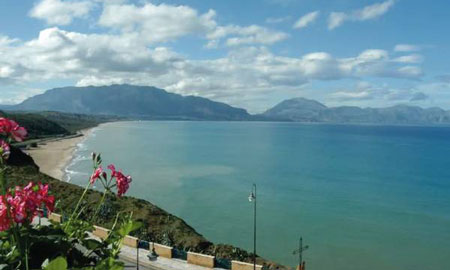
Il tessuto urbano si distende tra due lunghe spiagge dorate, orlate da dune e pini marittimi. A oriente, la spiaggia detta “del Forgitella” accoglie chi cerca lidi attrezzati, sport acquatici e passeggiate sul lungomare costeggiato da locali estivi; a occidente, la distesa sabbiosa che corre verso Alcamo Marina conserva tratti più selvaggi, rifugio di gabbiani reali e flora dunale. Dominando il litorale spicca la chiesa madre di Sant’Anna, edificata nel 1843 e impreziosita da stucchi neoclassici: dalle sue scalinate si apre un panorama che abbraccia la marina, il porto turistico e l’orizzonte incendiato dai tramonti. Il centro storico, organizzato su un reticolo regolare di vie ortogonali, custodisce palazzi di fine Ottocento dai balconi in ferro battuto, cortili fioriti e piccole botteghe artigiane dove ancora si intrecciano reti da pesca o si modellano ceramiche ispirate ai colori del mare.
Il porto, un tempo dedicato esclusivamente alla pesca del tonno, è oggi un approdo multifunzionale: pescherecci, barche a vela e motoscafi convivono con strutture per il diporto, scuole di sub e charter diretti verso le Egadi o San Vito Lo Capo. La pesca rimane tuttavia un cardine dell’identità locale; ogni mattina, sul molo, si tiene un minuscolo mercato ittico dove è possibile acquistare alici, gamberi rossi e pesce spada direttamente dalle mani dei pescatori. Accanto alla vocazione marittima, si è sviluppata un’agricoltura votata alla produzione di uve da vino catarratto, grillo e nero d’Avola, nonché di olio extravergine dal profumo fruttato.
La vita culturale di Balestrate è scandita da feste e rituali che mescolano sacro e profano. A luglio, in onore di Sant’Anna, patrona del paese, una suggestiva processione a mare porta il simulacro della santa su un peschereccio addobbato di luci, seguita da fuochi d’artificio che si specchiano sull’acqua. L’estate ospita rassegne di teatro in piazza, concerti di musica popolare e sagre dedicate al pesce azzurro e ai dolci di mandorle. Nei mesi autunnali la vendemmia richiama famiglie e turisti nei vigneti circostanti, dove è possibile partecipare alla pigiatura tradizionale e degustare i mosti novelli.
Passeggiare sul lungomare al crepuscolo, percorrere in bicicletta la pista costiera o esplorare i sentieri collinari che conducono a terrazze naturali sul golfo significa cogliere l’essenza di Balestrate: un luogo in cui la semplicità dei ritmi quotidiani convive con l’energia di una comunità ospitale, pronta a condividere i frutti del mare, della terra e della propria storia.
Nel cuore di Balestrate, le imprese locali riflettono l’energia di un piccolo centro marinaro che vive in simbiosi tra mare e terra. Tra queste spiccano le attività legate alla pesca: cooperative di pescatori, pescherecci e banchi ittici animano il porto sin dalle prime ore del mattino. Il pescato fresco viene venduto direttamente al dettaglio o fornito a ristoranti, mercati e gastronomie del territorio, contribuendo a mantenere viva la filiera corta e la tradizione del pesce mediterraneo.
Accanto alla vocazione marina, l’agricoltura mantiene un ruolo importante. Aziende familiari coltivano vigneti e uliveti sulle colline circostanti, producendo olio extravergine e vini tipici come Catarratto e Nero d’Avola. Queste realtà puntano su un prodotto artigianale di qualità, spesso vinificato o confezionato in bottiglie marchiate con i colori del territorio, e talvolta offrono visite in cantina e degustazioni, che uniscono esperienza enologica e bellezza rurale.
Il settore dell’ospitalità conta su strutture ricettive a conduzione familiare: B&B, case vacanza e agriturismi dotati di camere essenziali ma accoglienti, spesso affacciati sul mare o immersi nel verde. Chi gestisce queste attività lavora a stretto contatto con il tessuto locale, propone colazioni con prodotti a km 0 e organizza esperienze, come raccolta di olive o escursioni guidate tra uliveti e vigneti.
Nelle vie del centro, botteghe artigiane e negozi di vicinato mantengono viva la vita di quartiere. Laboratori di ceramica, falegnamerie e piccole officine realizzano complementi d’arredo, oggetti marini e manufatti in ferro battuto, spesso decorati con simboli della tradizione costiera. Negozi di alimentari e gastronomie locali propongono conserve, oli aromatizzati, dolci tradizionali e specialità salate, basati su ricette regionali trasmesse da generazioni.
Infine, i servizi locali – edicola, ferramenta, meccanico, panetteria-pasticceria – completano il quadro economico offrendo un presidio quotidiano presente e umano, dove il cliente viene conosciuto per nome. Insieme, queste piccole imprese costituiscono l’ossatura dell’economia balestratese: mantengono attivi i saperi tradizionali, valorizzano le risorse ambientali e culturali, favorendo un turismo esperienziale e sostenibile radicato nel territorio.
Il territorio di Balestrate, con una popolazione di 6.283 abitanti nel 2023, si estende su una superficie di 6,4992 kmq. La distribuzione di genere vede una leggera prevalenza delle donne rispetto agli uomini, con 3.288 femmine e 2.995 maschi. La presenza di stranieri è limitata, con un totale di 200 individui.
Dal punto di vista abitativo, al 31 dicembre 2021 si contavano 2.787 abitazioni occupate e 2.457 non occupate, per un totale di 5.244 unità. Le strutture ricettive sono principalmente di categoria 4 stelle, con 70 letti e 70 camere disponibili. Le altre categorie alberghiere sono meno rappresentate, con un totale di 23 esercizi ricettivi e 528 letti complessivi.
Per quanto riguarda le opportunità di investimento, il settore turistico potrebbe essere uno dei più promettenti, considerando la presenza di poche strutture ricettive e la bellezza del territorio, che potrebbe attrarre turisti interessati a scoprire le bellezze naturali e culturali della zona. Inoltre, la presenza di 8 B&B potrebbe indicare una domanda turistica già esistente da sfruttare. Tuttavia, è importante considerare che la mancanza di musei e istituzioni culturali potrebbe rappresentare una criticità per attrarre un turismo più culturale e interessato alla storia e alle tradizioni locali. Inoltre, la presenza limitata di strutture ricettive extraalberghiere potrebbe rappresentare un'opportunità di investimento da esplorare.
In conclusione, il territorio di Balestrate offre interessanti opportunità di investimento nel settore turistico, con la possibilità di sviluppare nuove strutture ricettive per soddisfare la domanda turistica potenziale. Tuttavia, è importante considerare anche la necessità di promuovere la cultura e le tradizioni locali per attrarre un turismo più variegato e interessato alla storia del territorio.
Balestrate si presenta come una raffinata destinazione costiera, capace di unire il fascino del mare cristallino a un’intensa vita culturale e paesaggistica. Il suo arenile, distribuito su due tratti distinti, regala esperienze diverse: da un lato, lidi attrezzati con ombrelloni e attività sportive; dall’altro, spiagge più selvagge, circondate da dune sabbiose e macchia mediterranea, ideali per chi cerca relax e contatto autentico con la natura. Il borgo offre ai visitatori l’occasione di passeggiare lungo il lungomare panoramico, dove il profilo delle barche si staglia contro il mare, e di fermarsi in uno dei tanti chioschi o bar vista acqua per degustare un aperitivo al tramonto.
Al centro del litorale si erge con eleganza la chiesa madre di Sant’Anna, la cui facciata neoclassica e scalinate conducono a un affaccio privilegiato sulla marina e sul porto turistico. Questo spazio sacro non è solo un luogo di culto, ma anche un punto d’incontro durante le feste patronali, quando la processione religiosa a mare richiama partecipanti e spettatori in un’imponente celebrazione collettiva.
Il piccolo porto è un nucleo vivo di attività, dove la tradizione peschereccia convive con il turismo nautico: al mattino i pescherecci attraccano poco oltre lo specchio d’acqua dedicato al diporto, e un mercatino ittico a filiera corta permette di acquistare pescato fresco direttamente dalle barche. Gli appassionati di immersione e snorkeling possono contare su diverse scuole sub e gite in barca verso le isole dell’arcipelago, mentre chi preferisce la calma può optare per una passeggiata sul molo, cullati dai riflessi cangianti del mare.
Nel centro storico, un reticolo regolare di viuzze si anima d’estate con botteghe artigiane e manifestazioni in piazza. Qui si tengono concerti, spettacoli teatrali e sagre enogastronomiche, che esaltano i sapori del pesce azzurro, degli agrumi e delle dolci mandorle locali. I dintorni, ricchi di vigneti e uliveti, sono perfetti per escursioni in bicicletta o a piedi, tra panorami che spaziano dal mare alle colline, offrendo scorci suggestivi all’alba e al tramonto. In definitiva, Balestrate offre un’esperienza turistica completa, in cui bellezza naturale, tradizione marittima e cultura convivono in un’atmosfera accogliente e raffinata.
 A Balestrate apre LidoAut, promozione turistica con giovani autistici30 giugno 2026
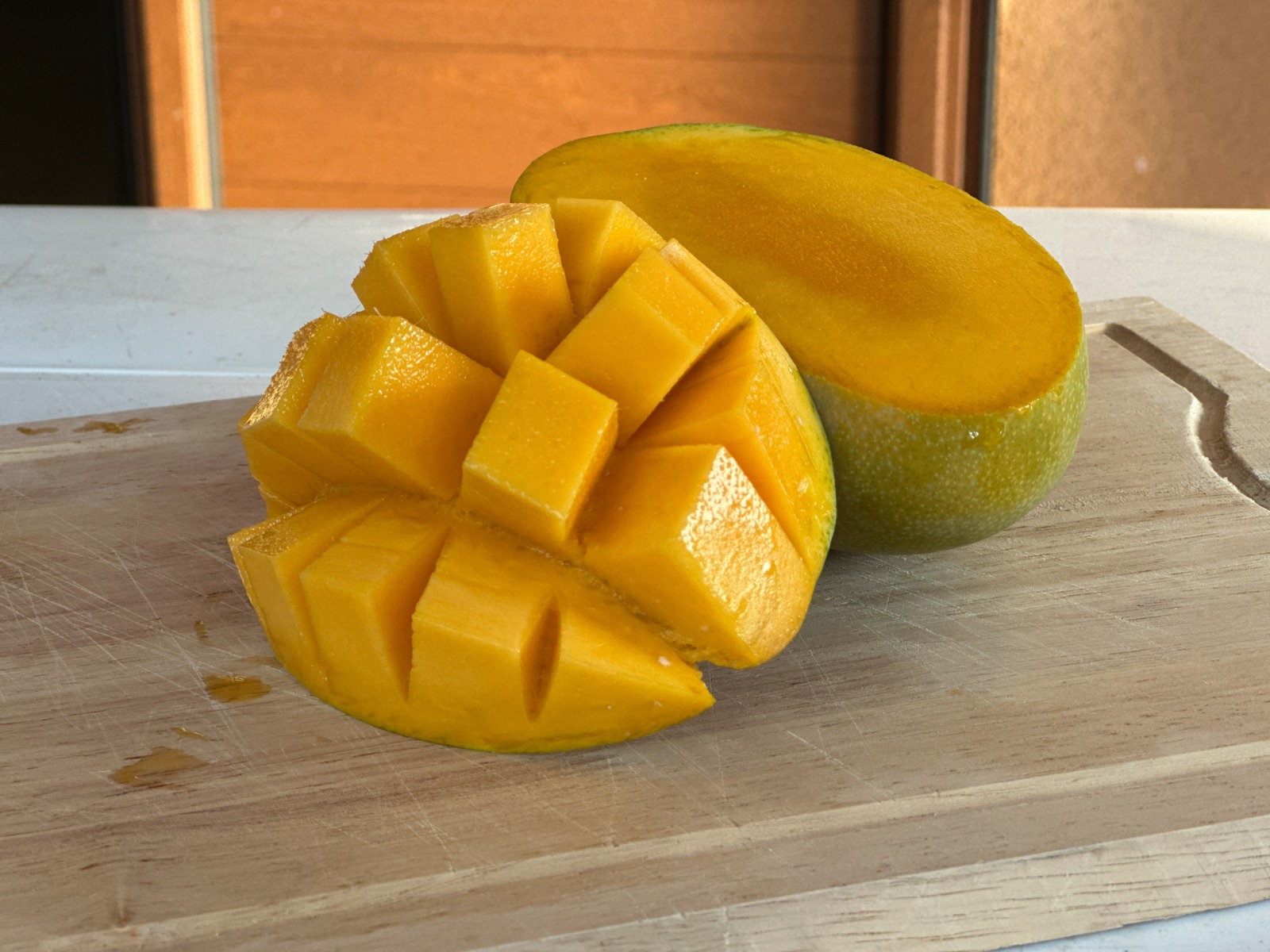 Tre giorni alla scoperta di Balestrate capitale della frutta tropicale27 agosto 2025
 Vito Rizzo: parte da un 5 stelle il rilancio della costa di Balestrate 📹10 luglio 2025
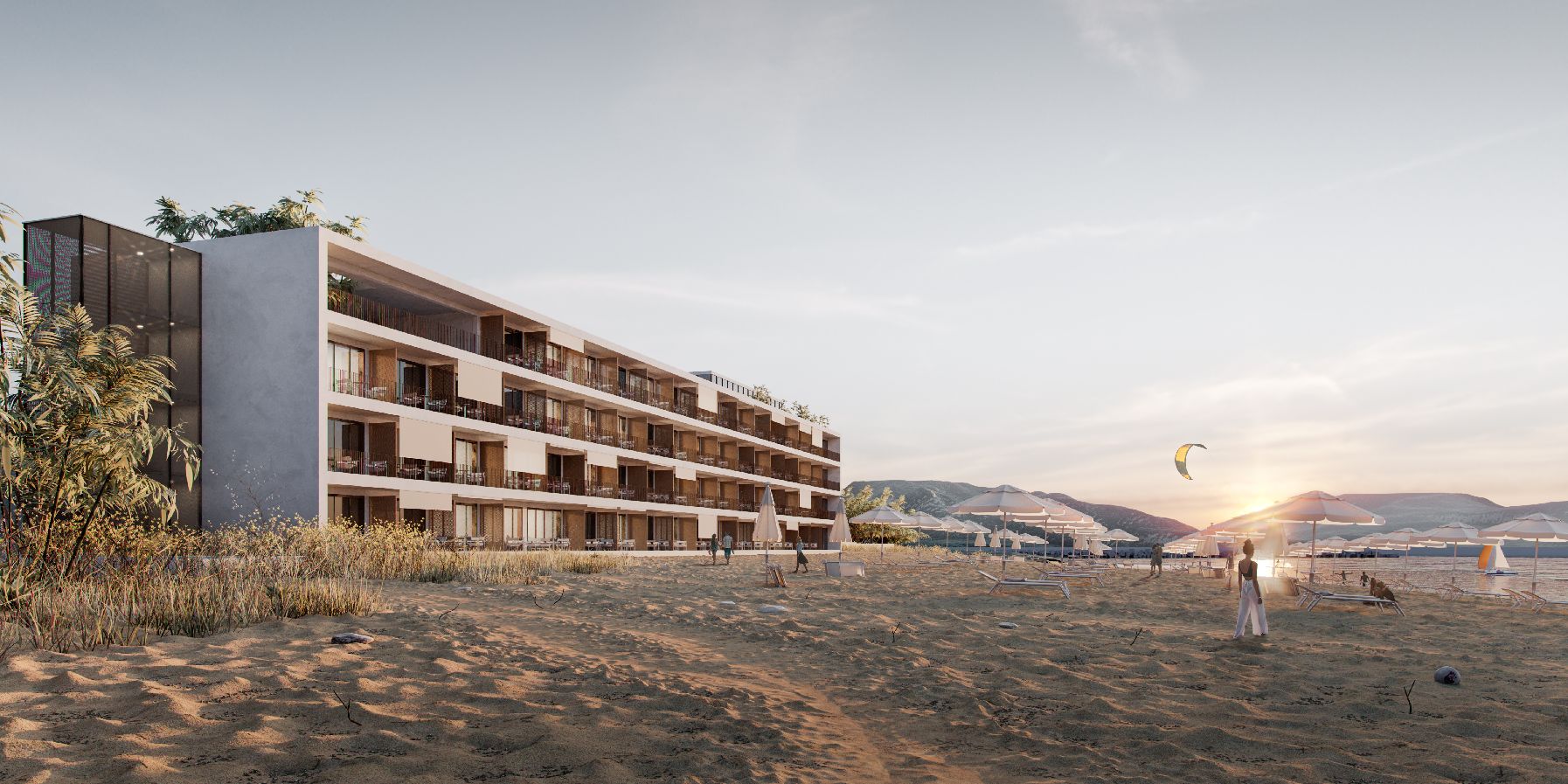 Da ecomostro a hotel di lusso, Balestrate guarda avanti05 luglio 2025
 Balestrate, gara per affidamento ex colonia in Gazzetta09 gennaio 2025
 Al via Seacily, Tamajo: nautica risorsa strategica per Sicilia18 ottobre 2024Balestrate, riprende iter per trasformare colonia marina in 5 stelle07 maggio 2024
 ‘Sicily got Talents’, due giorni a Balestrate per promuovere innovazione14 luglio 2022
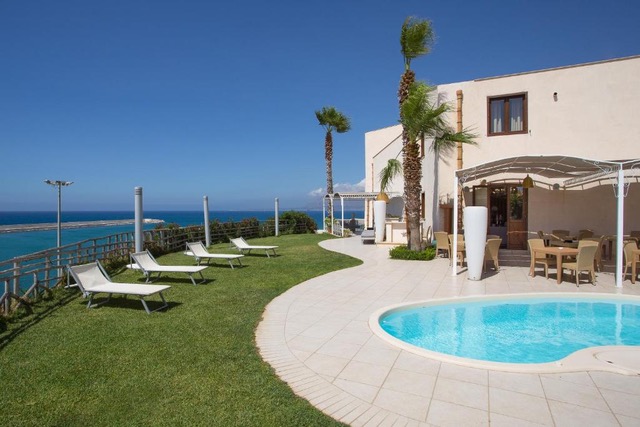 Marina Holiday entra nella collezione UNICO | Private Resorts29 giugno 2022A Balestrate sorgerà nuovo 5 stelle firmato dal Gruppo Bulgarella09 giugno 2022