In the heart of the Madonie Park, Castelbuono stands 423 meters above sea level, on the slopes of the Milocca hill. Its history dates back to the Neolithic, as evidenced by the finds discovered in the Bergi necropolis.
During the Byzantine period, it was known as Ypsigro, before undergoing further transformations under Arab and Norman rule. However, the true birth of Castelbuono as a settlement is inextricably linked to the Ventimiglia family, who, in 1317, began construction of the famous castle that still dominates the landscape today. Remodeled several times over the centuries, the fortress now houses the Civic Museum, which houses precious archaeological collections, works of art, and a section dedicated to local history, as well as the baroque Palatine Chapel (or Chapel of Sant'Anna).
The relocation of the Ventimiglia court in the 15th century ushered in a period of great cultural and economic splendor for Castelbuono.
The city also became an important religious center, as evidenced by the presence of numerous churches and convents, including the Matrice Vecchia (Old Mother Church), the Matrice Nuova (New Mother Church), and the Church of San Francesco (St. Francis).
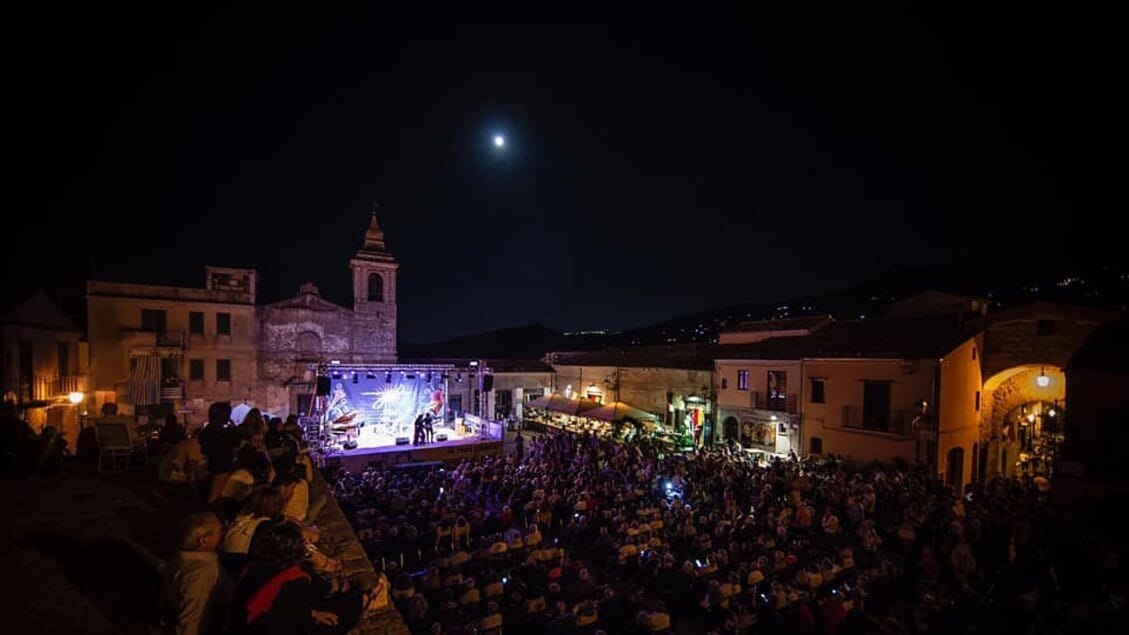
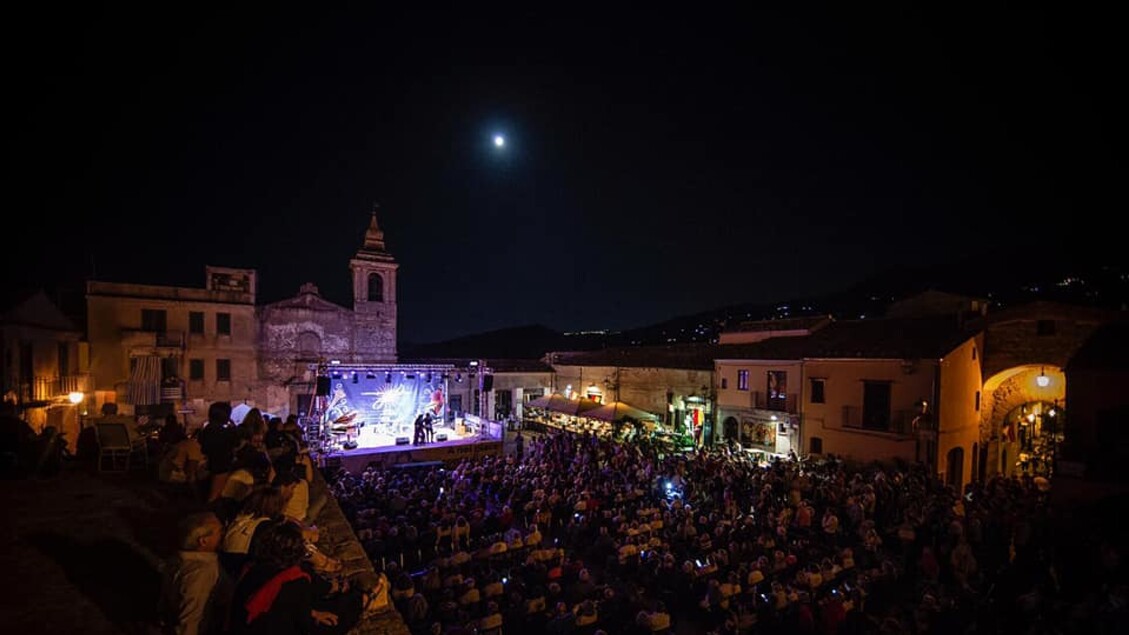
The village is also renowned for its internationally renowned musical events, such as the Ypsigrock Festival and the Castelbuono Jazz Festival, which attract visitors from all over Italy and abroad.
Today, the medieval village is also renowned for its excellent food and wine, especially manna—a prized resin extracted from Madonie ash trees and used in gastronomy and homeopathy—mushrooms, and the Fiasconaro panettone, which has been produced here since 1953.
 Associazione: Anci Sicilia
→
Associazione: Anci Sicilia
→
 Consorzio: Castelli di Sicilia
→
Consorzio: Castelli di Sicilia
→
 Gruppo di Azione Locale: GAL Madonie
→
Gruppo di Azione Locale: GAL Madonie
→
 Parco: Parco delle Madonie
→
Parco: Parco delle Madonie
→
 Progetto: Eco Turismo In Comune
→
Progetto: Eco Turismo In Comune
→
.png) Progetto: Sposarsi a Castelbuono
→
Progetto: Sposarsi a Castelbuono
→
 Unione di Comuni: Unione dei comuni delle Madonie
→
Unione di Comuni: Unione dei comuni delle Madonie
→

Castelbuono, a charming village in the heart of the Madonie Park, boasts a dynamic economic fabric based on local businesses, a true driving force of community life and regional development. These businesses are distinguished by their strong artisanal and family-run character, passed down from generation to generation, striking a balance between tradition, quality, and sustainable innovation.
The agri-food sector is the jewel in the crown of the local economy, with internationally recognized products of excellence. The famous artisanal panettone from the Fiasconaro family, a symbol of Castelbuono worldwide, stands out, alongside workshops that transform local ingredients into authentic products such as cured meats, traditional cheeses, and preserves. A special focus is on the production of "manna," a natural sweetener extracted from ash tree bark, a true local treasure.
Tourism is another key resource. Agritourism farms, restaurants, bed & breakfasts, and inns offer authentic experiences, with warm hospitality and traditional Sicilian flavors. The artisan workshops in the historic center preserve ancient crafts such as woodworking, wrought ironwork, and ceramics, enhancing the village's cultural identity and offering unique creations.
In recent years, the town's dynamism has been enriched by young businesses and innovative cooperatives, active in sectors such as experiential tourism, high-quality food and wine, and digital services. These businesses, while often small, represent a virtuous model of the local economy, capable of combining tradition and innovation in a sustainable and participatory manner.
Castelbuono, a village located in the heart of the Madonie Mountains in Sicily, is a particularly attractive area for potential investors due to its geographic location and the area's socio-demographic and economic characteristics. With a surface area of approximately 60.79 km² and a perimeter of nearly 48 km, the municipality features a varied topography, with a clear prevalence of land between 300 and 599 meters above sea level, covering over 44% of the territory. This conformation, combined with the typical environmental context of the Madonie Mountains, makes Castelbuono ideal for investments in agritourism, hiking, and experiential tourism in contact with nature.
In 2023, the resident population totaled 8,018, with a slight female predominance (4,094 women versus 3,924 men). The presence of foreign citizens is limited, with 187 foreign residents, or 2.3% of the population. This figure highlights a still limited multicultural environment, but with potential growth linked to tourism or temporary work-related settlements.
Regarding housing, Castelbuono has 6,331 units registered as of 2021, of which 2,684 are unoccupied, equal to over 42% of the total. This represents significant potential for real estate redevelopment or conversion projects, both for tourism and residential use, opening up interesting prospects for investments in urban regeneration, tourist rentals, or social housing.
The village's traditional accommodation offering is still limited: two hotels with a total of 28 rooms and 60 beds, both rated three stars, highlight the lack of medium- to high-end accommodations and offer scope for new investments. The non-hotel sector is more dynamic, with 15 establishments and 219 beds, including B&Bs, agritourisms, and other alternatives. The three agritourisms, with a total of 136 beds, constitute a consolidated base but with considerable room for growth, thanks to the area's naturalistic and rural vocation.
On the cultural front, Castelbuono has a municipal museum that attracted 1,348 visitors in 2020, indicating moderate tourist interest but with potential for development through strategies to promote and enhance its historical and artistic heritage. The historic center, characterized by a strong architectural identity and cultural traditions, represents a significant attraction when integrated with events and themed tourist itineraries.
Regarding healthcare infrastructure, the area lacks dedicated hospital or rehabilitation beds. This gap can be seen as an opportunity for investment in the private healthcare sector or in senior care services, considering the trend of population aging in Italy's inland areas.
Castelbuono offers interesting development potential in the fields of rural and cultural tourism, hospitality, and real estate development. The availability of unused housing stock, the lack of high-end facilities, and the absence of specialized healthcare services represent favorable scenarios for targeted investments, which, if combined with promotion and redevelopment policies, could increase the area's attractiveness and sustainable growth.
Castelbuono, a charming medieval village located in the heart of the Madonie Park, offers visitors a priceless historical, cultural, and natural heritage.
The town's undisputed symbol is the majestic Ventimiglia Castle, built in the 14th century. Perched on a hill, the castle dominates the landscape with its imposing mass, a harmonious blend of Arab-Norman and Swabian styles. Inside, it houses two jewels: the Palatine Chapel, a masterpiece of Sicilian Baroque dedicated to Saint Anne, where exquisite stucco by the Serpotta brothers adorns the walls against a pure gold background; and the Civic Museum, which houses sections dedicated to archaeology, sacred art, urban planning, and modern and contemporary art.
Walking through the charming alleys of the historic center, you can admire traditional Sicilian architecture, with stone buildings and flower-filled balconies. Among the religious buildings, the Matrice Vecchia (Old Mother Church), dating back to the 14th century and built on the ruins of an ancient pagan temple, and the Matrice Nuova (New Mother Church), enrich the village with their centuries-old history. For science enthusiasts, a must-see is the Francesco Minà Palumbo Natural History Museum, which collects and illustrates the rich biodiversity of the Madonie Mountains.
Castelbuono is also a culinary capital, renowned for its gastronomic specialties. Among these are the world-renowned artisanal panettone from the renowned Fiasconaro pastry shop, and the precious "manna," a unique natural sweetener extracted from the bark of local ash trees. The still-operating workshops offer fine handcrafted woodwork, wrought ironwork, and embroidery.
Throughout the year, the village comes alive with numerous cultural events, fairs, and music festivals that fill the squares and attract visitors from all over the world.
The surrounding nature is another irresistible attraction for hiking enthusiasts. The trails through the Madonie Park offer spectacular views, winding through woods, valleys, and ancient sanctuaries.
Castelbuono thus confirms itself as an ideal destination for those seeking an authentic experience, immersed in the beauty of true Sicily, in a perfect balance of art, tradition, and breathtaking landscapes.
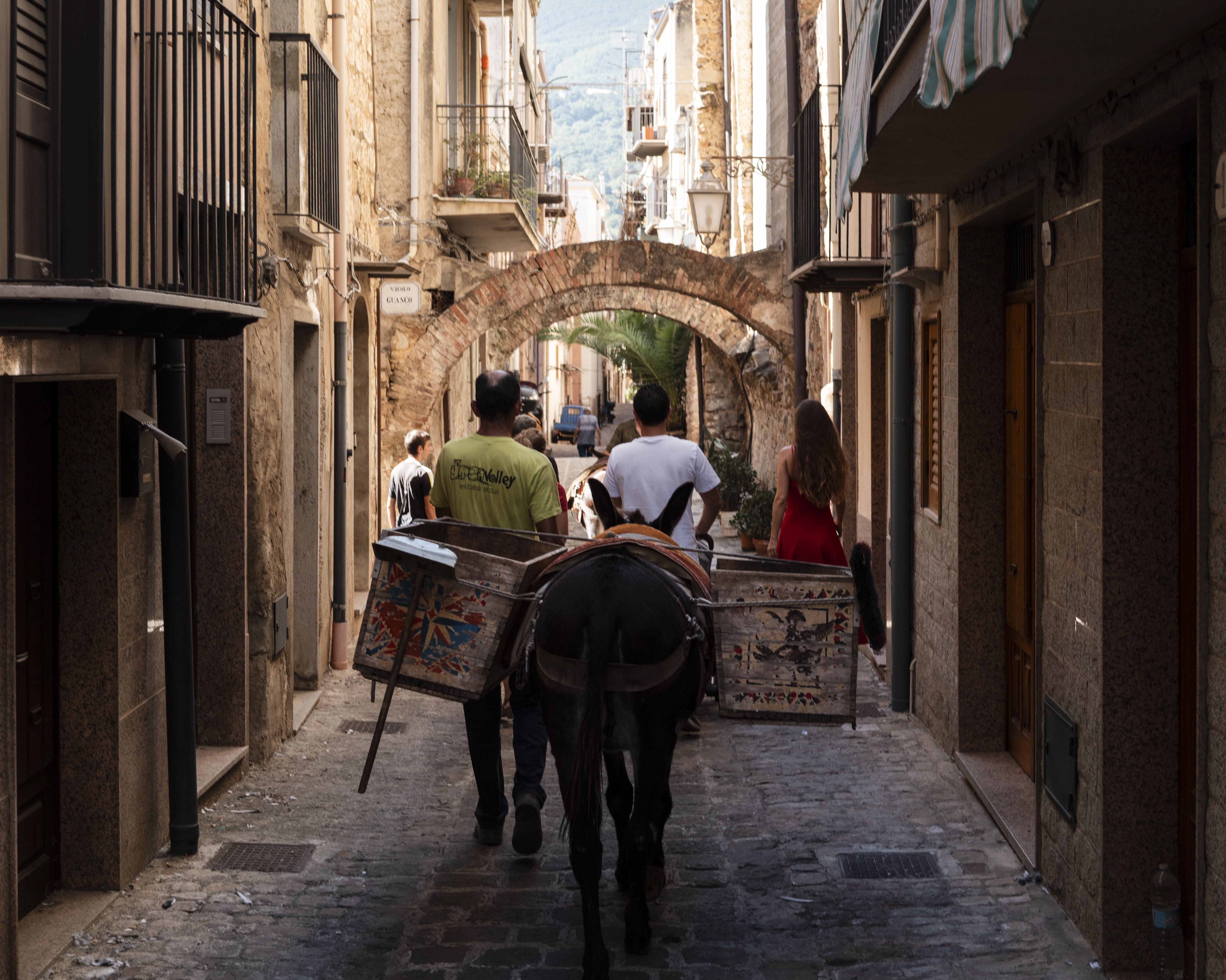 Nomadi digitali, le Madonie come laboratorio contro lo spopolamento08 settembre 2026
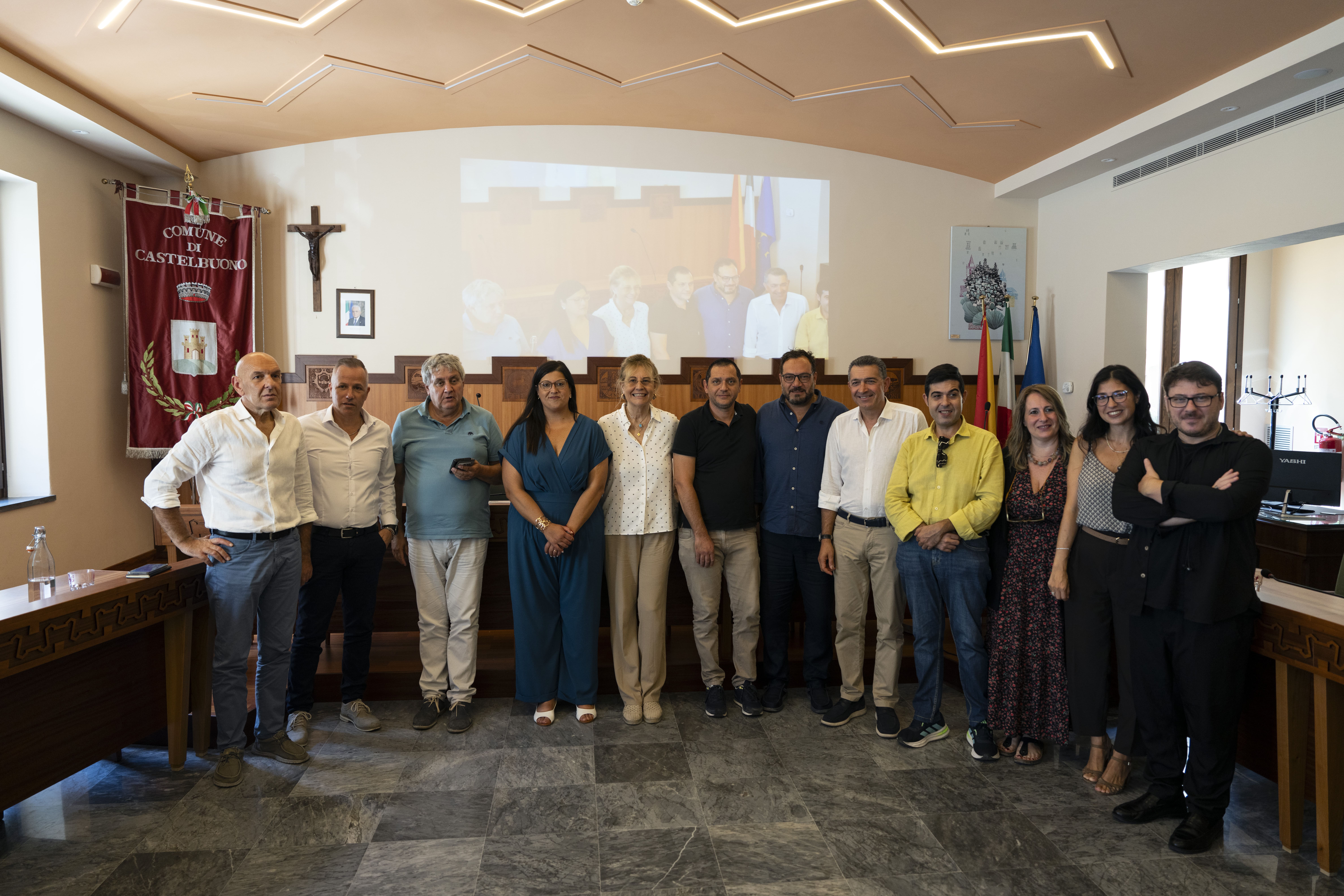 Le Madonie sperimentano modello ricettivo integrato e sostenibile07 settembre 2026
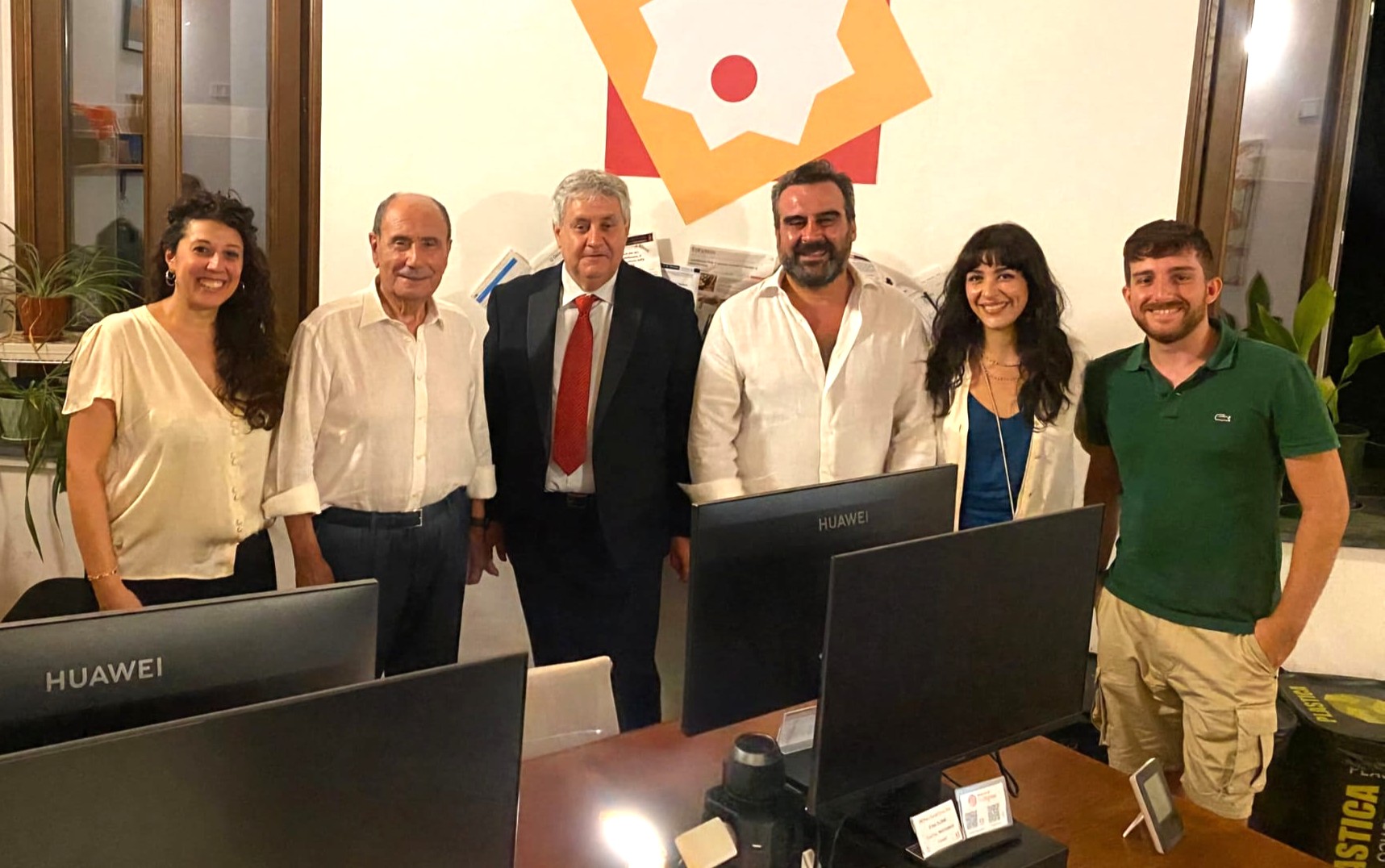 Schifani: south working e lavoro agile opportunità per le aree interne05 settembre 2026
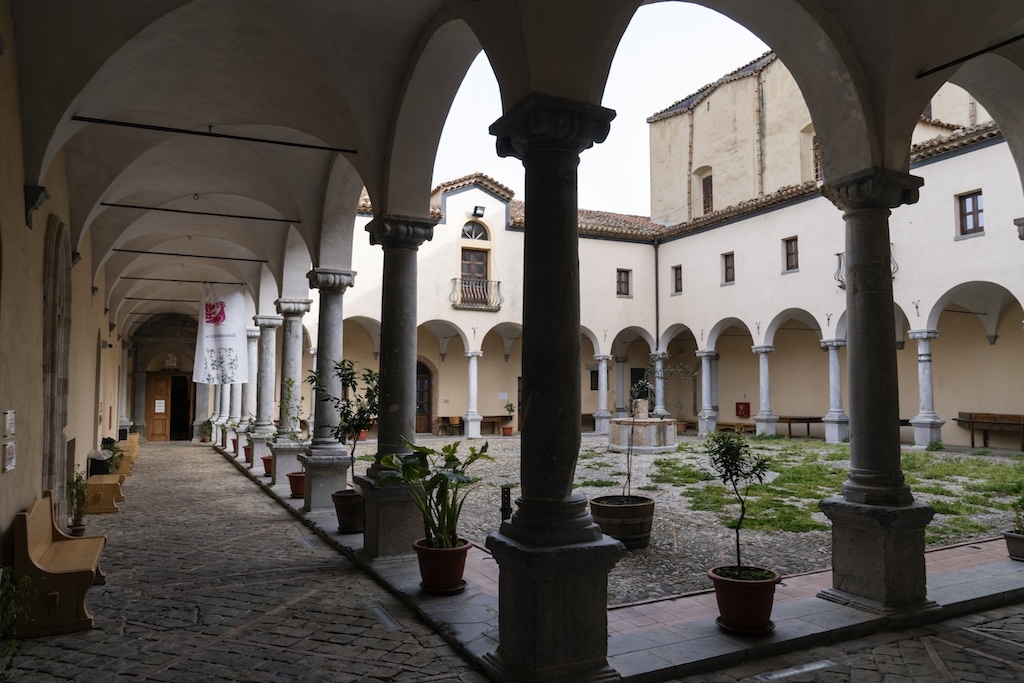 Non solo talk e seminari, ecco le experience del Madonie Nomad Residency01 settembre 2026
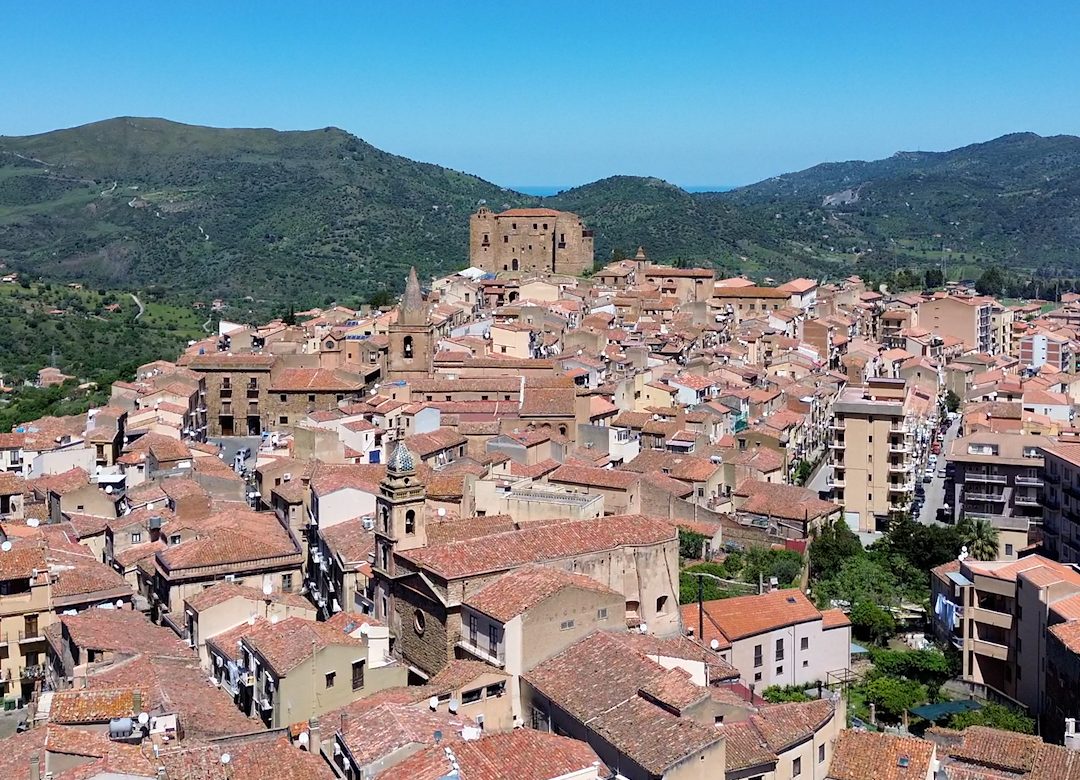 Castelbuono ospita il primo Madonie Nomad Residency: ecco il programma26 agosto 2026
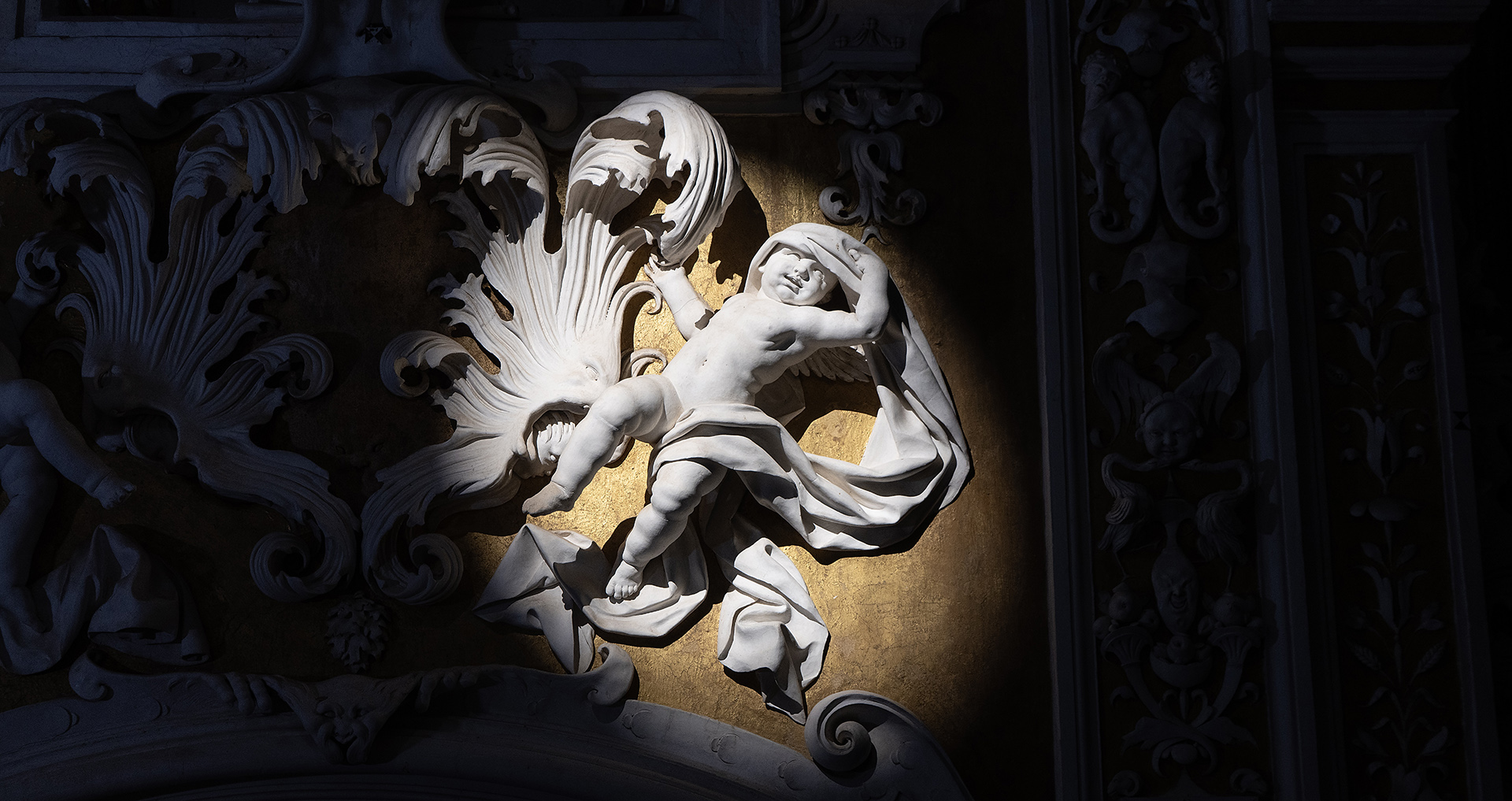 Castelbuono apre il Castello alle visite serali24 agosto 2026
 Al Castelbuono Jazz festival omaggio ai vigili del fuoco e alla protezione civile01 agosto 2026
 Castelbuono capitale dei nomadi digitali tra festival e residency01 luglio 2026
 Castelbuono si trasforma nella regina del jazz d’autore18 giugno 2026Castelbuono celebra l’International Jazz Day il 30 aprile14 febbraio 2026