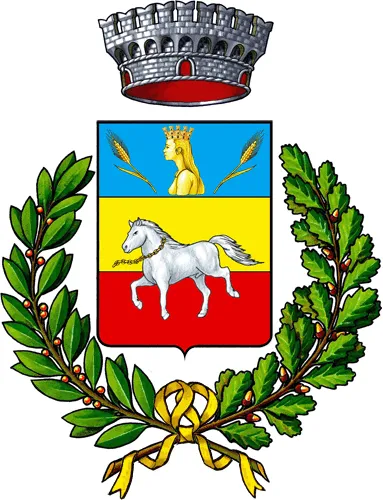
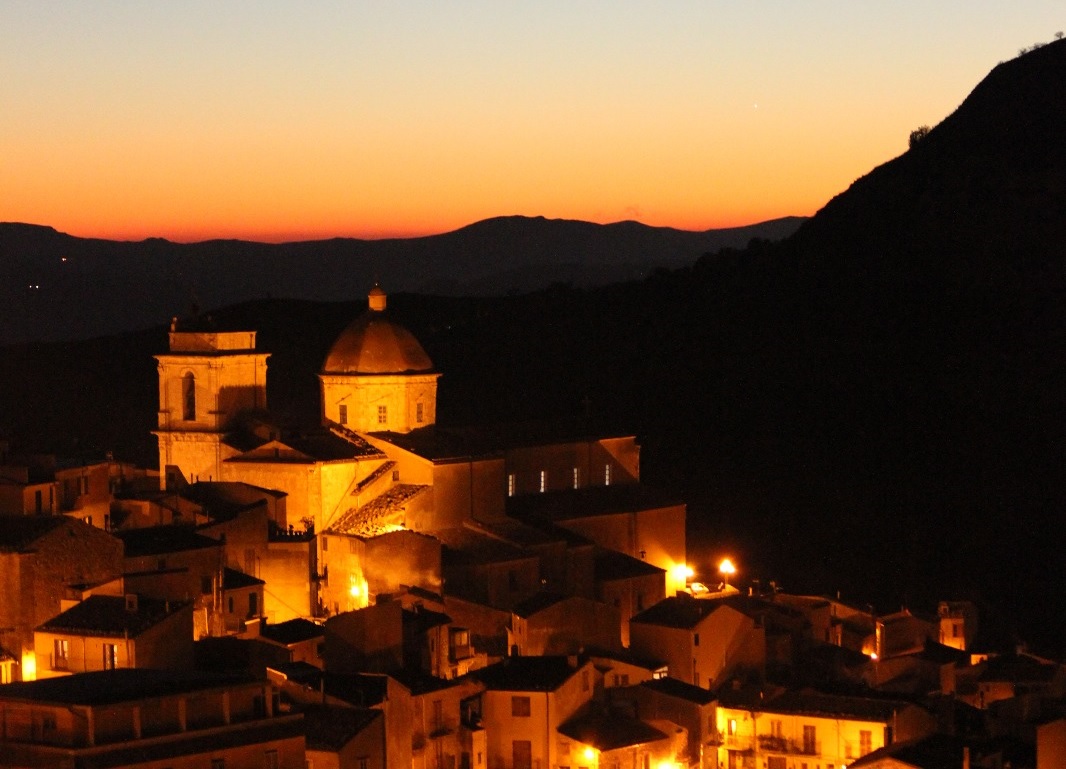
Castellana Sicula is a charming village in the Metropolitan City of Palermo, located in the heart of the island at approximately 765 meters above sea level, among the Madonie mountains. The predominantly mountainous terrain is characterized by woods, pastures, and rocky outcrops that create a striking landscape.
Although the current urban layout was consolidated in the second half of the 18th century, the area shows traces of settlement since ancient times, as evidenced by archaeological finds. The modern foundation dates back to the 17th century at the initiative of the Duke of Ferrandina. The toponym "Castellana" likely recalls the presence of an ancient fortification, while the addition of "Sicula" is later and serves to distinguish it from other places of the same name, while also strengthening its territorial identity.
Today, the municipality is an integral part of the Madonie Park, a protected area of significant environmental value. This connection to the natural environment is reflected in the presence of extensive forests of holm oaks and oaks and a rich biodiversity, making the area particularly suitable for sustainable tourism and hiking.
The local economy is historically linked to agriculture, sheep farming, and crafts, complemented in recent years by a growing interest in nature tourism. The historic center retains an authentic layout, with quiet alleys, stone houses, and small religious buildings. Among these, the Mother Church dedicated to San Francesco di Paola, the town's patron saint, stands out, a focal point for the community's cultural and spiritual life.
Popular traditions remain deeply rooted and find expression in religious festivals and local events, moments of aggregation that intertwine devotion, music, and gastronomy. Castellana Sicula thus represents a significant example of a Sicilian village capable of preserving its identity, offering an authentic experience tied to rural culture and the Madonie landscape.
 Associazione: Anci Sicilia
→
Associazione: Anci Sicilia
→
 Gruppo di Azione Locale: GAL Madonie
→
Gruppo di Azione Locale: GAL Madonie
→
 Parco: Parco delle Madonie
→
Parco: Parco delle Madonie
→
 Unione di Comuni: Unione dei comuni delle Madonie
→
Unione di Comuni: Unione dei comuni delle Madonie
→
Castellana Sicula, a small town in the heart of the Madonie Mountains, boasts an economic fabric based primarily on local family-run businesses, which form the backbone of the area's social and economic life. Productive activities are primarily concentrated in agriculture, crafts, and commerce, with a strong focus on leveraging local resources.
Farms, often passed down from generation to generation, represent one of the area's key areas of excellence. Production includes extra virgin olive oil from centuries-old olive groves, vegetables, and grains grown according to traditional practices. Sheep farming plays a key role, enabling the production of high-quality dairy products, such as Madonie provola and pecorino cheeses, appreciated for their authentic flavor even beyond the local area.
In the artisanal sector, businesses stand out for their expert craftsmanship with local materials. Carpentry workshops, wrought iron workshops, and stonemasons specializing in local stone create artifacts that reflect the Madonie culture, finding application in construction and artistic crafts. Local commerce enlivens the historic center with shops and businesses offering local products and essential services, maintaining a close connection between the community and the surrounding area.
Finally, tourism is a growing sector. New initiatives, often promoted by young local entrepreneurs, have led to the creation of agritourism and bed & breakfasts that enhance the landscape and tranquility of the Madonie Park. These establishments offer more than just hospitality; they also offer authentic experiences such as tastings, excursions, and activities related to agricultural life.
Overall, Castellana Sicula's businesses, despite operating in an inland area with diverse challenges, demonstrate resilience and a strong connection to the local area, helping to preserve its cultural identity and promote a sustainable development model.
The municipality of Castellana Sicula, with a population of 1,705 in 2023, is small in size but covers a vast area of 73.1963 square kilometers. The demographic distribution shows a clear prevalence of women over men, with 1,564 females and only 141 males. There are 2,795 homes in the municipality, of which 1,332 are occupied and 1,463 unoccupied as of December 31, 2021. The presence of only 19 foreigners indicates a low non-native population.
From a tourism perspective, Castellana Sicula offers few accommodations, with a total of 41 beds distributed among B&Bs, agritourisms, and rental accommodations managed through entrepreneurial means. The lack of hotels and other high-end accommodations could represent an investment opportunity in the tourism sector.
Geographically, the area features a variety of elevations, with most of the area lying between 300 and 899 meters above sea level. This characteristic could favor the development of activities related to nature tourism and hiking.
Furthermore, the presence of only one museum and the lack of similar institutions could represent an opportunity for investment in the cultural and artistic sectors, aiming to enhance the area's historical and cultural heritage. Finally, the limited number of beds for clinical specialties could indicate the need to further develop healthcare infrastructure to ensure adequate support for the local population and potential tourists.
In conclusion, Castellana Sicula presents itself as an area with development potential in various sectors, including tourism, culture, and healthcare, offering interesting investment opportunities for those wishing to contribute to the growth and development of this community.
Castellana Sicula, nestled in the heart of the Madonie Park, preserves the charm of small mountain villages, offering experiences closely tied to nature, history, and local traditions.
The historic center invites a pleasant stroll through cobbled streets, stone houses, and churches that speak to centuries of devotion. Among these, the Mother Church of San Francesco di Paola stands out. Built in the 17th century and remodeled in the 19th century, it houses works of sacred art, including a wooden statue of the patron saint.
For nature lovers, the area represents a true environmental treasure. Numerous trails crisscross the town and its surroundings, ideal for hiking, cycling, or horseback riding. Among these, the Sentiero Geologico Urbano (Urban Geological Trail) stands out, a route that allows you to explore the geological history of the Madonie directly through the town. The wooded areas near towns like Piano Zucchi offer evocative landscapes and a wide variety of flora and fauna.
An important cultural attraction is the Civic Museum, which preserves testimonies of rural and pastoral life in the past. Through the reconstruction of traditional environments and the display of work tools, the museum provides an authentic picture of rural Madonie civilization.
The area is also rich in typical products, such as local cheeses, including Madonie provola, cured meats, and traditional sweets, often featured at local festivals and celebrations. Among the most heartfelt events is the festival in honor of San Francesco di Paola, which enlivens the village with processions, folkloristic events, and community gatherings.
Castellana Sicula thus confirms itself as an ideal destination for those seeking an authentic Sicily, far from mass tourism, where the pace of life still follows the rhythms of nature and tradition.
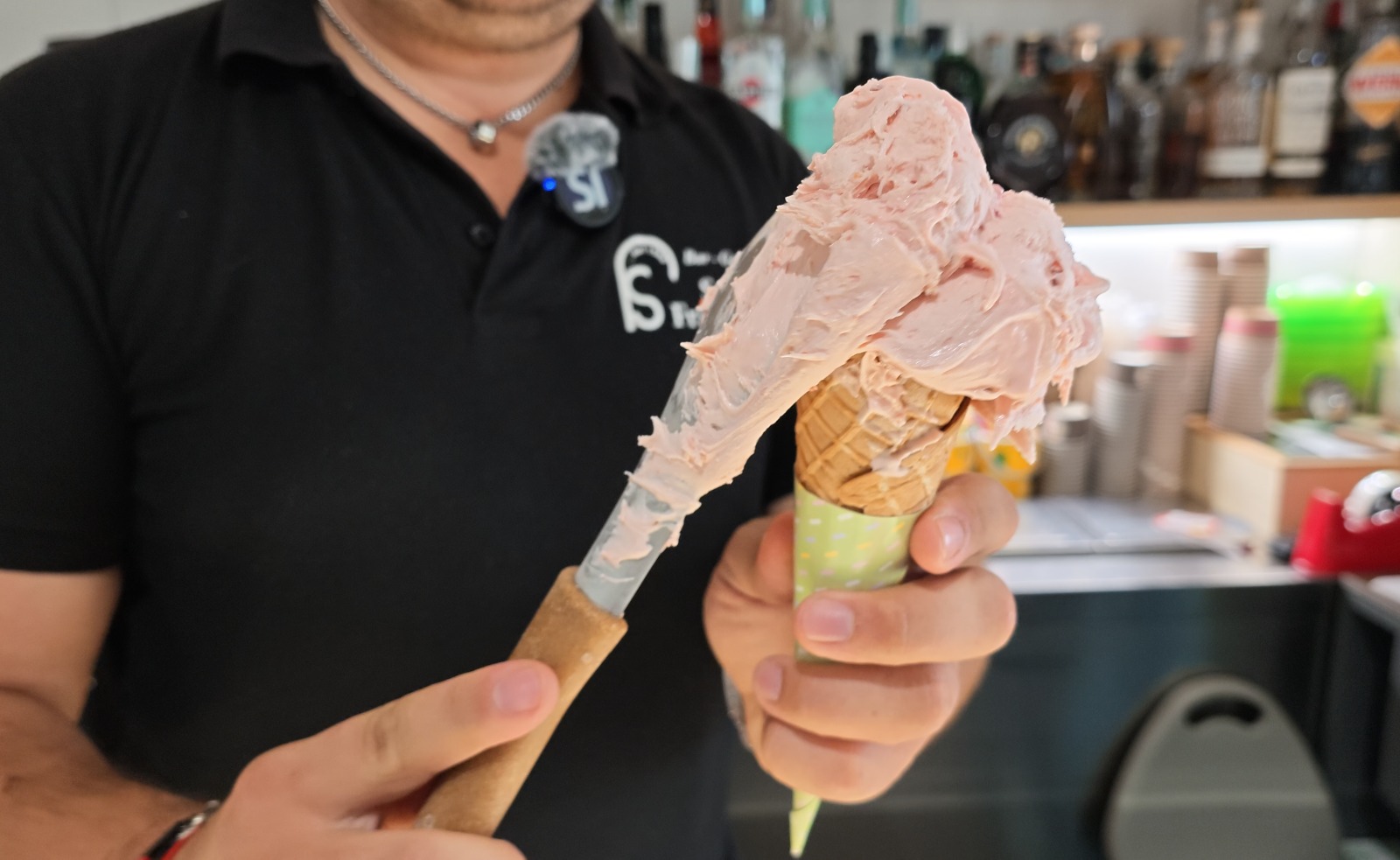 Gusto manna o porcino? Torna il Festival del gelato madonita23 luglio 2026
 Al via Le Notti di BCsicilia: 50 eventi per valorizzare il territorio22 luglio 2025
 Nelle Madonie corsi di formazione gratis per operatori turistici11 giugno 2014