Adagiata sui rilievi sud-occidentali della Città Metropolitana di Palermo, Contessa Entellina svetta a oltre 500 metri sul versante settentrionale della valle del Belice, tra i boschi di lecci del Monte Genuardo e le terrazze colme di vigne.
Questo borgo, che i suoi abitanti chiamano con orgoglio Kuntisa, rappresenta la più antica comunità albanese (arbëreshë) d'Italia. La sua storia inizia attorno al 1450, quando un primo nucleo di soldati albanesi (stradioti) si insediò presso il preesistente e quasi disabitato Casale di Contessa. La fondazione vera e propria, tuttavia, si consolidò nel 1520, quando i capitoli ufficiali concessero queste terre a profughi in fuga dall'avanzata ottomana, provenienti dall'Albania e dall'isola greca di Andros. Qui, da oltre cinque secoli, sopravvivono la lingua arbëreshe, le consuetudini bizantine e la suggestiva melodia della liturgia greco-cattolica.
Dal paese, un sentiero si inerpica fino alla Rocca di Entella, sperone roccioso che custodisce le vestigia di una città elima del VI secolo a.C., poi divenuta presidio cartaginese, roccaforte araba e ultimo bastione della resistenza musulmana alla riconquista normanna. All'interno del borgo, il cuore spirituale è la Chiesa Madre dei Santi Nicolò e Maria Annunziata, eretta nel Cinquecento. Dietro la facciata severa, si apre un'aula basilicale impreziosita da una splendida iconostasi lignea dorata e da icone su fondo oro, emblema dell'identità cattolico-orientale della comunità. Meritano una sosta anche il Santuario di Maria SS. della Favara e l'antica Abbazia di Santa Maria del Bosco.
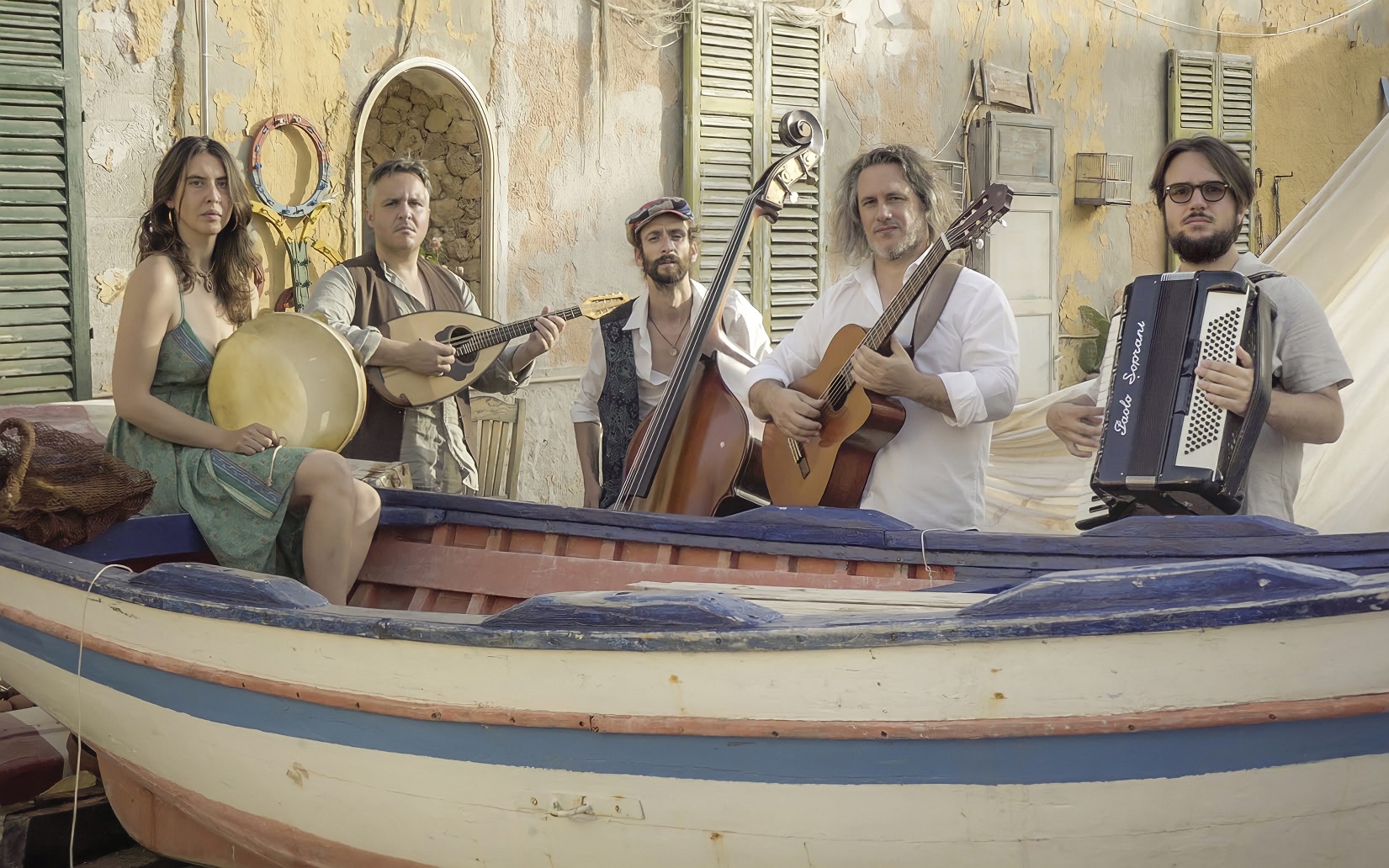
La vitalità culturale di Contessa Entellina esplode nelle feste che punteggiano l'anno. A Pasqua, la processione dell'Epitafio avanza tra canti in greco e profumo d'incenso, mentre a settembre, per la Madonna della Favara, il simulacro attraversa il borgo tra danzatori in costume arbëreshë. In ogni ricorrenza riecheggia l'antica parlata albanese. Nei giorni solenni, le donne indossano costumi tradizionali come la xhubleta ricamata e la fasquka di velluto, creando un caleidoscopio di colori che fa da sfondo a canti polifonici e balli circolari.
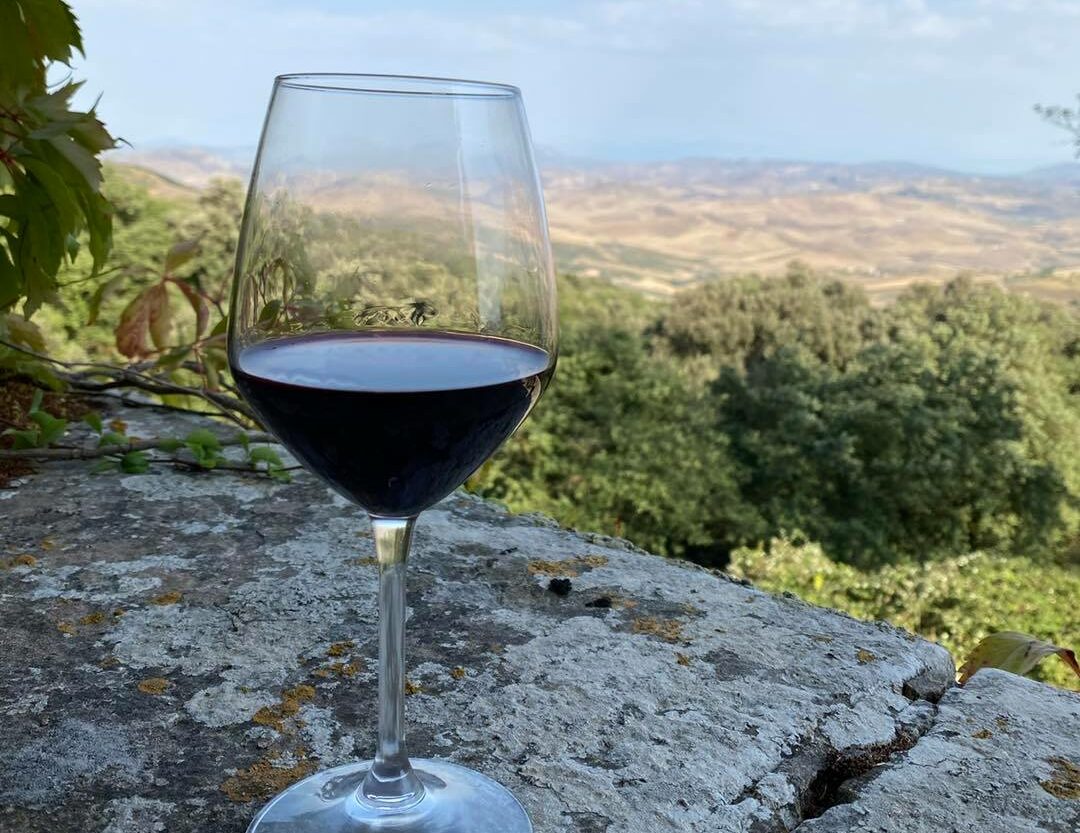
Le imprese locali di Contessa Entellina rappresentano il cuore pulsante di una comunità che ha saputo coniugare radici profonde e spirito di adattamento. L’agricoltura è il settore trainante, grazie a un territorio fertile che produce eccellenze riconosciute, prima tra tutte il vino. Le cantine, spesso a conduzione familiare, hanno reso questa zona celebre, ottenendo la prestigiosa denominazione Contessa Entellina DOC. Lavorando vitigni autoctoni come l'Ansonica (Inzolia) e internazionali come lo Chardonnay, offrono etichette apprezzate in tutto il mondo. Queste aziende, come le rinomate Donnafugata o Di Giovanna, non si limitano alla produzione, ma promuovono attivamente il territorio con degustazioni, visite guidate e attività di enoturismo.
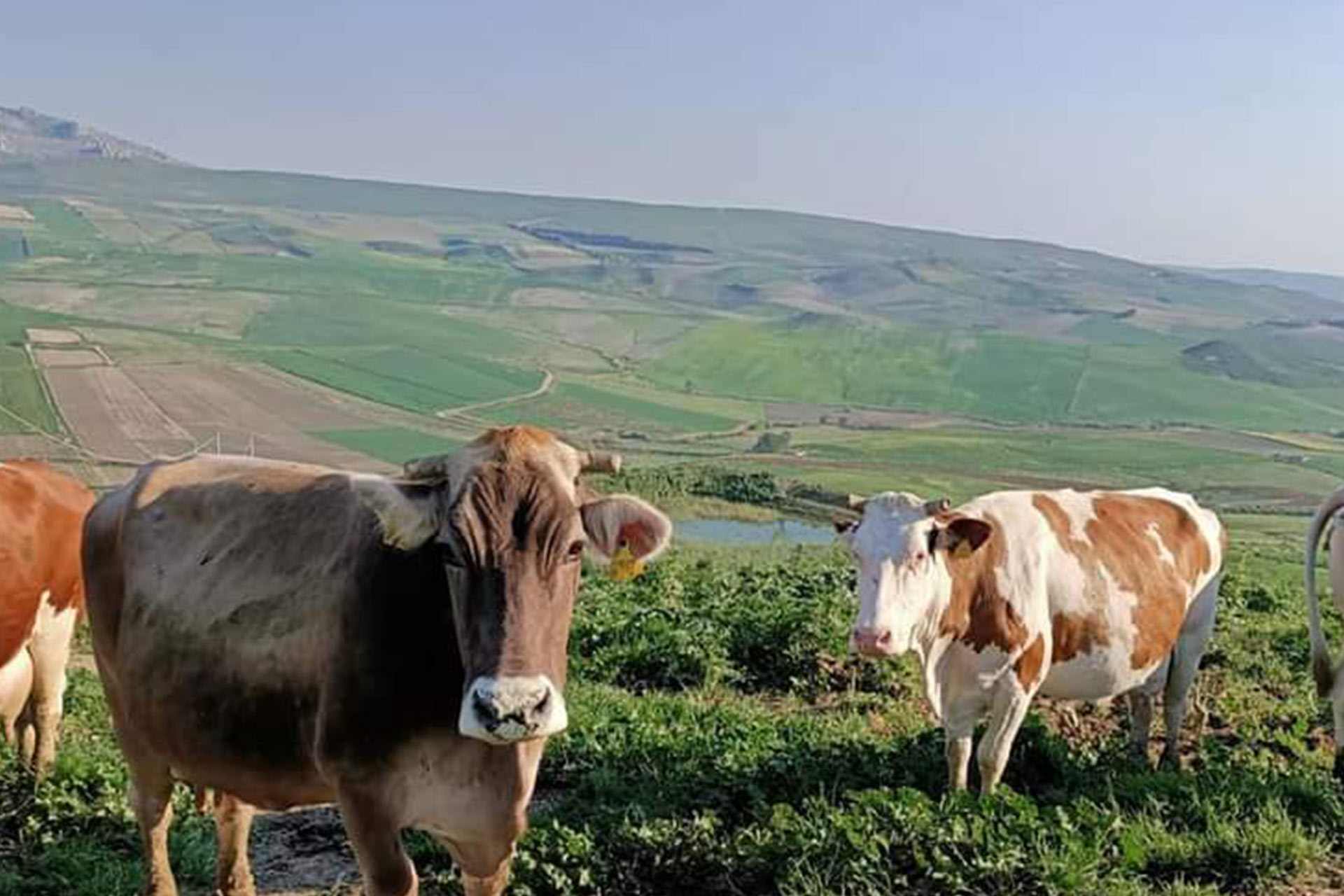
Accanto al vino, l'agricoltura locale vanta altre gemme. Aziende biologiche come Terre di Entella e Filari Della Rocca coltivano con passione olio extravergine d'oliva, mandorle e, soprattutto, grani antichi siciliani. Varietà come Tumminia, Maiorca e Perciasacchi, riscoperte dalle generazioni più giovani, vengono trasformate in farine e paste dal sapore unico. Anche la zootecnia è un fiore all'occhiello, con caseifici come Costiere che lavorano il proprio latte crudo per produrre formaggi pecorini e latticini di alta qualità.
L'artigianato locale custodisce i saperi della tradizione arbëreshë. Piccole botteghe portano avanti l'arte della tessitura, del ricamo e della lavorazione della filigrana d'argento, con cui si creano i gioielli tradizionali per le cerimonie e le feste. I panifici sfornano pane cotto a legna con farine locali, mentre i laboratori dolciari trasformano le mandorle e i prodotti della terra in conserve e specialità tramandate da generazioni.
L'accoglienza turistica, pur discreta, è in crescita. Agriturismi e B&B ricavati da antichi casali offrono un'esperienza autentica, permettendo ai visitatori di partecipare a raccolte stagionali, laboratori di cucina o passeggiate tra i vigneti. Questo tessuto imprenditoriale, semplice ma tenace, è fortemente radicato nella cultura locale e orientato a valorizzare il territorio in modo sostenibile, trasformando i frutti della terra nell'oro di Contessa Entellina.
Il territorio di Contessa Entellina, con una popolazione di 1473 abitanti nel 2023, si presenta come un luogo di dimensioni contenute ma con un'ampia superficie territoriale di 136,4759 kmq. La distribuzione di genere è equilibrata, con 720 maschi e 753 femmine. La presenza di stranieri è minima, con soli 12 individui.
Dal punto di vista abitativo, le abitazioni occupate al 31 dicembre 2021 sono 684, mentre quelle non occupate sono 788, per un totale di 1472 abitazioni. Le strutture ricettive sono limitate, con un solo agriturismo e un b&b, per un totale di 20 posti letto disponibili.
Le fasce altimetriche del territorio mostrano una predominanza di aree comprese tra i 300 e i 599 metri sul livello del mare, che costituiscono il 50,58% dell'area totale, seguite dalle fasce tra i 600 e i 899 metri (15,22%) e tra i 900 e i 1199 metri (4,24%). Dal punto di vista turistico, il territorio di Contessa Entellina offre poche opportunità di investimento nel settore alberghiero, ma potrebbe attrarre turisti interessati a esperienze di turismo rurale e enogastronomico, data la presenza di un agriturismo e un b&b. Inoltre, la presenza di un patrimonio culturale da valorizzare potrebbe attrarre visitatori interessati alla storia e alla tradizione del luogo.
Le criticità del territorio potrebbero essere rappresentate dalla limitata presenza di strutture ricettive e dalla scarsa diversificazione dell'offerta turistica. Tuttavia, la dimensione contenuta e la tranquillità del luogo potrebbero rappresentare un'opportunità per investimenti nel settore immobiliare, ad esempio per la creazione di residenze turistiche o case vacanza.
In conclusione, il territorio di Contessa Entellina si presenta come un luogo con potenzialità di sviluppo nel settore turistico e immobiliare, grazie alla sua dimensione contenuta, alla presenza di un patrimonio culturale e alla tranquillità del contesto. Gli investitori interessati a esperienze di turismo rurale e enogastronomico potrebbero trovare in questo territorio delle opportunità interessanti da esplorare.
Contessa Entellina offre ai visitatori un viaggio autentico nel cuore della Sicilia, arricchito da un’anima albanese che si respira in ogni angolo del paese. Il borgo, incastonato tra colline e vigneti, si distingue per il suo impianto urbano raccolto, con stradine in pietra, archi medievali e case dal sapore antico.
Il patrimonio religioso è uno dei tesori più preziosi. L'attrazione principale è la Chiesa Madre dedicata alla Santissima Annunziata e a San Nicolò, edificata nel 1520 e cuore della parrocchia di rito greco-bizantino. Al suo interno, la splendida iconostasi lignea dorata, le icone e l'impronta della liturgia orientale catturano l'attenzione per la loro bellezza e il profondo significato culturale. A pochi passi si trova il complesso monumentale dell'Abbazia di Santa Maria del Bosco, un'altra tappa imperdibile. La spiritualità del luogo si rafforza durante le celebrazioni, quando la lingua arbëreshëe i canti bizantini creano un’atmosfera unica.
A pochi chilometri dal centro, la Rocca di Entella offre uno spettacolo straordinario per gli amanti della storia e della natura. Qui, tra rovine antiche e panorami mozzafiato, si trovano i resti di una città elima fortificata, poi presidio arabo e normanno. I reperti rinvenuti nel sito, tra cui le celebri tavolette bronzee dei "Decreti di Nakone", sono custoditi nell'Antiquarium Comunale, che offre una panoramica completa sulla storia millenaria del territorio.
Per chi ama la natura, i dintorni sono un intreccio di sentieri: colline coltivate, boschi di lecci e macchia mediterranea si alternano a terrazze vitate e uliveti secolari. Le escursioni possono condurre fino alle rovine del Castello di Calatamauro, che domina la vallata offrendo un'altra immersione nel passato. Durante l'anno, le feste patronali e le sagre animano il paese con musiche, costumi arbëreshë e specialità gastronomiche.
Contessa Entellina accoglie il viaggiatore con un mix unico di storia, cultura e natura, offrendo un'esperienza di turismo lento e consapevole, profondamente radicata nella tradizione.
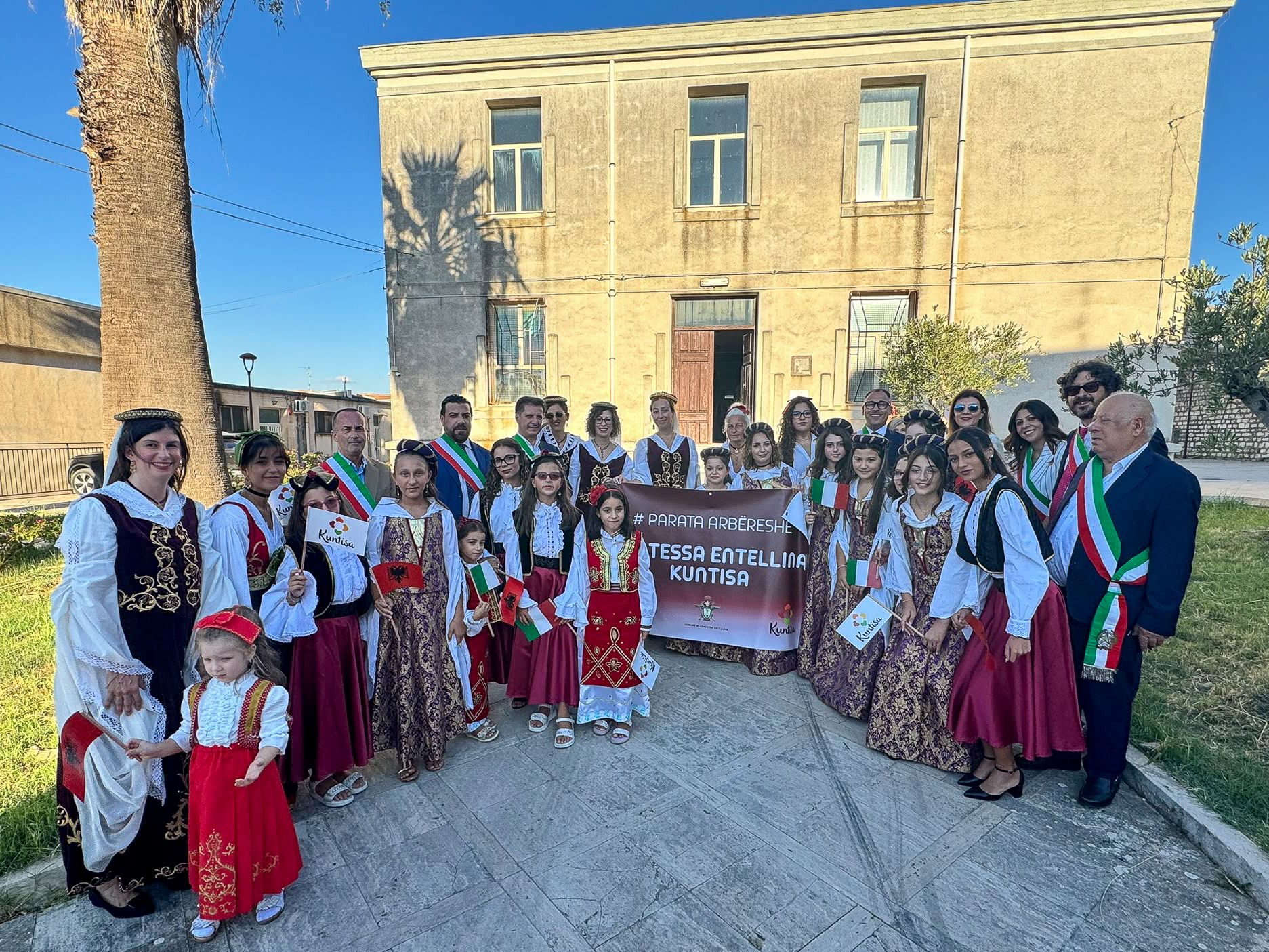 Contessa Entellina capitale dell’identità arbëreshe07 settembre 2026
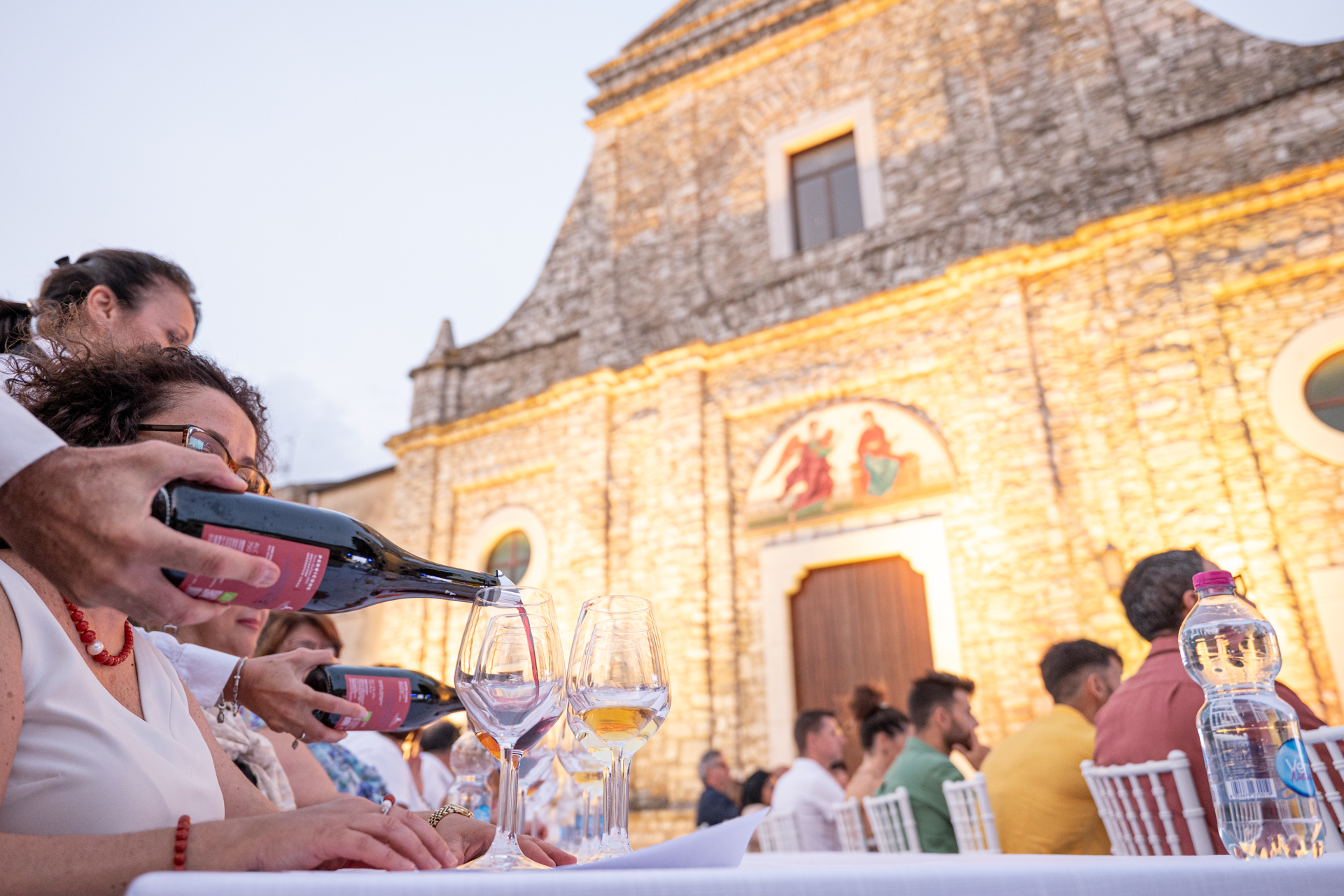 Successo a Contessa Entellina per il Terre Sicane Wine Fest28 luglio 2026
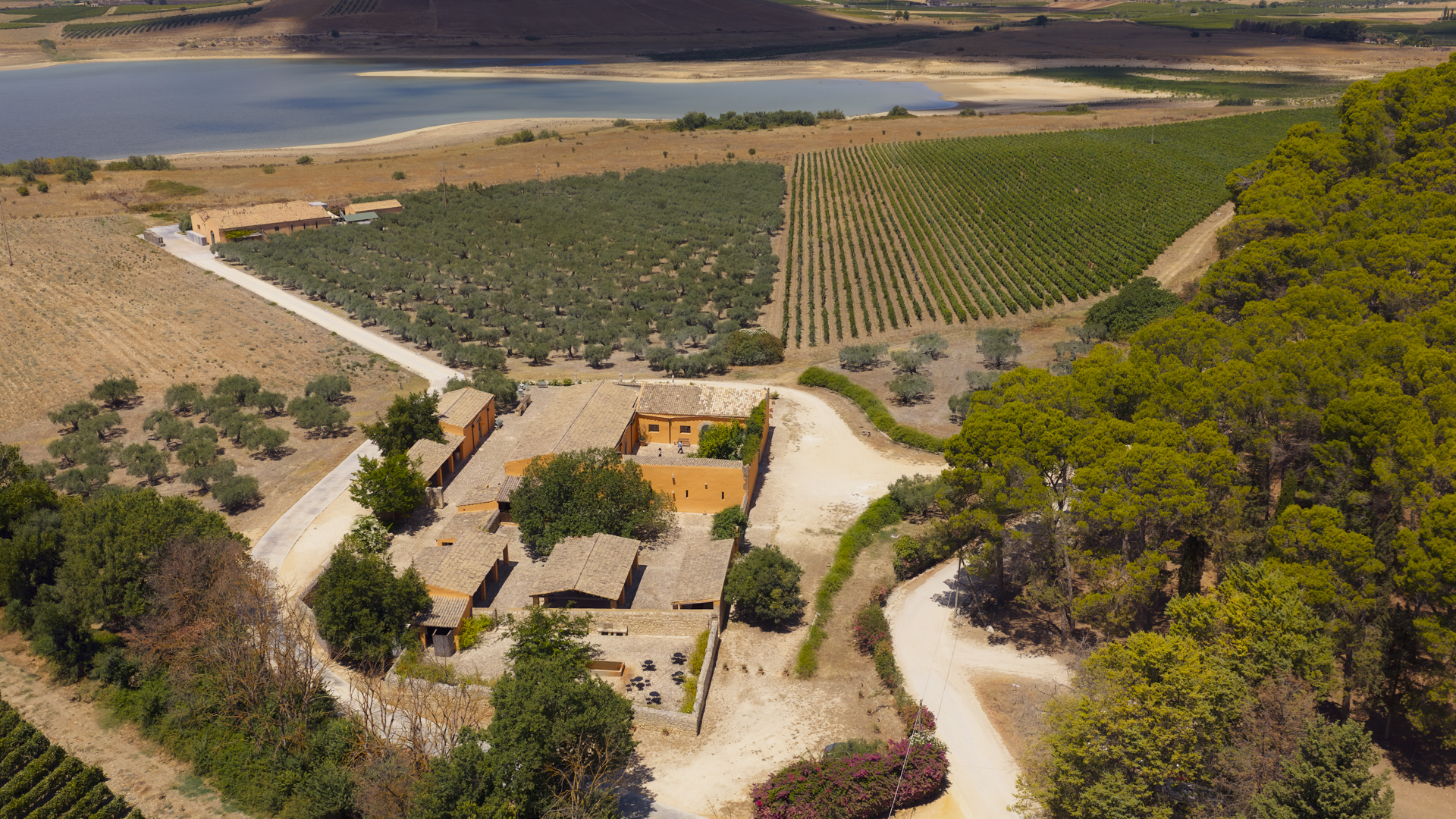 Torna il Terre Sicane Wine Fest, così Contessa Entellina celebra il territorio16 luglio 2026
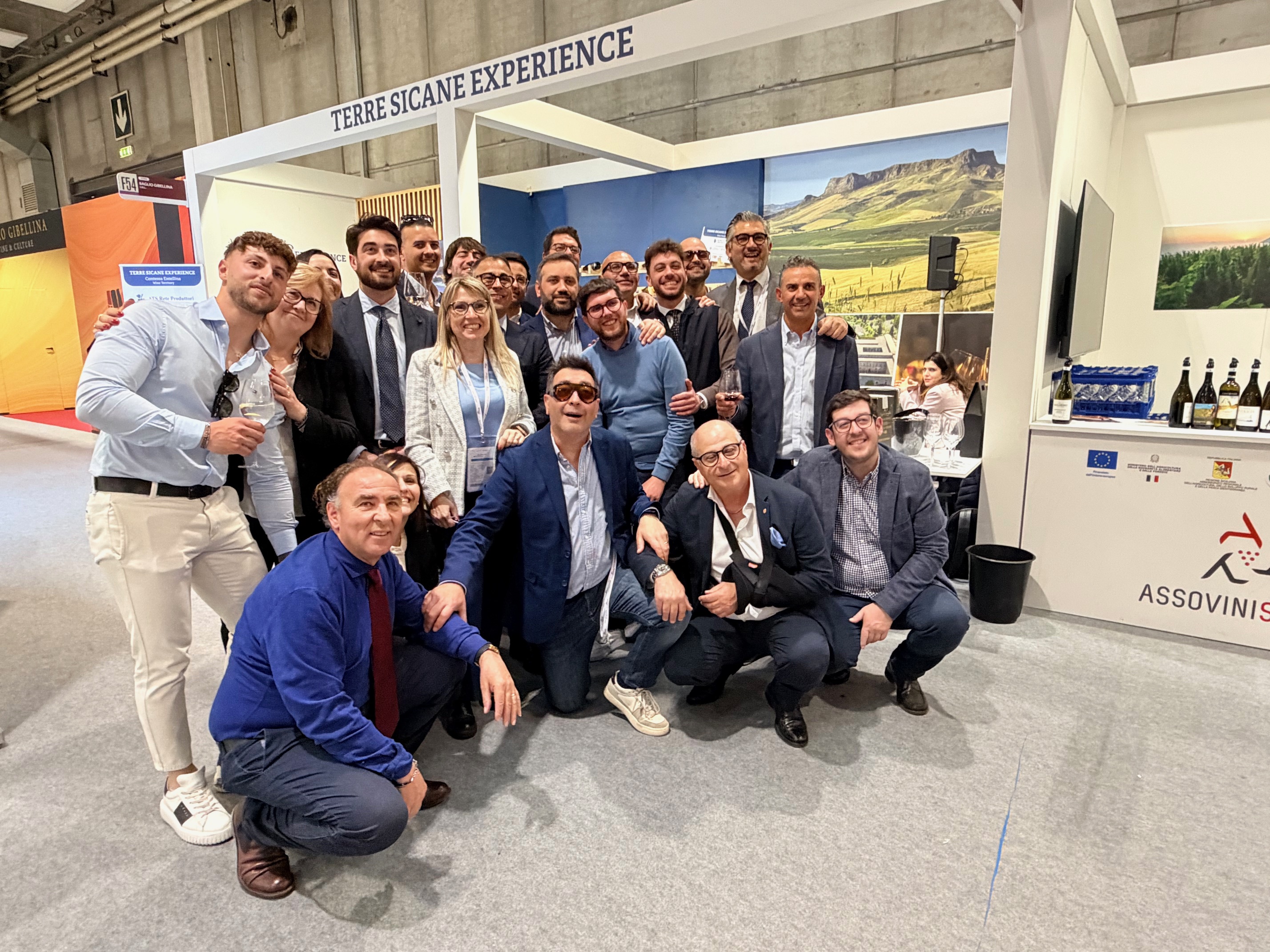 Terre Sicane nuova wine destination tra vigne e borghi23 aprile 2026
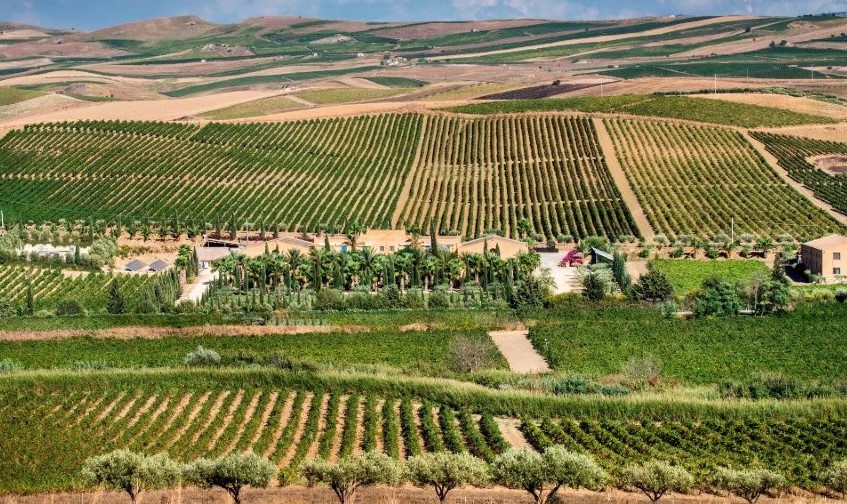 Terre Sicane Wine Fest torna a fine luglio16 luglio 2025
 Contessa Entellina in vetrina a Palermo con le sue eccellenze10 dicembre 2022
 A Contessa Entellina ANNOD-Omini fest: teatro, percorsi, narrazioni e laboratori03 novembre 2022
 Tre borghi e tre grandi donne del passato: al via festival itinerante13 ottobre 2022
 Località turistiche del trapanese sold out per i ponti di primavera19 aprile 2022
 Il vino ambasciatore del territorio, successo del Terre Sicane Wine Fest25 agosto 2021