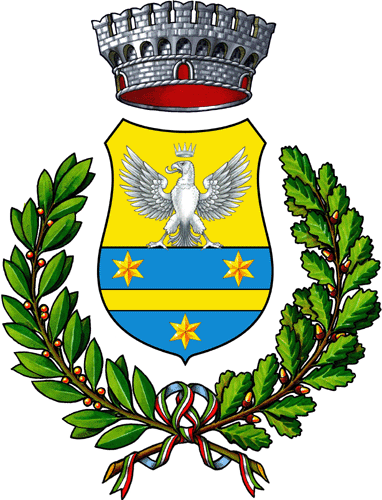
Isnello is a charming village in the Madonie Mountains, located in the Metropolitan City of Palermo and immersed in the natural setting of the Madonie Park. Perched on a hill approximately 530 meters above sea level, it opens onto a captivating mountain landscape, characterized by woods, lush vegetation, and pristine environments. The municipal area, covering approximately 50 km², encompasses diverse ecosystems, including oak, chestnut, and beech forests typical of the Madonie area.
The village's origins date back to the Middle Ages, although the area has been inhabited since prehistoric times. Its name is linked to the Isnello River, which flows through the area and was once an essential resource for local agriculture. Over time, the town was part of various fiefdoms and ruled by various noble families, who influenced its urban and cultural development.
The historic center retains an authentic layout, featuring narrow alleys, stone stairways, and traditional architecture. Among the main religious buildings, the Mother Church of San Nicola di Bari stands out. Built between the 14th and 15th centuries and subsequently modified, it houses valuable works of art, including Baroque altars, wooden sculptures, and sacred paintings.
Another distinctive feature of the area is its connection to science and astronomy: the Madonie Astronomical Park, which includes the Gal Hassin scientific research and dissemination center, is located in the area. This center, dedicated to the study of the heavens and the universe, represents an important scientific and cultural hub, attracting scholars and visitors.
Life in the village is marked by religious and popular traditions, including the patron saint's day, San Nicola, characterized by processions, musical events, and convivial gatherings. The local cuisine reflects the simplicity of the region, with dishes rooted in rural tradition and authentic local produce.
Despite the challenges of depopulation, Isnello maintains a strong cultural identity and a deep connection to its past, standing out as an example of how to enhance the natural and historical heritage of the Madonie.
 Associazione: Anci Sicilia
→
Associazione: Anci Sicilia
→
 Gruppo di Azione Locale: GAL Madonie
→
Gruppo di Azione Locale: GAL Madonie
→
 Parco: Parco delle Madonie
→
Parco: Parco delle Madonie
→
 Unione di Comuni: Unione dei comuni delle Madonie
→
Unione di Comuni: Unione dei comuni delle Madonie
→
The business landscape of the municipality of Isnello is characterized by a strong local identity, with activities that leverage the area's natural, cultural, and traditional resources.
Agricultural businesses constitute a significant part of the economy, with family-run farms cultivating vegetables, olive trees, and vineyards, as well as raising livestock for the production of typical cheeses and local meats. These activities are often carried out using traditional methods, maintaining a strong connection to the land and ancient practices passed down through generations.
Alongside the primary sector, local crafts also play an important role. Carpenters, blacksmiths, bricklayers, and other small artisans continue to provide essential services to the community, with skills that blend seamlessly with the village's architectural and cultural style. The restaurant and hospitality sector is growing, thanks in part to the growing interest in nature and cultural tourism: restaurants, pizzerias, agritourisms, and bed & breakfasts offer traditional dishes prepared with local ingredients, offering a warm and authentic welcome.
There is also no shortage of small service-related businesses, such as grocery stores, bars, hairdressers, technical studios, and professional businesses that ensure the daily functioning of local life. The collaborative climate between the various businesses fosters social cohesion and the town's economic vitality. Isnello thus presents itself as a virtuous example of an integrated local economy, which despite its modest size manages to support the community, promote local culture, and offer development opportunities linked to sustainability and the valorization of the environmental and human heritage.
The Isnello area, with a population of 1,283 in 2023, is a small town with a large surface area of approximately 51 square kilometers. The gender distribution shows a slight predominance of women over men, with 668 females and 615 males. The presence of foreigners is limited, with only 93 individuals.
Regarding housing, in 2021 there were 672 occupied homes and 997 unoccupied, for a total of 1,669 units. Accommodation facilities are almost entirely absent, with no hotels or significant tourist facilities. However, there are two non-hotel establishments, including a B&B with 4 beds and a rental property managed as a business with 10 beds, for a total of 14 beds available in the area.
The elevation ranges are varied, with a predominance of elevations between 600 and 1,199 meters above sea level. This could represent an opportunity for the development of activities related to nature tourism and hiking, taking advantage of the area's geographic and morphological characteristics.
Despite the lack of high-end accommodations, the presence of an interesting cultural and landscape heritage could attract investment in the tourism and real estate sectors. Furthermore, the limited population could favor the creation of services dedicated to an exclusive clientele seeking quiet and authentic places.
In conclusion, despite the challenges related to the lack of tourism infrastructure, the Isnello area offers interesting investment opportunities for those seeking authentic and pristine places, with potential for development in the real estate, tourism, and cultural sectors. Its geographical location and natural characteristics make it a unique place, potentially attracting niche and sustainable tourism.
Isnello, a charming village located in the heart of Sicily's Madonie National Park, offers visitors an authentic experience immersed in nature, history, and local traditions.
The town, perched on a mountain slope, retains an intimate and welcoming atmosphere, characterized by narrow streets, stone houses, and breathtaking panoramic views. One of the main attractions is the historic center, home to the Mother Church of San Nicolò, with its imposing bell tower and interior rich in sacred artwork, and the Church of the Rosary, home to ancient frescoes and Baroque decorations.
Isnello is also known for its strategic location, offering splendid views of the surrounding mountains and the distant sea.
One of the most fascinating places is undoubtedly the Madonie Astronomical Park, a modern facility that combines science and education. Located near the town, it allows visitors to explore the starry sky through telescopes, planetariums, and educational tours, attracting astronomy enthusiasts from all over Sicily. For nature lovers, the trails surrounding Isnello offer hiking opportunities through woods, streams, and limestone caves, offering moments of tranquility and direct contact with the mountain environment.
Isnello also fascinates with its folk traditions, religious festivals, and seasonal fairs that enliven the village throughout the year. These events offer an opportunity to discover the local culture, taste typical products, and experience moments of authentic conviviality. The combination of natural beauty, historical heritage, and folk culture makes Isnello an ideal destination for those wishing to discover a lesser-known yet profoundly fascinating Sicily.
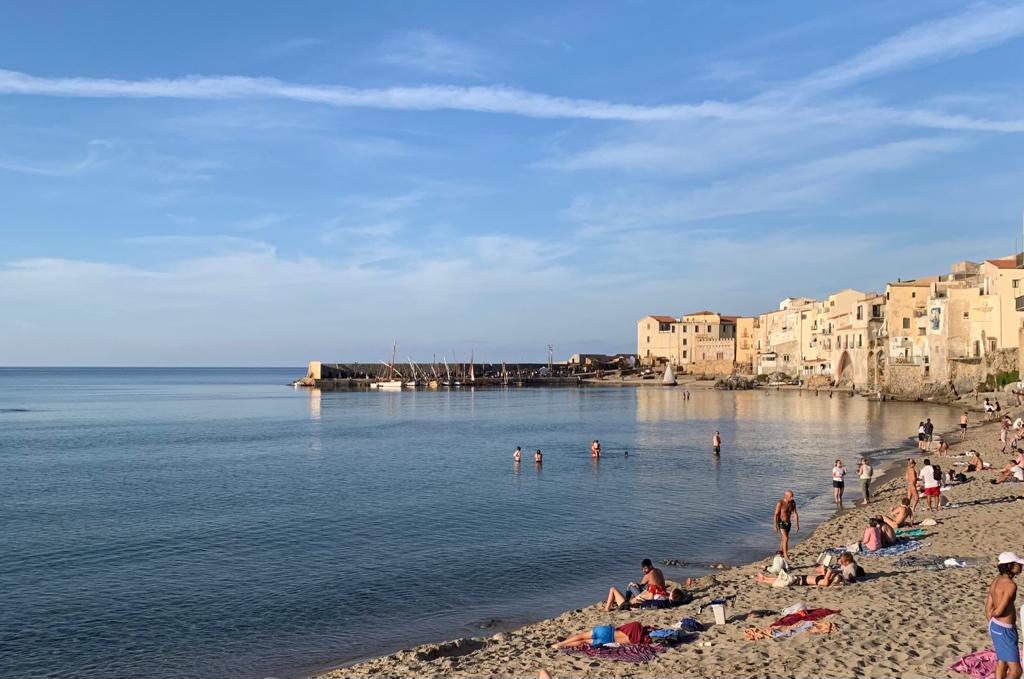 Cefalù e le Madonie Autentiche, il progetto spiegato a cittadini e operatori19 settembre 2026
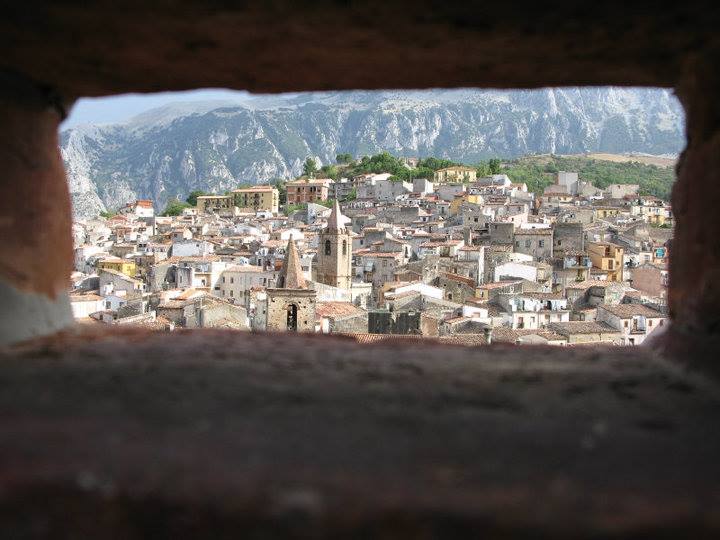 Madonie, Isnello punta tutto sull’ospitalità diffusa20 gennaio 2023
 Giornate FAI Autunno: 3 siti per scoprire Palermo dall’alto11 ottobre 2022Al via il calendario di eventi estivi del Comune di Isnello06 agosto 2022
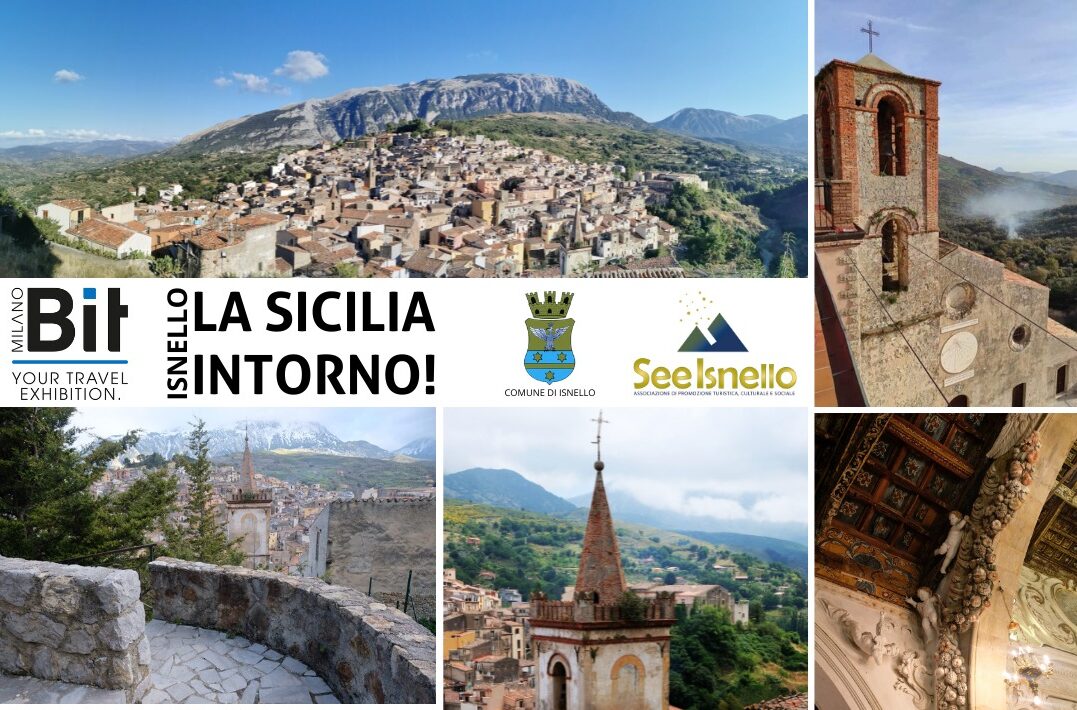 Isnello con Madonie Travel Service a Bit 202209 aprile 2022
 Astroturismo, Isnello conquista il certificato di ‘Stellar Park’16 novembre 2021
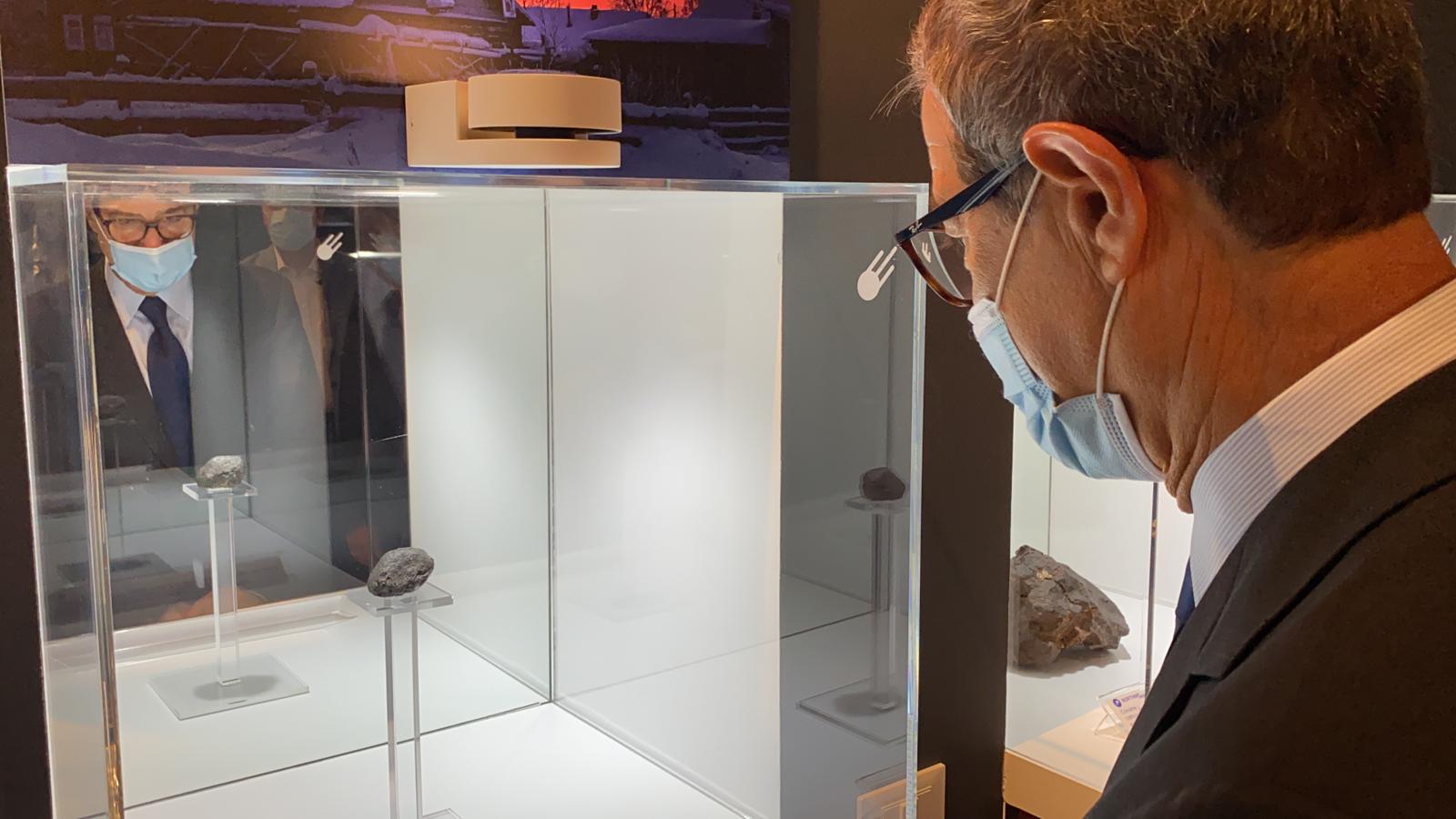 Regione finanzia interventi per Parco astronomico Isnello09 ottobre 2021
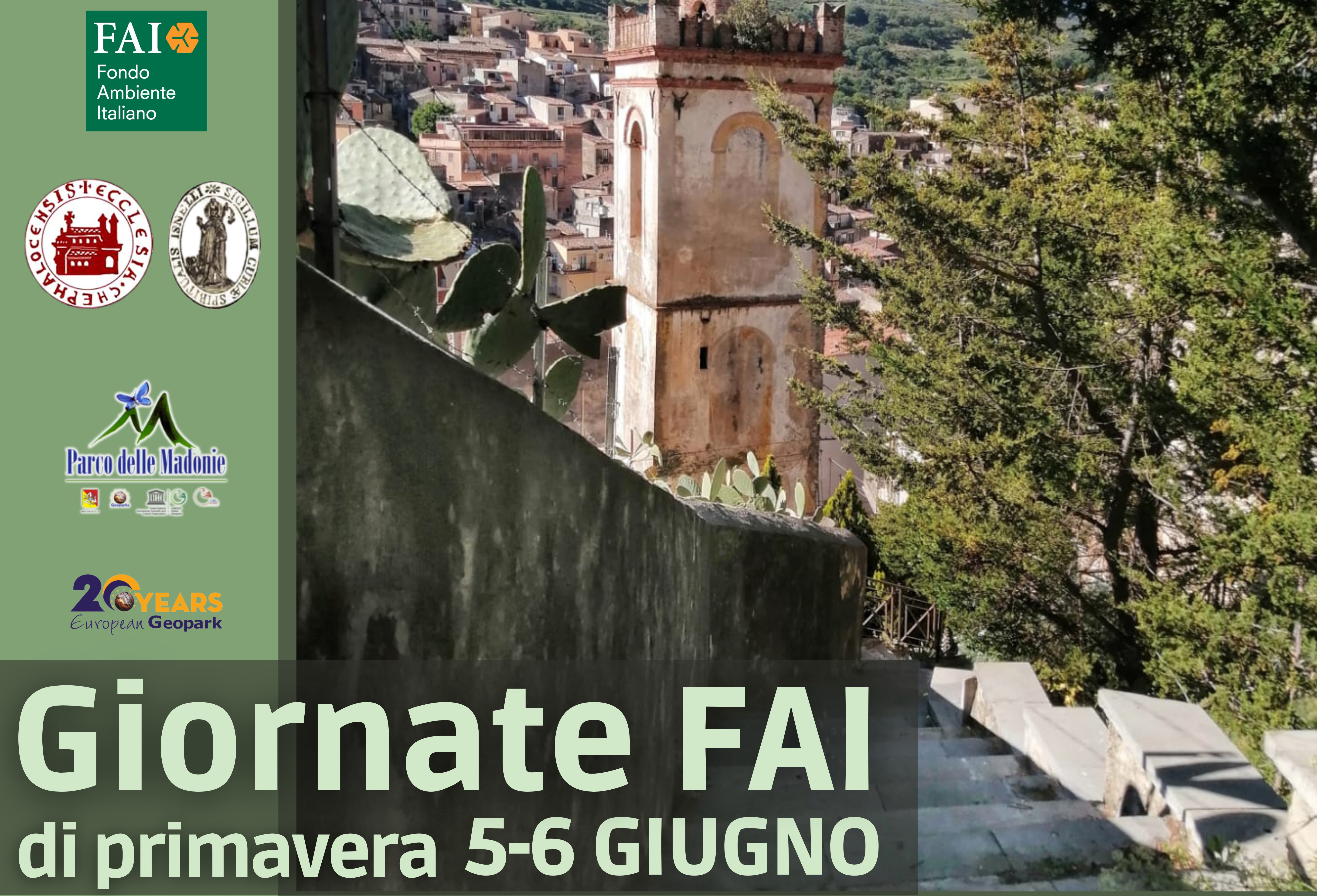 Isnello partecipa alle Giornate di Primavera Fai con 2 percorsi esperienziali05 giugno 2021
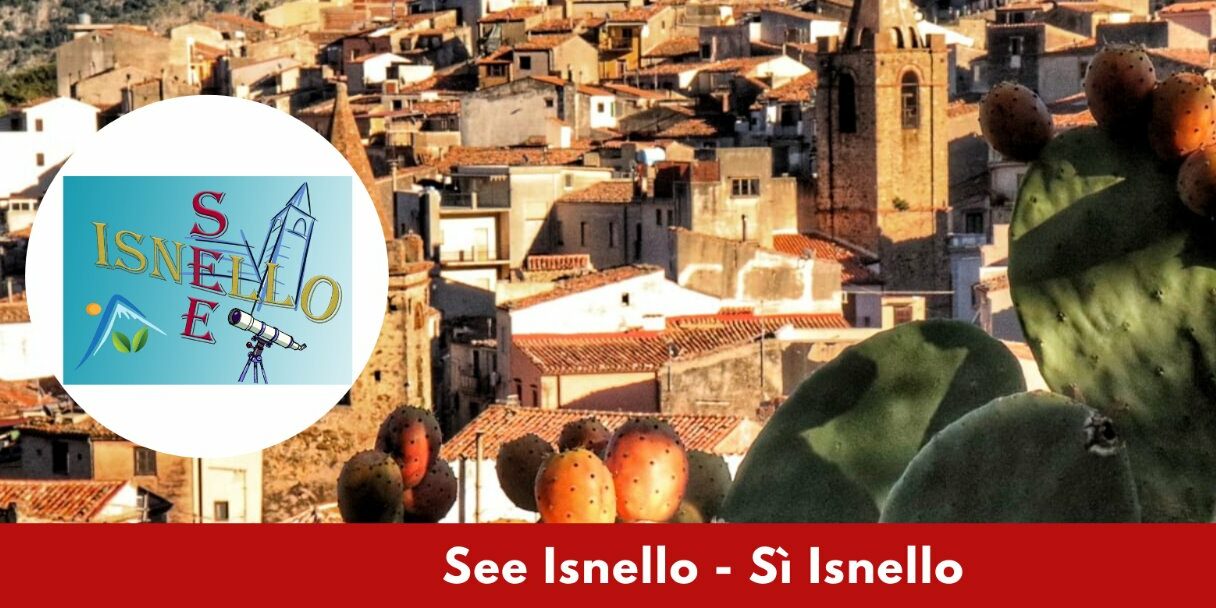 Nasce See Isnello, il nuovo progetto di promozione turistica del comune madonita28 luglio 2020
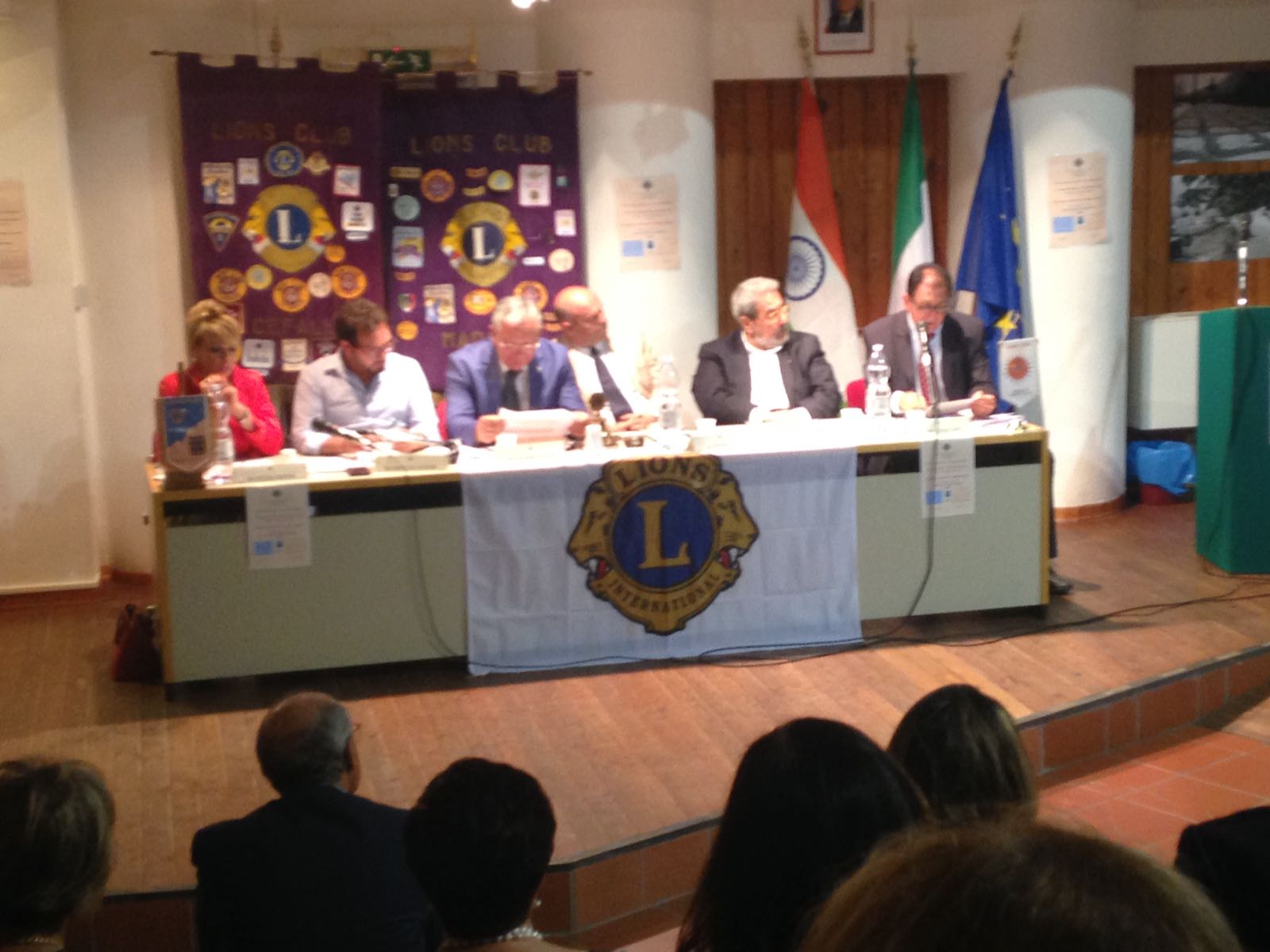 I Lions ad Isnello: il Parco Astronomico attrattore turistico per tutta la Sicilia04 luglio 2018