Petralia Soprana, in the province of Palermo and the Madonie mountain range, sits elevated above the surrounding countryside, offering sweeping views of the mountainous and rural landscape. The town sits on a hilltop offering several panoramic viewpoints, including the Loreto, Carmine, and Piazza Duomo lookouts, from which large portions of inland Sicily can be admired.
In 2018, the town was awarded the "Borgo dei Borghi" designation, a testament to the value of its historical, landscape, and cultural heritage. The "Soprana" designation distinguishes it from nearby Petralia Sottana, located at a lower altitude.
The historic center retains a traditional urban layout, with cobbled streets, stone buildings, and a rich heritage of religious and secular architecture. Among the most notable buildings are the Mother Church of Saints Peter and Paul, of Norman origin and subsequently remodeled, the Church of Santa Maria di Loreto, and the Church of the Santissimo Salvatore.
Also of particular interest are the Pottino Palaces of the Marquises of Eschifaldo, significant examples of noble architecture, one of which is dedicated to cultural activities and the other can be visited as a museum.
In the municipality, near the hamlet of Raffo, there is a still active rock salt mine, linked to the production of the so-called "Sicilian salt." The site houses the Salt Museum, which houses installations and artistic works made with this material.
The combined presence of historical, naturalistic, and productive elements defines a vibrant context, oriented towards the sustainable development of local resources.
 Associazione: Anci Sicilia
→
Associazione: Anci Sicilia
→
 Associazione: Borghi più belli d'Italia
→
Associazione: Borghi più belli d'Italia
→
 Gruppo di Azione Locale: GAL Madonie
→
Gruppo di Azione Locale: GAL Madonie
→
 Parco: Parco delle Madonie
→
Parco: Parco delle Madonie
→
 Progetto: Eco Turismo In Comune
→
Progetto: Eco Turismo In Comune
→
Petralia Soprana, one of the most representative villages in the Madonie area, boasts a network of local businesses closely tied to production traditions and the local context. The municipality's economic activities are characterized by a combination of agriculture, crafts, and tourism services, contributing to the valorization of local resources.
The agricultural sector plays a central role, with family-run businesses cultivating olive trees, citrus fruits, and seasonal produce, often using sustainable methods. These products produce extra virgin olive oil, preserves, and fruit and vegetables, a distinctive element of the local economy. Alongside these, there are small beekeeping businesses that produce honey derived from the typical mountain flowers.
The artisanal sector remains highly significant, with workshops dedicated to ceramics and woodworking. These businesses produce decorative and functional objects, an expression of traditional skills and local creativity.
At the same time, the tourism sector is represented by small-scale accommodations, including agritourisms and bed & breakfasts, which offer services geared towards experiential tourism. These businesses offer experiences tied to the local area, such as excursions, tastings, and cultural initiatives.
An additional contribution is made by associations and cooperatives committed to promoting cultural heritage through events, guided tours, and educational activities. The local system is complemented by restaurants that promote traditional cuisine, based on local ingredients and short supply chains.
Overall, the businesses of Petralia Soprana form an integrated economic network, founded on quality, local identity, and practices geared toward sustainability and the preservation of traditions.
The Petralia Soprana area, with a population of 2,905 in 2023, features a balanced demographic distribution between males and females. The municipal area, totaling 56.10 km², is characterized by a good availability of housing stock, with a significant share of vacant units (2,004 as of December 31, 2021), which could represent a potential lever for real estate recovery and development initiatives.
The presence of foreign citizens is limited, at 45 units, creating a relatively homogeneous social context but with room for integration and development.
From a tourism perspective, the accommodation offering appears limited but diversified: there is one tourist residence and two hotels, for a total of 53 beds. These are complemented by agritourism and bed & breakfasts, which highlight a shift toward forms of widespread hospitality and experiential tourism, with potential for growth in the sector.
The area's topography, with altitudes ranging from 300 to 1,199 meters above sea level, favors the development of activities related to nature tourism, hiking, and mountain landscape enjoyment. The lack of museums and structured cultural institutions can be a challenge, but also an opportunity for targeted investments in enhancing cultural heritage.
The presence of mid-range hotels, with 13 rooms rated three stars, indicates a basic level of offering that could be further developed and upgraded. The area's infrastructure and services can also provide a foundation for initiatives related to well-being and quality of life.
Petralia Soprana is an area with potential for development in tourism, real estate, and culture, thanks to its environmental characteristics, the availability of built heritage, and the potential for enhancing local resources.
Petralia Soprana, located in the heart of the Madonie Mountains in Sicily, is one of the island's most scenic and culturally significant villages. Perched on a mountain ridge, it enjoys a privileged position that affords sweeping panoramic views, from the peaks of the Madonie to the northern Sicilian coast. The well-preserved historic center features a traditional urban layout, with cobbled alleys, stone stairways, and local-style houses that contribute to a strong historical identity.
Among the main buildings of interest is the Church of Saints Peter and Paul, notable for its architectural value and the sacred artworks within. Also of particular note is the Church of Santa Maria di Loreto, renowned for its decorated portal and historic frescoes. The urban fabric is enriched by the widespread presence of chapels, votive shrines, and historic fountains, testimony to the religious tradition and cultural stratification of the area.
The Belvedere is one of the village's most significant vantage points, offering a sweeping view of the surrounding landscape and the town. Among the most noteworthy civic buildings is Palazzo Pottino, a historic residence that preserves elements of its local aristocratic past.
The town center is home to artisan workshops that keep local manufacturing traditions alive, particularly woodworking and ceramics. Cultural life is punctuated by traditional events, religious celebrations, and historical events, which contribute to the enhancement of the local identity.
Nestled in a stunning natural setting, Petralia Soprana also serves as a gateway for hiking in the Madonie area, making it a popular destination for tourism focused on nature, culture, and the authenticity of the area.
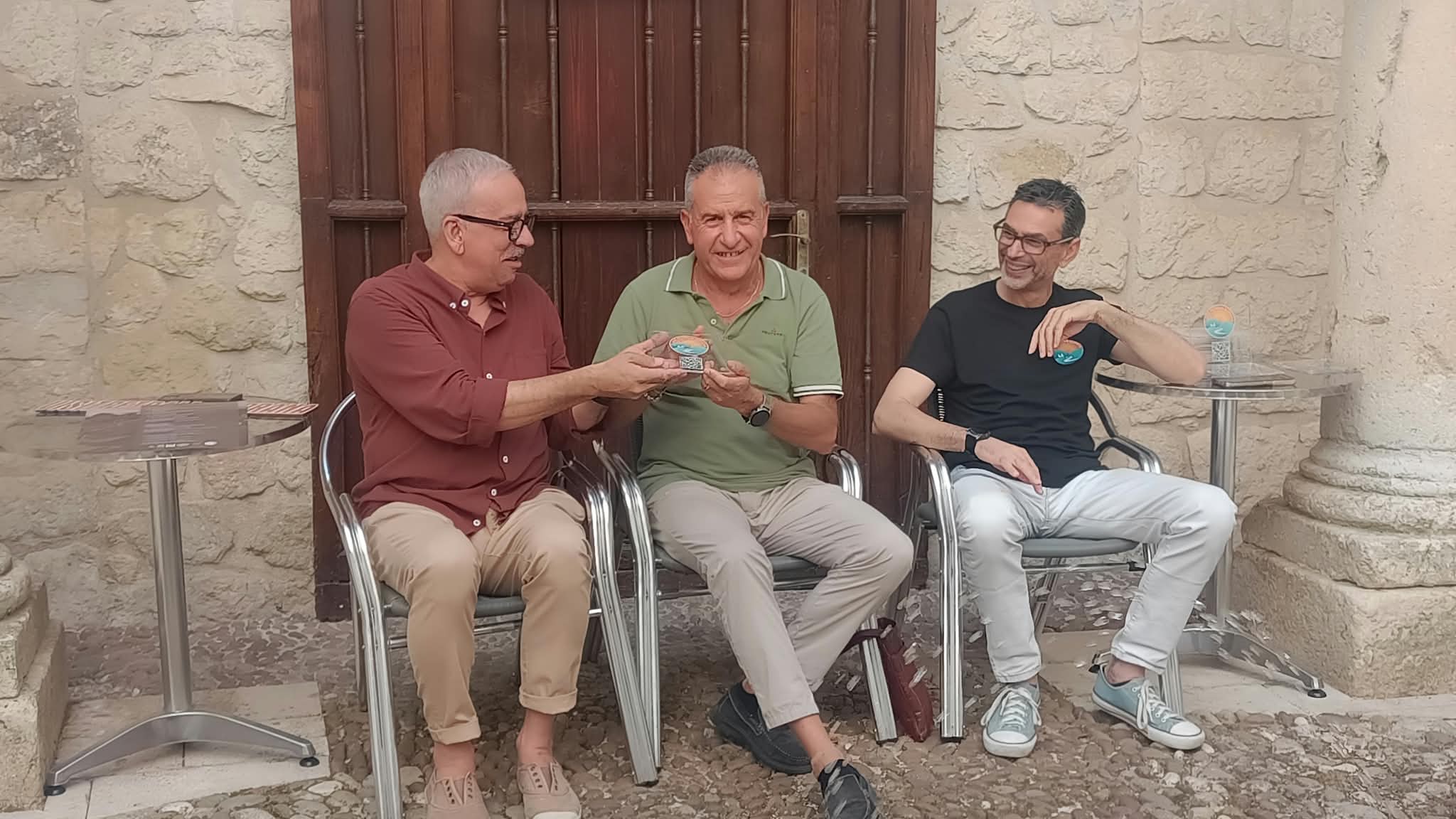 Petralia Soprana si scopre con un link: ecco l’app per vivere il borgo25 agosto 2026
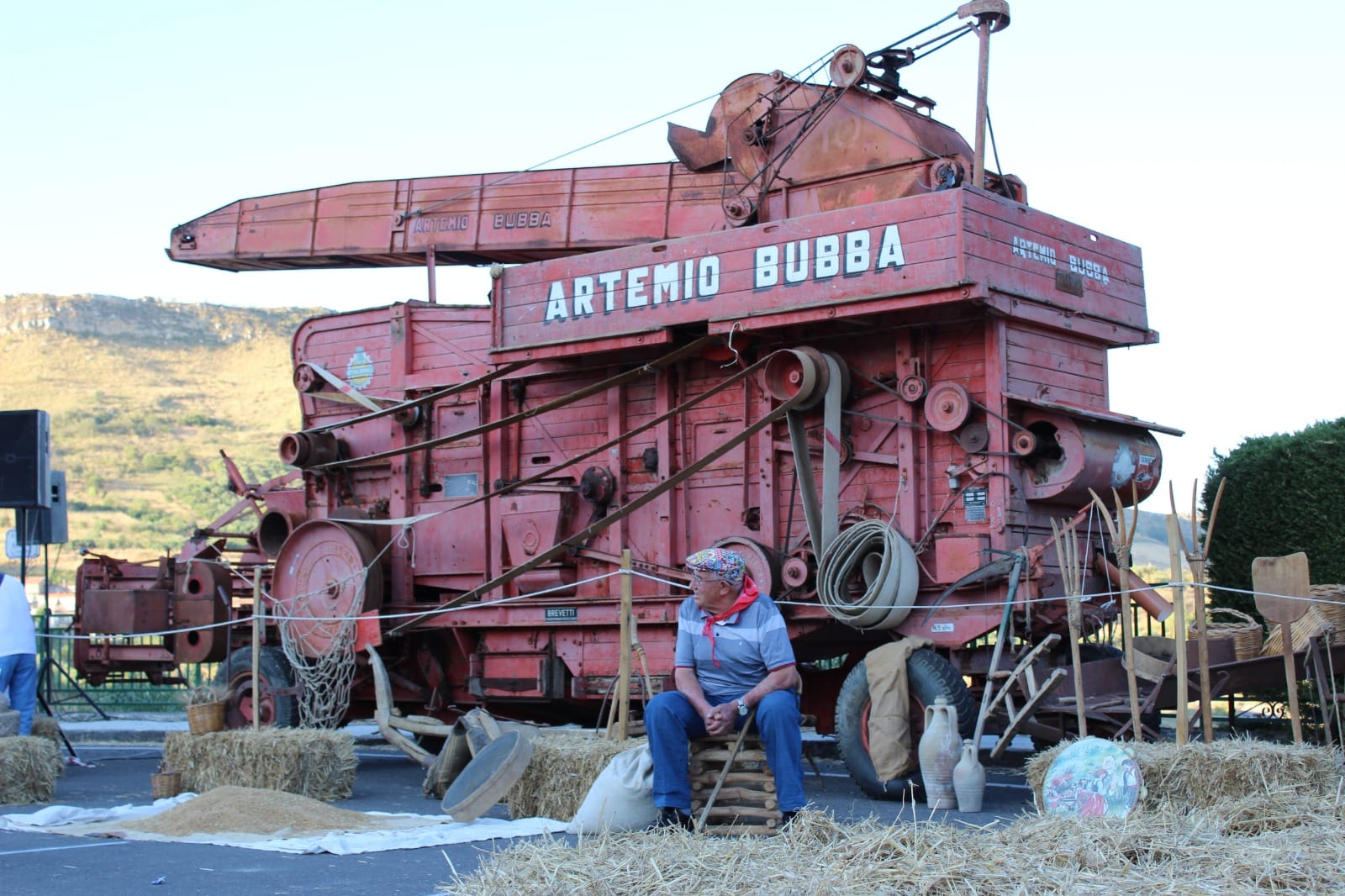 A Petralia Soprana torna la Sagra del Grano tra sapori e folklore01 agosto 2026
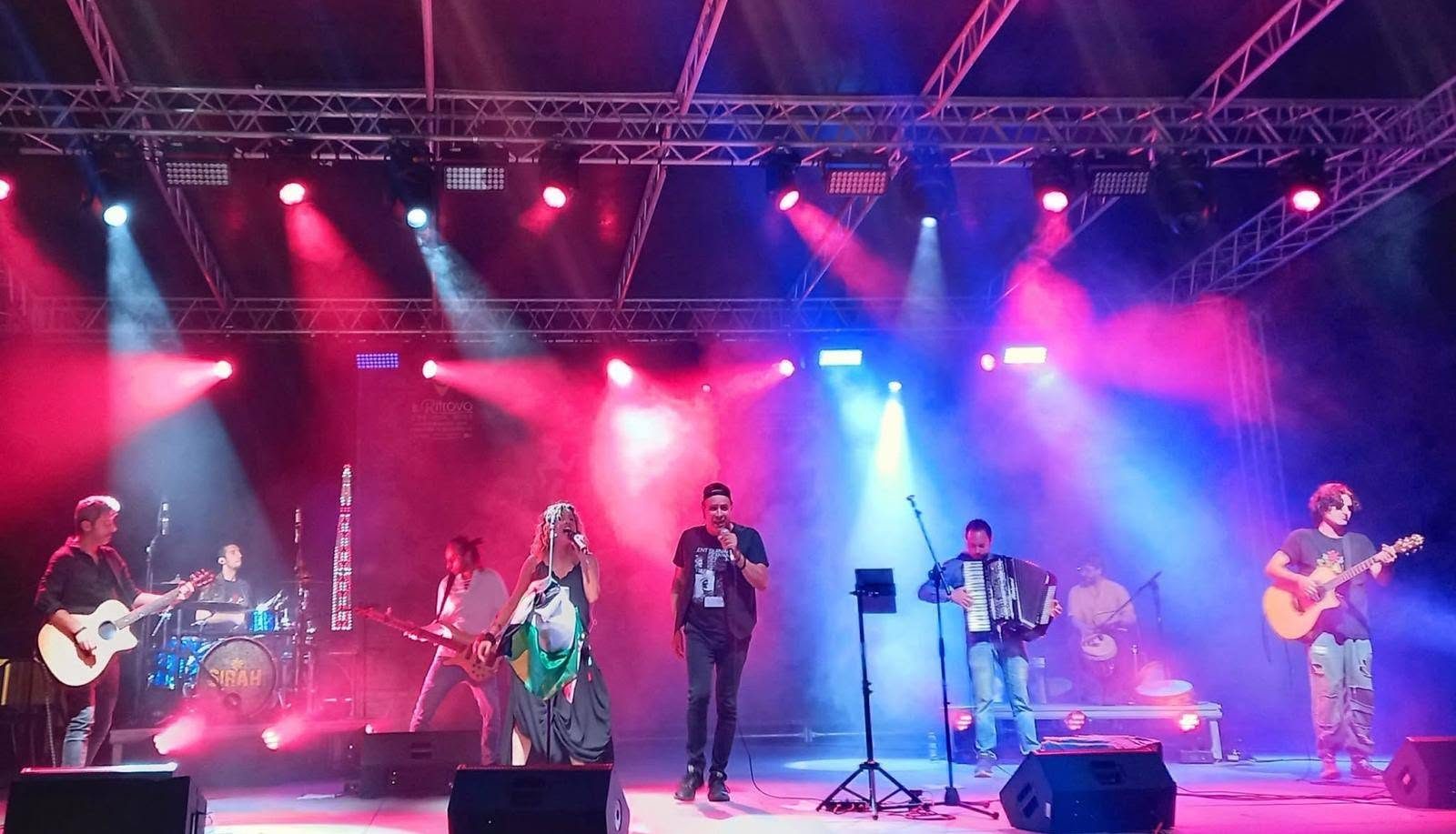 A Petralia Soprana riflettori sul futuro delle aree interne tra musica e talk21 luglio 2026
 5 serate tra natura, teatro e musica nel cuore delle Madonie17 luglio 2026
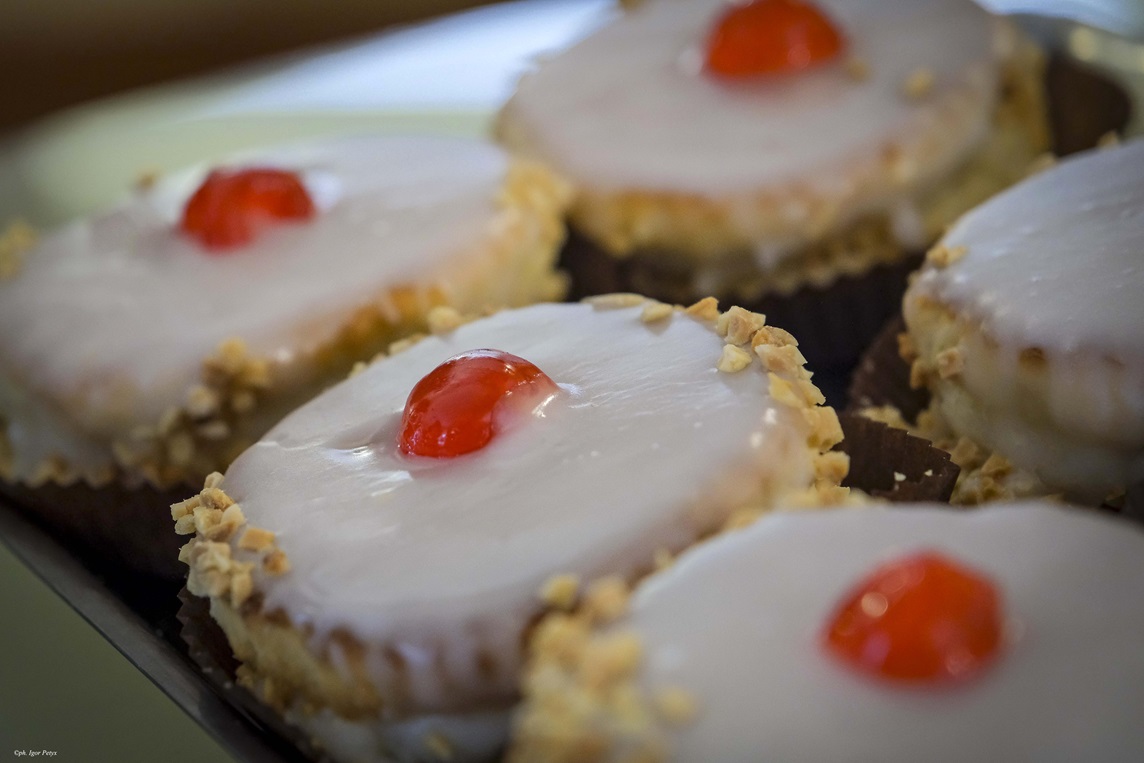 Dai Florio a Silvana Mangano: gli eventi del secondo weekend dei Borghi dei Tesori14 maggio 2026
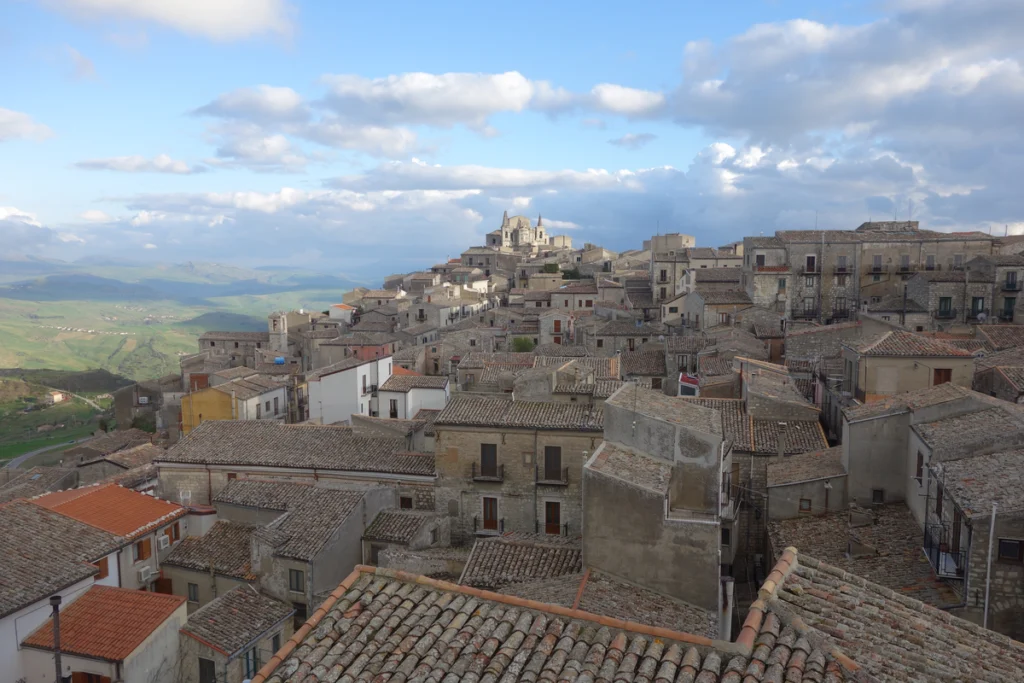 Petralia Soprana apre le porte per Borghi dei Tesori Fest12 maggio 2026
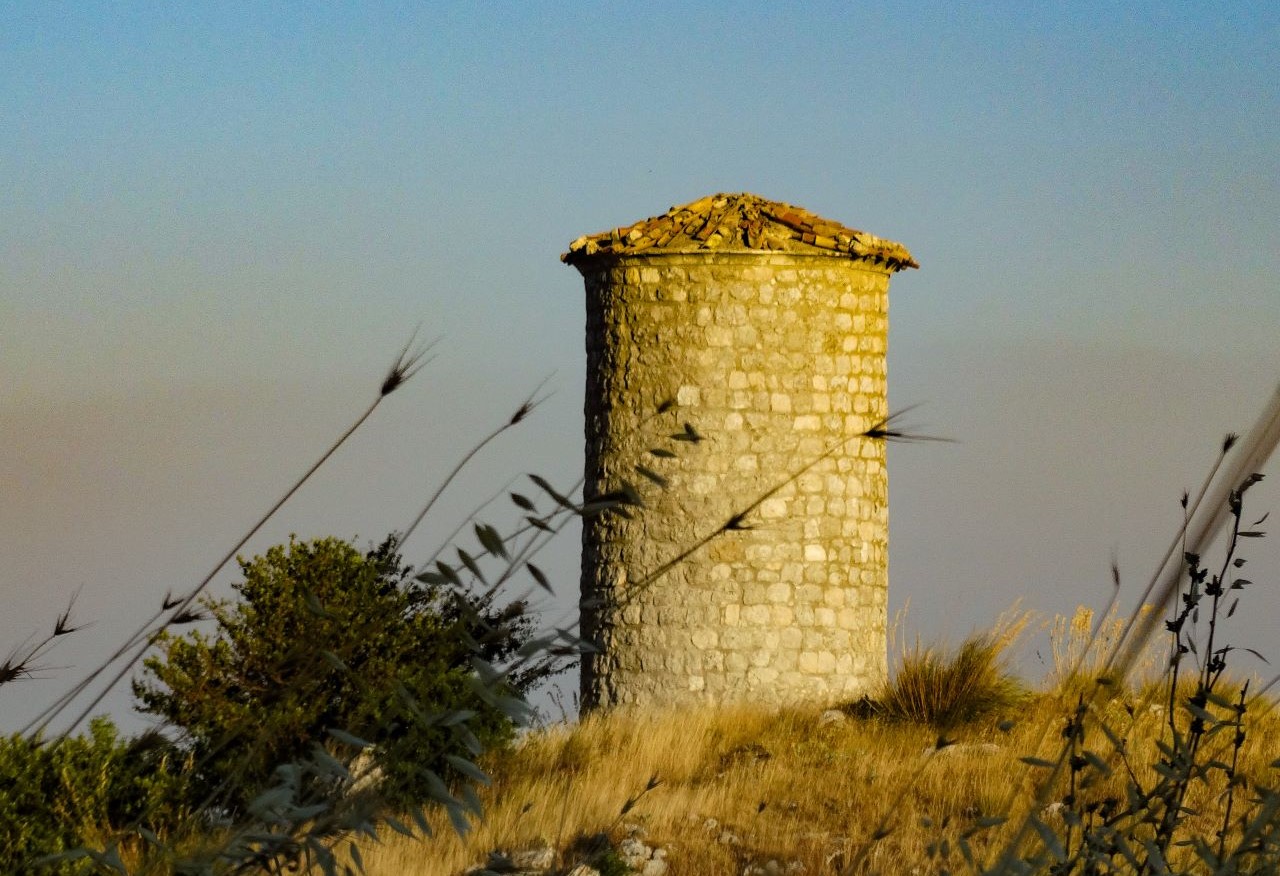 Petralia Soprana, Comune acquisisce la torre di Villa Sgadari27 aprile 2026
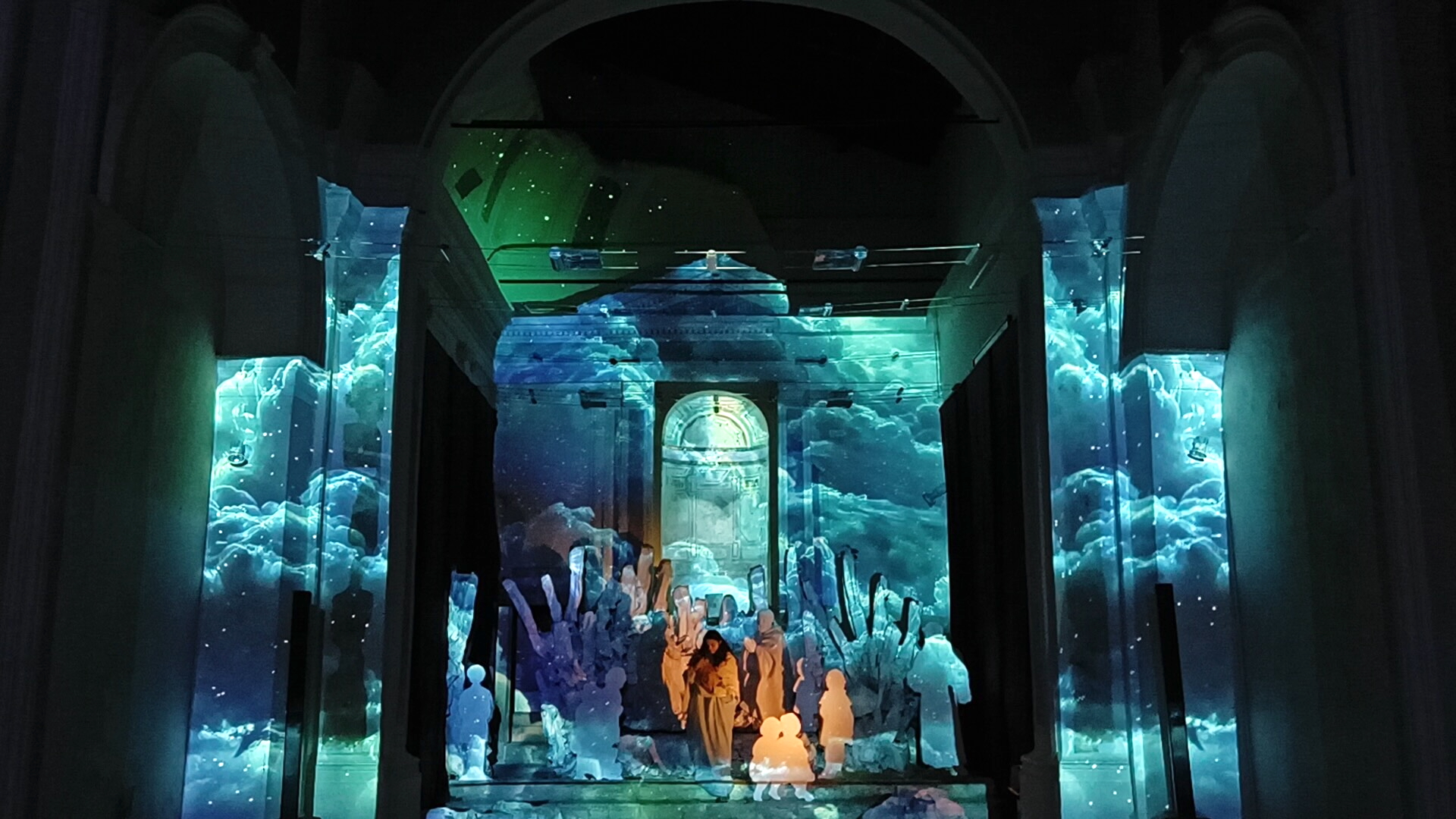 A Petralia con il Presepe d’InCanto la tecnologia dà voce alle vittime di guerra24 dicembre 2025
 Natale a Petralia Soprana: tradizioni, cultura e comunità20 dicembre 2025
 A Petralia Soprana torna il Presepe d’InCanto: esperienza immersiva tra luce e silenzio29 novembre 2025