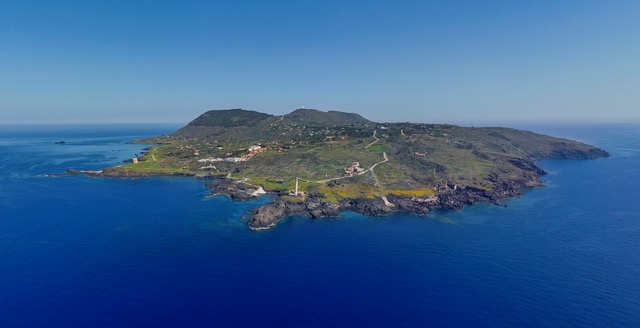
A wild island off the coast of Palermo, it's a paradise for diving and snorkeling: since 1986, it has been home to Italy's first Marine Protected Area.
With a surface area of approximately 8 square kilometers, it boasts a wild and pristine landscape, rich in Mediterranean flora and fauna. Its history dates back to antiquity, and it has been known by various names: the Romans called it "Ustum," meaning "burnt," due to its volcanic origins; the Greeks, however, called it "ossuary," referring to the human remains of a Carthaginian deportation of mercenary soldiers, killed for protesting their refusal to receive their wages and abandoned here. Ustica is also often identified as the island of the sorceress Circe, narrated by Homer in the Odyssey.
The early Christian necropolis, still open to visitors today, confirms Ustica's strategic position for the trade and commerce of the Phoenicians, Carthaginians, and Romans. In the Middle Ages, it became an important trading center in the Mediterranean, thanks to its strategic position along the sea routes. During this period, the island was the scene of clashes between various naval powers, vying for control of the territory. Over the following centuries, it experienced periods of prosperity and decline, until it became a quiet fishing and farming village.
Under the Bourbons, the House of Savoy, and even during the Fascist period, it was a place of confinement for political prisoners and forced laborers, including Antonio Gramsci. Only in 1961, after constant protests from the inhabitants, was the confinement abolished. During the twentieth century, it established itself as a tourist destination, welcoming visitors from around the world seeking relaxation and underwater adventures.
 Associazione: Anci Sicilia
→
Associazione: Anci Sicilia
→
 Gruppo di Azione Locale: GAL Golfo di Castellamare
→
Gruppo di Azione Locale: GAL Golfo di Castellamare
→
 Investimento Territoriale Integrato: La Costa d’oro Smart Land
→
Investimento Territoriale Integrato: La Costa d’oro Smart Land
→
Ustica is a Sicilian municipality with an economy based primarily on tourism and agriculture. Local businesses play a key role in the island's economic life, contributing to job creation and promoting the region.
Businesses in Ustica range from small souvenir and local craft shops to restaurants and bars offering typical island specialties. Many of these businesses are family-run and stand out for their authenticity and attention to the quality of their products.
Agriculture plays an important role in the local economy, with the production of vegetables, fruit, and olive oil contributing to the island's food needs. Ustica's farms stand out for their organic and sustainable production, respecting the environment and promoting local agricultural traditions.
In addition to tourism and agriculture, craftsmanship also plays a significant role in Ustica's economy. Local artisans create unique, high-quality products using traditional materials and artisanal techniques passed down through generations. Among the most prized artisanal products are textiles, ceramics, and jewelry, which represent an important economic resource for the island.
Ustica's local businesses are also committed to promoting the region and enhancing the island's cultural traditions. Through events, demonstrations, and cultural initiatives, they help keep Ustica's historical and cultural identity alive, attracting visitors and supporting the island's tourism development.
In an economic context characterized by challenges and opportunities, Ustica's local businesses stand out for their resilience, creativity, and commitment to promoting the island's sustainable development. Thanks to collaboration and synergy between businesses, institutions, and the local community, Ustica continues to thrive as a tourist destination and an authentic and welcoming place to live.
The territory of Ustica, with an area of 8.2123 sq km and a population of 1309 inhabitants in 2023, presents an interesting opportunity for investors. The presence of 35 foreigners indicates a certain openness to international tourism, while the 654 occupied dwellings and 789 unoccupied ones offer spaces for potential investments in the real estate sector. From a tourist point of view, Ustica offers a varied range of accommodation, with 18 accommodation facilities offering a total of 940 beds. In particular, the 3 B&Bs and the agritourism present in the area could represent interesting investment opportunities in the tourism sector. The presence of a museum with 1000 visitors in 2020 also highlights a potential interest in the cultural heritage of the territory, which could be further developed and enhanced. The geographical and morphological characteristics of Ustica, with a perimeter of 17.43465711 km and an area of 8.2408 sq km, also offer opportunities for the development of activities related to nature tourism and hiking. In conclusion, Ustica presents itself as a territory with interesting potential for investors, with opportunities in the real estate, tourism, and cultural sectors. The presence of good housing stock, a varied tourist offer, and a cultural heritage to be enhanced make Ustica a place to consider for future investments.
The island of Ustica, located in the Tyrrhenian Sea northwest of Palermo, is a true natural jewel offering visitors a wide range of attractions to explore. Among the island's main attractions is the Ustica Marine Park, a protected area boasting rich marine biodiversity and offering sea lovers the opportunity to snorkel and scuba dive to admire the crystal-clear and colorful seabed.
For nature lovers, Ustica also offers the opportunity to explore its unique flora and fauna through hiking along the trails that crisscross the island. Among the most evocative natural attractions is the Blue Grotto, an underwater cave accessible only by diving, where you can admire breathtaking plays of light and colors.
For those who love history and culture, Ustica offers the opportunity to visit the Ustica Archaeological Museum, which houses archaeological finds from the island and surrounding areas, allowing visitors to immerse themselves in the island's millennia-old history.
Among Ustica's most evocative attractions is the Punta Cavazzi Lighthouse, located on the northwest tip of the island, offering breathtaking panoramic views of the sea and surrounding cliffs. The lighthouse is an ideal place to admire sunsets and enjoy the island's peace and tranquility.
Finally, for those who want to relax and enjoy the sea, Ustica offers numerous white-sand beaches and crystal-clear waters, such as Cala Sidoti Beach and Cala Santa Maria Beach, where you can sunbathe, swim, and enjoy water sports like kayaking and windsurfing.
In short, Ustica is an island that offers a unique combination of natural beauty, history, and culture, making it an ideal destination for those seeking a holiday dedicated to nature, relaxation, and discovery.
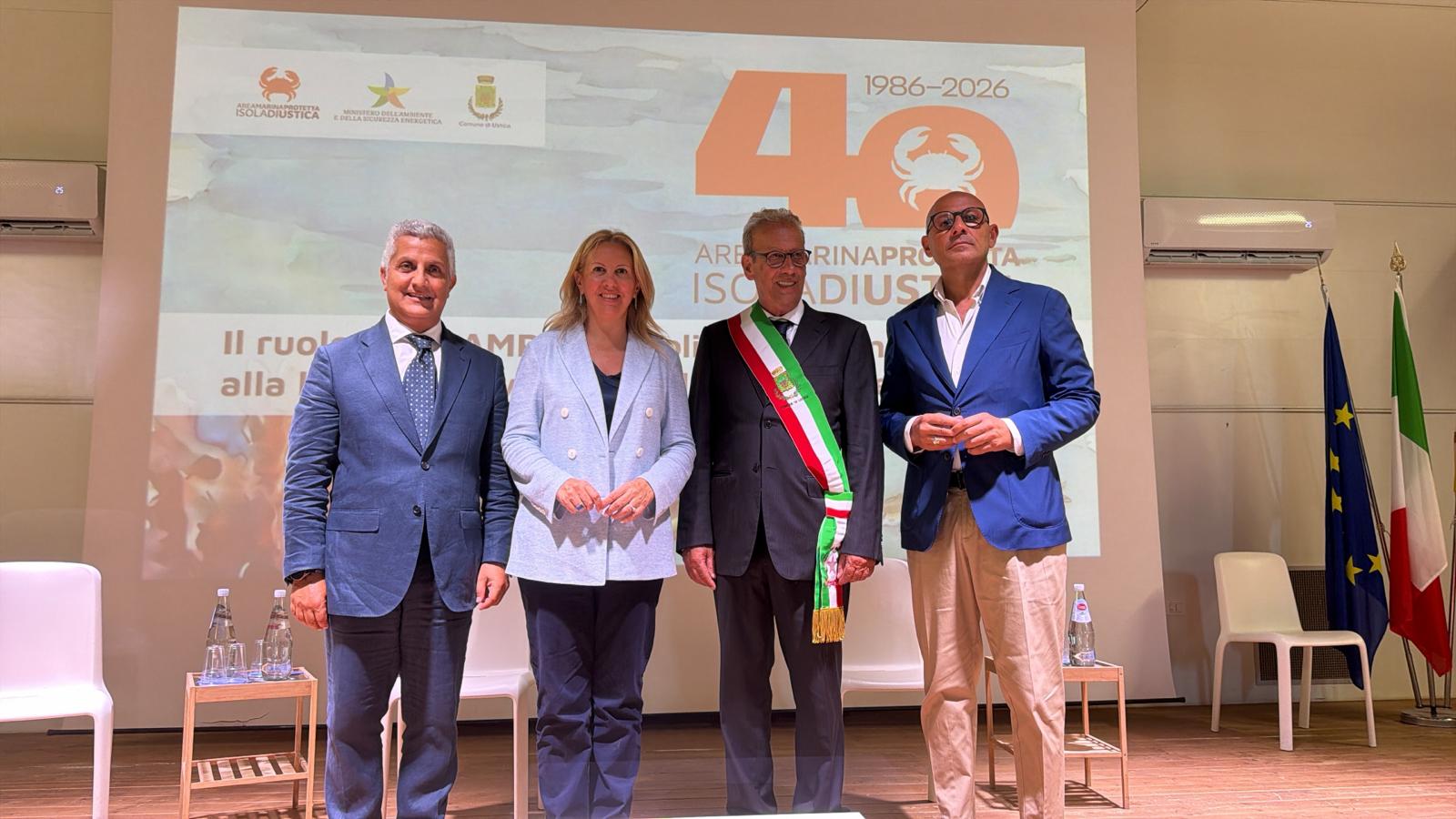 40 anni dell’AMP di Ustica, in arrivo oltre 3 milioni dalla Regione20 giugno 2026
 Ustica festeggia i 40 anni della prima Area Marina Protetta italiana17 giugno 2026
 La mappa delle isole siciliane ora si basa sulle esperienze15 giugno 2026
 A Ustica il festival che valorizza mare, musica e patrimonio culturale05 giugno 2026
 Estate fuori rotta? Ferryscanner punta sulle Isole Eolie e Ustica01 giugno 2026
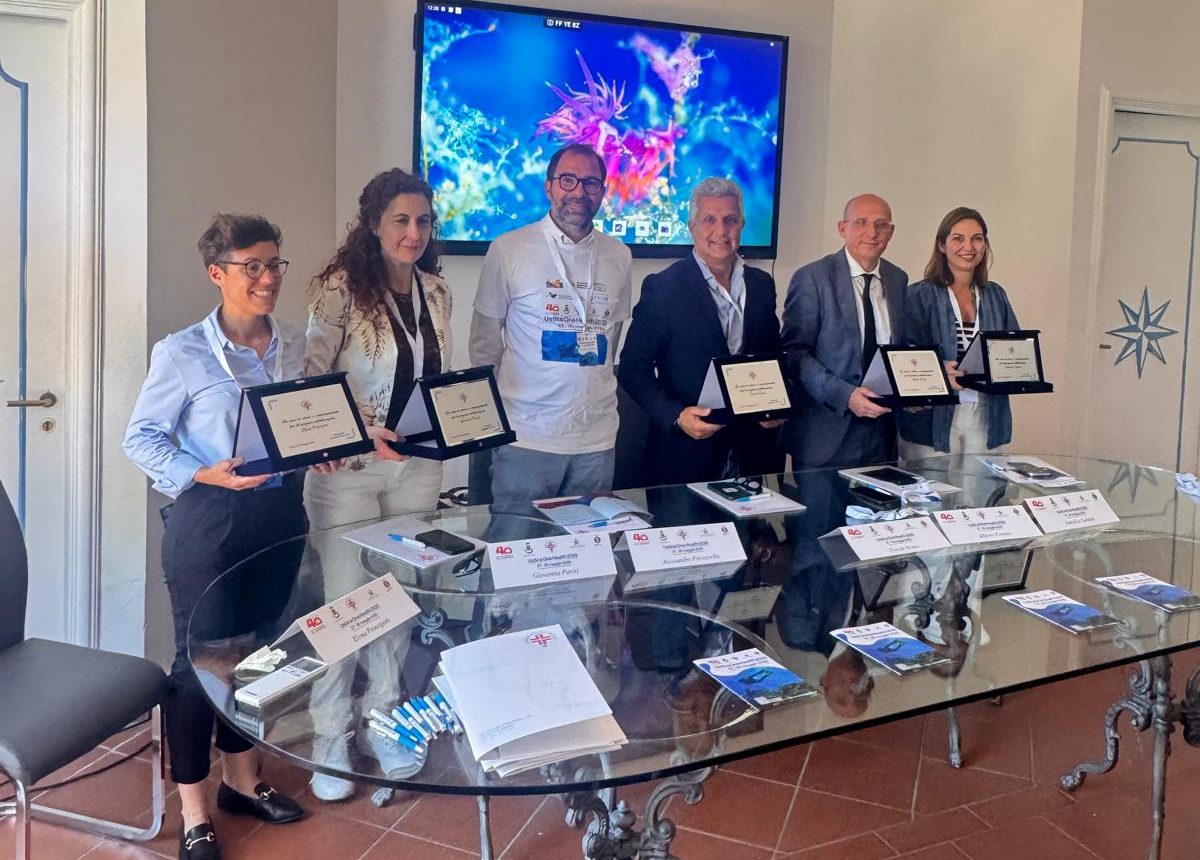 Ustica One Health 2026, Tardino: la sfida è coniugare sviluppo e sostenibilità29 maggio 2026
 Tour nelle isole minori sul Programma di Promozione 202607 aprile 2026
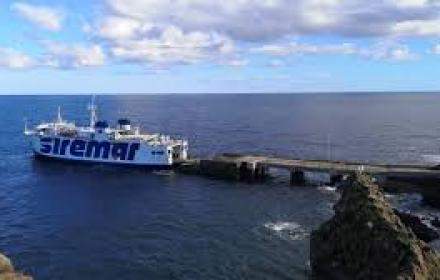 Ustica, riapre il porto ma con limite a 20 tonnellate28 gennaio 2026
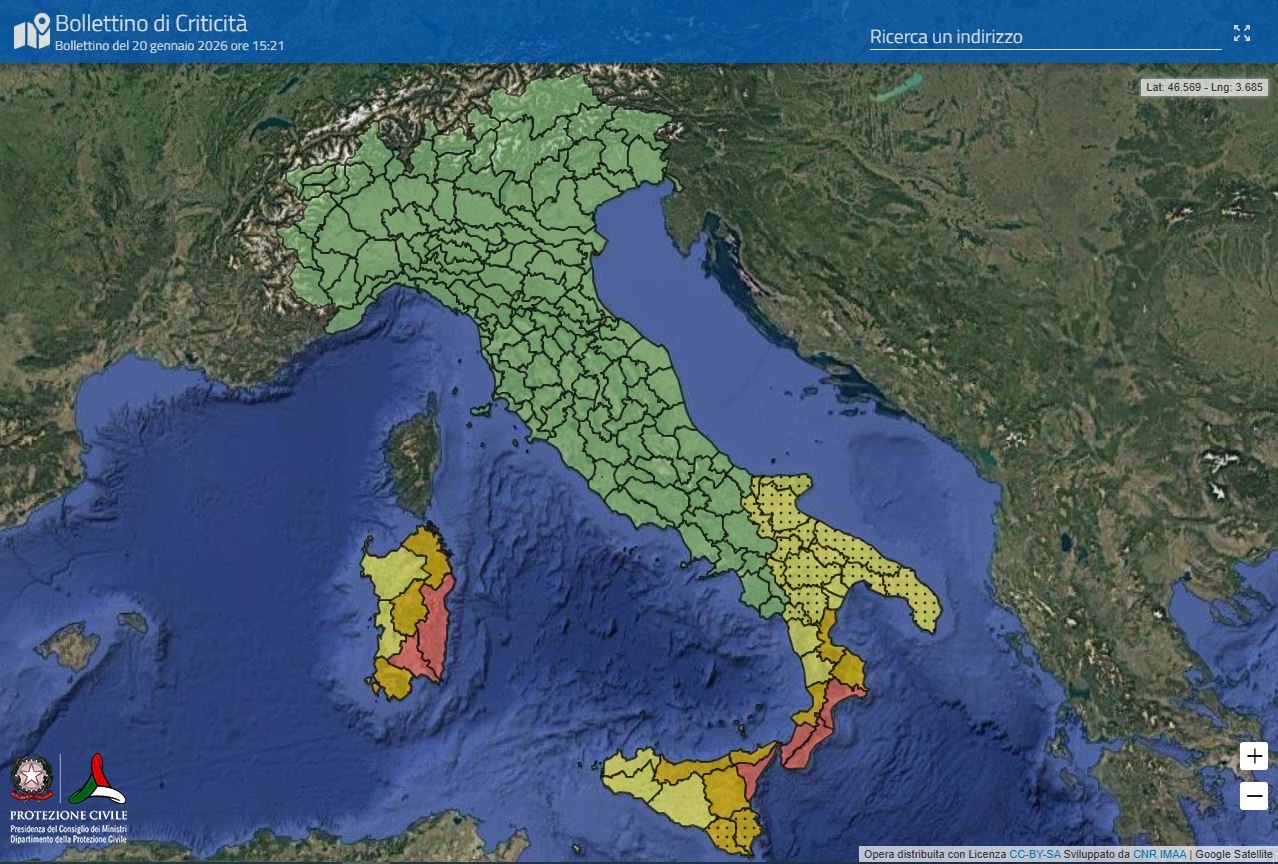 Maltempo, mareggiata e vento danneggiano il porto di Ustica21 gennaio 2026
 Malika Ayane e Roy Paci protagonisti a Ustica04 settembre 2025