Messina is a city located at the northeastern tip of Sicily, overlooking the Strait of Messina, the junction between the island and the Italian mainland. With a millennia-long history, Messina is one of the region's main cultural, economic, and religious centers, as well as Sicily's natural gateway to the mainland.
Founded in ancient times, likely by the Sicels and later colonized by the Greeks under the name Zancle, the city has seen a succession of rulers that have profoundly influenced its cultural and architectural heritage. Romans, Byzantines, Arabs, Normans, Swabians, Angevins, Aragonese, and Spanish have all left a visible mark on the urban fabric and local traditions. This intertwining of civilizations has helped shape a rich and multifaceted identity, expressed through monuments, places of worship, and popular customs.
The beating heart of Messina is its cathedral, a magnificent Norman building rebuilt after the devastating earthquake of 1908 and further restored following the bombings of World War II. Inside, you can admire one of the largest astronomical clocks in the world, housed in the bell tower, which attracts visitors every day, intrigued by its complex mechanical and symbolic displays.
The city extends along a narrow strip between the sea and the Peloritani Mountains, offering breathtaking natural scenery. The crystalline waters of the Strait, frequented by dolphins and steeped in ancient myths, such as that of Scylla and Charybdis, are an integral part of the landscape and imagery of Messina. The port, one of the busiest in Sicily, has always been a strategic hub for trade and maritime connections, and today it also welcomes cruise ships and ferries, playing an important role in tourism.
Messina is also an important university center, home to the University of Messina, which contributes to the city's intellectual and youthful vitality. Its economy, historically tied to shipping, agriculture, and fishing, has evolved in recent decades, now encompassing sectors such as commerce, services, and tourism.
Local culture is vividly expressed in numerous religious and popular festivals, most notably the spectacular Vara procession, which every August 15th involves thousands of citizens in an event of profound devotion and captivating spectacle. Gastronomic traditions, rich in intense flavors and Arab and Mediterranean influences, complement the sensory experience of visitors to the city, offering typical dishes such as arancini, focaccia messinese, and ricotta-based desserts.
Messina, despite being severely impacted by natural and historical events, has repeatedly reborn, preserving its identity and proudly renewing itself. Today, it represents a crossroads of history, nature, and modernity, captivating with its welcoming character and profound connection to the sea and the Sicilian land.
Messina is a vibrant hub of local businesses that fuel the city's economic and cultural fabric, perpetuating ancient traditions and modern innovations with great pride and creativity. The historic neighborhoods are home to artisan workshops that continue to cultivate excellent crafts: carpenters, ceramists, restorers, and tailors share their expertise acquired over time to create unique objects that combine quality and customization. These businesses, often family-run, not only keep ancient artisanal techniques alive, but also contribute to enhancing the area's cultural identity and passing on a wealth of knowledge to new generations.
In the food sector, the municipality is rich in small businesses and gourmets producing local delicacies: traditional bakeries, artisanal pasta makers, pork butchers, and pastry shops churn out typical products such as pane cunzato, granitas, arancini, and traditional Messina desserts every day, bringing authentic and wholesome flavors to the table. The fishing industry, supported by its proximity to the sea, also boasts businesses dedicated to fishing and processing fresh catch, guaranteeing buyers a high-quality culinary experience with respect for the raw materials.
The tourism sector boasts a multitude of hotels, bed & breakfasts, accommodations, and family-run restaurants, which invest in hospitality to offer visitors an authentic and pleasant stay. Customer care, the sharing of local stories, and the offering of experiential itineraries—including excursions, tastings, and cultural visits—are distinctive and appreciated elements in the regional landscape.
Many local businesses have undertaken digitalization processes, promoting their products on social media, launching e-commerce sites, and participating in regional and national fairs: these initiatives demonstrate the ability to combine craftsmanship and innovation, tradition and new technologies. Furthermore, Messina's economic fabric is enriched by micro-enterprises in the professional, commercial, and artisanal services sectors—technical firms, machine shops, design studios, and construction firms—that guarantee employment and sustainable development.
Overall, Messina's local businesses represent an economic engine driven by passion, quality, and local roots. They embody the pride of a community that, despite challenges and transformations, believes in its ability to innovate, embrace, and pass on a heritage of traditions, skills, and human values.
The territory of Messina, with a population of 217,959 inhabitants in 2023, appears as a place of interest for potential investors. The presence of a large foreign community, amounting to 29,313 individuals, indicates a certain openness and cultural diversity that could promote the development of commercial and tourist activities targeted at an international clientele. The dwellings in the municipality amount to 451,983, with a significant percentage of unoccupied homes, totaling 180,090 units. This could represent an opportunity for investments in the real estate sector, with the possibility of redeveloping and putting these units on the market to meet housing demand. As for the tourist offer, Messina has 20 hotels with a total of 1,299 beds and 583 rooms. Furthermore, there are various non-hotel accommodation facilities, such as bed & breakfasts, youth hostels, and commercially managed rental accommodations, which help diversify the tourist offer and attract a varied clientele. From a geographical point of view, the territory of Messina presents different altitude bands, with a predominance of the 200-599 meters above sea level band. This variety of altitudes could promote the development of activities related to nature tourism and hiking, taking advantage of the scenic and natural beauty of the area. Finally, the presence of museums and cultural institutions should be emphasized, as they contribute to enhancing the historical and artistic heritage of the territory and attracting visitors interested in culture and art. In conclusion, Messina presents itself as a territory with various investment opportunities in the real estate, tourism, and cultural sectors. The presence of a large and diverse population, combined with good infrastructure and accommodation facilities, makes this municipality an interesting place for those who wish to start or expand economic activities in a dynamic and potential-rich environment.
Messina, overlooking the picturesque Strait that separates it from Calabria, is a city rich in charm, history, and natural beauty, attracting visitors from all over the world. One of the city's iconic landmarks is undoubtedly the Cathedral, with its imposing façade and famous bell tower housing one of the largest and most complex astronomical clocks in the world. Every day at noon, the tower comes alive with mechanical figures that narrate religious and historical events, offering a unique and engaging spectacle. In front of the Cathedral is Piazza del Duomo, the beating heart of the city, where you can also admire the Fountain of Orion, a 16th-century masterpiece.
Among the most beloved attractions is the Sanctuary of Montalto, which offers a breathtaking panoramic view of the city and the Strait. Another highly evocative vantage point is the Sacrario di Cristo Re, a commemorative monument that stands on one of the city's hills. Messina also offers splendid beaches, such as those of Capo Peloro and Torre Faro, perfect for those who wish to relax amidst crystal-clear waters and pristine nature.
For art and culture lovers, the Regional Museum of Messina houses valuable works, including paintings by Antonello da Messina and Caravaggio. Strolling along the waterfront, you can also admire elegant Art Nouveau buildings and monuments that recount the city's glorious past. Messina, despite being scarred by seismic and historical events that have transformed its face, retains a profound and vibrant identity, capable of moving and surprising with its authenticity, its flavors, and the warm hospitality of its people.
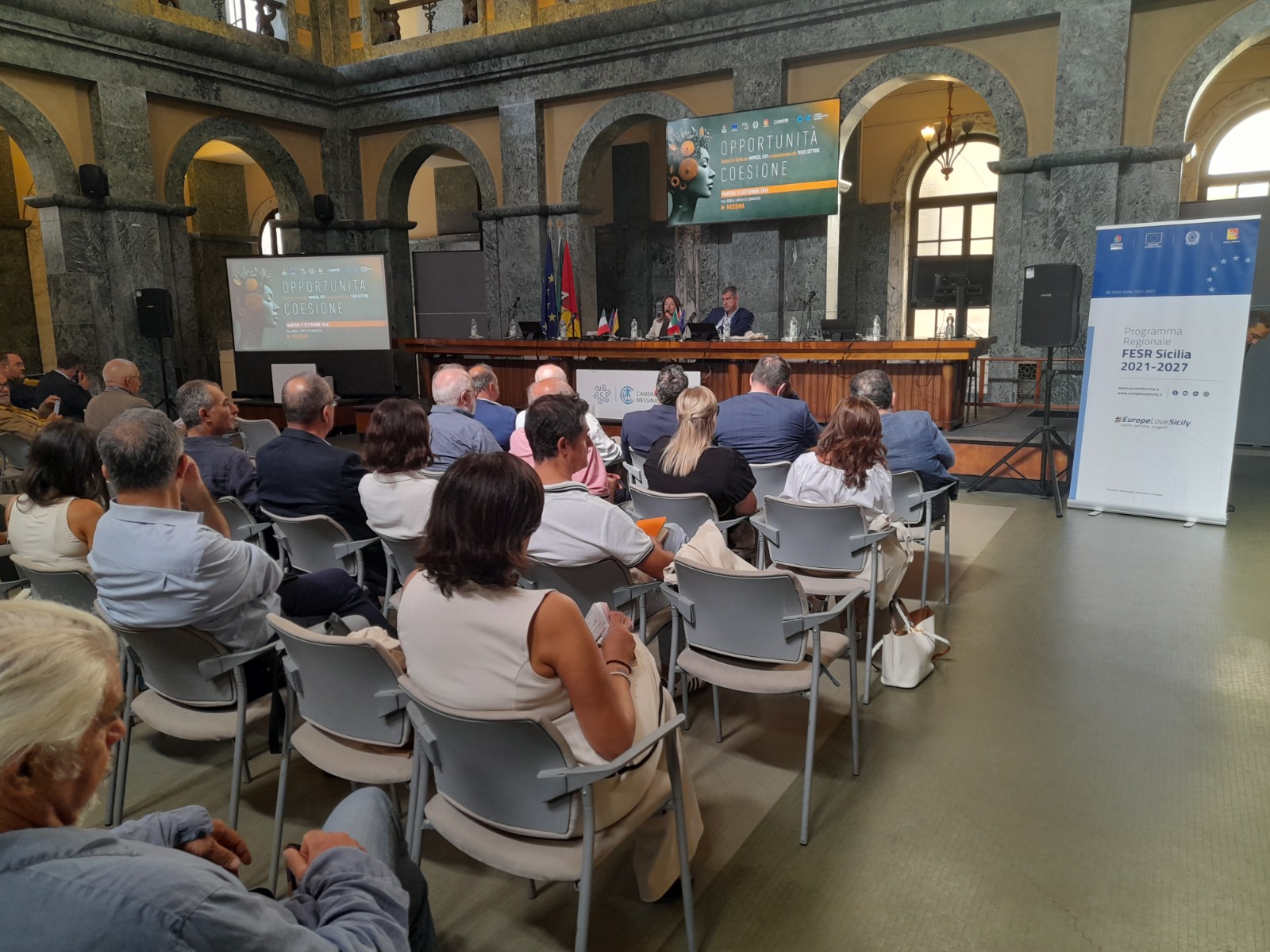 Fondi Ue, a Messina presentati bandi da 140 milioni16 settembre 2026
 Fermate e treni straordinari per il Festival Amunì27 agosto 2026
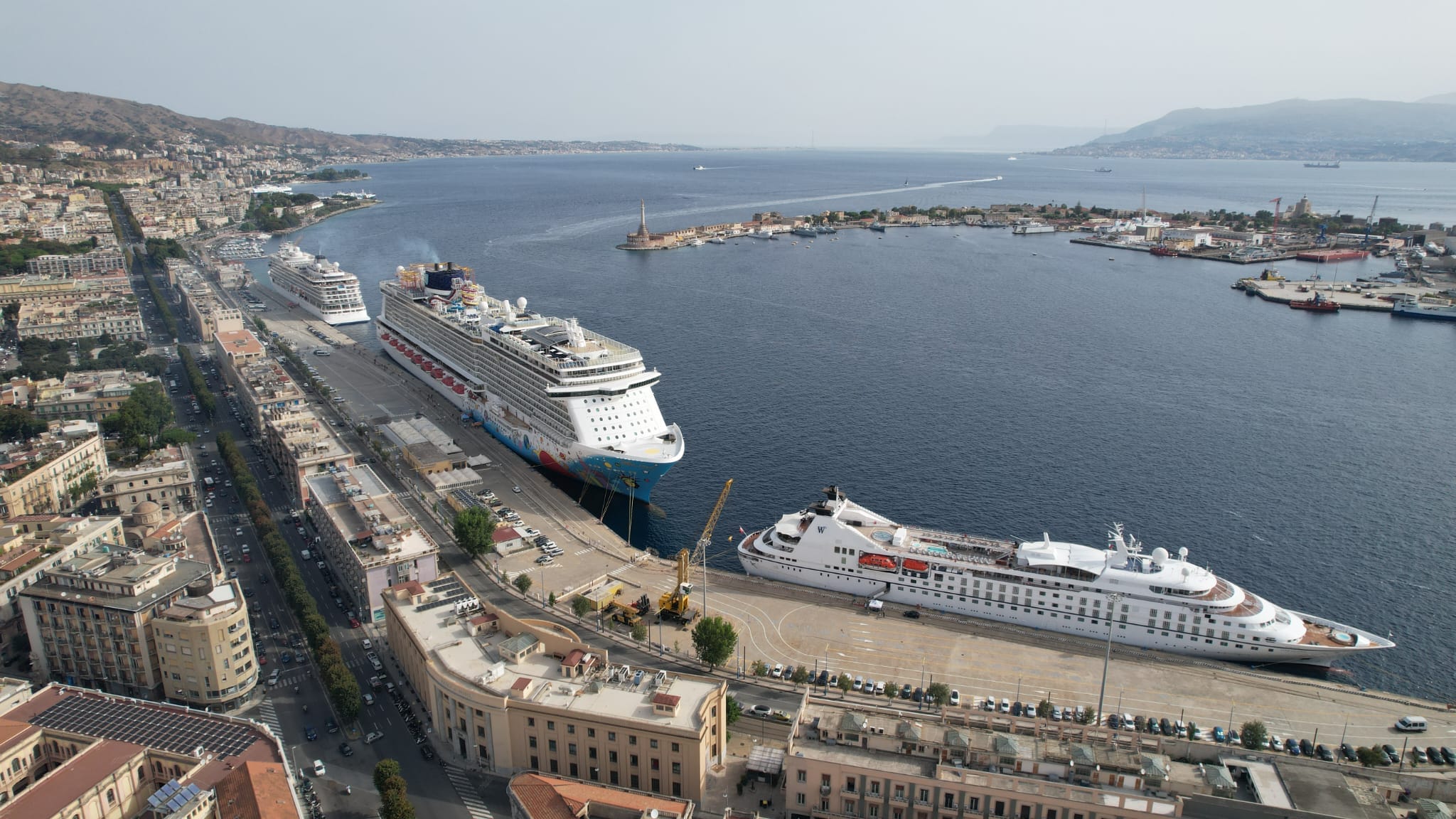 Messina vicina al milione di crocieristi nel 202806 agosto 2026
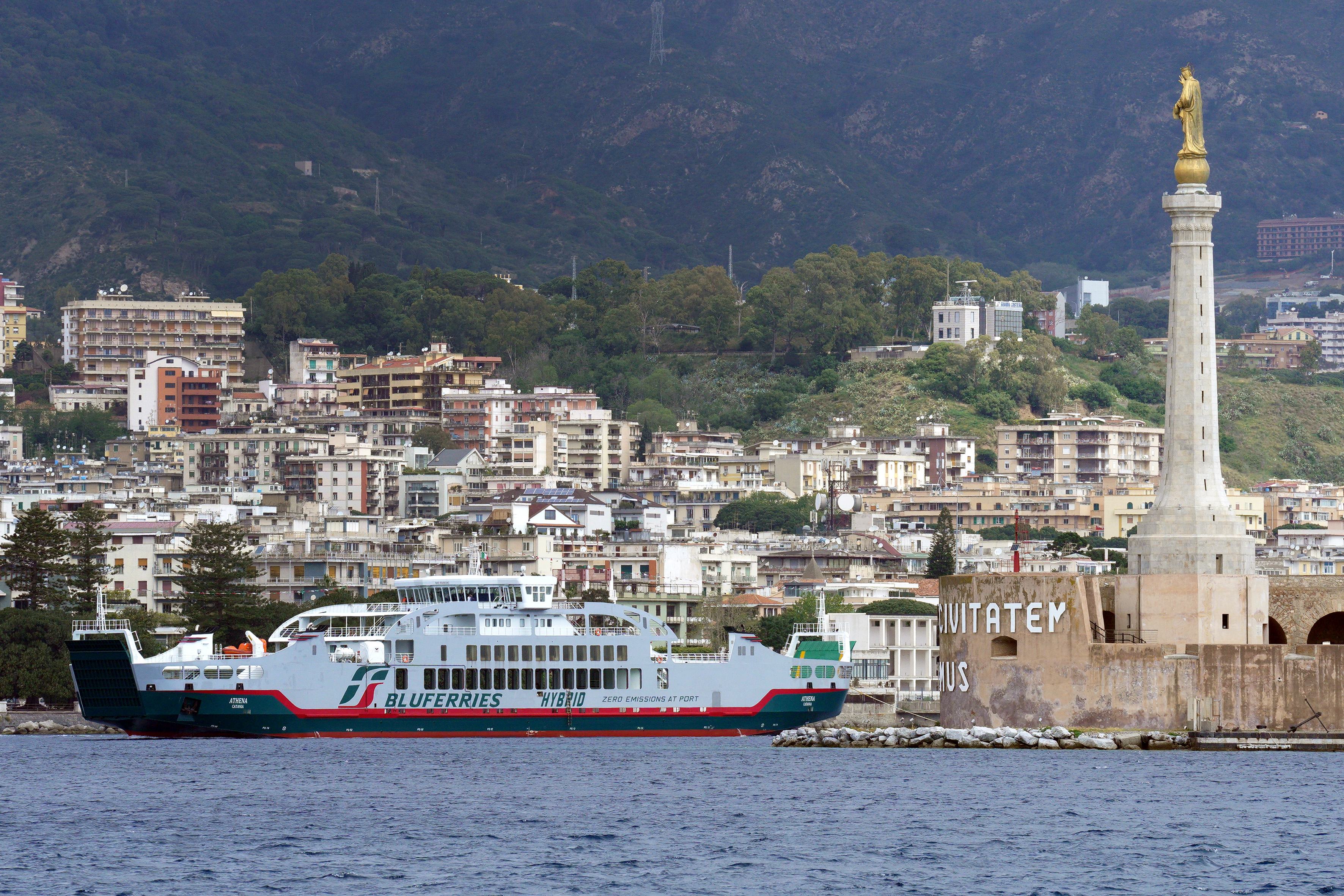 Bluferries aggiunge nuovi collegamenti sullo Stretto di Messina15 luglio 2026
 MSC, terminal crocieristico a Messina è solo il primo passo14 luglio 2026
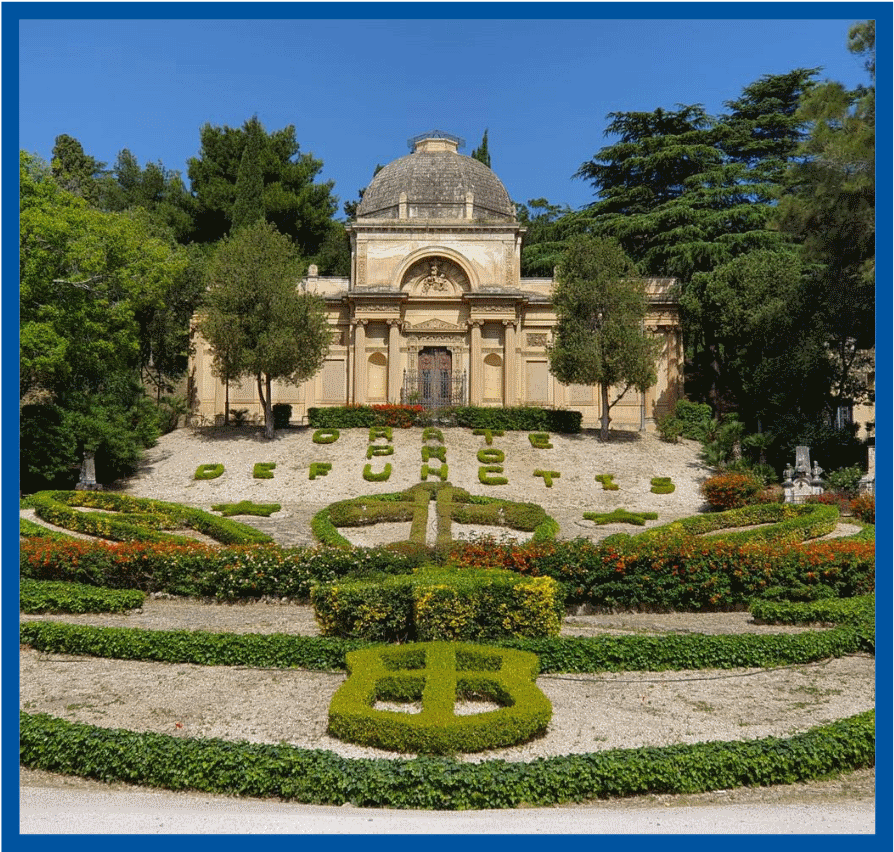 Turismo esperienziale, fondi anche per il Gran Camposanto di Messina09 giugno 2026
 Mazzi a Messina: non deve essere più solo città di passaggio20 maggio 2026
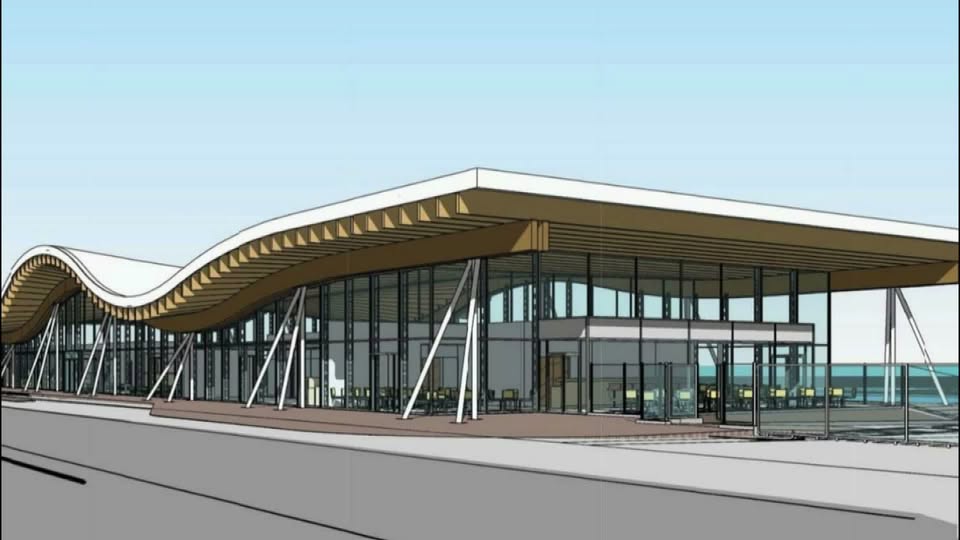 A Messina Msc gestirà, e costruirà, il terminal crociere28 aprile 2026
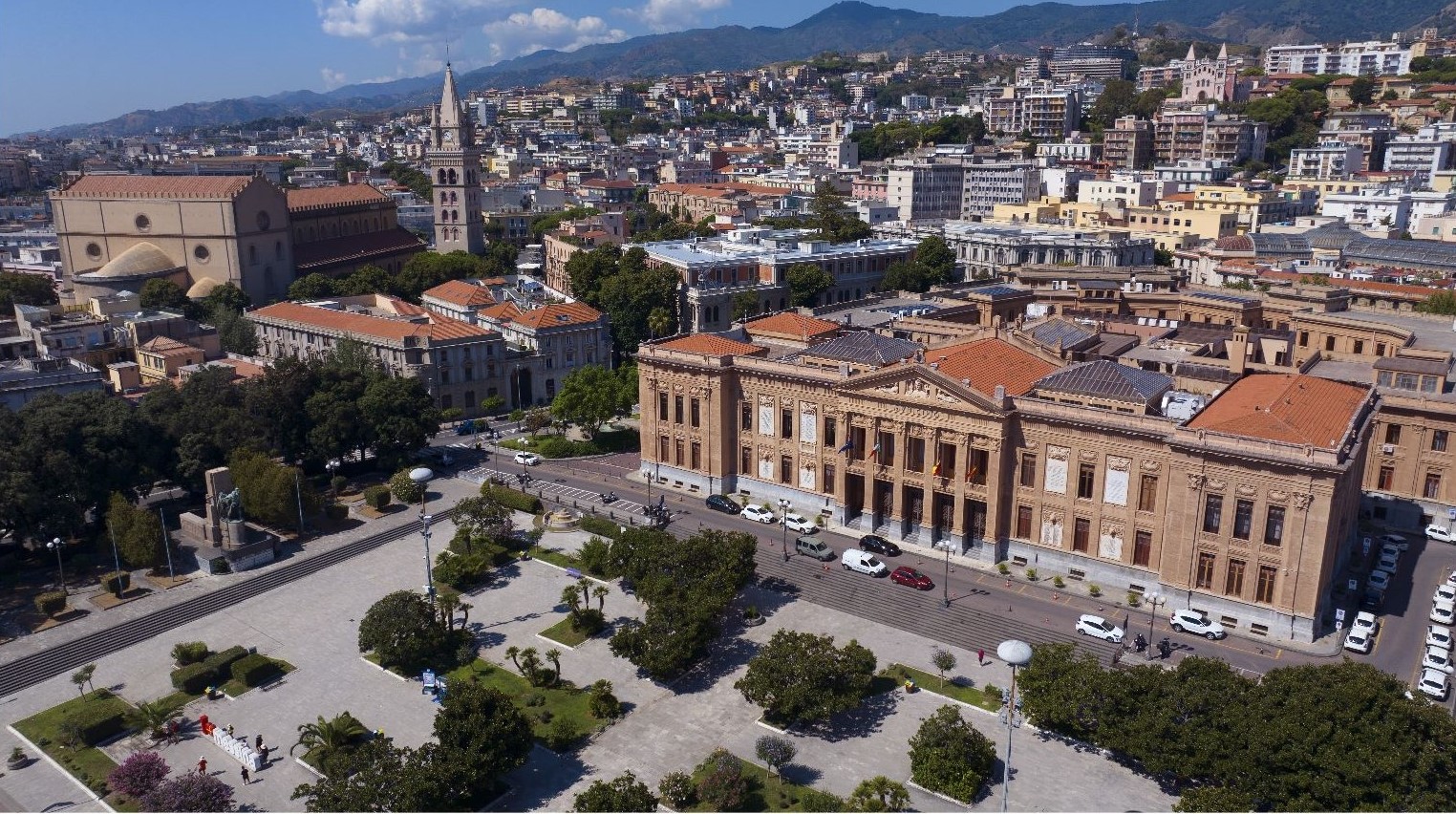 Messina vince la sfida e diventa destinazione turistica26 marzo 2026
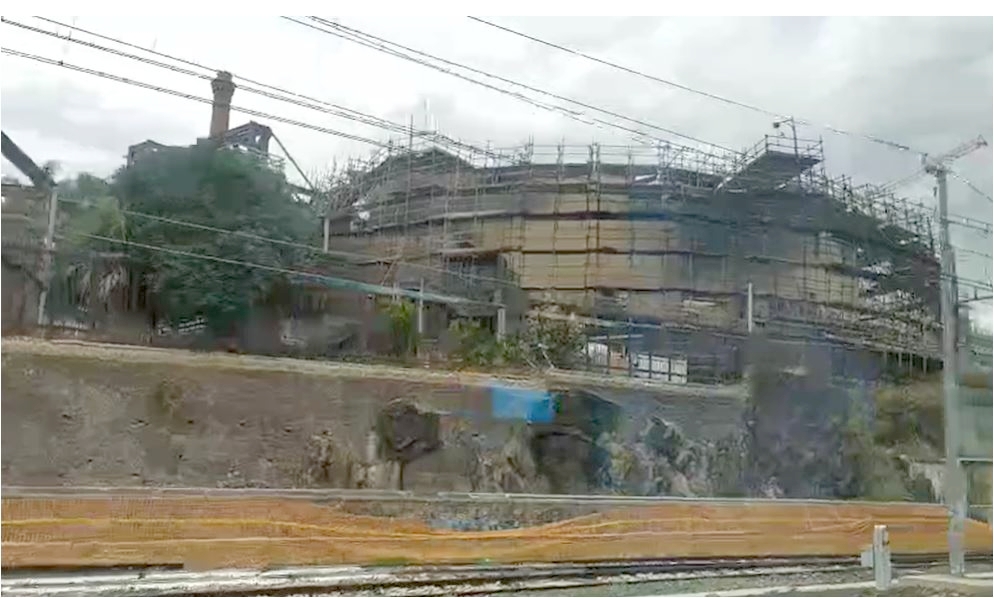 Tornano a circolare i treni tra Messina e Taormina-Giardini07 marzo 2026